Rosatom’s Ecosystem: Artificial Intelligence and Nuclear Power as Pillars of the Digital Economy
Rosatom argues that artificial intelligence and data centers should be viewed as parts of a single infrastructure anchored in nuclear power generation. This approach reshapes how Russia frames digital sovereignty and the future of IT services.
AI as the Main Driver of Computing Demand
Stepan Klyatetsky, deputy director of the Department for Technological Independence of Management Systems and Critical Infrastructure at Rosatom, has proposed treating artificial intelligence not as a standalone high-tech tool but as a strategic driver for the development of the entire digital infrastructure.
AI has already moved beyond being “one of many technologies” and has become the primary source of demand for computing capacity. Models are growing larger, services more complex, and user bases broader. As a result, demand is rising for data centers capable of running AI systems around the clock.
Forecasts suggest that by the end of the decade, the majority of data center resources will be devoted to artificial intelligence workloads. This effectively shifts the question from “how to train and deploy models” to “what these models will actually run on and where the energy to power them will come from.”
Why Data Centers Are Becoming a Nuclear Industry Issue
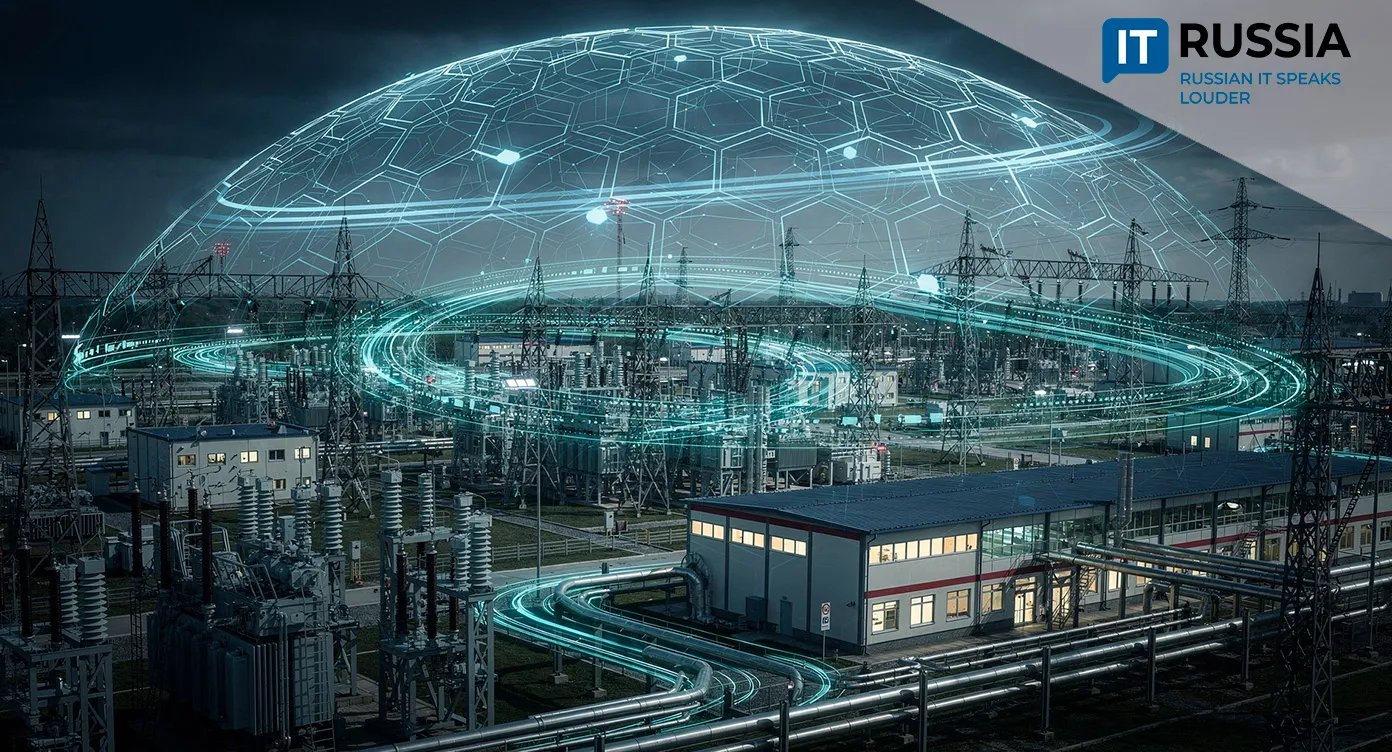
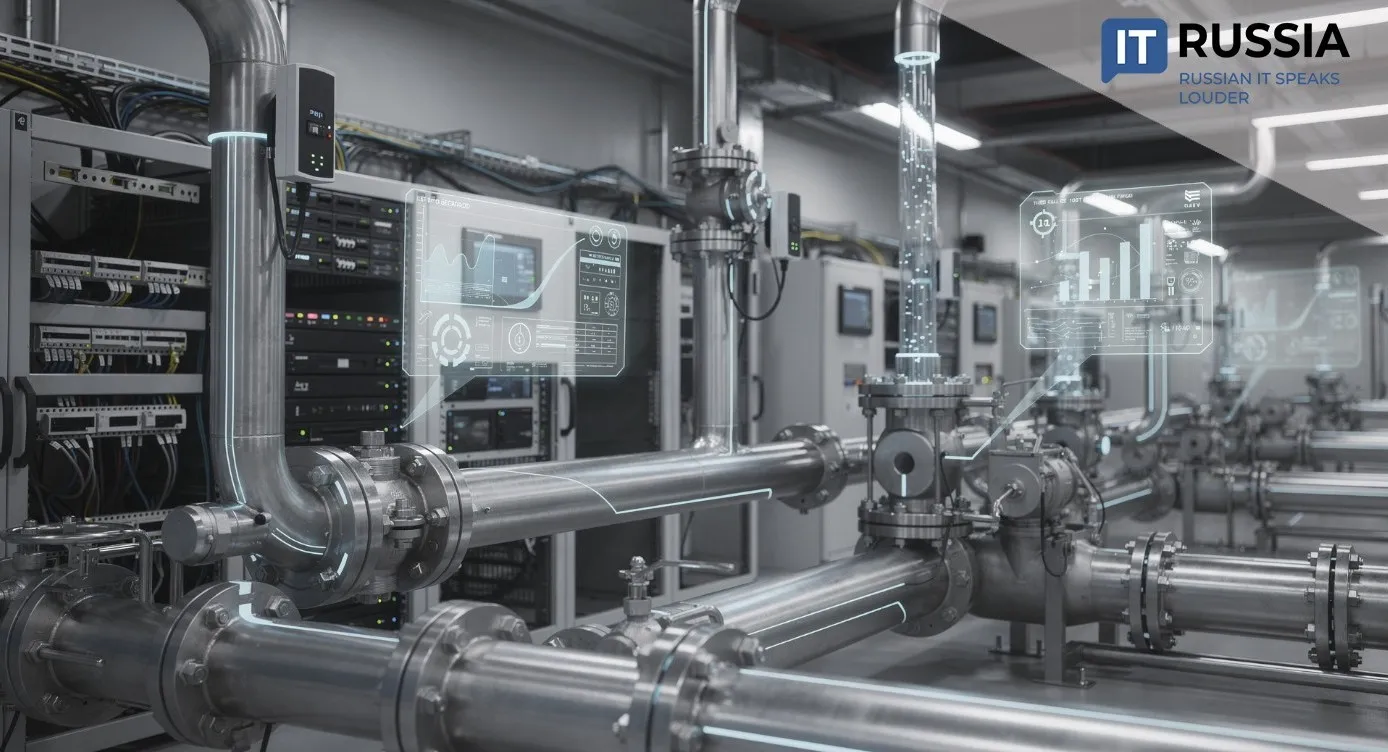
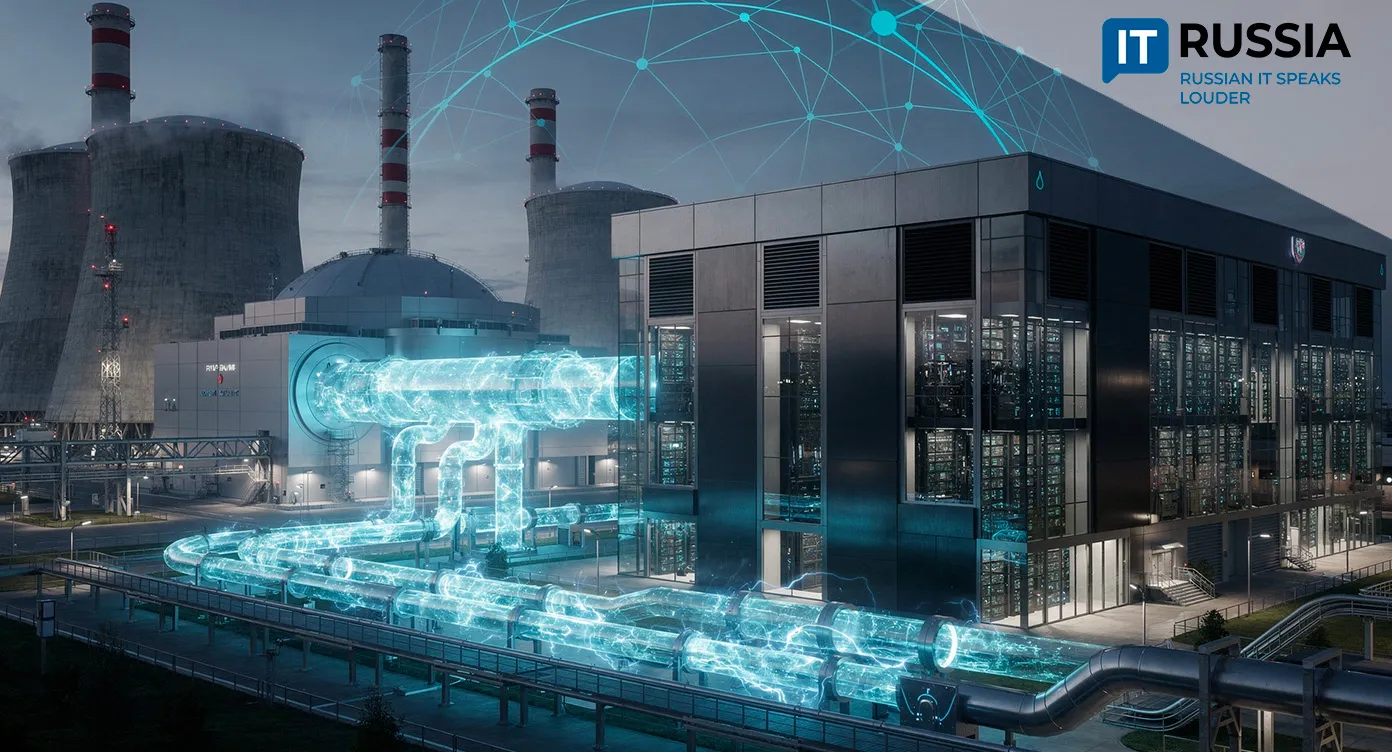
A large data center is no longer just a “big server hall.” It is a facility that consumes electricity on the scale of a small city and must operate without interruption. Any serious AI application depends on this kind of infrastructure.
Nuclear power offers a clear answer to the question of stability. A nuclear power plant provides predictable electricity supply over decades. For data centers, this translates into the ability to plan long-term growth without the risk of sharp price fluctuations or capacity constraints.
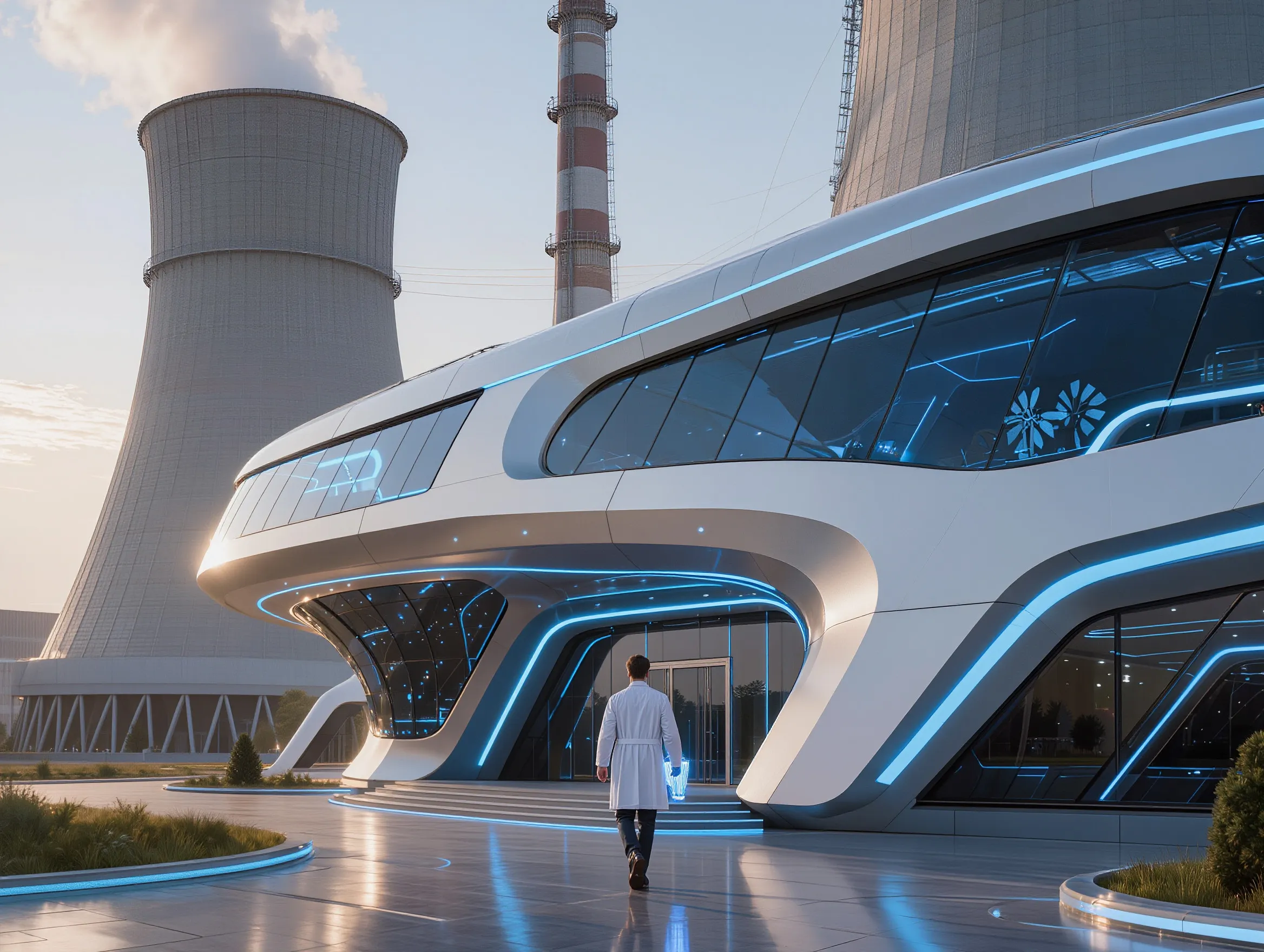
Within this logic, Rosatom is offering not individual products but an integrated bundle: sites for data centers, energy infrastructure, and digital solutions that allow the entire system to be managed as a single complex. This elevates AI and data centers from the level of “individual IT projects” to that of core national infrastructure.
What This Means for Business
The availability of large, domestically based data centers backed by robust energy supply makes it possible to deploy AI systems within the country, without relying entirely on foreign services. This reduces exposure to restrictions, lowers dependence on external vendors, and creates more room for experiments.


Another key advantage is the ability to store and process sensitive data within a national perimeter. For sectors such as energy, transport, defense, and telecommunications, this is not just a matter of convenience but of security.

Technological Sovereignty as a Practical Challenge
Digital sovereignty is often invoked in strategies and policy papers, but in practice it comes down to basic questions: does the country have its own data centers, do they have sufficient capacity, and is there enough energy to run them. If the answer to any of these is no, sovereignty remains purely declarative.
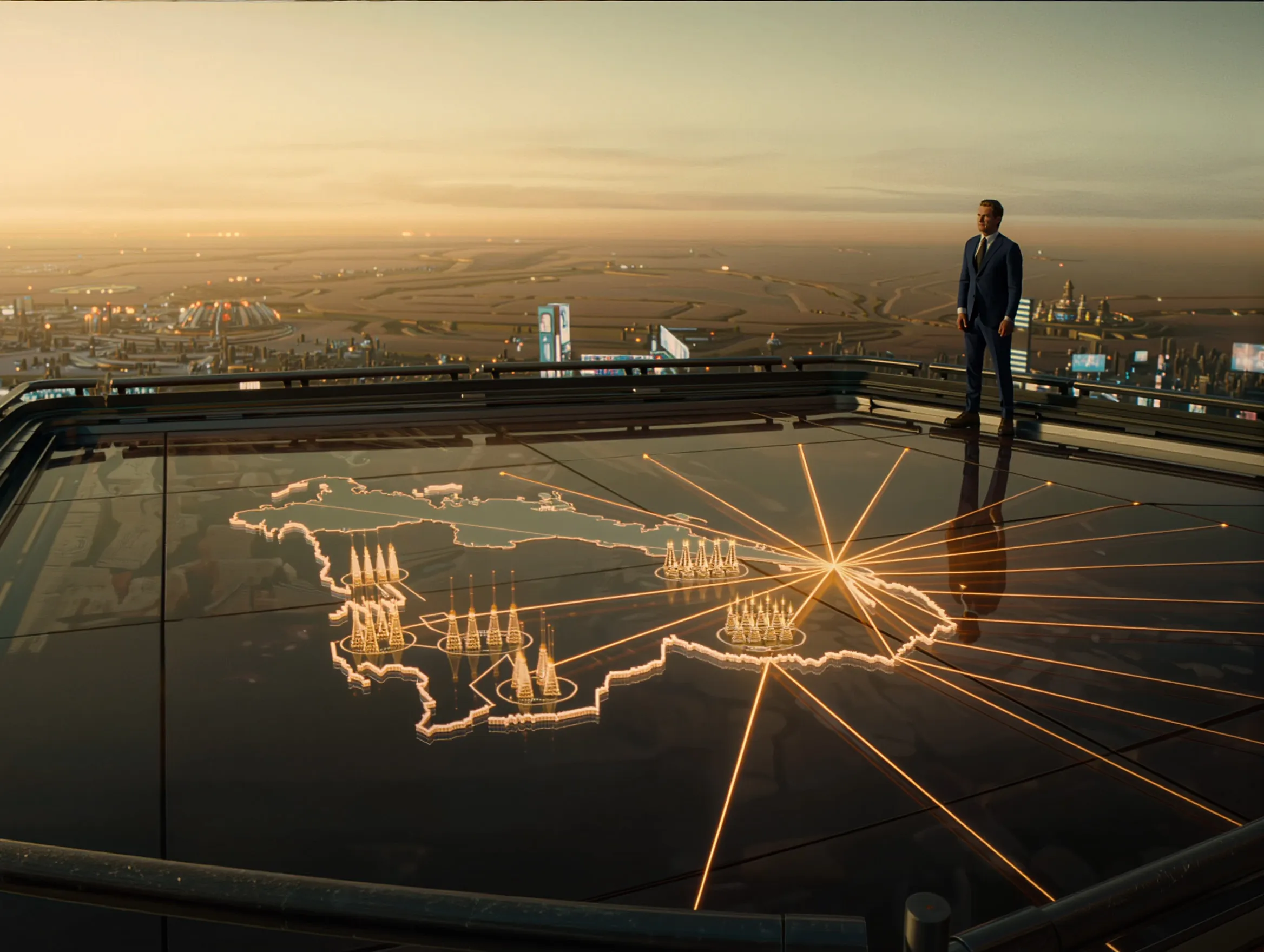
The approach now being promoted by Rosatom aims to close these bottlenecks. It proposes linking three layers – energy, computing infrastructure, and applied AI services – under the management of national players. This does not rule out international cooperation, but it reduces dependence on external decisions.
Over time, such integrated complexes could also become an export product. Countries that need their own AI platforms but lack sufficient electricity supply may be interested in turnkey solutions where nuclear generation and data centers operate as a unified system.