Artificial Intelligence Is Set to Help Russian Bees
Beekeepers in Russia’s Stavropol region have begun using neural networks to increase honey production.
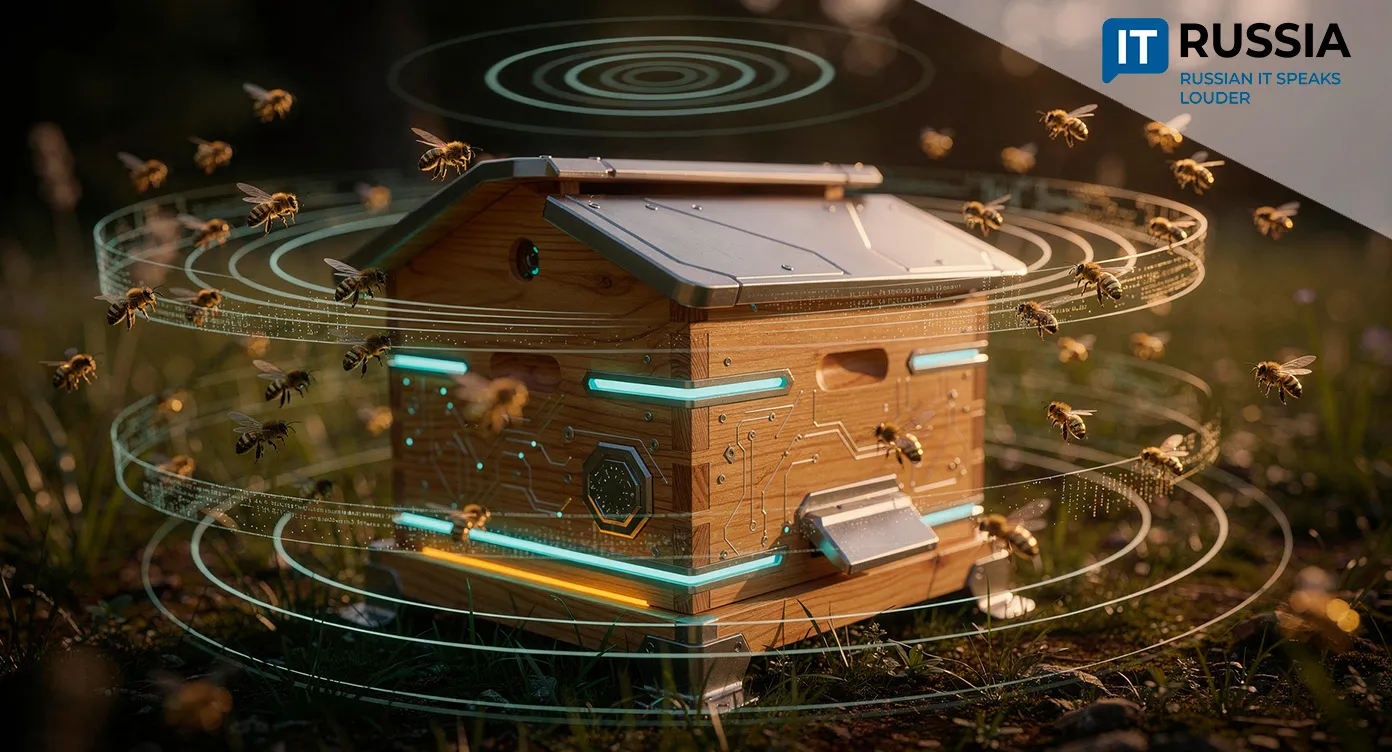
Hives Are Getting Smarter
Russian beekeepers continue to actively introduce digital technologies to grow their businesses. One example is the Babichev family, a multi-generation beekeeping dynasty in the Stavropol region, which has started using artificial intelligence in daily operations.
Honey producers are traditionally cautious and adopt innovations only after extensive testing. For instance, the Babichev family experimented with plastic hives but soon returned to traditional wooden ones, unwilling to risk introducing carcinogenic materials into the hive. The family prioritises purity and the natural quality of honey.
At the same time, they have been quick to adopt digital tools. Their operation now uses GPS trackers for security, electronic scales, and so-called smart hives to improve overall efficiency.
Continuous monitoring of hive weight is critical for beekeepers. A rapid drop in weight signals that bees need to be moved to a new location. With large numbers of bee colonies, however, physically visiting and assessing every apiary becomes difficult and costly.
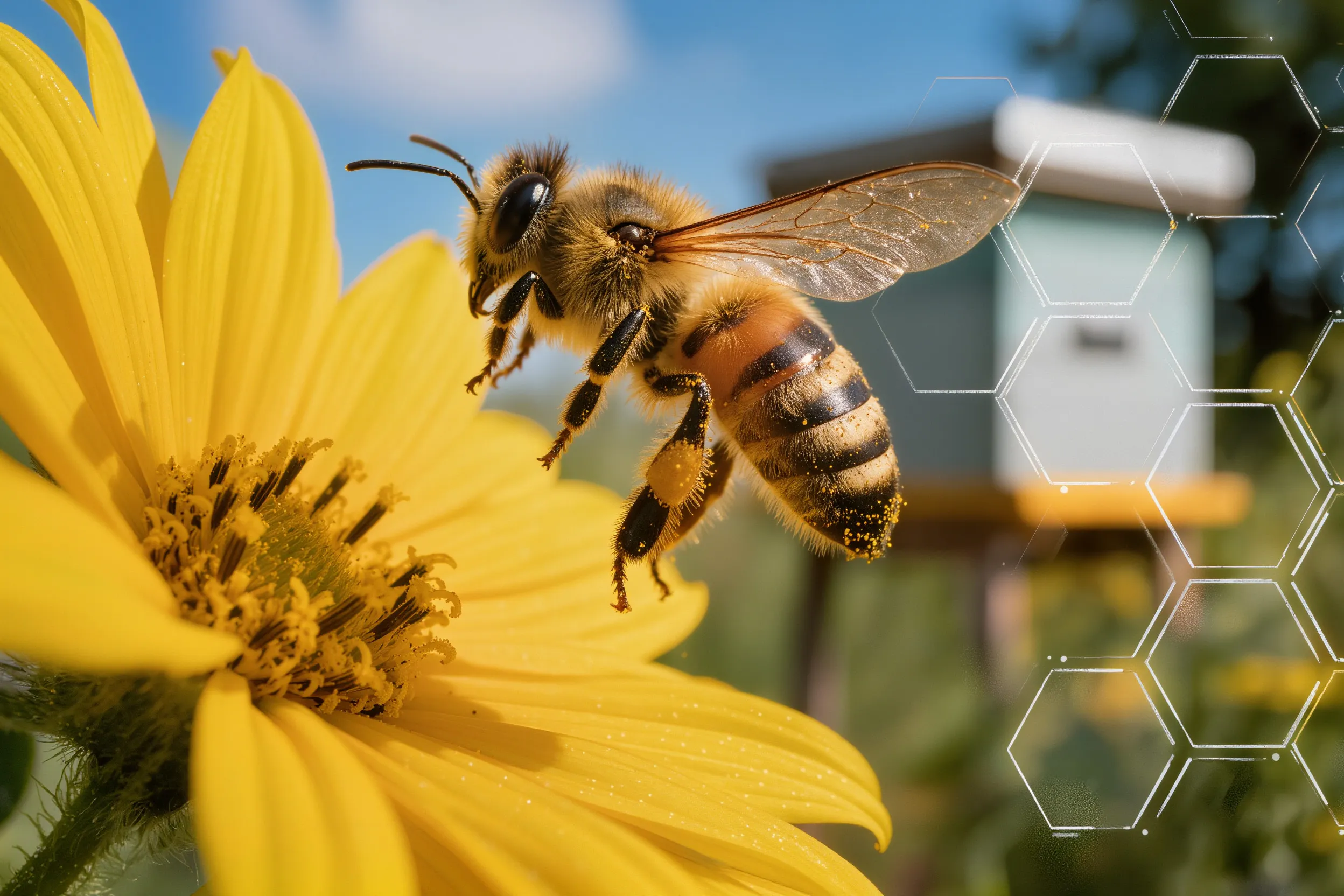
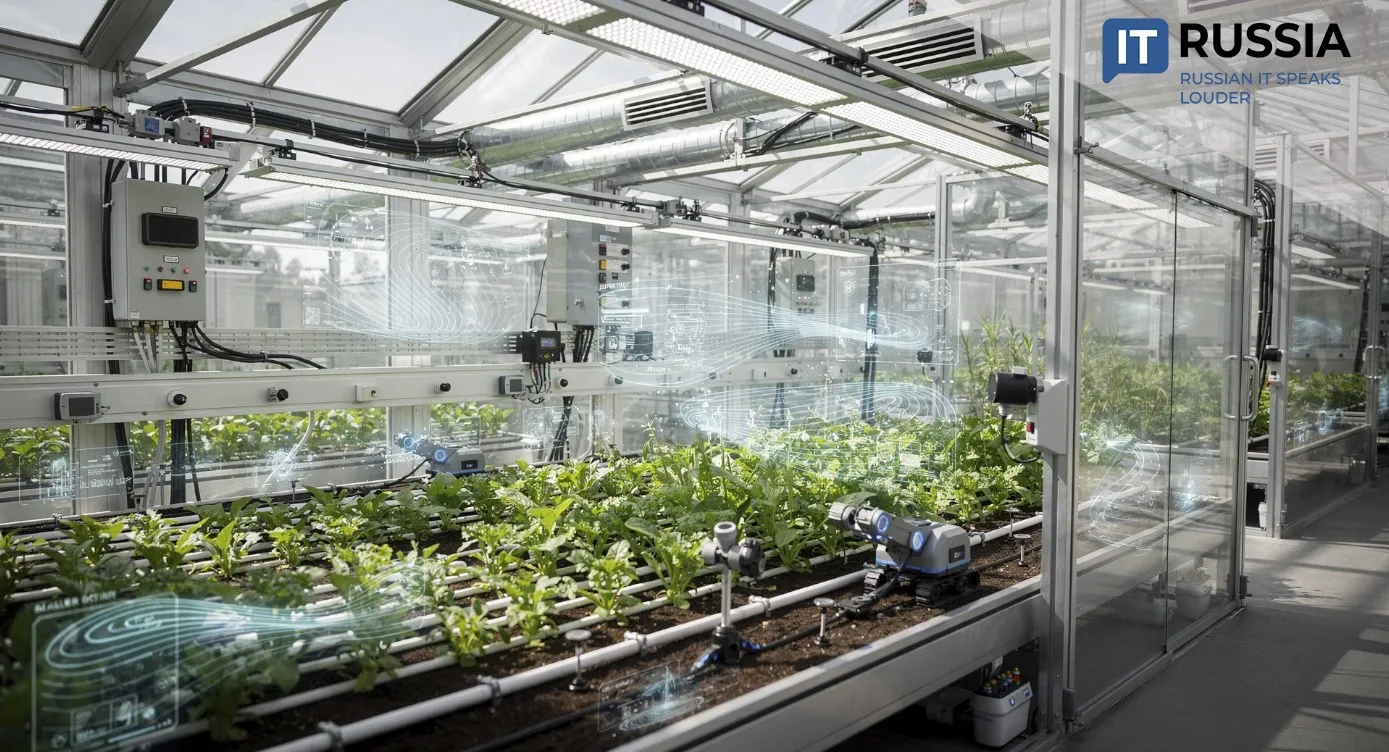
The defining feature of a smart hive is a digital system for remote condition monitoring. A multifunctional sensor mounted inside the hive measures temperature, humidity, and weight. These parameters help maintain an optimal microclimate, while the collected data is transmitted to a base station. The Babichev beekeepers can now receive real-time information about hive conditions online. Artificial intelligence analyses the sounds made by the bees and provides actionable recommendations.


The Advantages of AI-Enabled Apiaries
The goal of professional beekeeping is to maximise both honey quality and volume. Artificial intelligence helps address both objectives. Beekeepers no longer need to constantly inspect hives or closely track weather conditions to determine the optimal harvest time. AI makes it possible to forecast production volumes in advance.
A modern digital apiary enables several key functions: tracking honey accumulation in combs using weighing platforms; monitoring bee activity and queen behaviour through cameras and microphones; and maintaining ideal conditions inside the hive via temperature and humidity sensors. In addition, data from satellite systems can be used to assess floral coverage around the apiary.
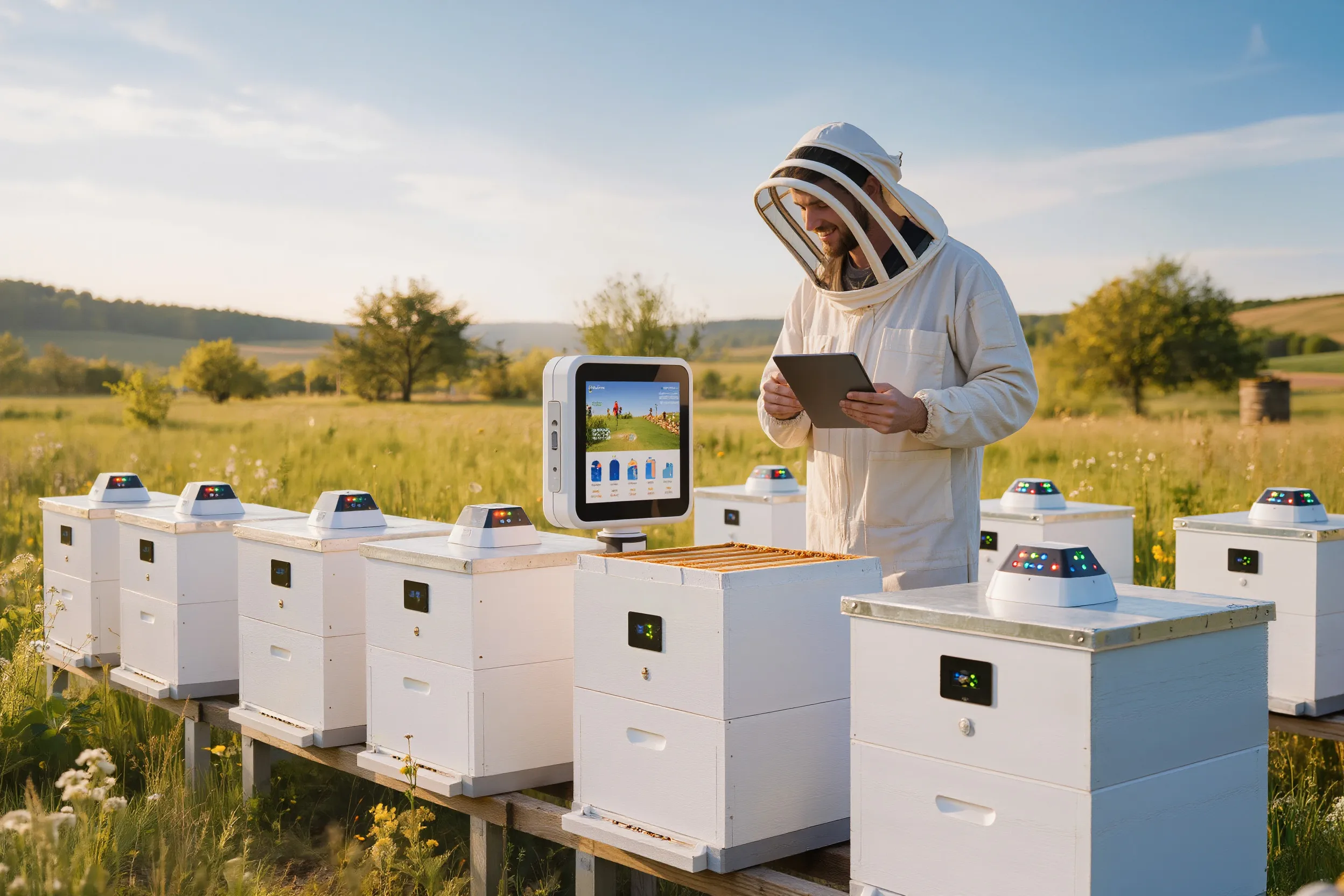
Neural networks can analyse hundreds of parameters simultaneously. AI algorithms identify which colonies are active and which require support. The system advises when to replace frames, add supplementary feeding, or focus attention on weaker hives. As a result, AI enables beekeepers to harvest honey at peak maturity, increasing overall apiary productivity by 20–30 percent.
Digital Beekeeping in Russia
Smart beekeeping technologies are actively being developed and deployed across Russia. The Russian telecommunications company Rostelecom has offered beekeepers a solution known as Tsifrovoy Uley (Digital Hive), created as part of the Territoriya (Territory) project. The system allows real-time remote monitoring of bee colonies. It has undergone pilot testing in seven regions, including Bashkortostan, Tatarstan, Mordovia, Chuvashia, and the Tyumen, Leningrad, and Tver regions.
Scientists at Yaroslav-the-Wise Novgorod State University have patented a smart hive design, supported by a grant from Russia’s Ministry of Science and Higher Education. The hive features an intelligent monitoring system that enables beekeepers to automate care processes, including providing supplementary feeding during winter.
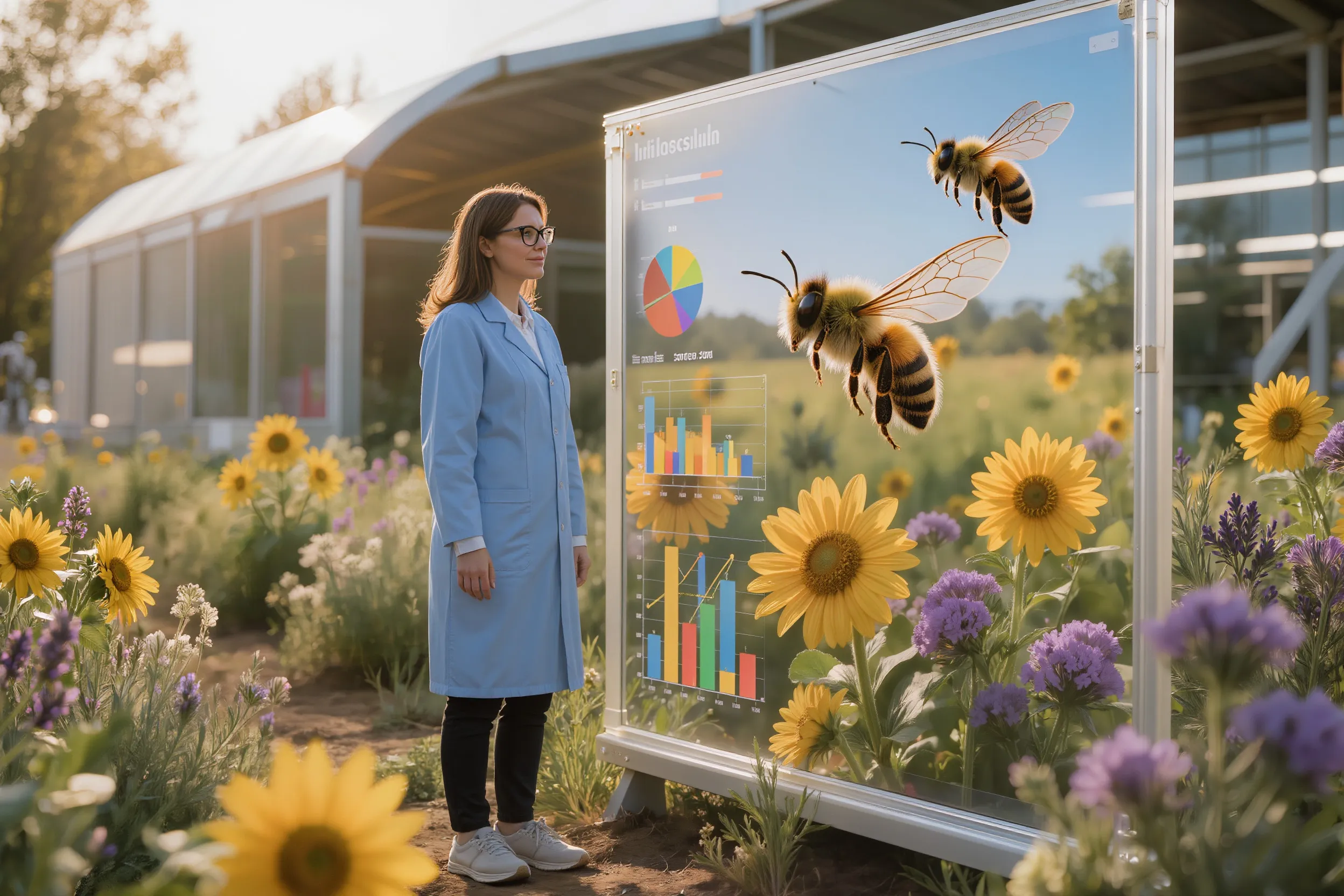
In effect, the adoption of smart hives by beekeepers in the Stavropol region represents another step toward large-scale digitalisation of the sector. Continuous monitoring and early detection of problems make honey production more stable and increase resilience to adverse conditions, while also improving product quality.
Over the next few years, industry-wide data platforms are expected to emerge, forming the foundation for AI-driven solutions and fully integrated smart apiary systems. After adaptation, these technologies could find demand in international agricultural markets seeking to develop domestic honey production.