Nornickel Tests an AI Dispatcher for Underground Mining Equipment
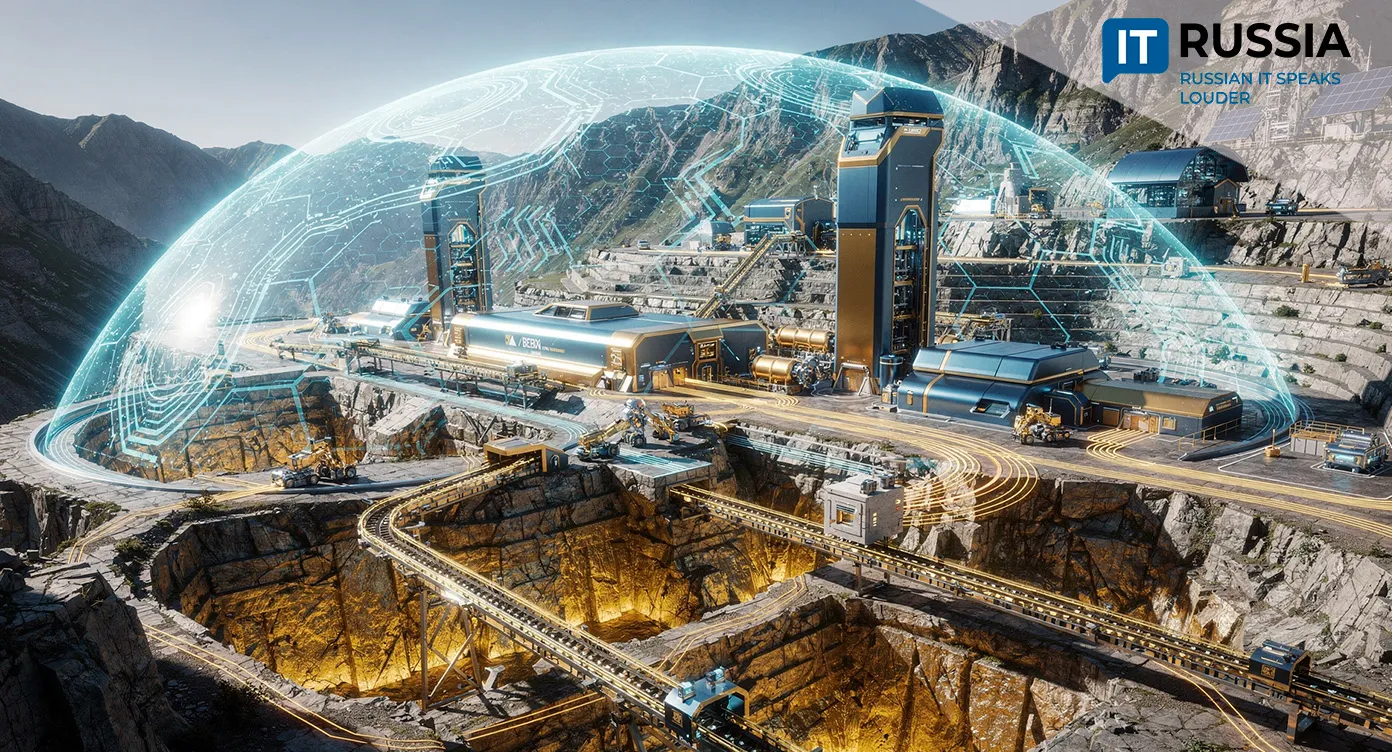
Russia’s largest mining and metals company is piloting an AI-driven dispatch system designed to optimize the operation of underground mobile equipment, marking another step toward smart mining at scale.
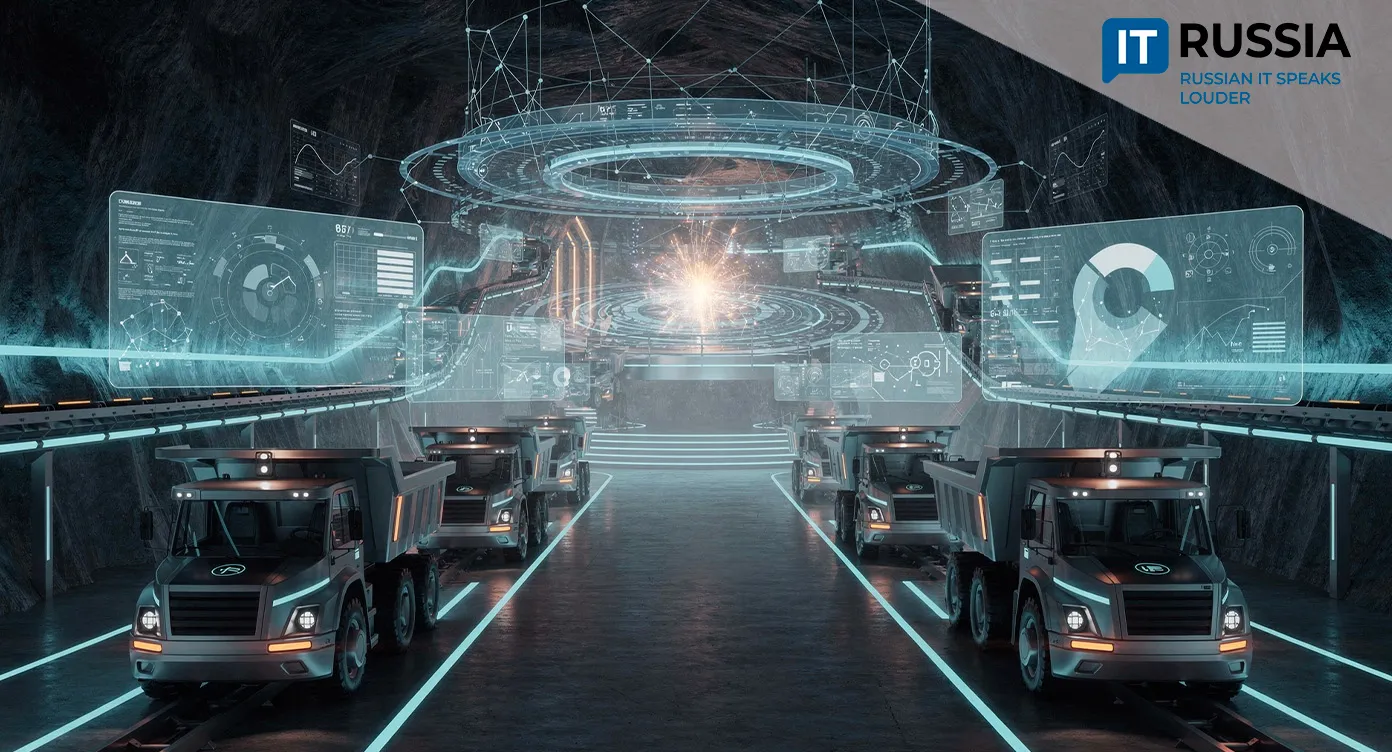
Optimization and Efficiency
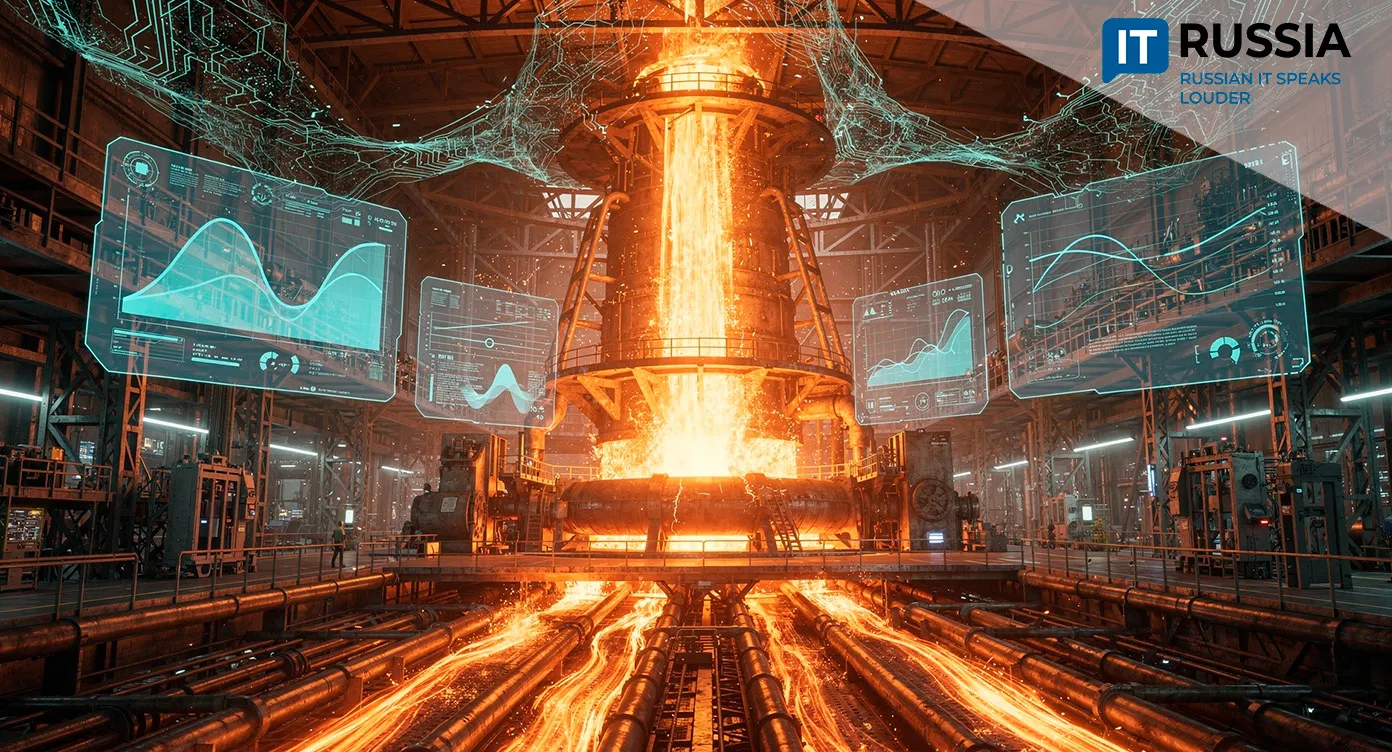
Nornickel is testing and plans to roll out a digital dispatch system for underground mining equipment across its mining operations. The system collects real-time data from sensors installed on self-propelled machinery operating underground.
Nornickel’s experience stands out for its scale. Dozens of different types of mobile units operate at its sites – from concrete mixers and fuel tankers to buses and service vehicles. A significant portion of this fleet works underground, where operators do not always have clear visibility into where equipment is in short supply and where it is sitting idle. To address this challenge, the company launched a system specifically designed to analyze downtime.
Sensors on each piece of equipment transmit data into a unified platform, where fragmented signals are consolidated into a single operational picture. This allows dispatchers to make faster and more informed decisions. Following industrial trials, the system is expected to be deployed at full scale in the second half of 2026. Operators will be able to see the entire underground fleet on a single screen, dynamically redistribute vehicles, eliminate organizational bottlenecks, and reduce idle time.
The project’s primary objective is to optimize transport operations, reduce downtime, and improve overall efficiency. At the same time, it forms part of a broader push toward industrial digitalization and the adoption of smart mining technologies – including the Internet of Things, data analytics, and automation – across Russia’s mining sector.
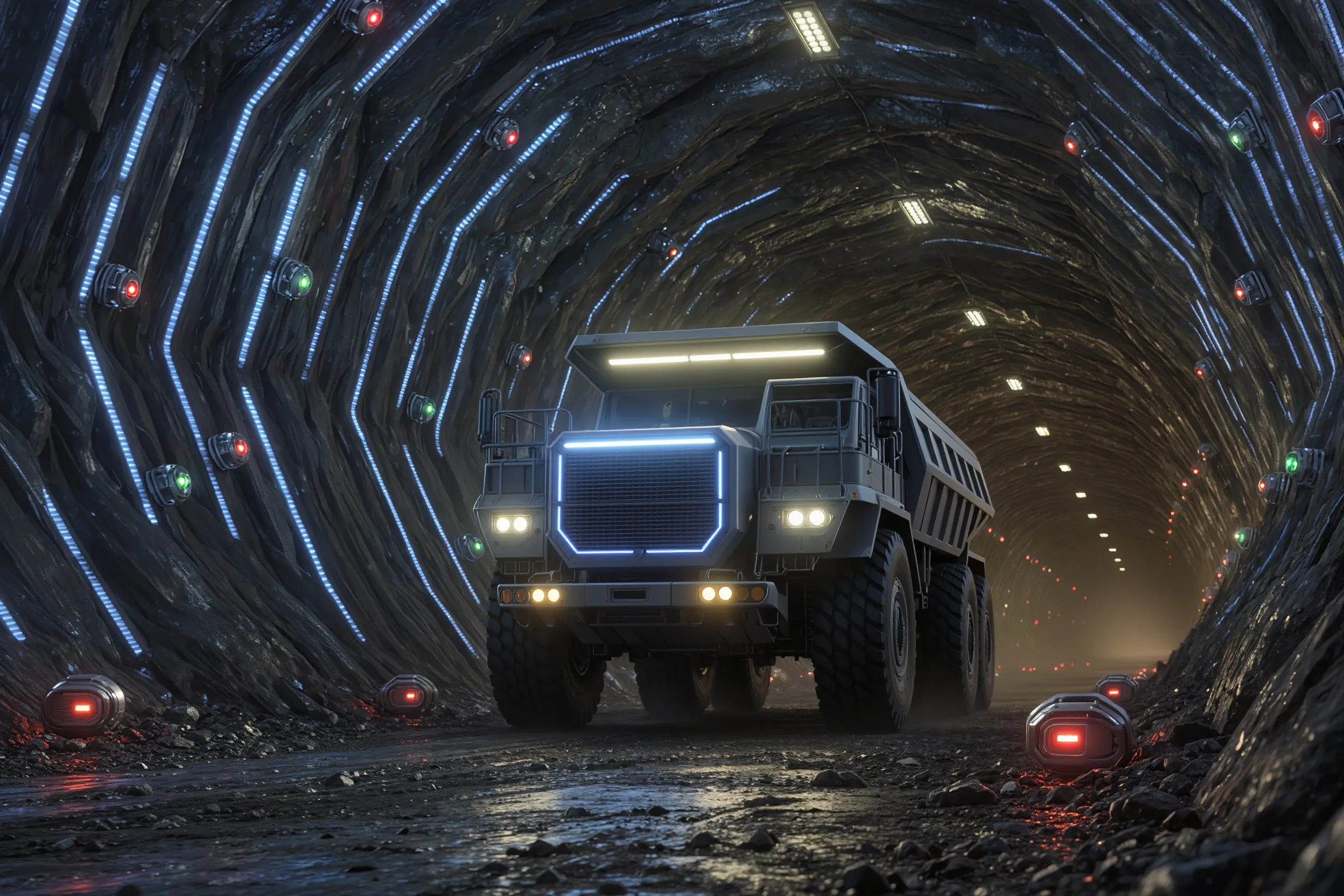
Digital Mining 2025–2026
According to analysts, the mining industry is undergoing deep structural change, as algorithms, sensors, and people increasingly function as a single integrated system. Digital technologies have become an integral part of daily operations rather than an experimental add-on.
In Nornickel’s case, the dispatch system could evolve into a full-scale fleet management platform with predictive analytics, including failure forecasting and route optimization. AI modules may also be integrated to support dispatcher decision-making. Ultimately, the technology represents a step toward a fully digital mine, with remote control capabilities and large-scale data analytics at its core.


As mining companies worldwide transition to digital equipment management solutions, platforms of this kind are increasingly in demand on the global market, particularly for large international projects. In the longer term, the product could have export potential, provided it is adapted to different geological conditions, regulatory frameworks, and operational standards in line with local market requirements.
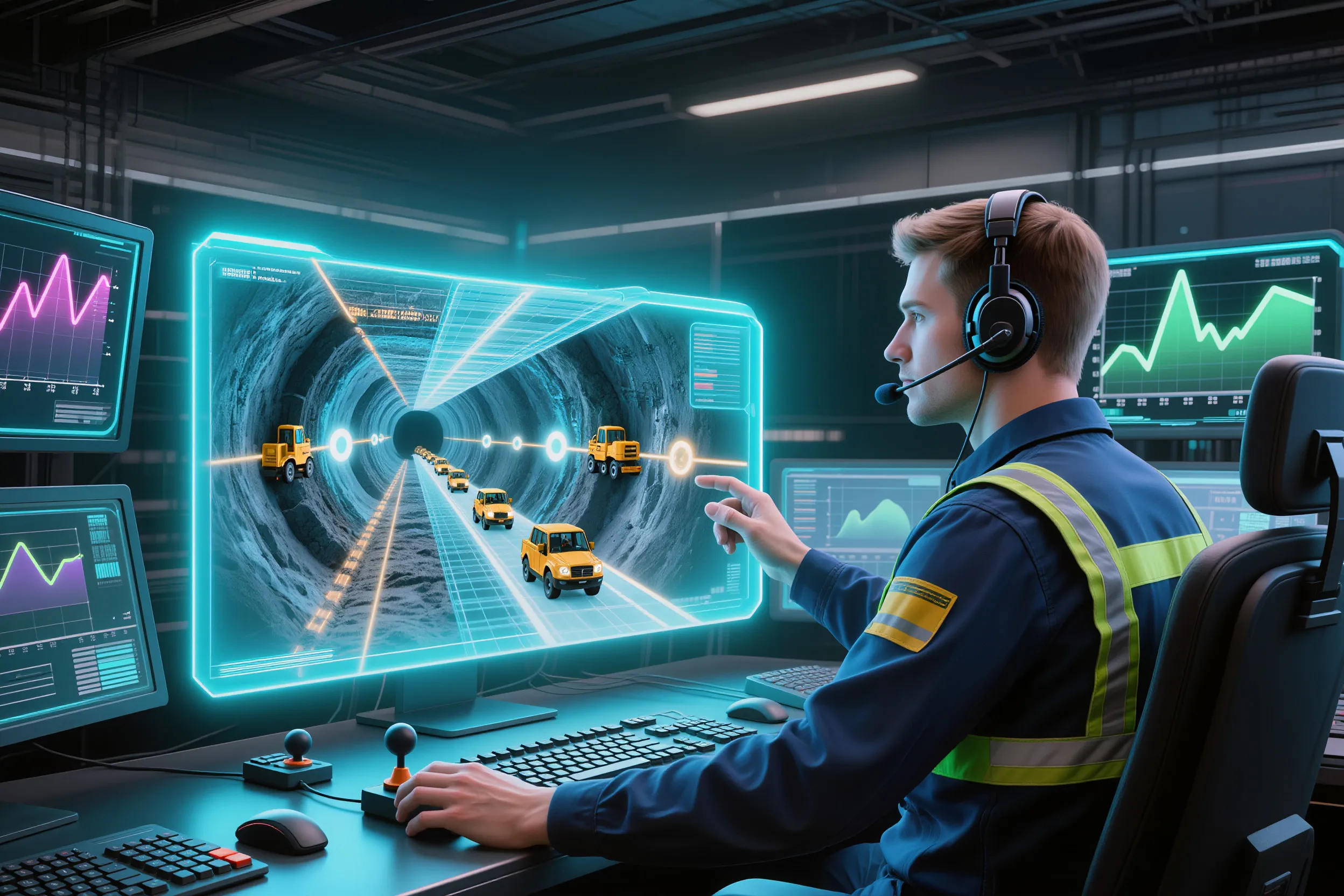
However, the current deployment faces several challenges. Underground infrastructure imposes constraints related to connectivity, power supply, and sensor reliability. Scaling the system will require significant capital and operating expenditures. Additional hurdles include workforce training and the need to redesign established production processes.
AI Across the Enterprise
Today, artificial intelligence is deployed across nearly all of Nornickel’s operations. New technologies are helping optimize production processes, stabilize equipment performance, and prevent overloads. In 2024, AI-based solutions delivered an estimated economic effect of $100 million, enabling a new level of production optimization. Plans for 2025 are even more ambitious.
Neural networks are capable of detecting anomalies that are impossible for humans to track manually. For example, when legacy equipment is replaced with new machinery, models are retrained and adapt autonomously to changing conditions. Daniil Ivashechkin, head of AI development at Nornickel, notes that no human can monitor tens of thousands of parameters simultaneously: “We analyze enormous volumes of data, identify anomalies, and respond immediately. We managed to align closely with production teams and learned to implement artificial intelligence not just to prove that the technology works, but to jointly develop algorithms that help both the company and individual sites operate more efficiently.”
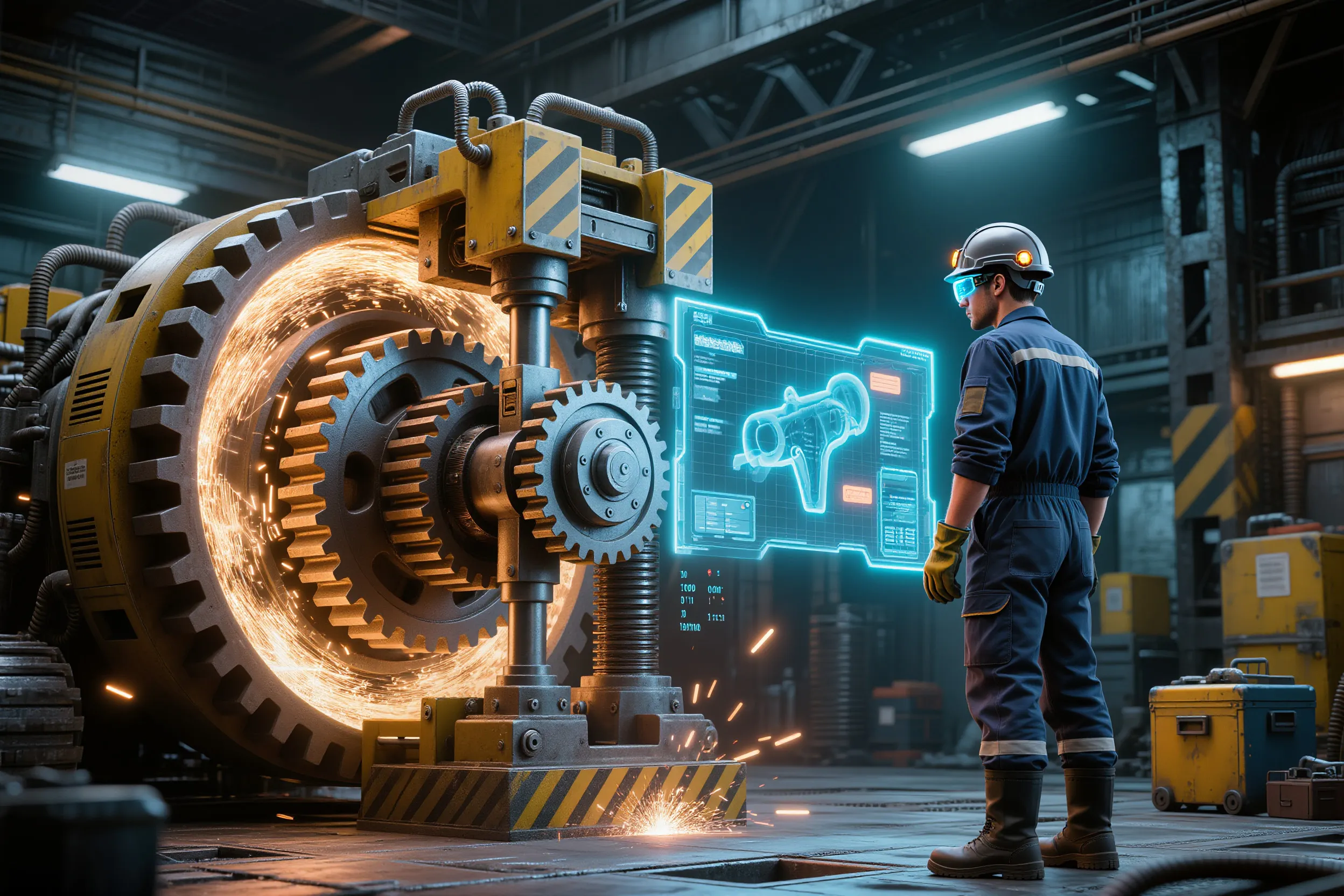
The company’s digitalization efforts have a long history. In 2020, Nornickel launched the Underground Infrastructure and Dispatching program, one of the largest initiatives of its kind in Russia. In 2023, the company publicly reported the deployment of analytical platforms and video analytics to optimize technological processes.
Over the past three years, operational intensity has increased, while mining has moved progressively deeper underground. In this context, the digital dispatcher project represents a critical step in the development of smart mining in Russia. It enhances operational efficiency, reduces equipment downtime, and prepares the company for deeper integration of digital technologies. Between 2026 and 2028, systems of this kind are expected to become standard across Russia’s mining industry.