

From Blast Furnaces to Algorithms
Metallurgy is entering a new phase of digital transformation. At EVRAZ, predictive analytics and industrial AI are reshaping how steel and alloy production is managed, delivering measurable gains in efficiency, reliability, and cost control.
Metallurgy 4.0 in Practice
Metallurgy has long been associated with massive blast furnaces, molten steel, and physically demanding labor. Behind the scenes, however, a quiet shift is underway. Production management is increasingly moving from human-driven decisions to intelligent systems capable of anticipating events before they occur.
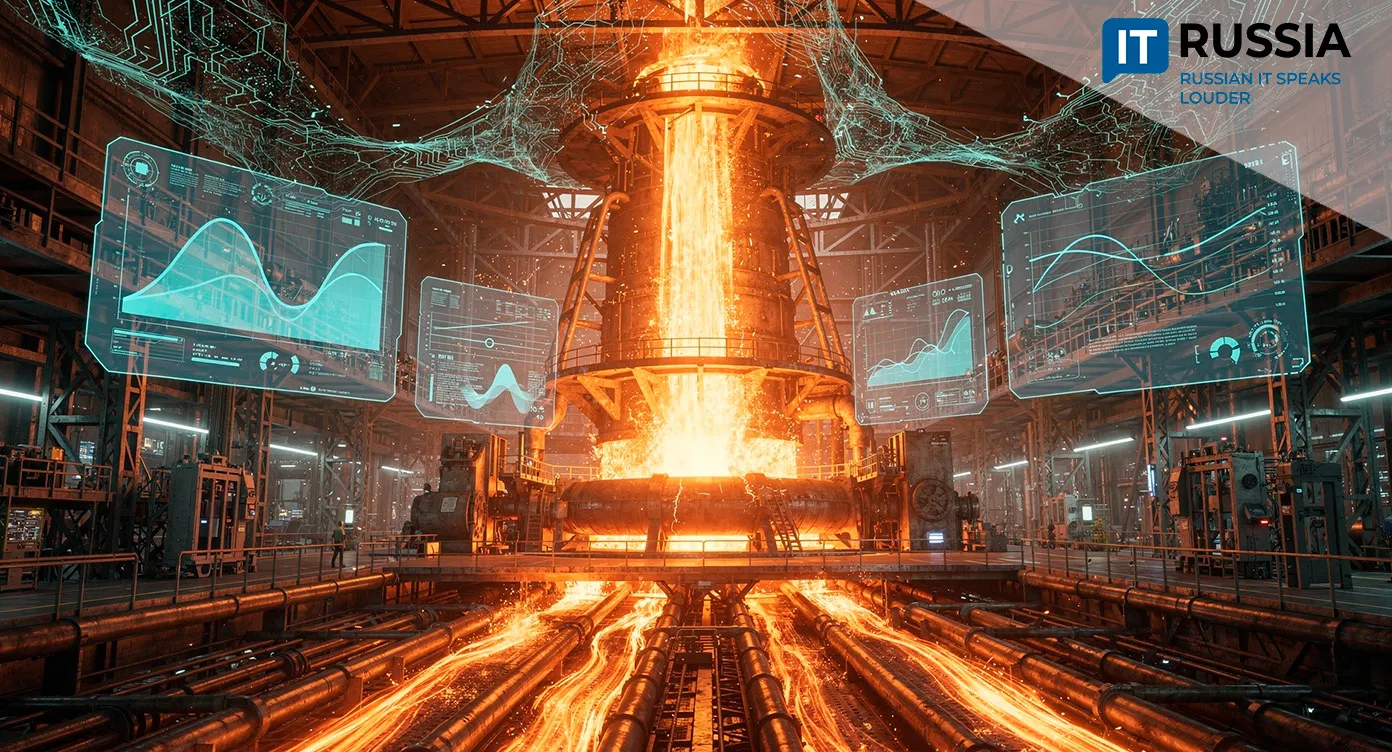
A clear example comes from the EVRAZ Vanadium facility in the Tula region, where a digital advisory system has recently been deployed to manage the roasting of vanadium ore. The system analyzes six key parameters in real time – furnace temperature, gas and air consumption, charge moisture, and material feed modes – and warns operators in advance about the risk of deviations from the process regime. Instead of responding to failures after they happen, engineers receive corrective recommendations hours before a potential incident. The result is reduced downtime, greater process stability, and improved product quality.
Savings Measured in Millions of Dollars
This project is not an isolated pilot, but part of EVRAZ’s broader digital transformation strategy. The company began digitizing its operations as early as 2017 and, since 2020, has shifted toward large-scale deployment of solutions with direct economic impact. Today, EVRAZ runs more than 100 digital projects each year. Their combined effect generates between $100 million and $150 million annually, with an average payback period of less than one year – a benchmark few global industrial players achieve.

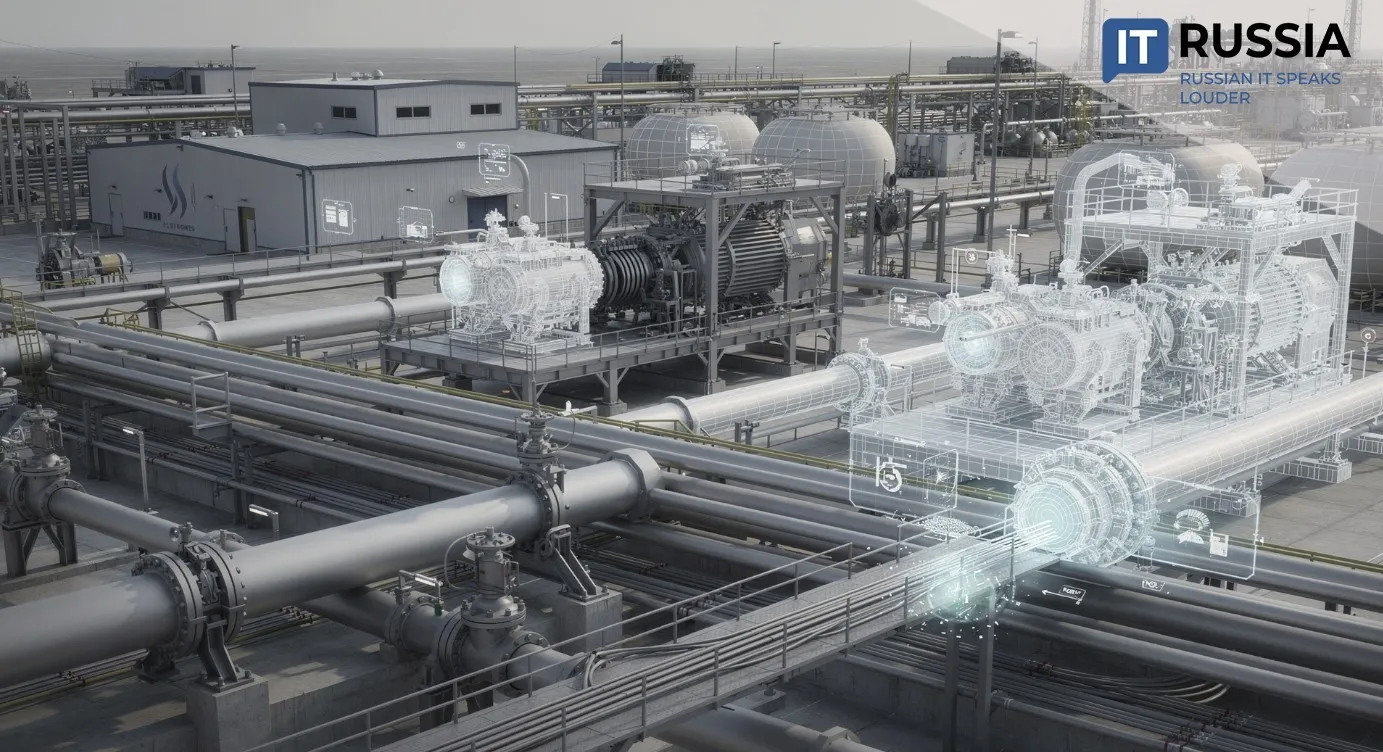
Predictive analytics has become one of the company’s core focus areas. At EVRAZ NTMK in Nizhny Tagil, a failure prediction system has been operating since late 2020 on three continuous casting machines. By analyzing sensor data, algorithms forecast malfunctions, reducing downtime by 135 hours per year on one casting line alone and by dozens of hours on others. Since 2019, EVRAZ ZSMK has been running a predictive diagnostics project at the West Siberian CHP plant in Novokuznetsk. About 1,500 sensors monitor temperature, vibration, and noise, while algorithms predict when equipment is likely to fail. This is critical for a facility that supplies heat and hot water to the steelworks and two major districts of the city. At the Abagur beneficiation plant, a monitoring project launched in 2024 covers nearly 20 kilometers of slurry pipelines. Sensors tracking wall thickness, pressure, vibration, and radar level measurements are integrated into a single system, enabling maintenance planning up to a year in advance and nearly eliminating unplanned shutdowns.


Technological Sovereignty, Down to the Details
Behind these numbers lies a deeper shift in production culture. EVRAZ is moving consistently from reactive management, where decisions are made after problems arise, to a proactive model built on forecasts. This transition requires not only advanced technology, but also data transformation. All management levels – from shop-floor supervisors to top executives – now work with unified, automatically collected indicators, eliminating discrepancies in reports and interpretation.

Applied AI is developing in parallel. Charge composition optimizers identify where ferroalloy consumption can be reduced without compromising quality. Computer vision systems monitor coke quality. The Geometallurgy project at the Kachkanar Mining and Processing Plant improves iron recovery from vanadium-bearing ore by digitally averaging quality parameters across all stages, from the pit to the sinter plant.
Import substitution in core automation is also gaining importance. Around 90% of sensors purchased for EVRAZ facilities are now domestically produced. New projects prioritize Russian solutions, strengthening the technological sovereignty of the industry. At the same time, IT expertise is becoming more deeply embedded at production sites. Engineers and developers work as a single team, creating systems tailored to the realities of heavy industry.
A New Level for Russian Metallurgy
Deploying digital solutions like the EVRAZ Vanadium advisory system has multi-layered significance. For metallurgy, it marks a shift from reactive to proactive operations, improving efficiency, reducing costs, and enhancing product quality. For the Russian IT sector, it provides a real-world industrial case for predictive analytics and industrial AI. For the national economy, it strengthens production stability and opens opportunities to lower material costs.

The experience of EVRAZ Vanadium and other group facilities lays the groundwork for scaling predictive solutions across both ferrous and non-ferrous metallurgy in Russia. Competencies in industrial analytics, data visualization, and user interfaces create export potential for Russian IT developments, particularly in countries with growing metallurgical industries.
EVRAZ’s digital transformation represents a systemic move toward a new production paradigm – safer, more efficient, and more resilient. At a time when global investment in digital technologies is accelerating, such projects help shape the future not just of individual plants, but of the entire national industrial sector.