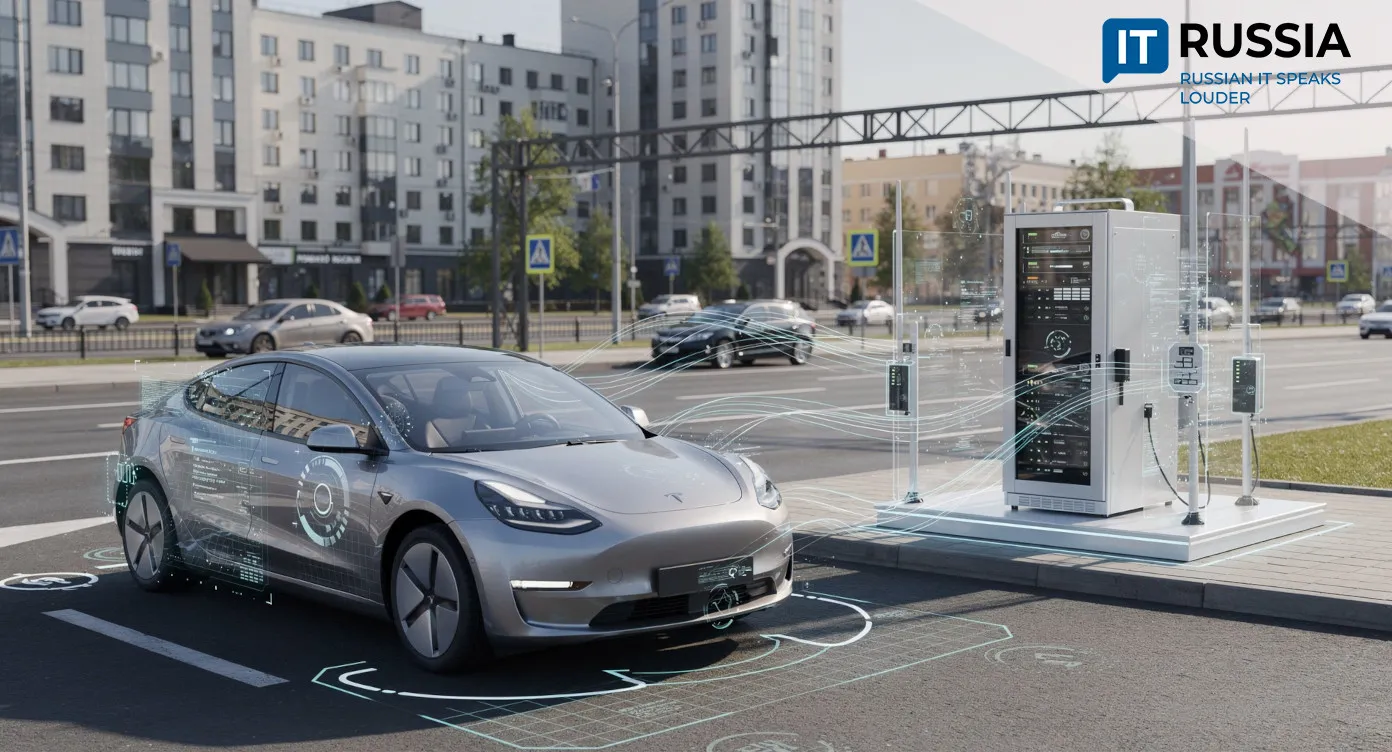


An Intelligent “Dozor” Comes to Angarsk
In the Angarsk Urban District of Russia’s Irkutsk Region, a hardware and software system powered by artificial intelligence has gone live to automatically monitor public order across the city.

How “Dozor” Detects Violations
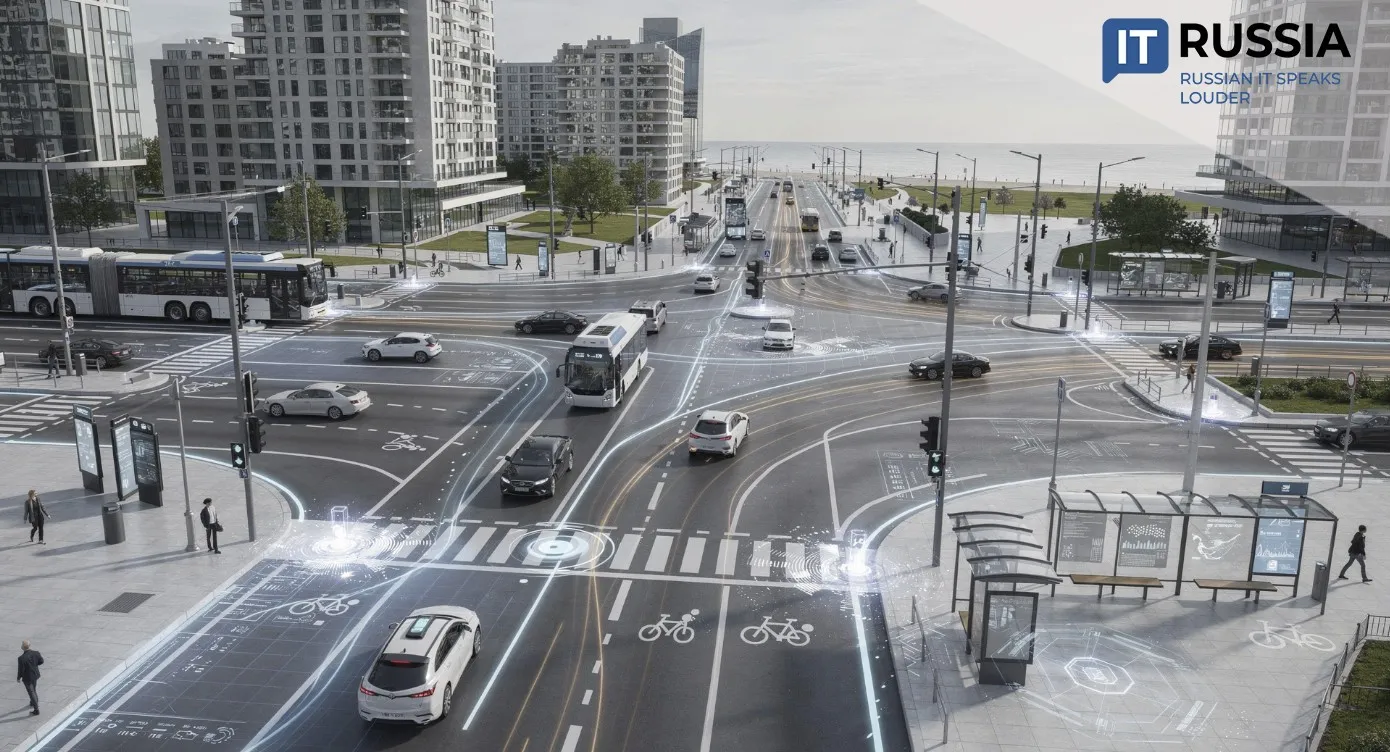
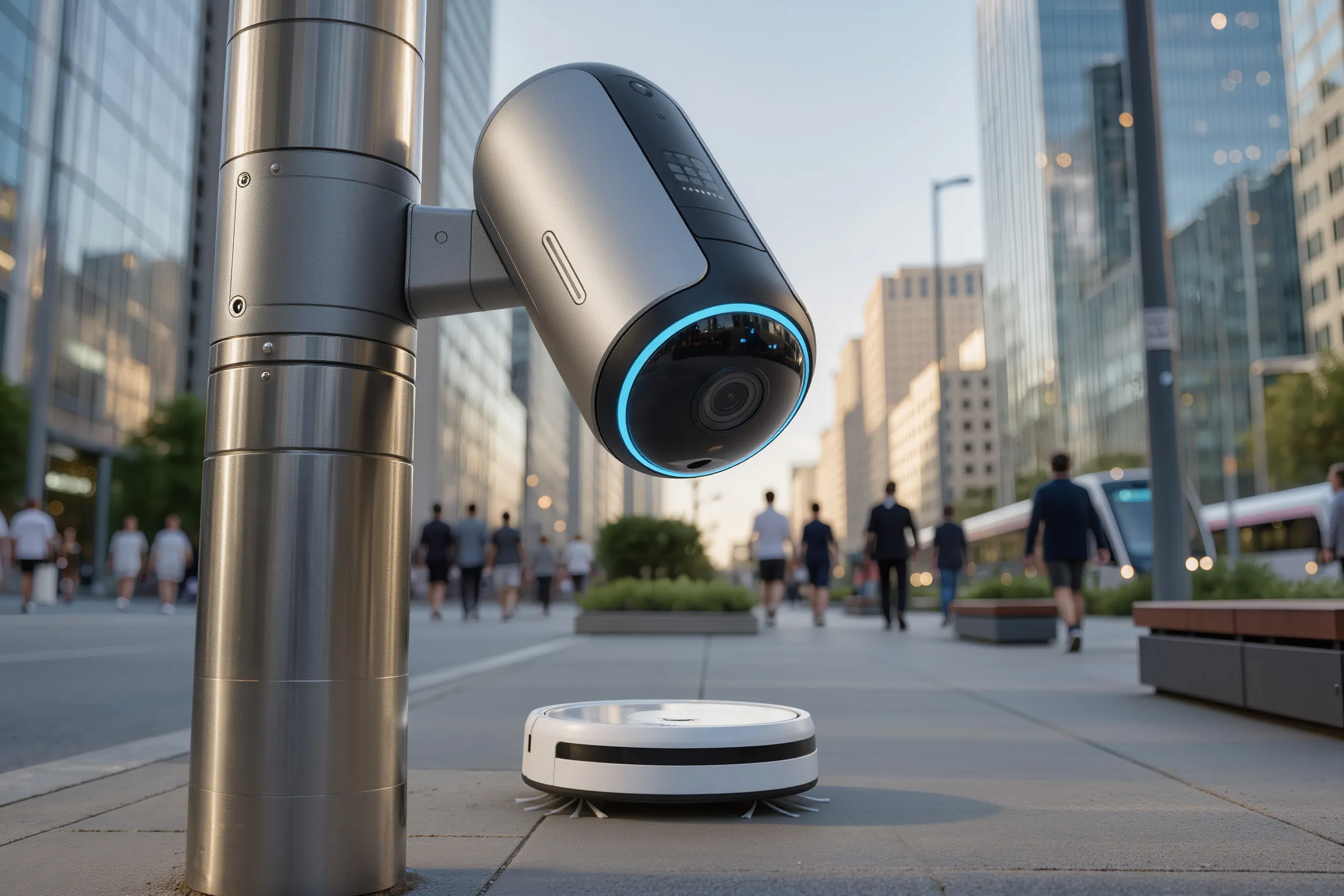
At its core, the innovation is both simple and effective: a network of video cameras combined with AI algorithms detects urban-environment violations without human involvement. The system can recognize up to 30 types of infractions – ranging from overflowing waste collection sites to illegal parking. Once a camera flags a violation, the data is automatically transmitted to the local administration, where penalty notices are generated through Gosuslugi (Unified Public Services Portal).
The significance of the project is clear. First, it represents a major step toward automating routine oversight: inspectors are freed from constant patrols and manual checks. Second, the system operates around the clock and without bias, increasing the objectivity of enforcement. Third, for residents and businesses, it sends a clear signal that compliance is now monitored continuously rather than sporadically, which is expected to improve discipline. Finally, municipalities gain a tool that not only improves cleanliness and order but can also increase budget revenues through fines.
For the Angarsk district, this is the first project of its kind in the Irkutsk Region to integrate AI so systematically into urban environment management. This makes Angarsk a regional pilot site for testing the technology at scale.
Where “Dozor” Is Headed
The system has clear potential for scaling. Across Russia, many municipalities still rely on labor-intensive and uneven manual monitoring of public spaces. Deploying similar AI-driven solutions could significantly reduce the burden on inspection services while improving the overall quality of the urban environment.
A key factor behind the project’s effectiveness is its integration with government digital services such as Gosuslugi (Unified Public Services Portal). This connection accelerates administrative procedures: from the moment a violation is detected to the issuance of a penalty notice, minimal time passes, and the process becomes transparent for both authorities and citizens.


At the international level, the technology aligns with the global smart city trend. In many countries, AI is already used to monitor street cleanliness, waste collection, and compliance with parking rules. However, entering foreign markets would require substantial adaptation – first and foremost to local legislation governing personal data, video surveillance, and the legal validity of automated enforcement. In addition, the market is far from empty, with established international developers offering mature solutions.
Looking ahead, Dozor’s functionality could expand further. The system may learn to identify additional types of violations, operate reliably in challenging weather conditions, integrate with IoT sensors such as smart waste containers, and connect to analytical platforms. In an ideal scenario, Dozor would become part of a unified smart city system where AI not only records violations but also predicts them, allocates maintenance resources, and optimizes the work of municipal services.

From Moscow to Tokyo
Over the past five years, AI-based systems for monitoring the urban environment have become a routine element of municipal governance in Russia and worldwide. In major Russian cities – including Moscow, Kazan, and Yekaterinburg – video analytics are used to detect traffic violations, manage parking, and support public order. These solutions typically rely on computer vision and are integrated with existing video surveillance networks.
Pilot projects for automated monitoring of road infrastructure and public spaces have also reportedly been launched in cities such as Rostov-on-Don, Novosibirsk, and Krasnoyarsk. As a rule, their purpose is to reduce the workload on municipal services and improve the speed of response to violations.
Abroad, the experience is even broader. In the European Union and across Asia, AI systems are widely used to monitor street sanitation – automatically identifying garbage accumulation and tracking the cleanliness of sidewalks and courtyards. In the United States and Japan, similar technologies are being tested within projects aimed at optimizing urban logistics and maintenance. The underlying logic is universal: to replace or complement human oversight with digital tools, making cities cleaner, safer, and more manageable.
What Comes Next
The deployment of Dozor in Angarsk is not merely a local experiment but a concrete example of how AI can address everyday urban challenges.
Over the next one to three years, similar technologies are likely to spread to other Russian municipalities, particularly medium-sized and large cities where the need for digital governance is most acute. Success will depend on several factors: the accuracy of AI recognition, the clarity of the legal framework for automated enforcement, and cities’ willingness to invest in supporting infrastructure.
If Dozor proves effective, it could become a template for wider adoption. Its functionality can be adapted to different types of violations, integrated with other AI platforms, and incorporated into a unified smart city ecosystem. In that case, maintaining public order would shift from a routine obligation to an intelligent process in which technology works for residents, and the city becomes genuinely more manageable and comfortable.