

Homegrown Instead of Imported: Building a Domestic Tech Stack for a Major Bank
Vulnerabilities in banking critical infrastructure carry the risk of losing billions of rubles and the trust of millions of customers. That is why Russian banks are replacing Western operating systems and databases with domestic alternatives. The number of successful migrations is growing. This week, software company Diasoft announced it had completed the transition of one of Russia’s largest systemically important banks to a fully domestic technology stack.

A One-of-a-Kind Migration
The project involved a full replacement of the core banking information system. The bank migrated from Microsoft Windows to the Russian operating system Astra Linux and from Microsoft SQL Server to the domestic DigitalQ.DataBase platform. As a result, the Depository system, which accounts for transactions across more than 500,000 accounts for roughly 100,000 active clients, no longer depends on Western vendors. Another deployed product, Obyazatelnaya otchetnost (Mandatory Regulatory Reporting), automatically consolidates data into reports that comply with Central Bank of Russia requirements.
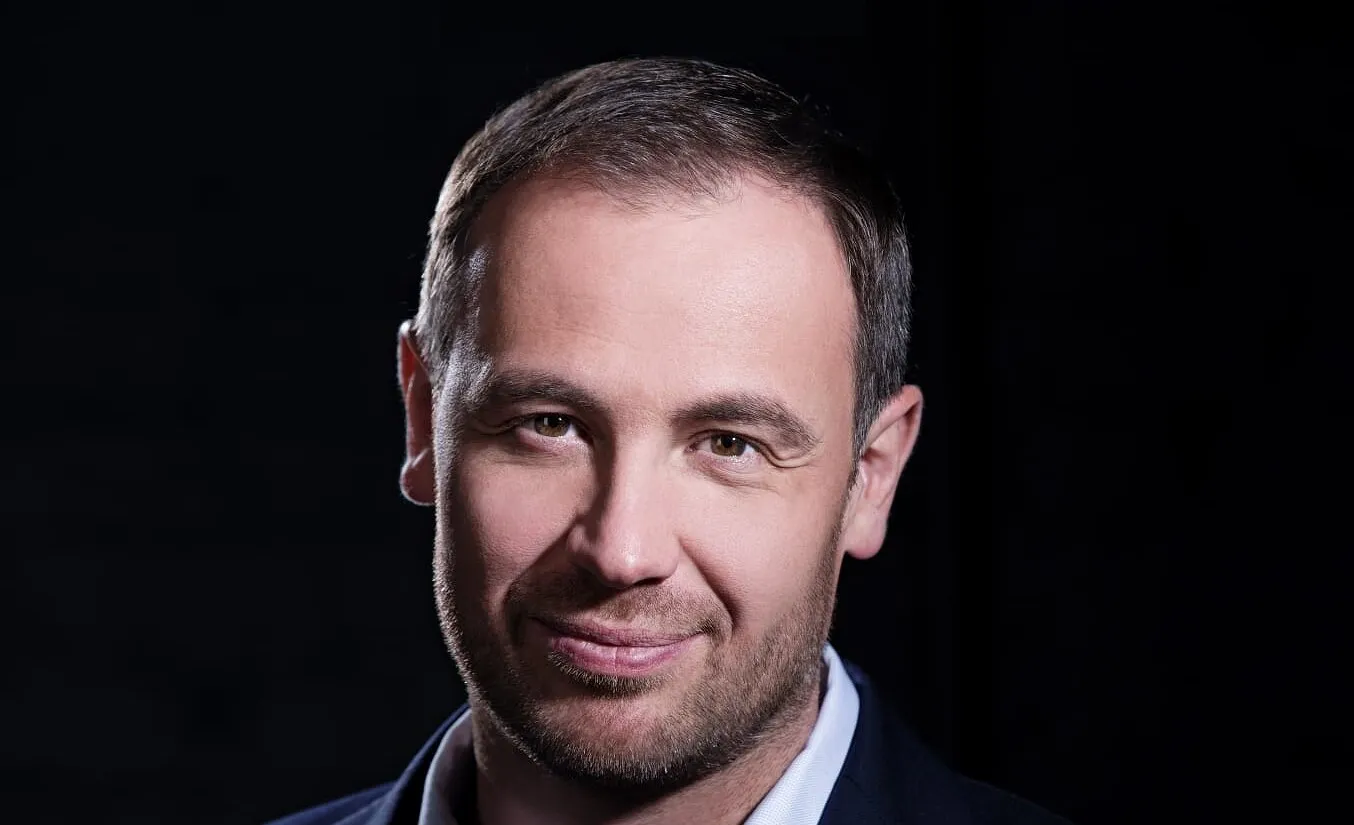
“The import substitution project itself is unique. For the first time, we completed a full replacement of all core elements of the technology stack with domestic counterparts. Over the course of a year, a team of more than 50 IT specialists from different Diasoft divisions deployed several solutions in parallel and met the agreed timelines,” said Maksim Seleznev, head of the Depository solution at Diasoft.

Reducing Force Majeure Risk
The project demonstrates not just the viability but also the high efficiency of domestic IT solutions for the financial sector. Diasoft now plans to roll out similar projects with other banks. The initiative is part of a broader trend of reducing reliance on foreign suppliers in systems that are critical to national financial stability.

For customers, these technical changes are largely invisible. But they increase the resilience of everyday services such as transfers, deposits, and payments to external shocks. When the databases and operating systems managing financial assets are under the control of national developers and regulators, the risk of force majeure scenarios drops sharply.

Deadlines Drive Investment
Import substitution in financial IT infrastructure is supported by the national program Ekonomika dannykh i tsifrovaya transformatsiya gosudarstva (Data Economy and Digital Transformation of the State), as well as a set of regulatory requirements. The Ministry of Digital Development has approved a transition schedule requiring state-owned companies and systemically important enterprises to move to domestic operating systems, office software, and antivirus solutions by 2025. From 2026, the use of Russian databases will become mandatory, and by 2030 organizations are expected to complete a full transition to domestically developed software and hardware.
Clear regulatory deadlines create a predictable market for developers and encourage long-term investment in national technology platforms.
Sovereignty as a Growth Platform
Diasoft’s flagship project demonstrates a broader point: domestic technologies are capable of supporting a resilient financial infrastructure without sacrificing functionality or performance. Digital sovereignty is no longer just a defensive strategy. It is becoming a foundation for sustainable growth, as banks gain confidence to invest in new services and products.
Over the next two years, migration to Russian technology stacks is expected to accelerate. At the same time, the Digital Q solution portfolio is likely to expand beyond banking into areas such as insurance and public administration.

Domestic software is emerging as a mature, secure, and efficient foundation for the digital economy.