AI Becomes a Personal Housing Advisor for Nearly One Million Homeowners in Russia’s Yugra Region
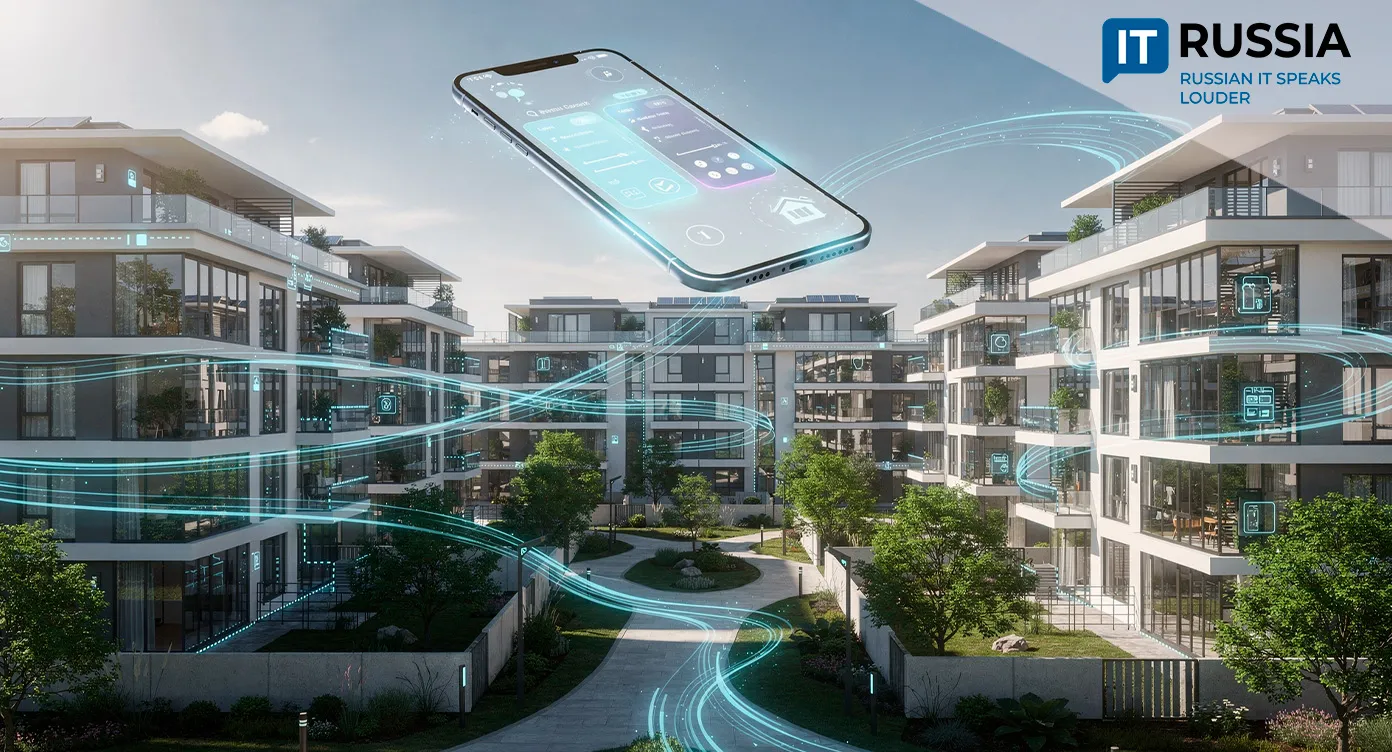
In Russia’s Khanty-Mansi Autonomous Okrug – Yugra, authorities have launched a service that is unique for the country: an AI-powered digital assistant that now acts as a personal housing consultant for almost one million property owners.

From Call Centers to Conversational AI
The project was implemented by Sber, via its subsidiary platform Doma.ai, in partnership with the Yugra Capital Repair Fund. The assistant is available through a Telegram bot and operates 24/7. Using it is straightforward: residents simply find the bot @doma_ai_kapremont_86_bot on Telegram and start asking questions.
Instead of navigating rigid menus or predefined commands, users can phrase requests freely, such as “When will my building’s roof be repaired?” or “How much do I owe for capital repairs?” The GigaChat neural network processes each query, retrieves data from the fund’s internal systems, and instantly provides a personalized response or helps the user draft an official request.
For residents, this means immediate access to housing information without phone calls or visits to government offices. For the public sector, it translates into a sharp reduction in call center workloads, higher transparency in housing and utilities services, and a new benchmark for citizen-facing digital service quality. For the broader market, the project serves as a pilot demonstrating the real-world application of advanced AI and natural language processing models in government services.
A Regional Pilot With National Potential
The Yugra project is effectively a ready-made case for scaling across other Russian regions, especially those with large multi-apartment housing stocks. Future development points toward deeper integration: connecting the assistant to property registry records, smart meter data, and GIS platforms that visualize infrastructure wear and tear.
Over time, the service could evolve into a unified “smart homeowner assistant,” offering payment notifications, reminders about homeowners’ meetings, and consultations on housing legislation. In this sense, Yugra’s experience illustrates how localized digital pilots can lay the groundwork for nationwide standards in smart urban services.


From Menu Bots to Neural Networks
The Yugra launch is not Russia’s first attempt to introduce AI into housing and utilities, but it is the most large-scale and technologically advanced so far. It represents a natural step in the evolution of digital services for homeowners and property management companies.
Early efforts relied on Telegram and Viber bots created by management companies and regional authorities. These bots followed a menu-based logic, offering predefined answers or document links. Their capabilities were limited, with no real understanding of natural language.

A later breakthrough came with the AI assistant “Gosha,” designed for legal and analytical tasks. Trained on housing legislation, sanitary regulations, and official standards, Gosha could help draft estimates, analyze meeting protocols, or provide legal advice. However, unlike the Yugra solution, it was not integrated with specific regional databases.
In 2025, Wellsoft announced an AI dispatcher aimed at fully automating request handling for property management companies. This system is designed to analyze calls and text messages, route requests, and instantly respond to standard issues such as leaks or water outages. Together, these developments mark a shift from simple information delivery toward full operational automation.
The Era of Smart Housing Services
The launch of the AI consultant in Yugra signals a new phase in the digital transformation of housing and utilities. This is not just another chatbot, but Russia’s first mass-scale service built on an advanced neural network and deeply embedded in the infrastructure of a specific public service. It changes the paradigm from “waiting for a call center response” to “getting an answer in seconds on a smartphone.”

AI assistants trained on region-specific data or on the datasets of large management companies are likely to become standard in major Russian cities. Integration with smart infrastructure will be a defining trend: AI will not only report planned outages but, by analyzing sensor data, will be able to predict failures and automatically initiate service requests.
A distinct IT market segment for housing and utilities is now emerging, where value is created through large language models and their fine-tuning for narrowly defined sectoral tasks. Yugra has effectively set a high bar within this trend.