

How Rosatom’s Overseas Units Switched to a Russian Document Management System
Rosatom has completed the transition of its overseas divisions to a Russian-built electronic document management system. The project has become one of the largest examples of digital import substitution among Russian companies.

Large-Scale Migration Without Downtime
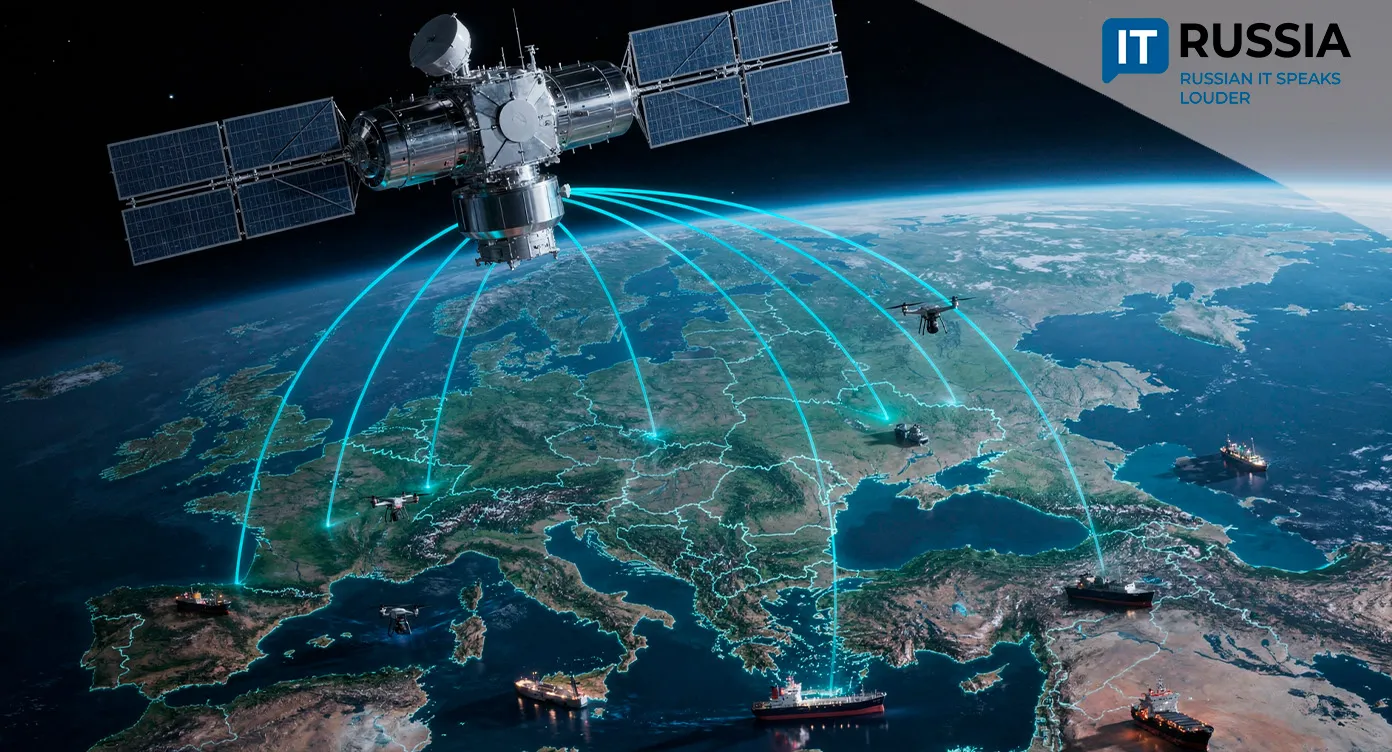
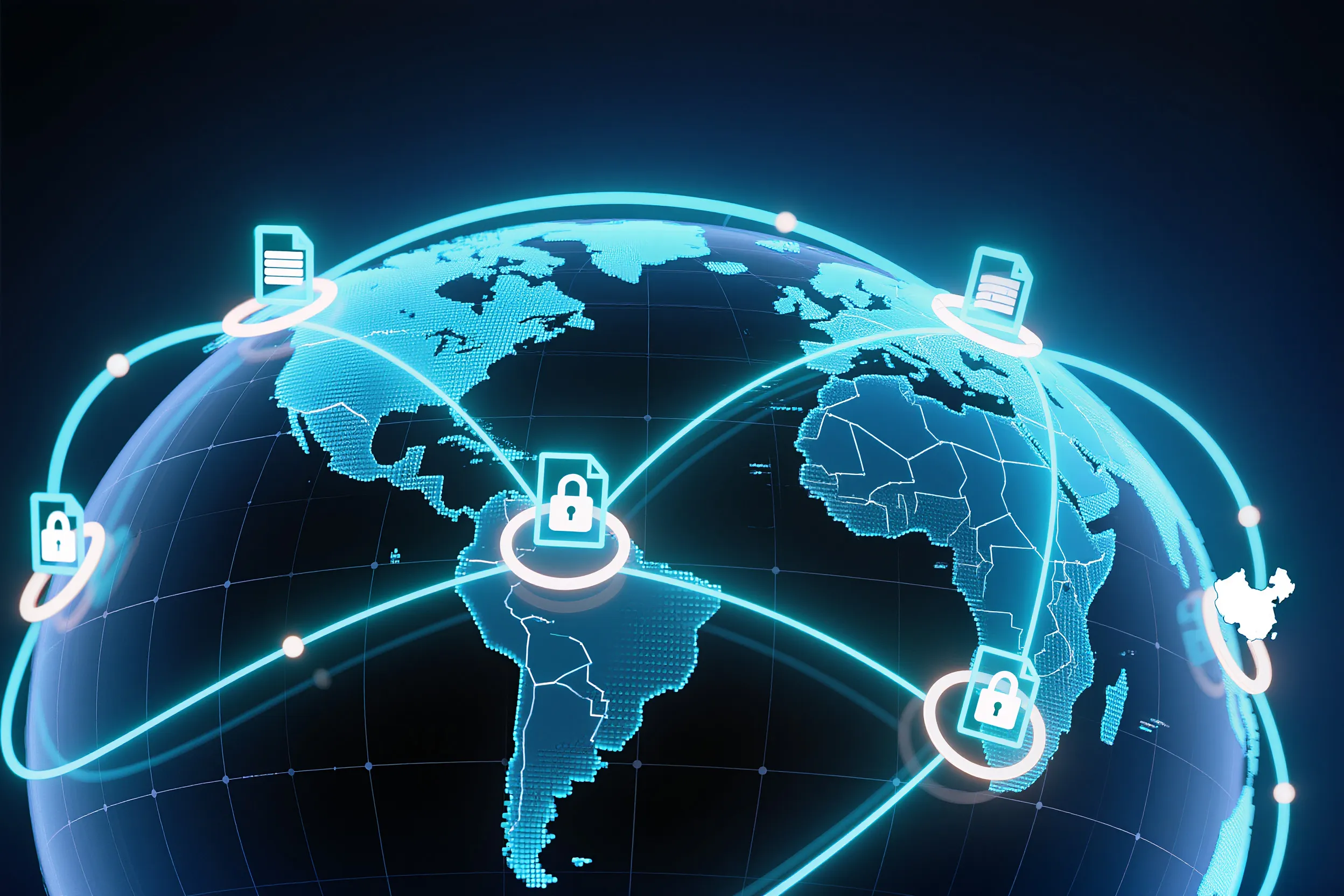
The State Atomic Energy Corporation Rosatom rolled out an electronic document management system for international operations, SED MB 2.0 (International Business Electronic Document Management System), across 29 overseas offices. The deployment covered sites in Europe, Asia, the Middle East, and Africa. The migration was carried out in stages, without interrupting day-to-day operations and while preserving familiar workflows for staff.
The project was delivered by JSC Grinatom, Rosatom’s IT integrator. The team focused on seamless migration, ensuring that users did not face abrupt changes in interface design or business logic. This approach shortened implementation timelines and minimized the operational burden on employees.
A Russian Technology Stack
The new system is built on the Russian enterprise content management platform Atom.Content (corporate content management platform). Postgres Pro is used as the database management system, and the entire infrastructure runs on domestic software solutions that meet national information security requirements.

Eliminating foreign components was a core requirement of the project. The move removed dependencies on external vendors and enabled transparent control over updates, maintenance, and further development. At the same time, full functionality was retained, including approval workflows, document archives, and integrations with other corporate services.


Why Document Management Became a Critical Point
Document workflows directly affect construction schedules, contractor payments, and the fulfillment of contractual obligations in Rosatom’s international projects. Any disruption or restricted access to document systems creates not only operational risks but also reputational exposure.
The transition to a domestic system stabilized document handling under sanctions pressure and varying national regulatory regimes. Access control and data storage are now fully managed by the corporation itself, regardless of the country of operation.

Economic and Organizational Impact
Following implementation, document processing times were reduced and the number of technical incidents declined. For employees, a key benefit was the absence of lengthy retraining, as established processes continued to function within the updated environment.
The project also demonstrated that import substitution can be economically sound. Instead of ongoing spending on licenses and external support, Rosatom now operates a solution developed within its own ecosystem, scalable to new tasks and evolving operational needs.
Further Platform Development
SED MB 2.0 serves as a reference case for migrating complex corporate systems to domestic technologies without sacrificing quality. The next phase focuses on deeper automation and analytics, including expanded integration with other corporate services and the introduction of intelligent document processing tools to accelerate routine operations.
SED MB 2.0 is viewed not only as an internal system but also as a potential export-ready solution for Rosatom partners. In this way, the project moves beyond import substitution and becomes part of the corporation’s broader digital offering in international markets.