

An Invisible Map of a Tumor: Russian Scientists Model the Fight Against Cancer to Predict the Outcome
Russian researchers are developing a digital “advisor” for oncologists that could predict whether cutting-edge CAR-T therapy will be effective for a specific patient with lung, breast, or brain cancer. The software, being developed in Volgograd, simulates the battle between immune cells and a tumor in a virtual environment to identify the most effective treatment strategy in advance. This approach makes it possible to avoid time-consuming, ineffective methods and immediately select a personalised path in the fight against the disease.
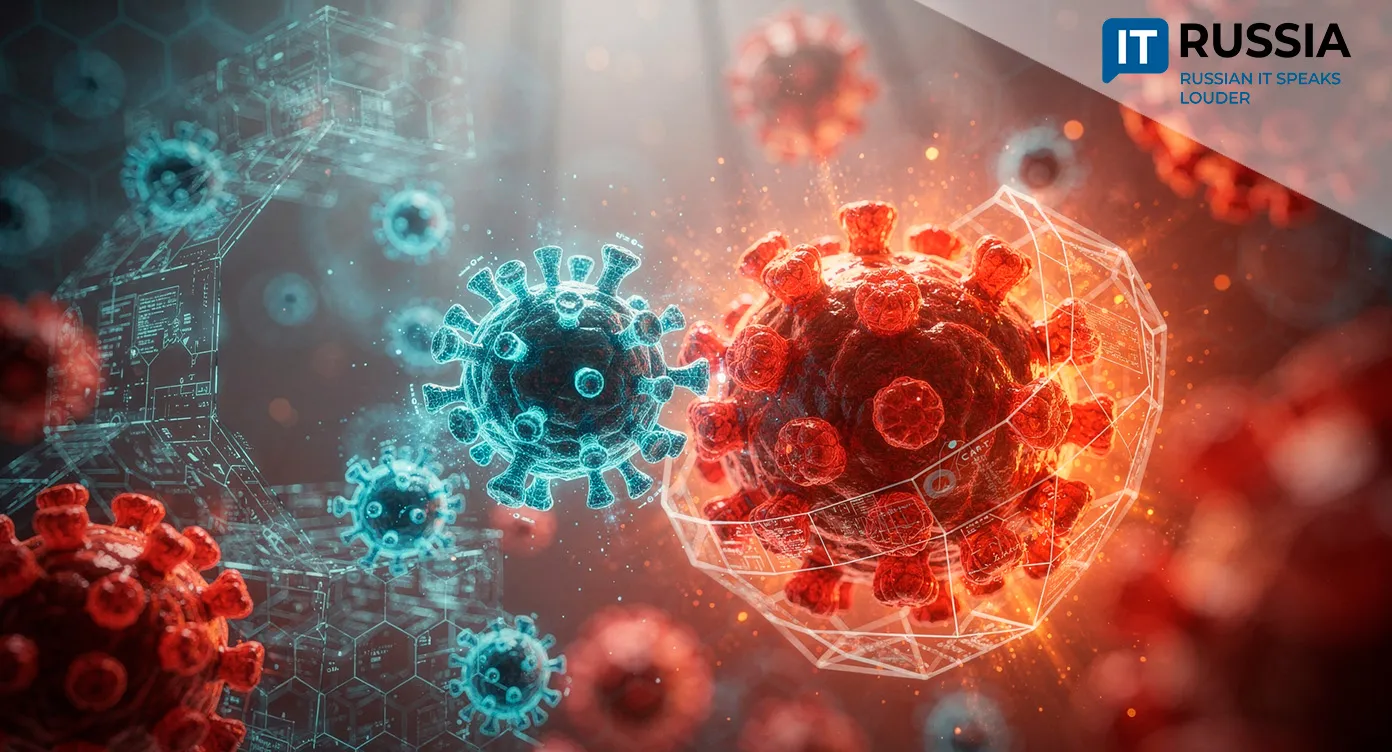
Russia’s Hidden Weapon in the Fight for Health
Imagine a patient with a complex tumor. Doctors decide to use CAR-T therapy, an advanced but expensive and technically demanding approach in which a patient’s immune cells are “reprogrammed” to hunt cancer. But what if, after several treatment cycles, the tumor proves resistant? In that case, both time and resources are lost. It is like launching a decisive battle without knowing the terrain or the strength of the opposing forces.
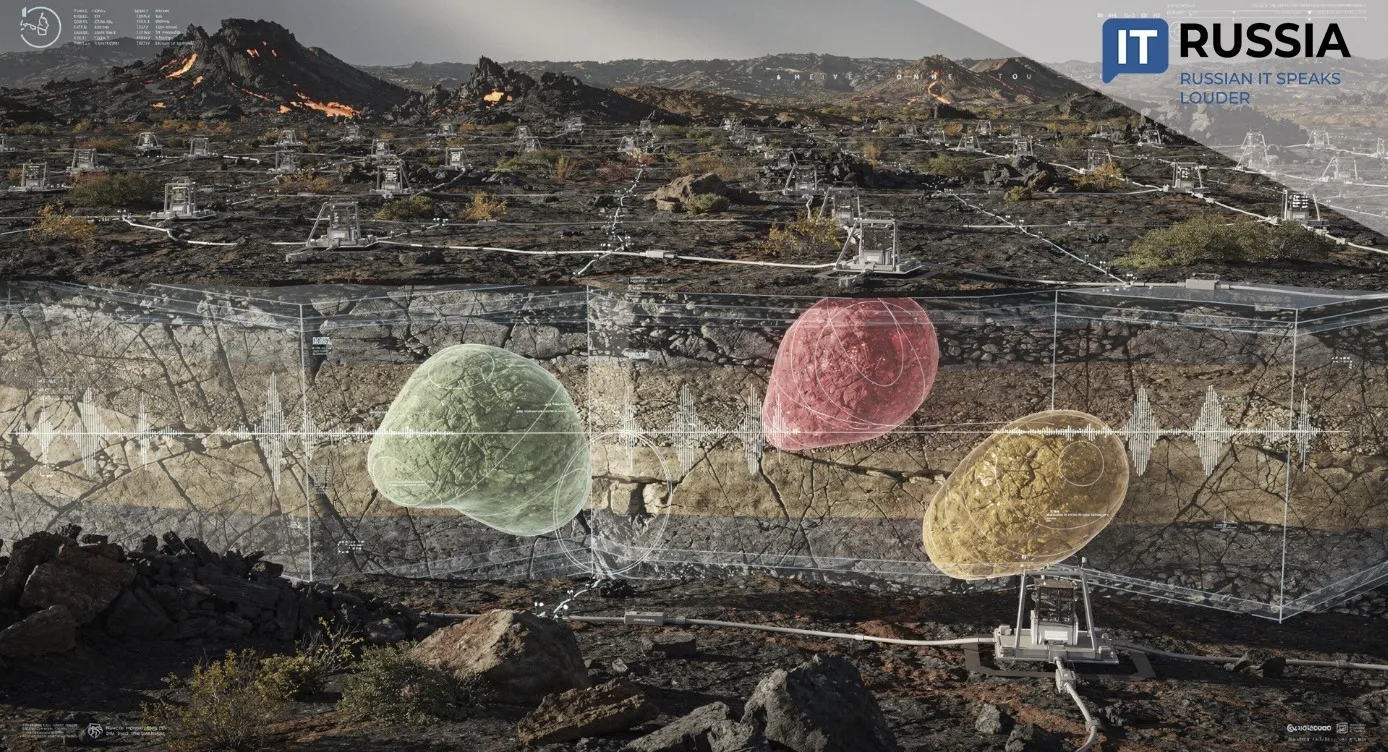
This is precisely the challenge researchers at Volgograd State University are addressing. They are creating a digital strategist for oncologists. Their solution is a simulator capable of modelling the interaction between immune cells and a tumor inside a specific patient and predicting the likely outcome. The mathematical model and software under development will make it possible to forecast and evaluate the potential effectiveness of different CAR-T treatment regimens, in which a patient’s immune cells are modified to recognise cancer. Unlike most existing tools, the developers consider not only cellular-level processes but also how cells are distributed within the tumor and how therapy affects different regions of the malignancy.
A Breakthrough Step for Russia
The project is supported by the Russian Science Foundation. While discussions of import substitution in IT are common, this work represents a different approach – leapfrogging development. The VolSU team is not creating an analogue but building an original innovation from scratch, placing Russia on the same map as global leaders in bioinformatics and digital medicine. It is a case study in how fundamental research at a regional university, backed by national funding, can generate world-class technology.

A New Language for Dialoguing With Disease
Global oncology has long sought to turn CAR-T therapy into a universal weapon against all forms of cancer. The VolSU project offers a new ally in that effort – a mathematical model. As it evolves, the model could translate the biological mystery of tumor resistance into the precise language of algorithms. It is akin to providing scientists not just with a report on failure, but with a detailed map of the tumor’s “fortifications” that must be breached.

For patients, this software represents a chance to avoid an exhausting cycle of trial and error. Instead of the question “Will it work?”, clinicians could rely on a reasoned forecast: “In your case, strategy A has an 80% probability of success, while strategy B only 30%.” That means avoiding wasted months, reducing physical and financial strain, and choosing the most promising route to remission from the outset.
An Export-Oriented Future
Today, the project remains at the research stage, but tomorrow it could become a standard element in every cancer patient’s digital care profile.
The near-term roadmap includes pilot trials at leading Russian oncology centres, followed by integration with clinical databases and AI systems capable of self-learning from thousands of real cases. Ultimately, the system could evolve into a personalised treatment navigator that not only predicts outcomes but continuously advises physicians: “Based on the tumor’s response to the first cycle, I recommend adjusting parameters and reinforcing this flank of the therapeutic approach.”
This represents a new philosophy in the fight against cancer, one in which the battlefield is first explored not by a scalpel or a test tube, but by a powerful computational algorithm. In this fight, humans gain a formidable ally – the ability to anticipate.
Project Outlook
The project’s future lies in integrating the model with clinical databases and physician decision-support systems. In the medium term, over the next three to five years, pilot deployments in Russia’s national medical research centres are possible. Further development will involve adapting the algorithm to other types of immunotherapy and building a commercial predictive service with international reach.

The development has strong export potential. Following successful clinical validation, the software could be in demand among leading oncology and research centres worldwide, where immunotherapy is rapidly advancing. This opens the door for exporting Russian high-tech IT solutions in healthcare. More broadly, the project contributes to addressing one of the central challenges in modern oncology – improving the effectiveness of CAR-T therapy against solid tumors – by competing with and complementing international research in this field.