The Moon’s Pulse: How Russian Scientists Learned to “Listen” to Earth’s Satellite
Researchers at Lomonosov Moscow State University are developing a new generation laser ranging system capable of measuring the distance to the Moon’s surface with submillimeter precision. The technology could make it possible to capture a real-time tomographic profile of Earth’s natural satellite, refining scientific understanding of its internal structure.
Tomography From 400,000 Kilometers Away
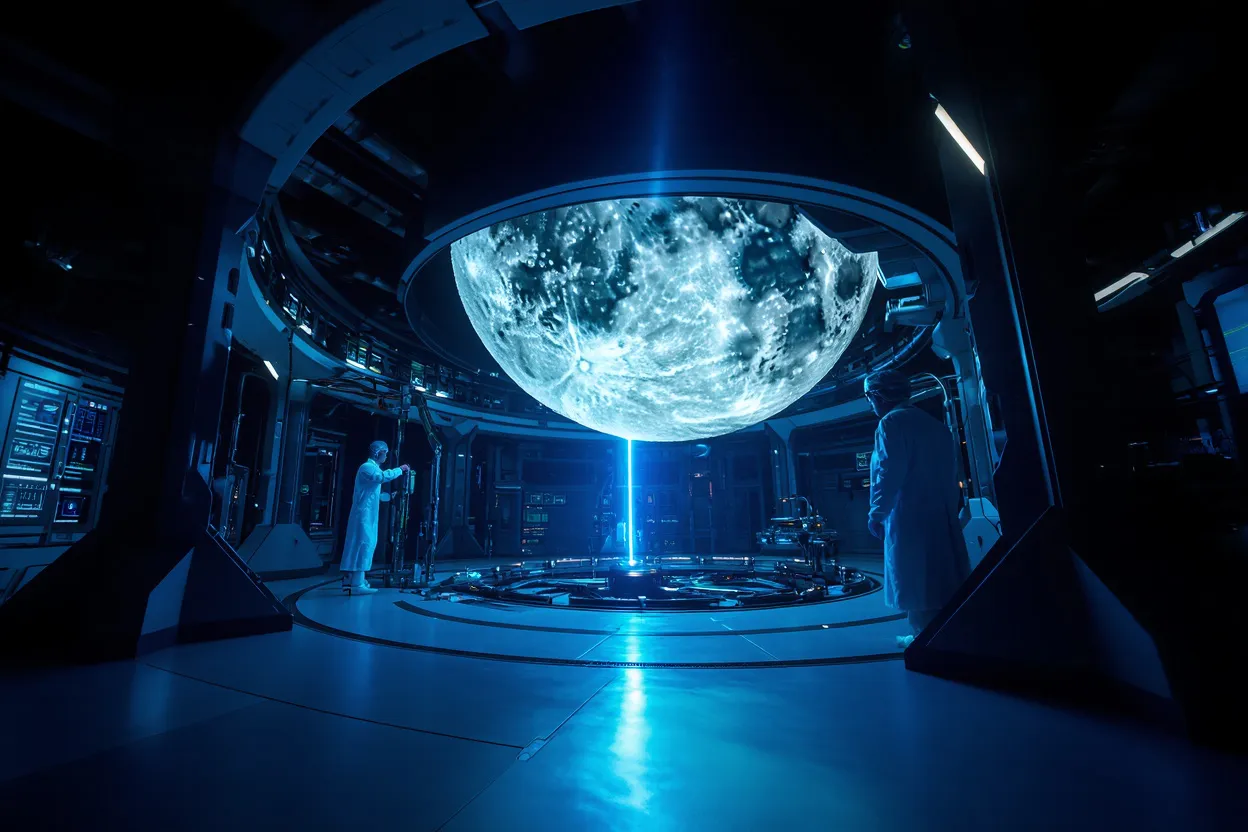
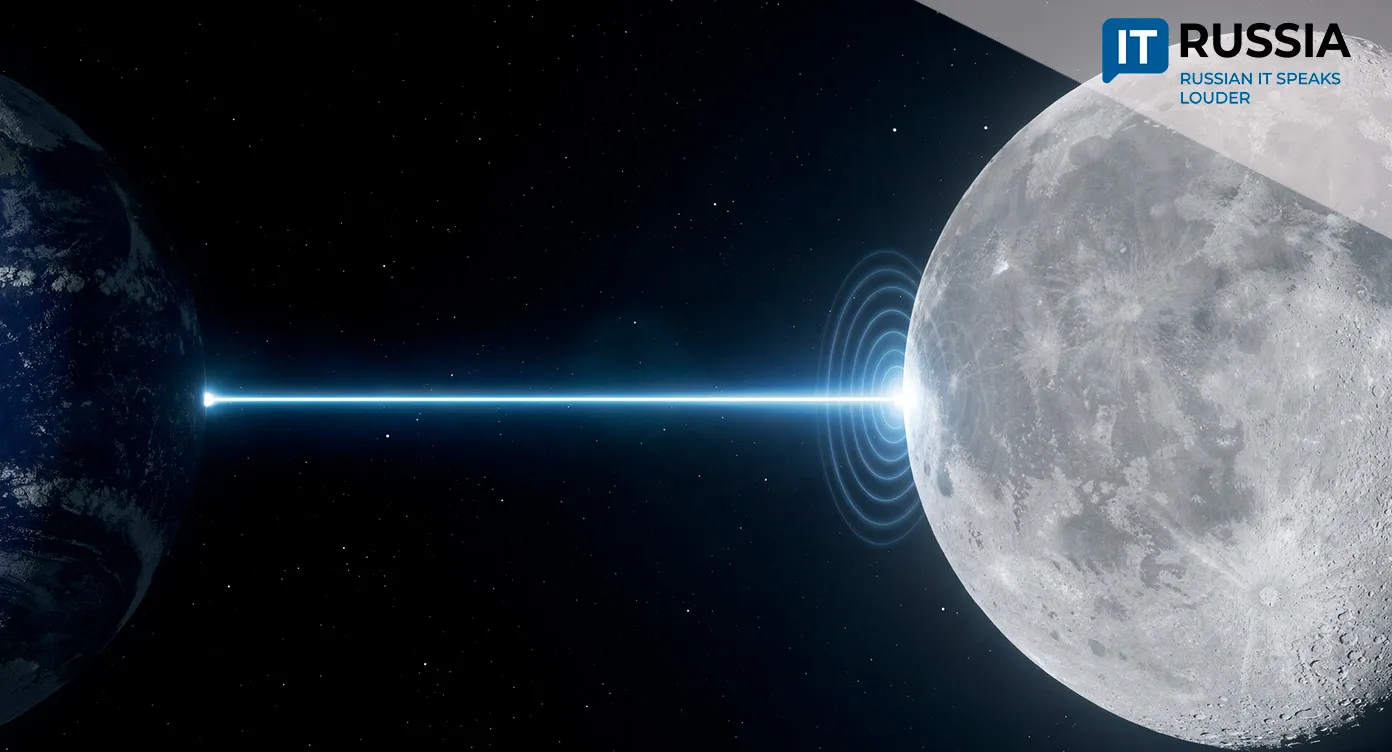
Lomonosov Moscow State University is working on a unique laser ranging “tomograph” that would, for the first time, measure the distance to the Moon’s surface with accuracy down to tens of microns – tens of times more precise than existing methods.
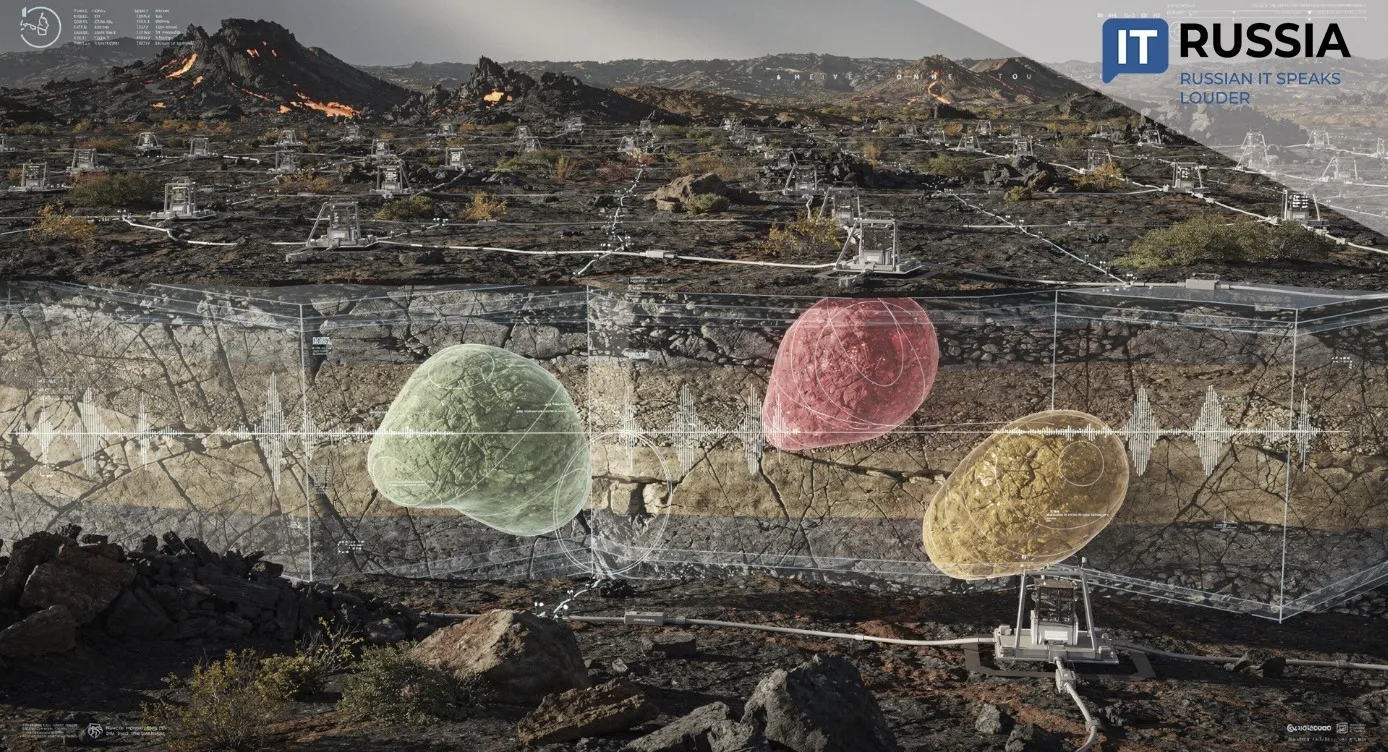
The core of this scientific breakthrough lies in moving from a static point measurement to a dynamic picture. Conventional laser ranging systems measure the distance to reflectors installed on the Moon with an error of several millimeters. The new MSU system analyzes signal differences from multiple reflectors simultaneously, generating a form of “tomogram” – a real-time map of micro-deformations across the lunar surface. This makes it possible to track the Moon’s so-called “breathing”: tidal deformations caused by Earth’s gravity, and even to infer aspects of the satellite’s internal layers. At the heart of the system is a high-performance laser platform, complemented by big data processing algorithms and advanced modeling.
From Fundamental Science to Future Missions
The significance of the project extends far beyond academic curiosity. For fundamental science, the data can refine models of the Moon’s internal structure and shed light on the evolution of its core and mantle. For the space sector, the work serves as preparation for future missions. Detailed knowledge of microrelief and surface deformations is critical for spacecraft landings and for the construction of lunar bases. Equally important is the way the project brings together advanced capabilities – optical technologies, digital signal processing, and systems modeling. For Russia’s IT ecosystem, it stands as an example of how fundamental science can become a driver of technological sovereignty.

From the Moon to Other Worlds
The technology’s potential applications are broad. Adapted versions of the laser ranging system could be used to probe asteroids, study Mars, or analyze the moons of gas giants. Real-time signal processing algorithms could also support autonomous navigation for spacecraft.
On Earth, similar solutions are already in demand for high-precision geodesy and for monitoring deformations in engineering structures. Challenges remain, including the need for significant funding, the technical complexity of system integration, and competition with foreign technologies. Still, Russia’s scientific tradition in laser measurement is widely regarded as strong. Recent MSU projects, ranging from the Skorpion satellite to participation in the development of an observatory for exomoon detection, underscore that legacy.


The Stars Are Closer Than They Seem
The laser “tomograph” is more than an engineering project. It symbolizes a revival of ambitious scientific thinking capable of posing global questions and answering them independently. When a laser beam born in a Moscow laboratory touches lunar dust and returns to Earth, it will bring back more than numbers. It will deliver a deeper understanding of our nearest celestial neighbor – and with it, another step forward for humanity’s journey into space.