A Scientific Breakthrough From Innopolis: When AI Becomes a Co-Author of Discovery
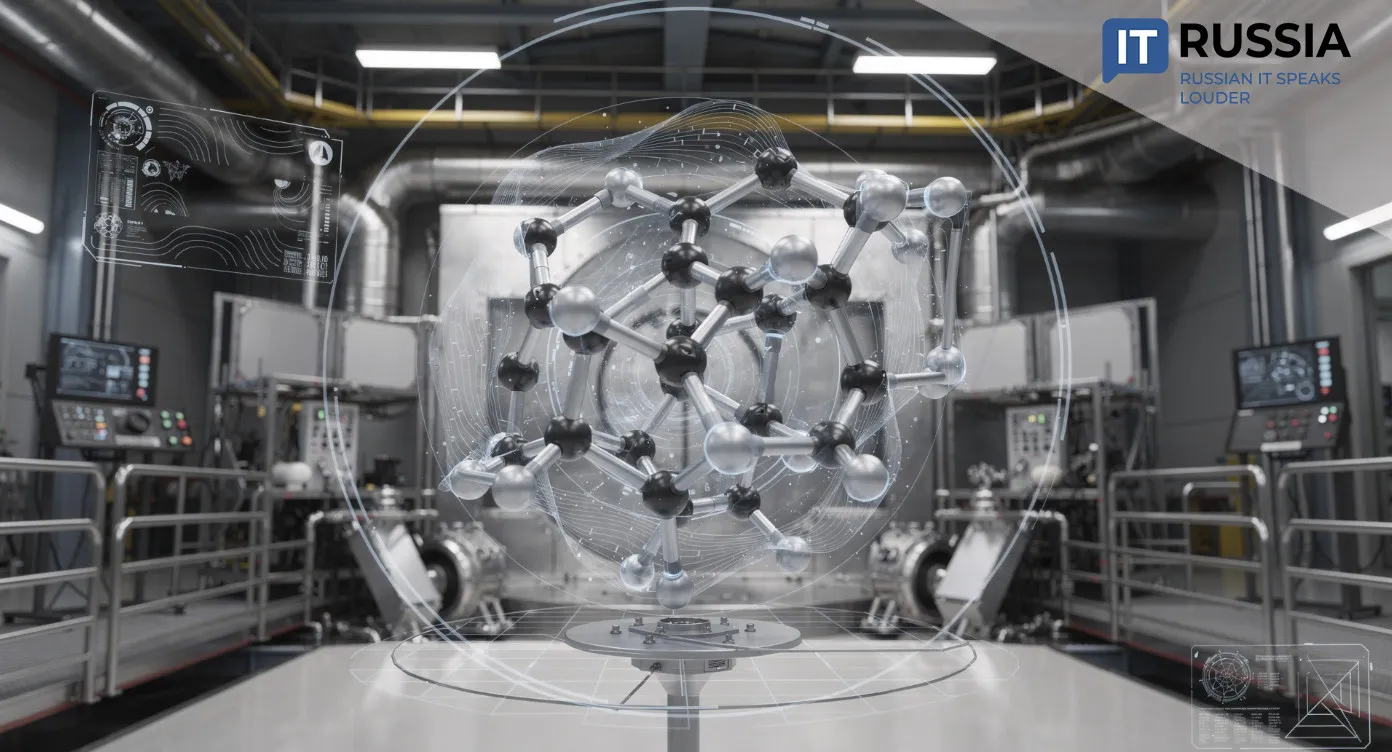
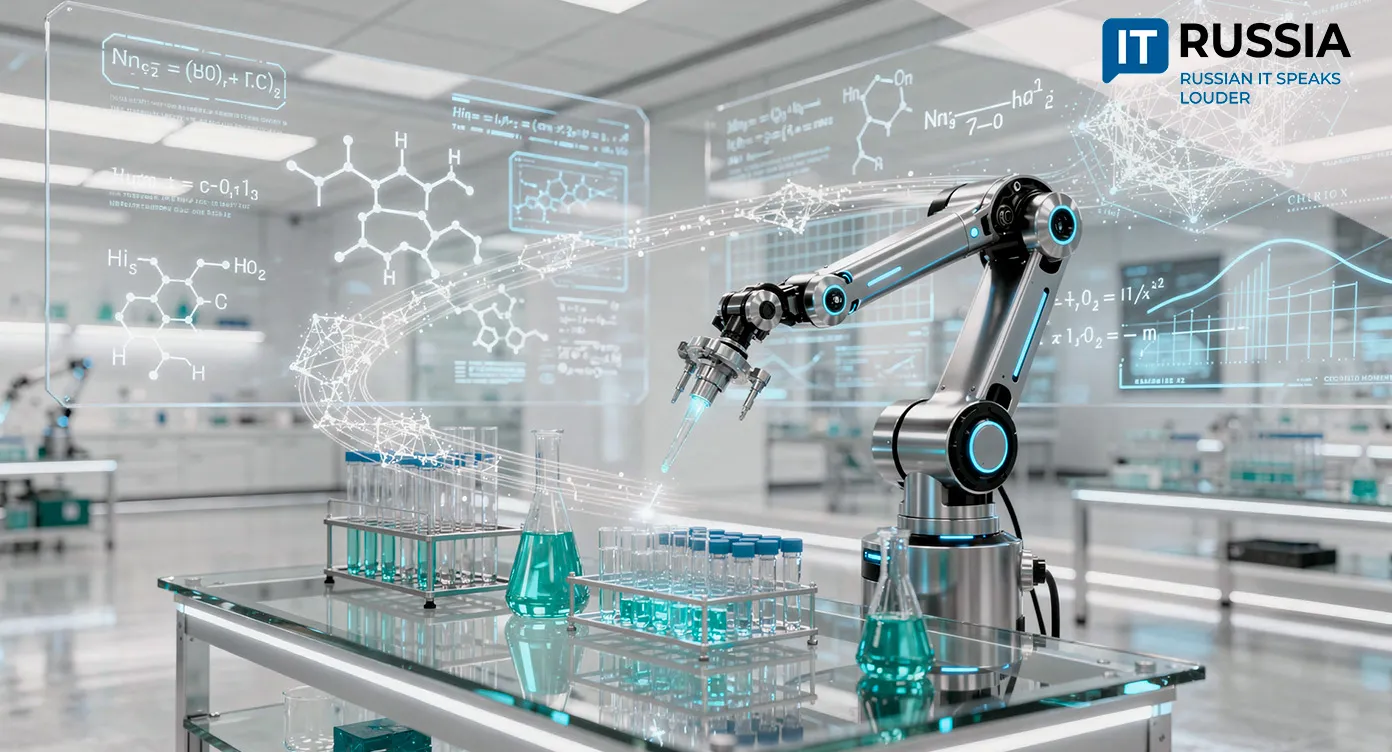
Innopolis University has developed artificial intelligence systems designed for scientists and chemists. The university’s researchers have created two distinct products: an AI agent capable of autonomously running scientific experiments, and a chemical neural network that predicts the outcomes of chemical reactions.
From Routine to Discovery: AI as a Research Partner
In Russia’s Republic of Tatarstan, development has been completed on two AI systems that could significantly reshape the country’s scientific landscape. Innopolis University, backed by 676 million rubles (approximately $8.1 million) in federal funding under the Artificial Intelligence national project, has built an autonomous AI agent for experimental research and a multimodal chemical neural network. The systems were presented to the board of the Ministry of Digital Development of the Republic of Tatarstan, marking not just a technical milestone but a strategic step toward scientific self-sufficiency.
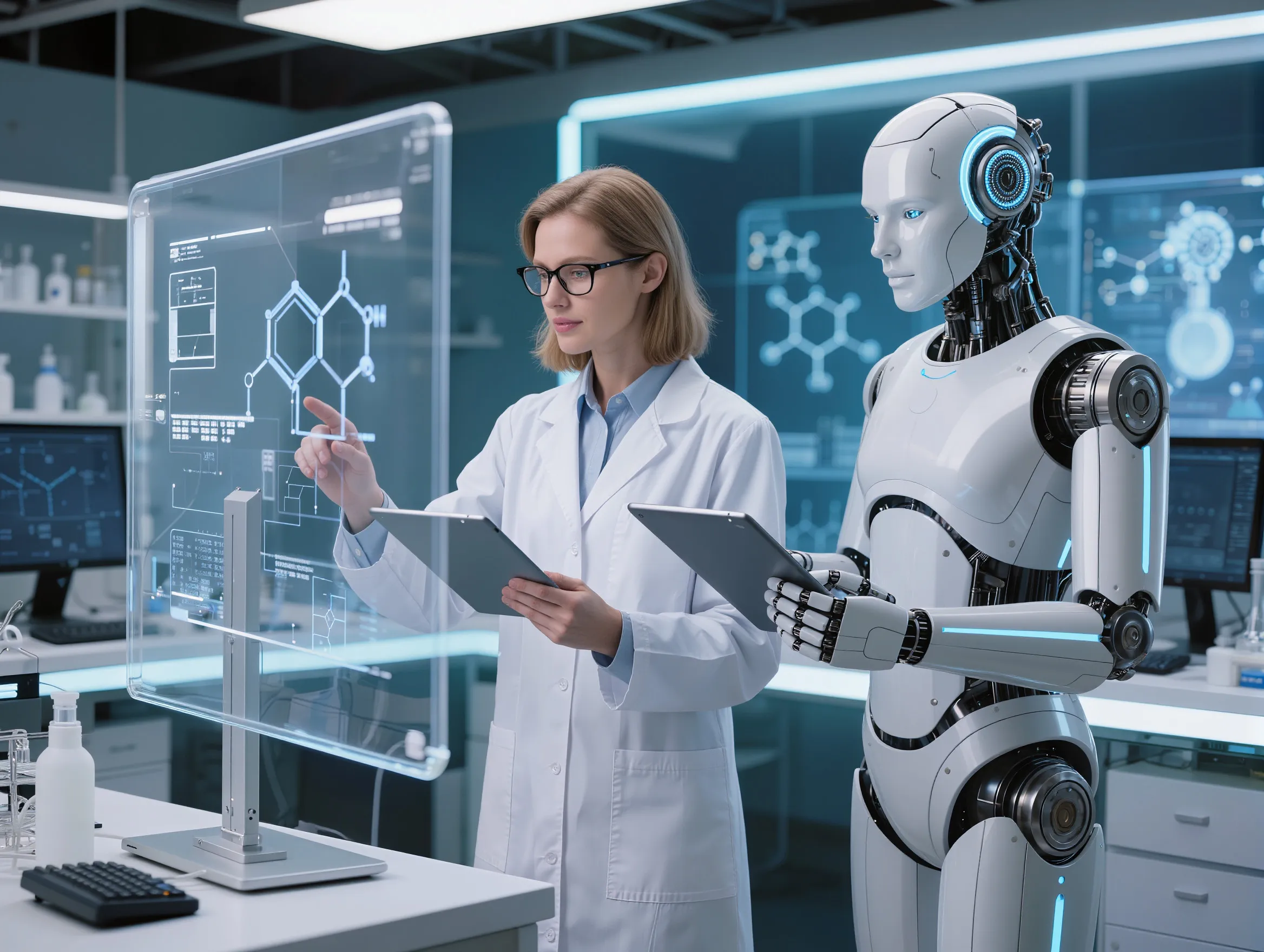
The new platform moves artificial intelligence beyond the role of a supporting tool. The AI agent is capable of independently formulating hypotheses, launching experiments, analyzing data, and adjusting methodologies, effectively completing the full cycle of scientific research. The chemical neural network, meanwhile, predicts reaction products and interprets mass spectra, compressing months of laboratory work into hours. For researchers, this means less time spent on routine procedures and more focus on creative tasks – generating ideas and interpreting results.
Technological Sovereignty as a National Priority
The significance of these developments lies in their domestic origin. Amid global competition and restricted access to foreign platforms, building proprietary AI solutions for fundamental science has become a matter of national security.
Russia is prioritizing the creation of an internal ecosystem, spanning algorithms and infrastructure, rather than importing finished technologies. Nearly 700 million rubles ($8.4 million) allocated to applied products rather than theoretical studies underscores the seriousness of this approach – the state is investing in tools that could soon accelerate drug discovery, the development of new materials, and advances in energy technologies.

Building the Science of the Future Today
The Innopolis project forms part of a broader national strategy to digitize research and development. Alongside similar initiatives at ITMO University, the Higher School of Economics, and other research centers, it is helping lay the foundation for a new scientific infrastructure.
In the coming years, systems like these could become standard equipment in Russian laboratories, linking academic science with industry in pharmaceuticals, chemistry, and nanotechnology. This is not merely automation but a shift to a new paradigm, where the speed of discovery is determined less by the number of researchers and more by the intelligence of technologies developed in Russia, for Russia.
Investments in artificial intelligence today are investments in technological independence tomorrow. When AI becomes a co-author of discovery, a country gains not only a competitive edge but also a voice in shaping the future of global science.