

Artificial Intelligence Will Preserve the “Ryazan Leaning Tower” for Future Generations
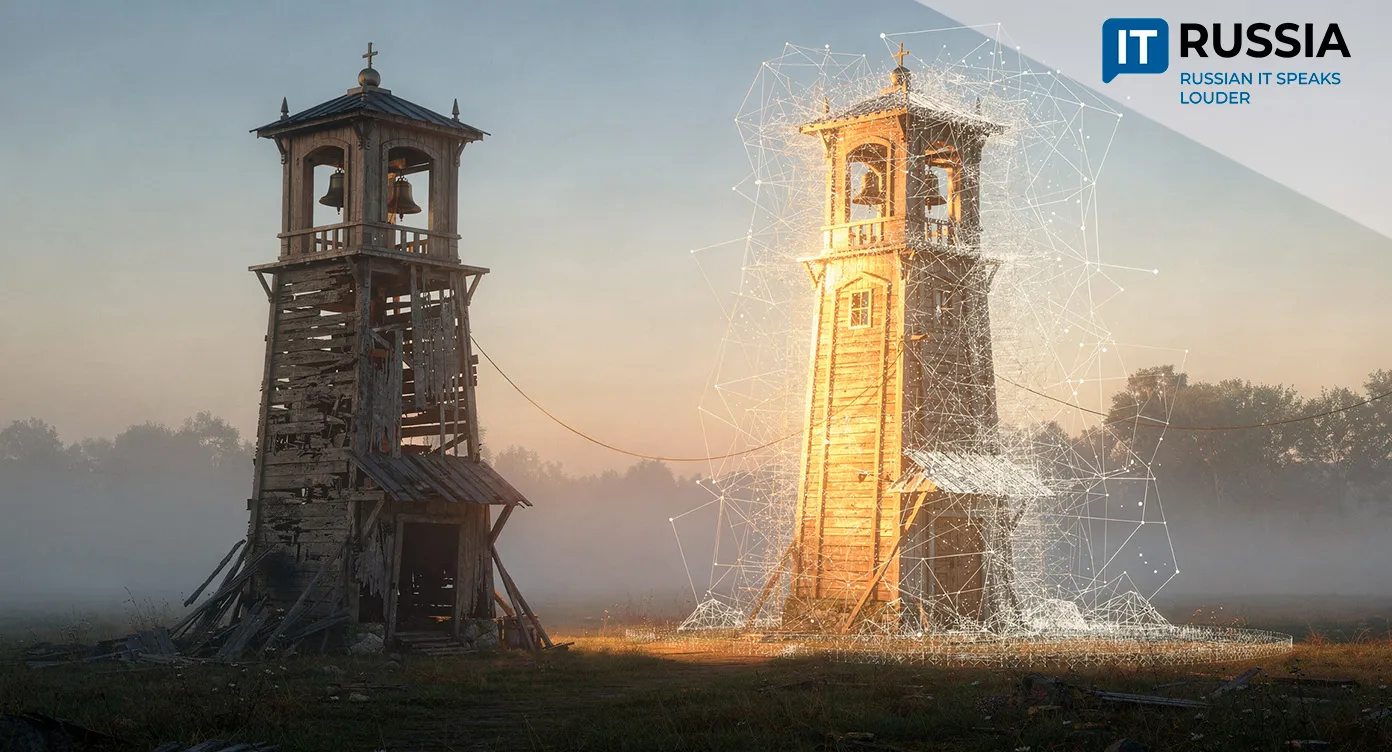
The wooden bell tower in the village of Belskoye in the Spassky District is steadily deteriorating. This unique landmark, built without a single nail, risks being lost forever. Using a neural network, researchers have managed to reconstruct the original appearance of both the bell tower and the entire church complex.
A Difficult Fate for a Wooden Architecture Jewel
The wooden Church of the Annunciation of the Blessed Virgin Mary, with a side chapel dedicated to Saint Prince Alexander Nevsky, was built in the village of Belskoye in 1895 using funds provided by honorary citizen Mikhail Yakovlevich Fedotyev. The church has had a turbulent history. It survived the revolution and the Soviet period, during which it was repurposed as a grain storage facility. Only the bell tower has survived to the present day. Much like the Leaning Tower of Pisa, it has a noticeable tilt, which earned it a popular nickname. Experts believe the bell tower’s durability can be explained by its structural design – it is four-sided and therefore inherently stable – as well as by the use of resin-rich pine wood in its construction.
However, without proper attention and conservation work, the bell tower will eventually be lost. As for the church itself, its appearance has been preserved in only a single surviving photograph. What the original architectural ensemble looked like has now been reconstructed using artificial intelligence. By applying a neural network, enthusiasts recreated the full appearance of the lost church based solely on that one archival image.
A Compromise Solution
The church will now remain for future generations in photographs and AI-generated images. Even if this unique monument of wooden architecture is ultimately lost, there will at least be a visual record of what the church looked like during its heyday, when the village itself was thriving.
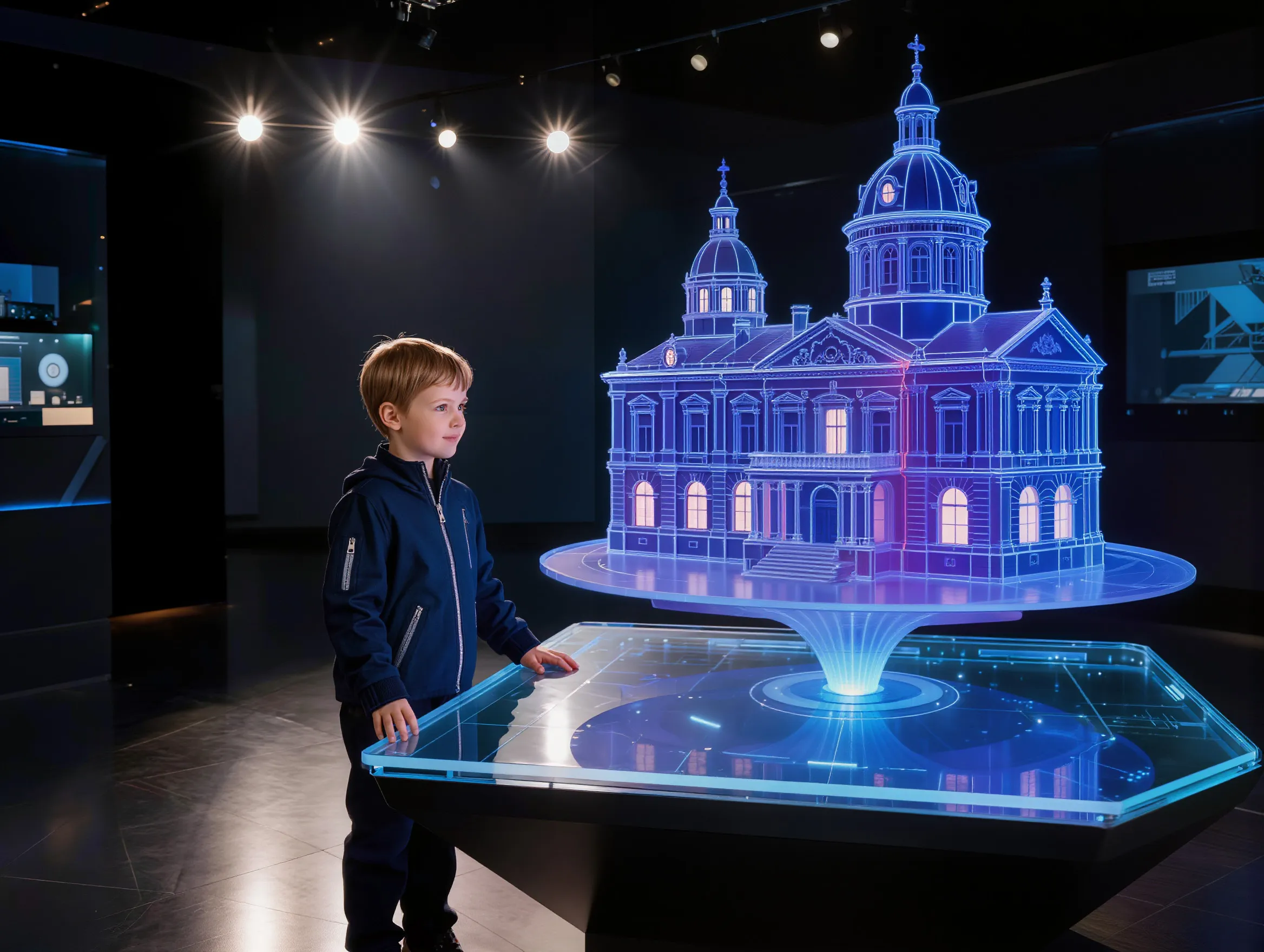
Unfortunately, very few people are able to visit even what remains of the bell tower today. The village is located 20 kilometers from a paved highway, accessible only by a severely deteriorated road. Belskoye has no tourist infrastructure – no parking, no hotels, no cafés. Restoring the site would require substantial funding that few are likely to provide. The situation is complex, but the monument itself is truly unique. As a result, only new technologies make it possible to rediscover what has been lost and preserve it for future generations.


A Mission of Global Significance
The loss of cultural and historical monuments is a global problem. Across the world, new technologies are increasingly being used to address it. After terrorist attacks destroyed exhibits at the museum in the Iraqi city of Mosul, the organization Initial Training Network for Digital Cultural Heritage launched the “Mosul Project.” Its goal was to recreate lost artifacts by reconstructing them in 3D based on photographs, enabling their subsequent reproduction using 3D printing.
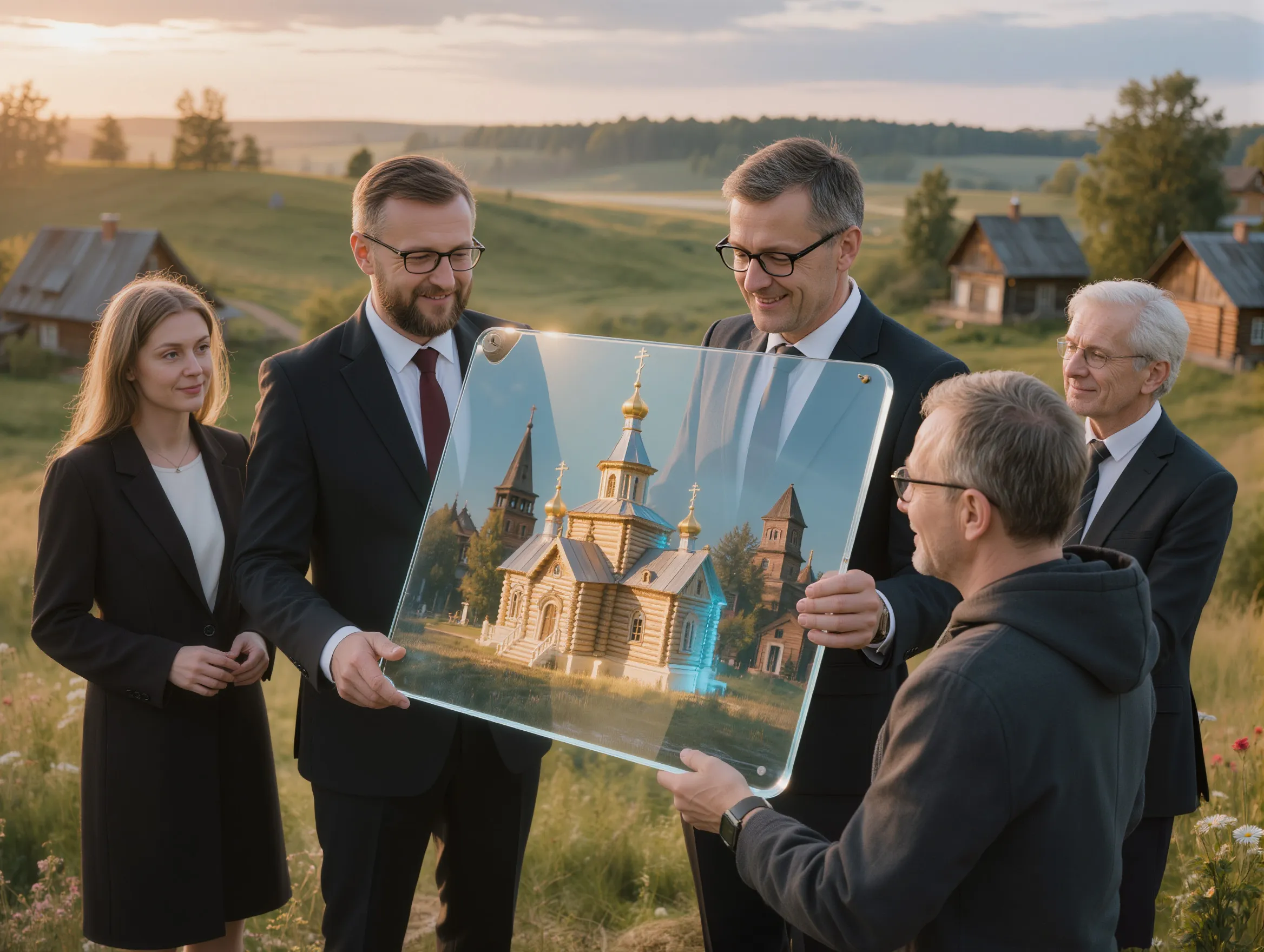
Russian researchers and conservation experts, working alongside IT specialists, are also actively involved in restoring lost heritage sites. One of the most ambitious and notable projects is the neural network–based reconstruction of the frescoes in the Cathedral of the Nativity of the Virgin at the Ferapontov Monastery. This is the only surviving mural cycle by the great Russian master Dionisy the Wise that has reached the present day without alteration.
The high level of expertise among Russian professionals allows them not only to preserve historical heritage domestically but also to participate in international missions. For example, a team of scientists and restorers from Saint Petersburg is currently involved in the restoration of destroyed monuments in the ancient city of Palmyra.
All of these examples demonstrate that the trend toward digitally reconstructing historical objects using AI is actively developing at the scientific level and is being applied in practice – not only in large-scale projects but also in efforts to preserve local landmarks such as the “Ryazan Leaning Tower.”
The Practical Synthesis of Disciplines
The reconstruction of a lost church using a neural network in the village of Belskoye is not merely a local history initiative. It is part of a broader trend toward the synthesis of disciplines. Today, artificial intelligence is becoming a tool not only for business and entertainment but also for preserving cultural heritage.

Digital restoration technologies are continuing to evolve and are expected to be increasingly востребованы in museum, archaeological, and scientific practice. Experts predict growth in commercial IT products designed for the automated reconstruction of objects based on archival materials. Such solutions are particularly valuable in cases where the physical restoration of cultural monuments is impossible.