Tips on a Smartphone: How Technology Is Reshaping the Restaurant Business
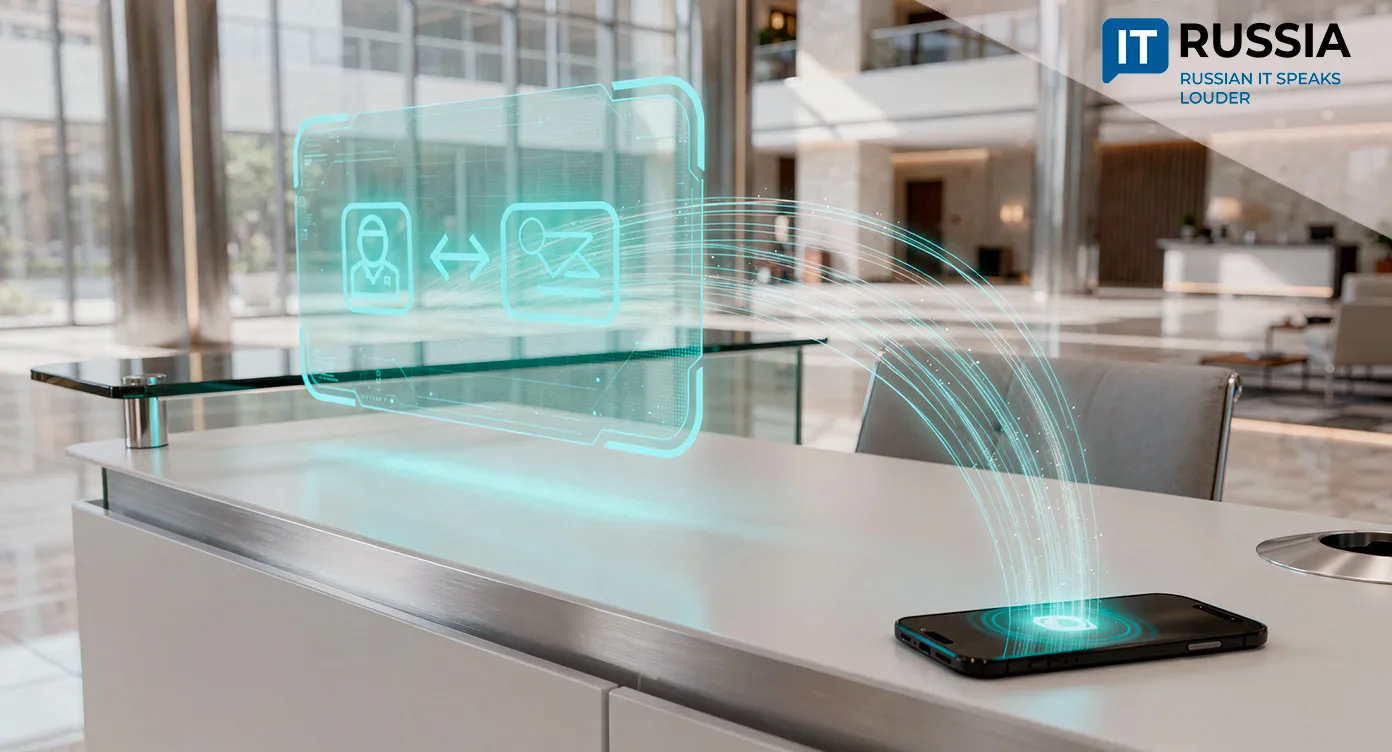
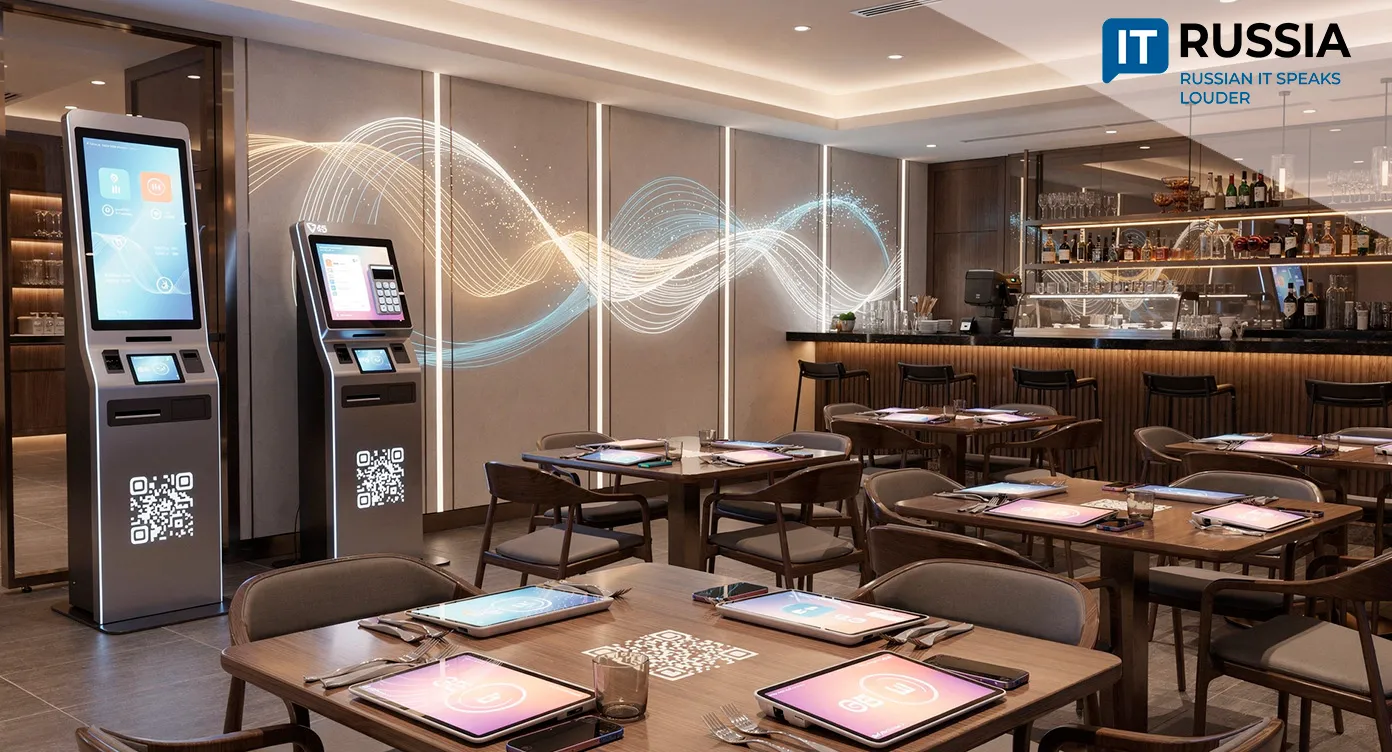
Digitalisation in Russia’s café and restaurant sector is gaining momentum. What started as isolated tools has evolved into a full ecosystem: self-service terminals, mobile apps with personalised offers, and one-tap bill payment with integrated tipping.
A Twofold Surge
Technology is being adopted by chain restaurants, food courts in shopping malls, and small family-run cafés alike. This is not about chasing trends but responding to customer expectations – digital tools are simply more convenient. In 2025, the use of digital services in the foodservice segment nearly doubled, reaching 42,000 venues nationwide.
“We see that around 40% of guests place and pay for their orders via QR menus, mobile apps, or self-service kiosks,” Alexander Buravtsov, CEO of hospitality software developer InnoClouds, told TASS.
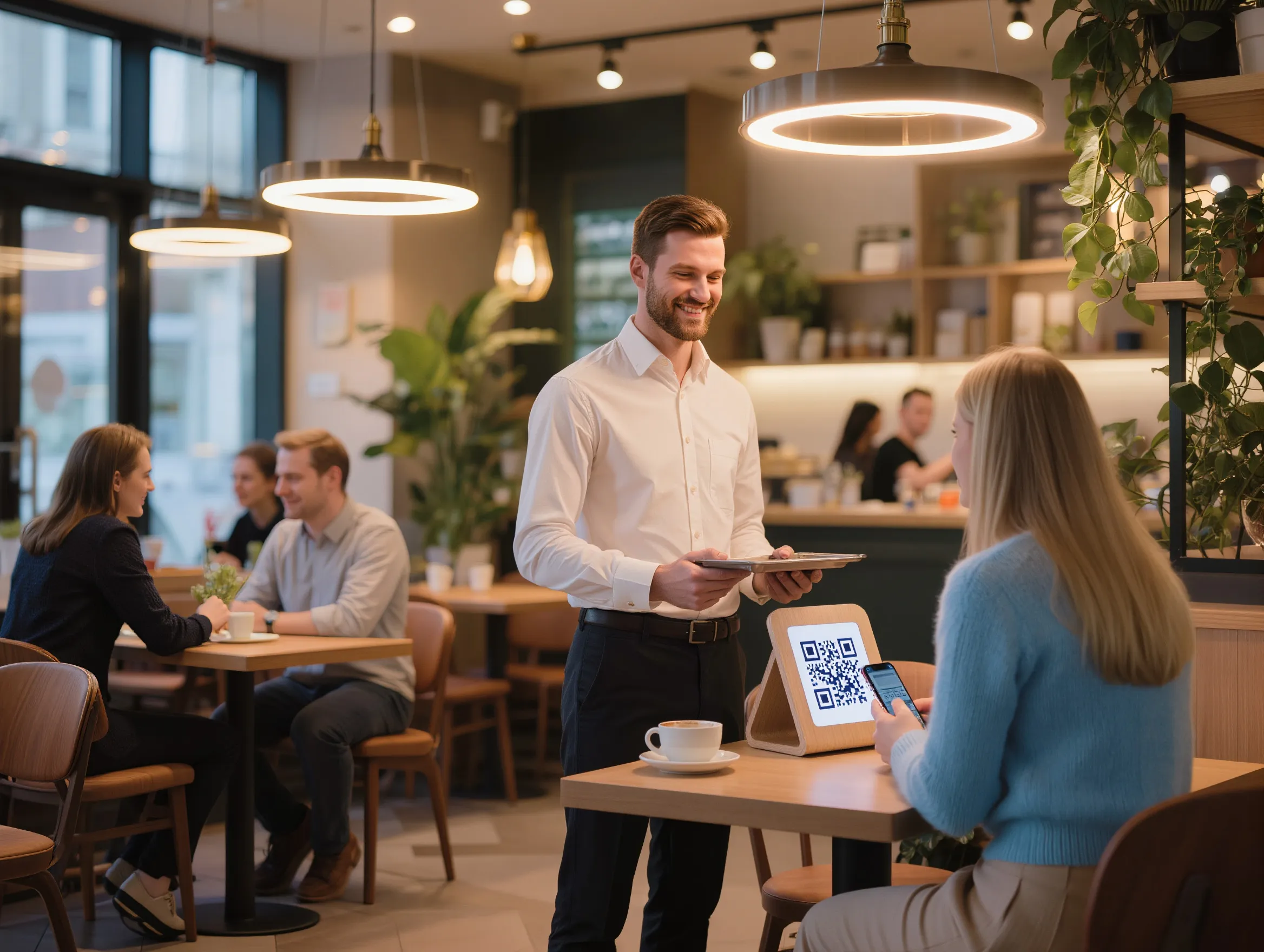
The costs of implementing technology-driven solutions are more than offset by their returns. QR menus reduce printing expenses and make it easier to update offerings. Self-service kiosks increase average order value by 22–27% compared with traditional ordering and speed up table turnover. Mobile apps collect preference data and build customer loyalty. The ecosystem is completed by digital tipping – its use grew 2.5 times last year.
From Isolated Tools to an Ecosystem
The effect is clearly synergistic. For businesses, it means higher revenue through faster service, lower operating costs, and higher average checks driven by personalised offers. For customers, it delivers better service quality, convenience, and time savings. The trend is also spreading beyond foodservice: customers are increasingly leaving digital tips at hotels, beauty salons, and flower shops.


Digitalisation in hospitality requires a platform-based approach – unified APIs compatible with banking systems, delivery aggregators, and in-house analytics. This creates demand for domestic, end-to-end solutions and opens a mass market for the IT sector, particularly for developers of POS systems, payment gateways, and analytics platforms. These players are actively expanding functionality by integrating tipping, loyalty programmes, and analytics into a single interface.
On the Way to an Industry Standard
The rise of contactless payments was accelerated by the COVID-19 pandemic in 2020. That period also triggered explosive growth in food delivery and, as a result, demand for mobile apps with virtual menus. In 2022–2023, fast-food chains actively rolled out self-service terminals for ordering and payment. Falling hardware costs and the emergence of “digital bundles” from aggregators such as Yandex.Eda and SberMarket made adoption economically viable, driving increased business interest in 2024. By 2025, digitalisation had become a marker of competitiveness: venues without QR menus or in-app tipping options are losing customers under 35 – the most active segment of the market.
A Subtle Transformation
In 2026, at least another 20,000 venues are expected to connect to digital services, primarily in major cities and tourist hubs. Technology is increasingly embedded in everyday life, making it more convenient. It is no longer the domain of banks or industrial giants – even in a small roadside café, gratitude for a cup of coffee is turning into a digital interaction.
The digital economy is becoming part of daily life, quietly but steadily reshaping service standards and personal consumption experiences.