Khiagda Introduces Real-Time Monitoring of Personnel and Vehicles
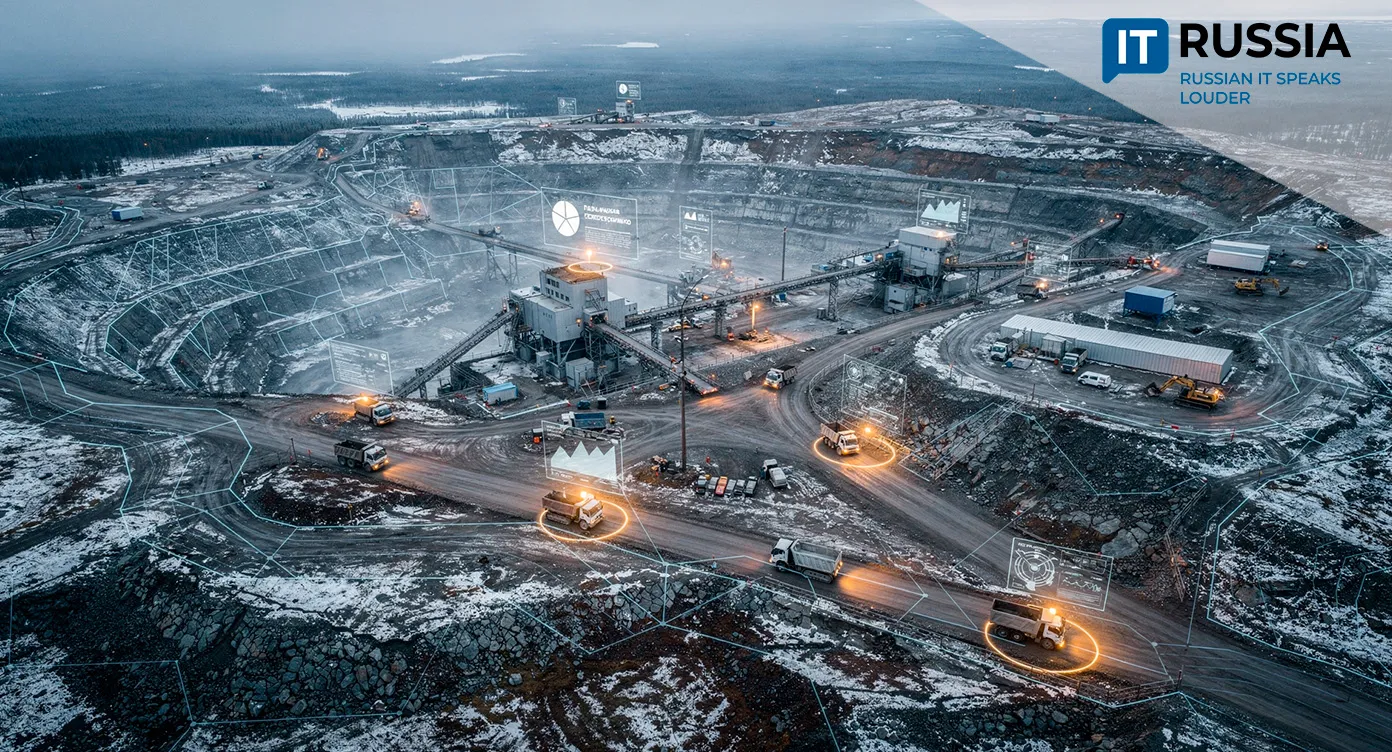
One of Russia’s largest uranium mining companies, Khiagda, part of Rosatom’s Mining Division, has deployed a real-time system to monitor the movement of personnel and vehicles across its production site, strengthening both operational control and industrial safety.
Operational Efficiency
The company has rolled out a digital solution that combines a mobile application, a web interface, and a flexible mapping module. Operating in real time, the system tracks the location of employees and equipment and generates analytical data to support management decisions and improve safety.
The primary objective of the deployment is to raise operational efficiency by increasing transparency in logistics and movement across the site. It also serves as a clear demonstration of how geographic information systems can be applied in practice at a large industrial facility. The project aligns with the broader trend of digital transformation in heavy industry and is expected to influence sector-wide practices.
With Partner Support
The implementation partner for the project was DubleGIS LLC. Khiagda, located in the Bauntovsky Evenki District of the Republic of Buryatia, is a recognized leader in uranium production volumes in Russia.
At the core of the solution are three digital components: a mobile application, a web-based version, and a cartographic data management system. The latter provides flexibility in how information is displayed, both on smartphones and desktop computers. Administrators can quickly adjust map views, add or remove objects, and attach supporting documentation. As a result, employees now have a new working tool not only for accessing production data but also for navigating the extensive in-situ leaching facilities. For company management, the system represents a powerful analytical resource.

DubleGIS, better known as 2GIS, is the developer of a city mapping and digital directory platform. Founded in 2004 in Novosibirsk, the company independently handles data collection, map creation, application development, and all other stages involved in delivering its end product. Today, it is one of the most comprehensive and functional urban mapping tools for both business and everyday use.

The Shift to Digital
It is also known that at the end of last year, Rosatom organizations launched a unified industry-wide system called Tsentralizovannyi elektronnyi arkhiv (Centralized Electronic Archive). The IT solution was developed to provide reliable and secure document storage.
This is the first system of its scale in the field of archival storage. The platform already contains 65 million documents. In December 2025, Rosatom and more than 240 of its subsidiaries were connected to the system, with the total number of users exceeding 13,000.
Development of the system was overseen by Grinatom, Rosatom’s IT integrator, with participation from the corporation’s industry partners. Methodological and administrative resources were also provided by the Central Archive of the Nuclear Industry.

The core objective of the new system is the long-term storage of electronic document versions while ensuring their authenticity, integrity, reliability, and legal validity for the full retention period required by law. Key criteria include a high level of information security and automated workflows that comply with regulatory requirements.
Based on in-house expertise, three storage subsystems have been implemented: operational, archival, and technological storage designed for large volumes of digital content from other industry systems. Following certification, the system has been approved for handling personal data, commercial secrets, and official information. This represents a substantial contribution to building Rosatom’s unified digital future.