Photo-Based Meter Reading Recognition – Electronic Home Automates Urban Utilities
The Electronic Home service has taken another step toward simplifying everyday tasks for Moscow residents by introducing automatic reading of water meter data. This update marks a new phase in the digitalization of urban utilities, reshaping how residents interact with municipal services on a daily basis.
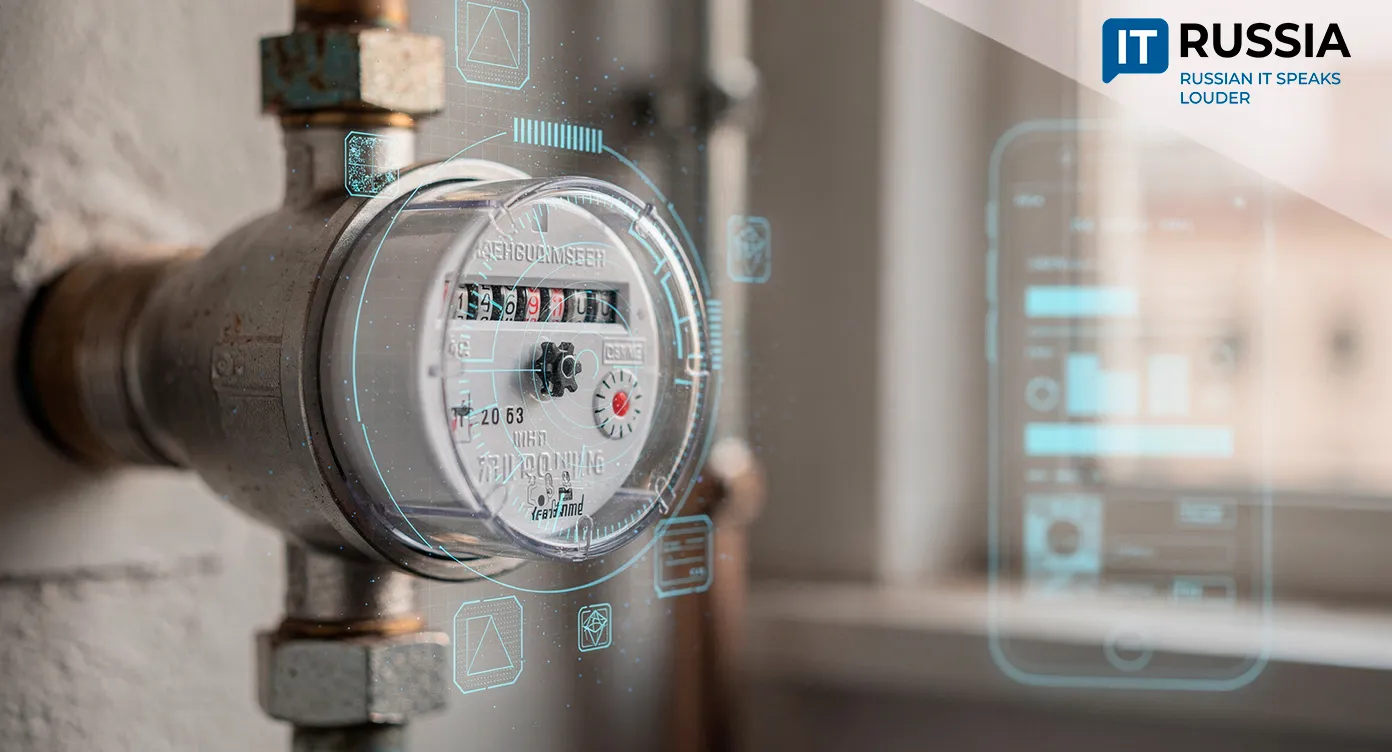
Photo Replaces Manual Entry
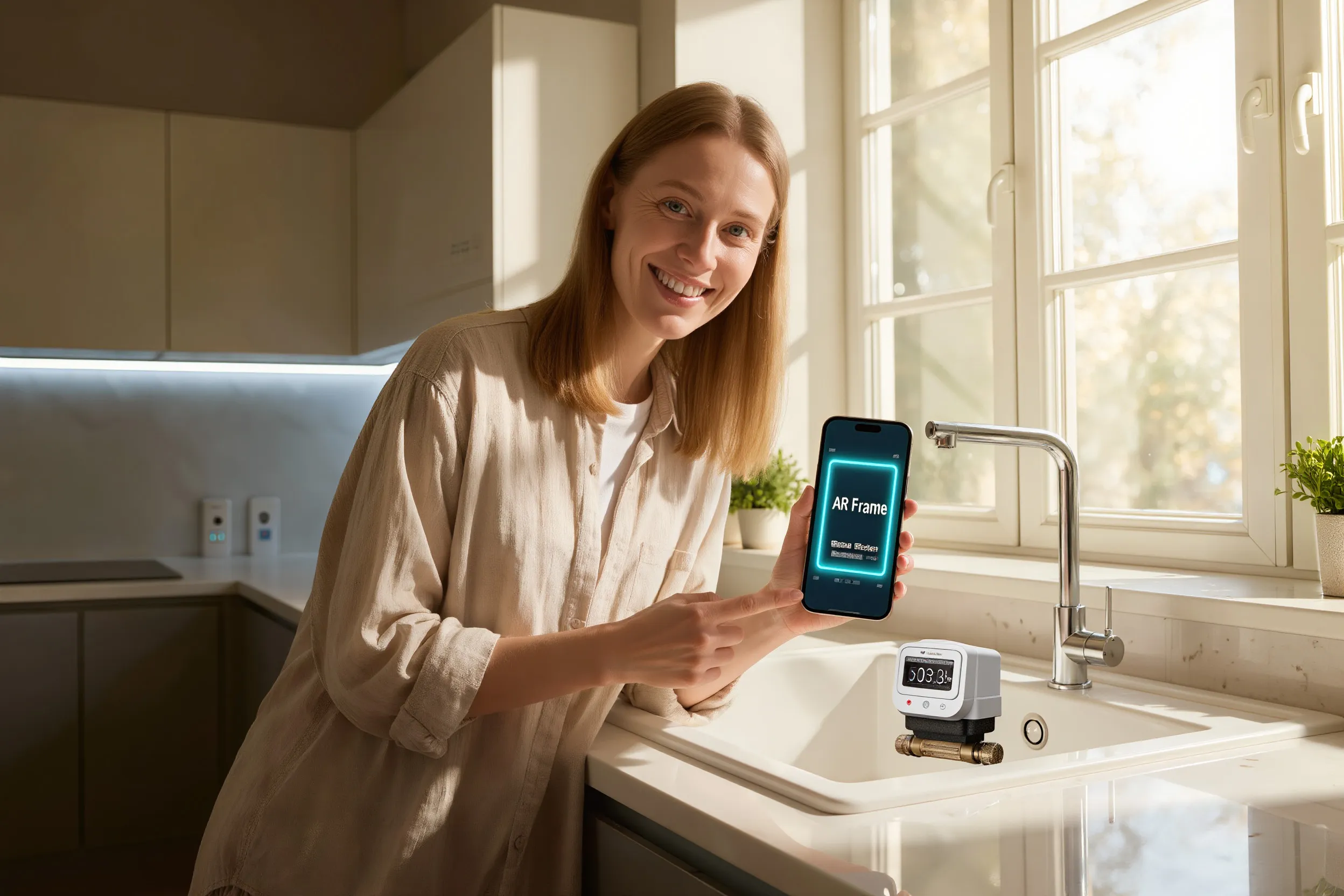
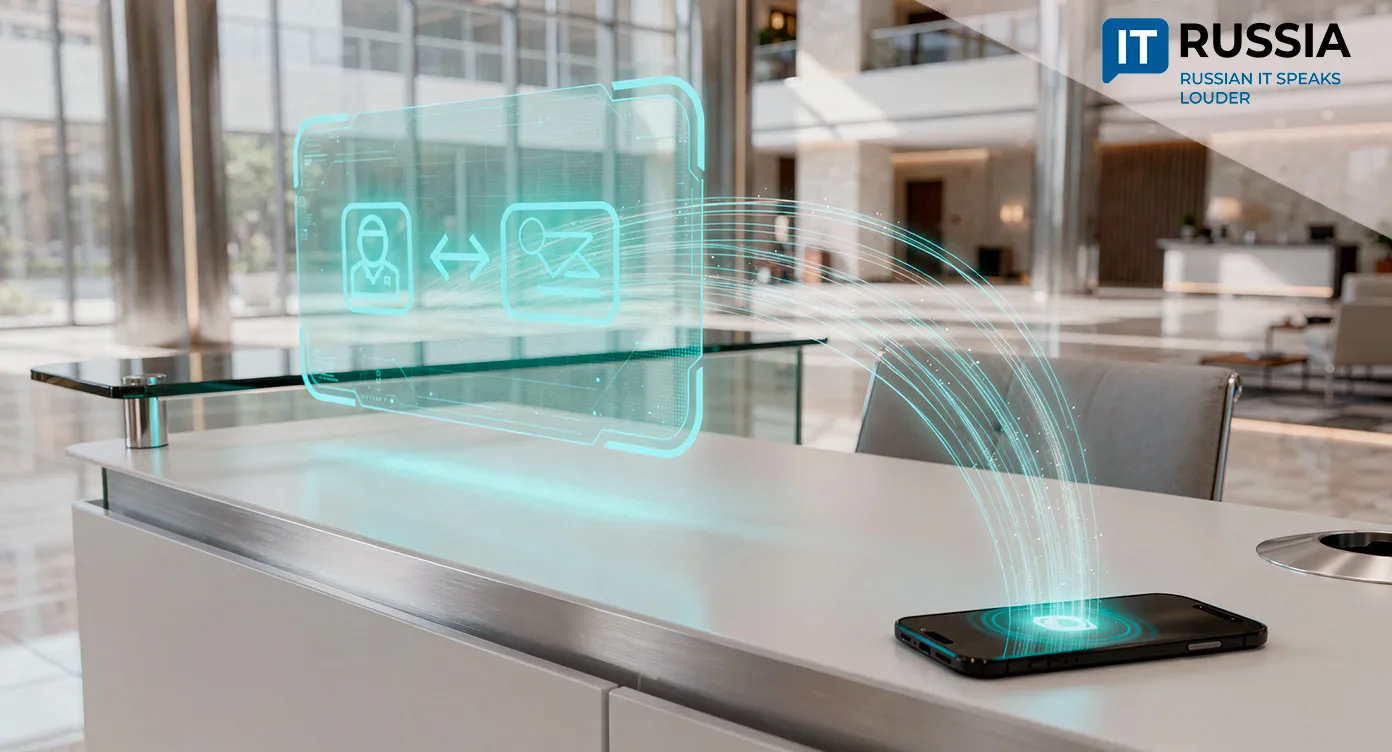
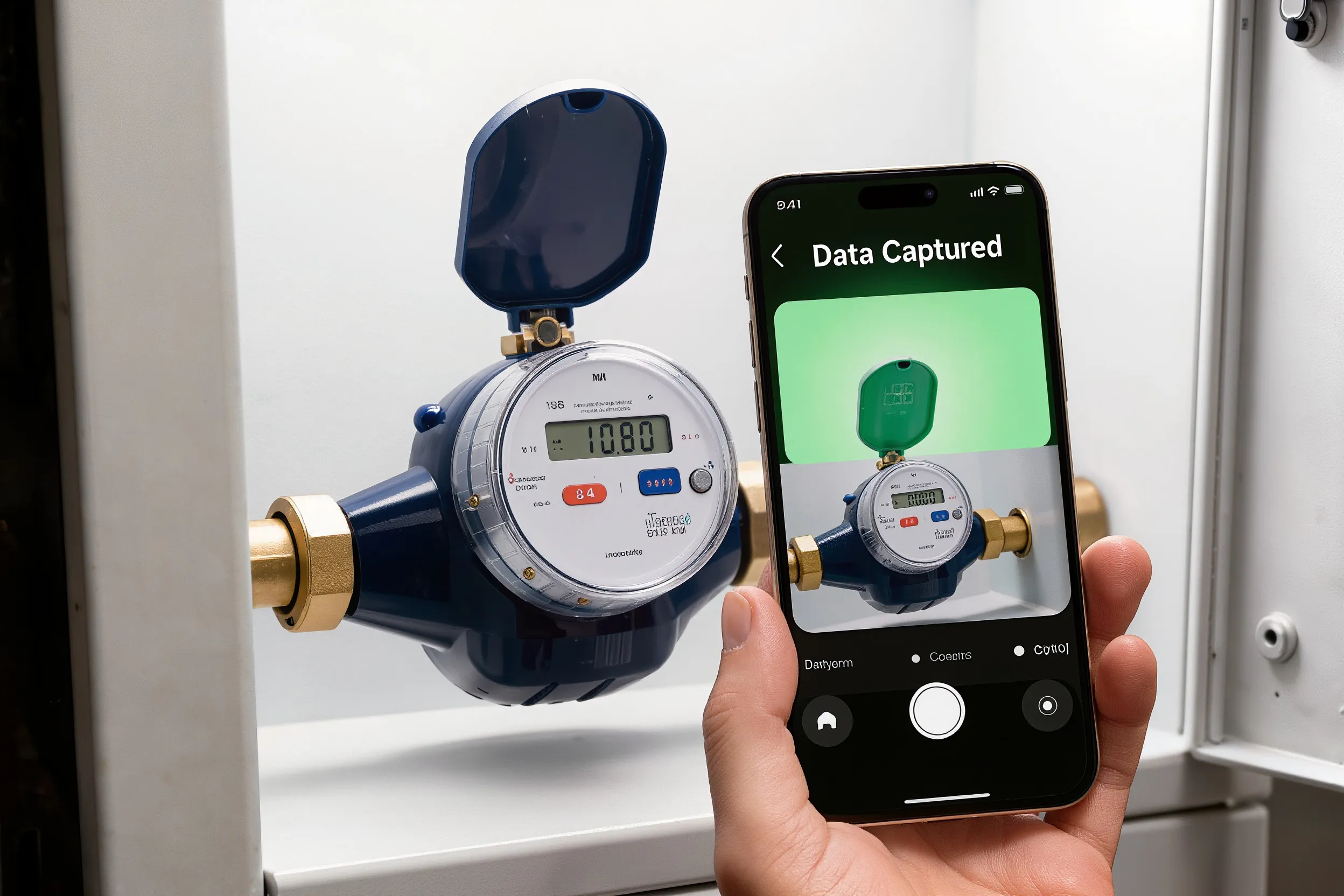
In the Electronic Home mobile application, a new feature is now available. Residents can submit water meter readings by simply taking a photo. In the “Readings” section, users tap the camera icon, photograph the meter, or upload an image from their gallery. A computer vision system automatically recognizes the numbers and fills in the corresponding field in the form. If needed, the data can be edited manually before submission.
The feature is available to authorized users whose buildings are connected to Moscow’s Unified Information and Settlement Center. Its main benefits include significant time savings, elimination of errors caused by manual entry, and an overall improvement in the user experience. For residents, this means a simpler routine task. At a broader level, it reflects Moscow’s consistent approach to deploying intelligent solutions across the housing and utilities sector.
From Text Recognition to Smart Networks
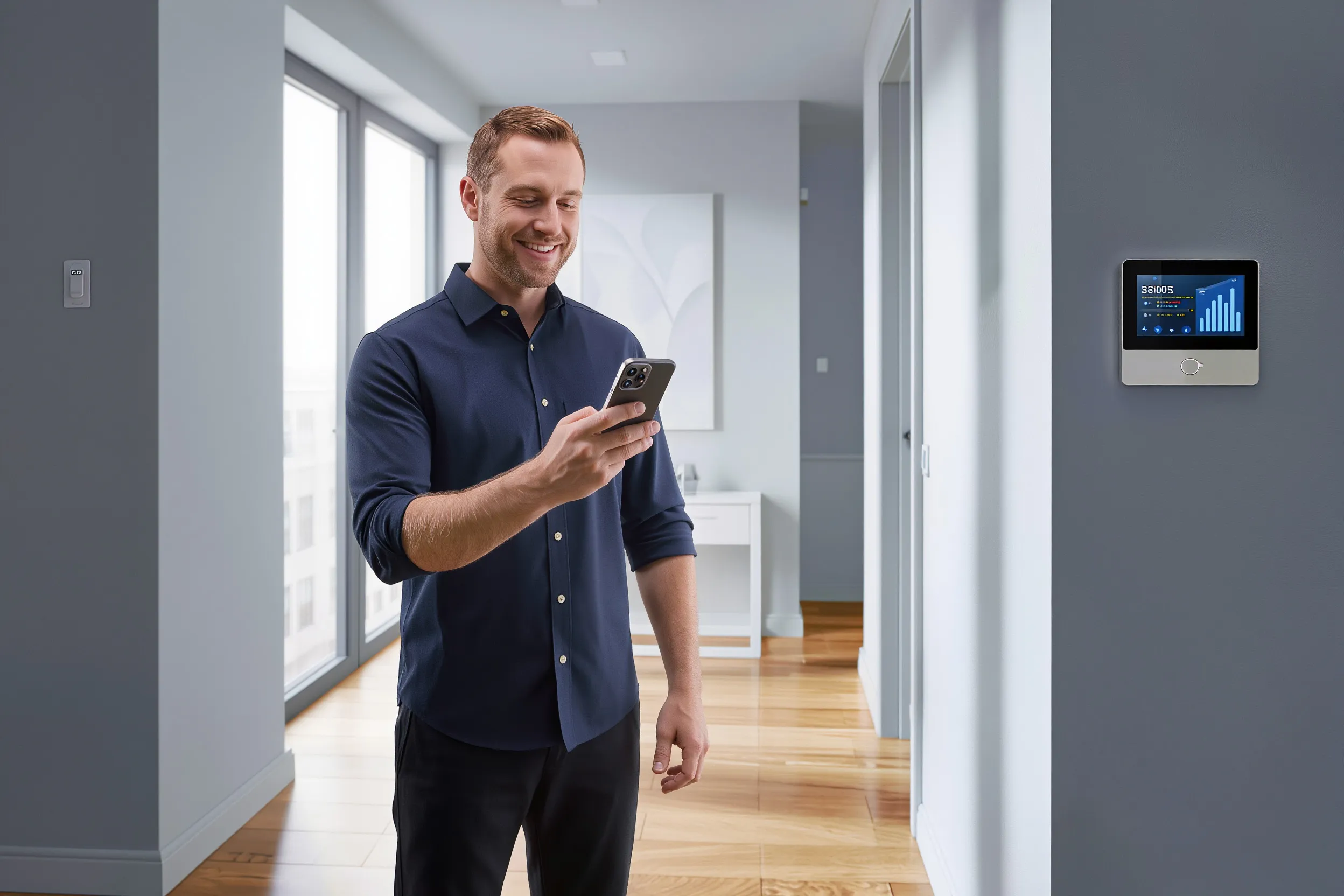
Although the feature is part of a narrowly focused service, the underlying technology has broader potential. Automated data recognition from images may be of interest to developers of similar platforms in other Russian regions and abroad, especially within the smart city framework.
Within Russia, a logical next step would be expanding this functionality to other regions and integrating it with major government digital platforms such as Gosuslugi. That would standardize the submission of meter readings and improve data quality for resource consumption analytics. From a technology standpoint, the current solution represents only an initial stage of deeper automation. The long-term shift is toward intelligent IoT meters that transmit data without human involvement. By 2024, Russia already had 13 million such smart meters in operation, and their number continues to grow.
Continuous Evolution and Modernization
The introduction of automated reading recognition is a natural outcome of years of digital transformation in the utilities sector. Large Russian cities began actively deploying remote management services for housing and utilities between 2020 and 2022.
Launched in 2020, the Electronic Home platform initially allowed Moscow residents to manage their buildings online, from receiving notifications and paying for services to reporting issues to management companies. In subsequent years, automation became the dominant trend. Features such as QR code-based meter submissions appeared, alongside pilot deployments of smart meters. Photo-based recognition is the next logical step in this evolution, designed to maximize user convenience. This development fits into a nationwide trend. Over five years, the regional digitalization index for urban utilities in Russia has increased by 40 percent.


Digital Tools Improve Urban Living
The new Electronic Home feature clearly shows how digital technologies raise resident comfort levels and reduce operational errors. It is a practical building block in creating a modern urban environment aligned with smart city principles.
Over the next one to three years, similar functionality is expected to appear in services across other major Russian cities. The real breakthrough, however, will come with the widespread rollout of intelligent IoT meters that enable fully automated data collection. Artificial intelligence and computer vision technologies used for reading recognition will form the foundation of more advanced systems. In this sense, today’s update is not an isolated feature but part of a large-scale, long-term transformation of the housing and utilities sector.