E-Scooters Under AI Surveillance
Russian company Netvision has developed a monitoring system designed to detect violations of traffic rules by electric scooter riders. As micromobility reshapes urban transport, the platform aims to give city authorities real-time visibility into behavior on streets and sidewalks.
How the “Digital Overseer” Works
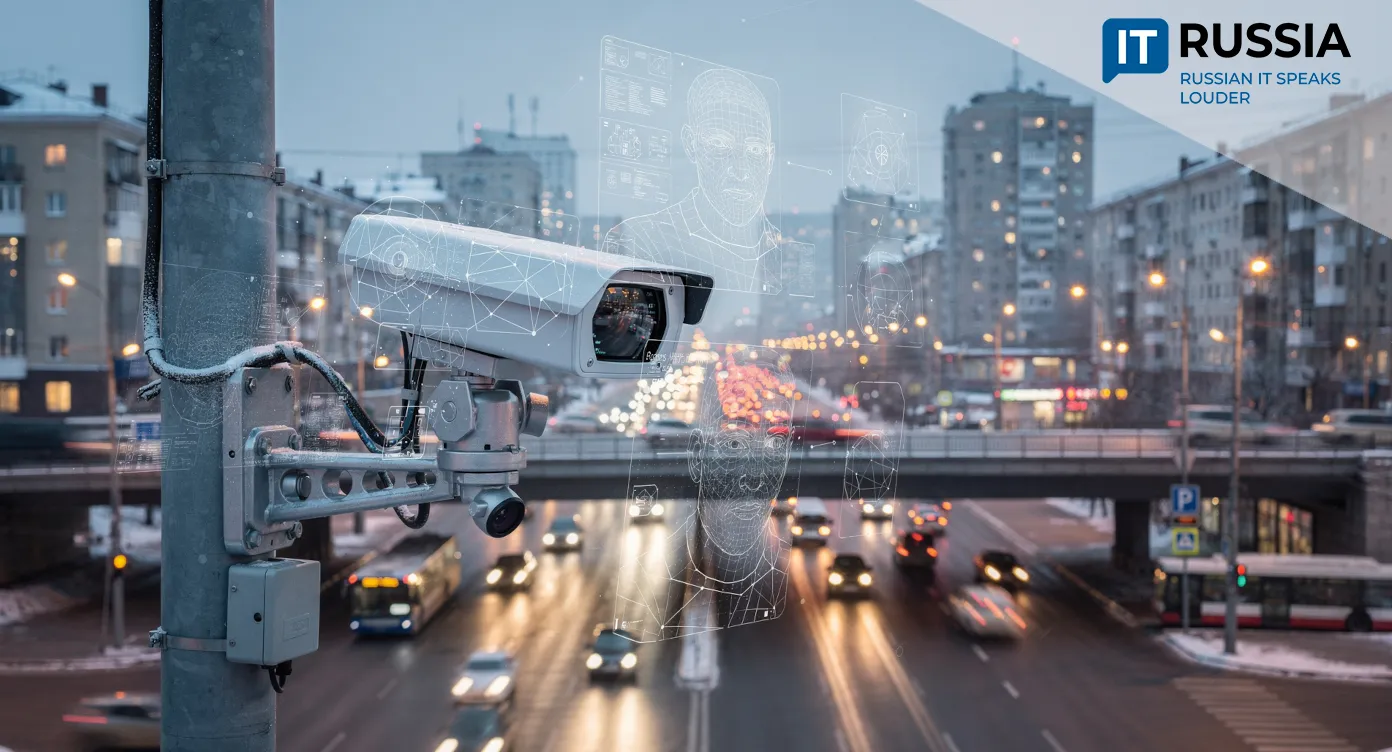
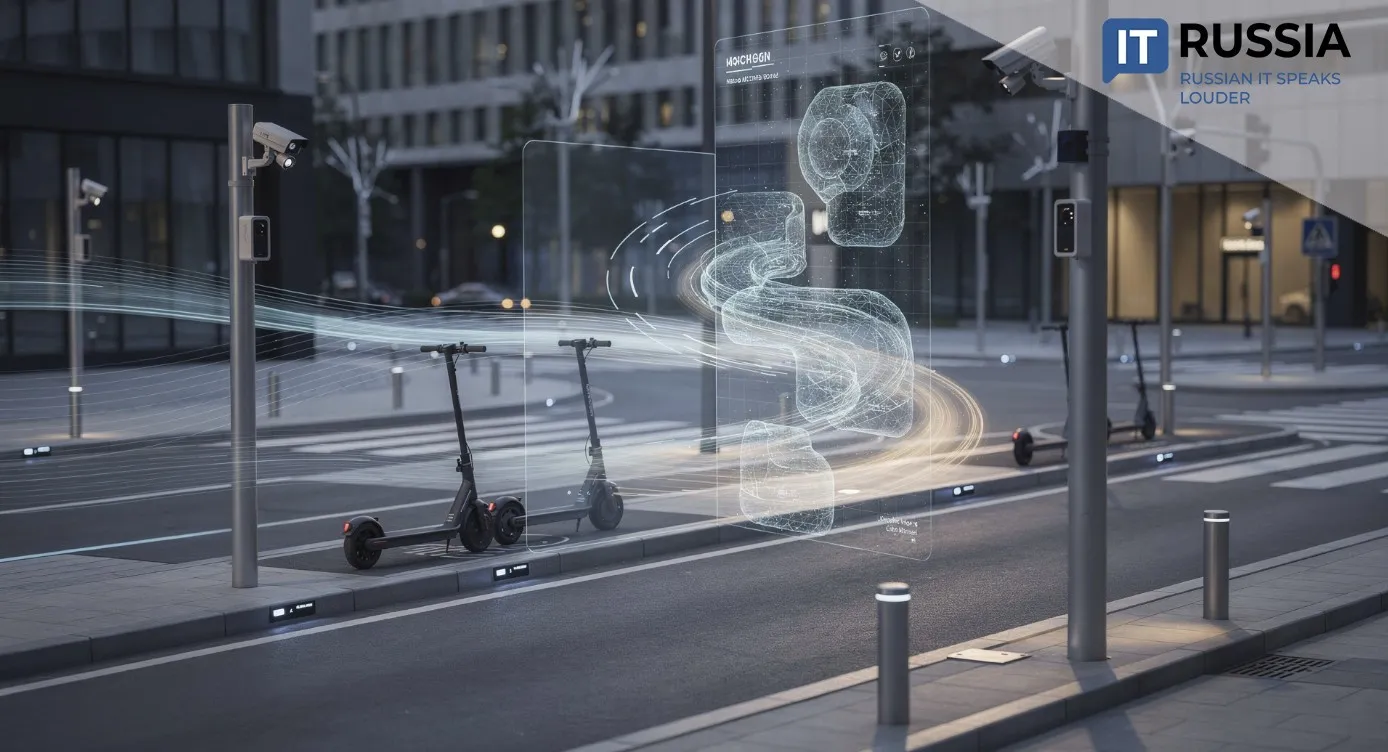
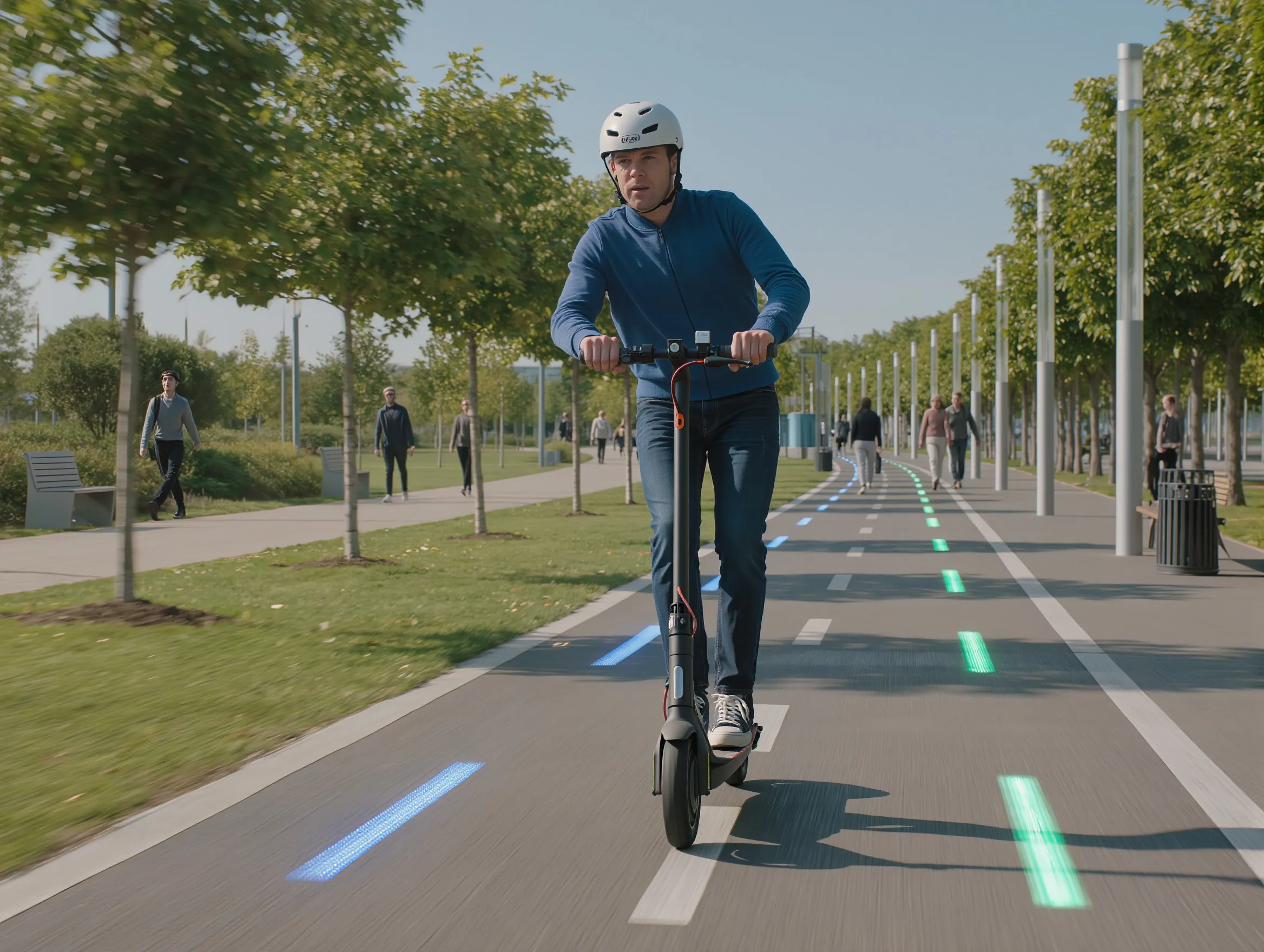
Netvision has created the Netvision Micromobility Control platform – an intelligent monitoring system that analyzes video streams from municipal surveillance cameras and automatically records violations involving electric scooters. These include riding with two or three people on one scooter, crossing pedestrian crosswalks without dismounting and parking in prohibited areas. Detection accuracy reaches up to 95%. A key feature of the platform is its ability to integrate with existing smart city camera networks and to process data locally through edge computing, which accelerates system response times.
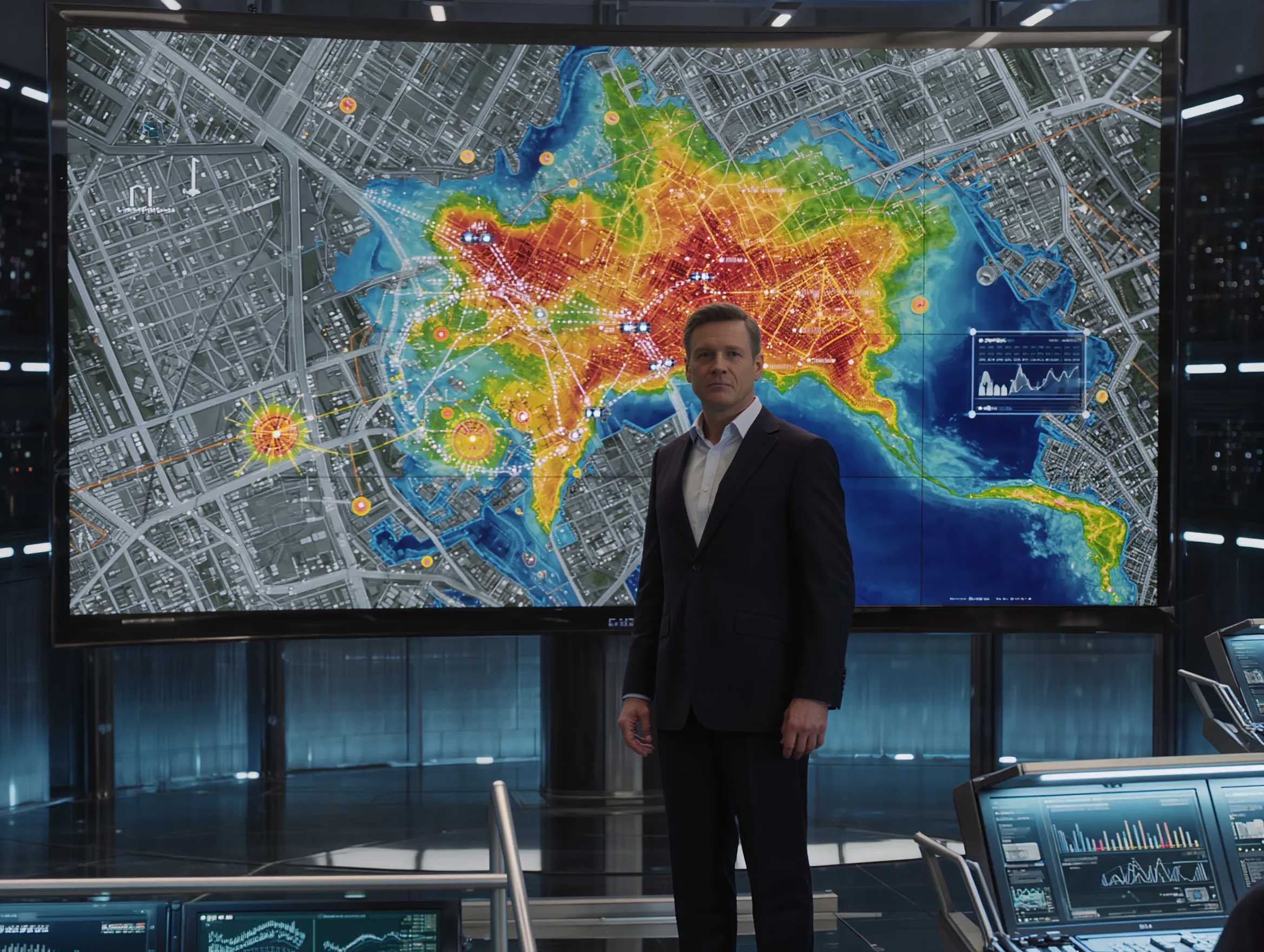
The company expects the system to be launched in three major Russian regions by the end of the current year. After deployment, municipal administrations will gain access to a dedicated analytics dashboard with traffic maps and dynamic data on violation concentrations by time of day and day of week. This will allow authorities to identify high-risk areas, introduce speed restrictions, optimize scooter parking zones and adjust traffic rules accordingly. Compared with the current situation – where cities rely largely on partial and limited data provided by rental operators – the new system offers a more comprehensive, objective picture.

Prospects in Russia and Abroad
Within Russia, the technology can be deployed in cities where scooter rental and other micromobility services are expanding rapidly. The system supports infrastructure planning by enabling the creation of safer routes, organized parking areas and speed-regulated zones. It can and should be integrated with municipal smart city platforms and existing traffic enforcement services, becoming another building block in a comprehensive, data-driven urban traffic management ecosystem.


The export potential is also significant. Many cities worldwide are facing similar challenges as micromobility adoption accelerates. To enter international markets, however, the system will need adaptation to local traffic regulations and legislation, multilingual support and certification aligned with national standards governing video surveillance and personal data protection.
Video Analytics – Past, Present and Future
Over the past five years, interest in video analytics for transport management, particularly for personal mobility devices, has increased substantially. In Europe and the United States, companies such as GoodVision already use similar technologies, and comparable initiatives have emerged in Russia. In October 2025, Nizhny Novgorod deployed the AI-based scooter violation detection system Argentum developed by Fractal. Earlier, in 2024, scooter sharing service MTS Urent introduced an AI solution that automatically transmitted violation data to monitoring systems. While these were not fully integrated platforms, they represented incremental steps that paved the way for more comprehensive solutions.
Netvision Micromobility Control represents a move toward a holistic and objective micromobility oversight system for cities. The platform does more than record violations. It provides authorities with analytical tools to make informed decisions, adjust policies and optimize road safety conditions. This makes the solution particularly relevant within broader smart city strategies.
Within the next one to two years, the technology may expand geographically and evolve functionally. Developers plan to extend monitoring beyond electric scooters to include electric bicycles and unicycles. Over a three- to five-year horizon, commercial adaptation for international markets is possible, provided regulatory and certification requirements are met. Overall, growing demand for intelligent urban analytics is expected to stimulate the emergence of increasingly comprehensive Russian AI solutions for transport infrastructure.