

A Teenager From Volgodonsk Has Built a Robot to Save the Sea
More than a year after a catastrophic fuel oil spill struck the Black Sea coast, the region is still struggling to recover. A 16-year-old student from Volgodonsk believes robotics can help. He has designed a prototype robot capable of cleaning up oil slicks, offering a potential new tool for long-term environmental restoration.
The Cost of the Spill
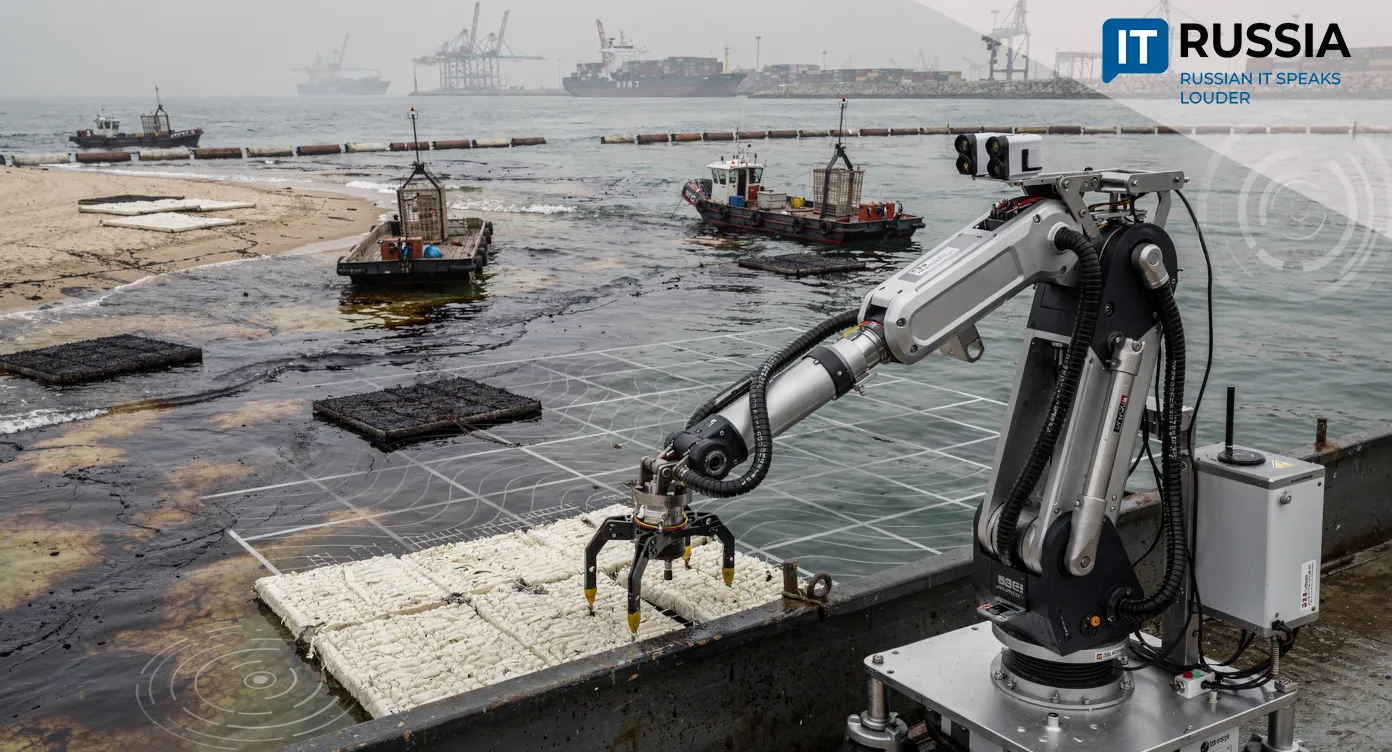
In December 2024, a storm in the Kerch Strait split the hulls of the tankers Volgoneft-212 and Volgoneft-239, which were carrying 9,200 tons of fuel oil. Between 2,400 and 4,000 tons spilled into the sea. Beaches in Anapa and Crimea, once known for clear water and tourism, became environmental disaster zones. Within two months, monitoring groups removed more than 186,000 tons of contaminated soil from the coastline. Wildlife suffered the greatest losses. An estimated 15,000 to 20,000 birds died. Around 150 volunteers involved in shoreline cleanup sought medical treatment.
The deeper challenge is time. Fuel oil contamination does not disappear in months. Ecologists estimate that full ecosystem recovery could take 10 to 15 years. Even in early 2026, waves continue to wash new traces of petroleum products ashore. Beach sand remains saturated with toxic residue, making recreation dangerous. The federal government allocated more than 14 billion rubles for response efforts, including vessel recovery and construction of protective infrastructure. In total, expenditures amount to approximately 168 million US dollars. Yet manual shoreline cleanup remains essential. In hazardous conditions, robotics can reduce human exposure.
From Competition Project to Environmental Tool
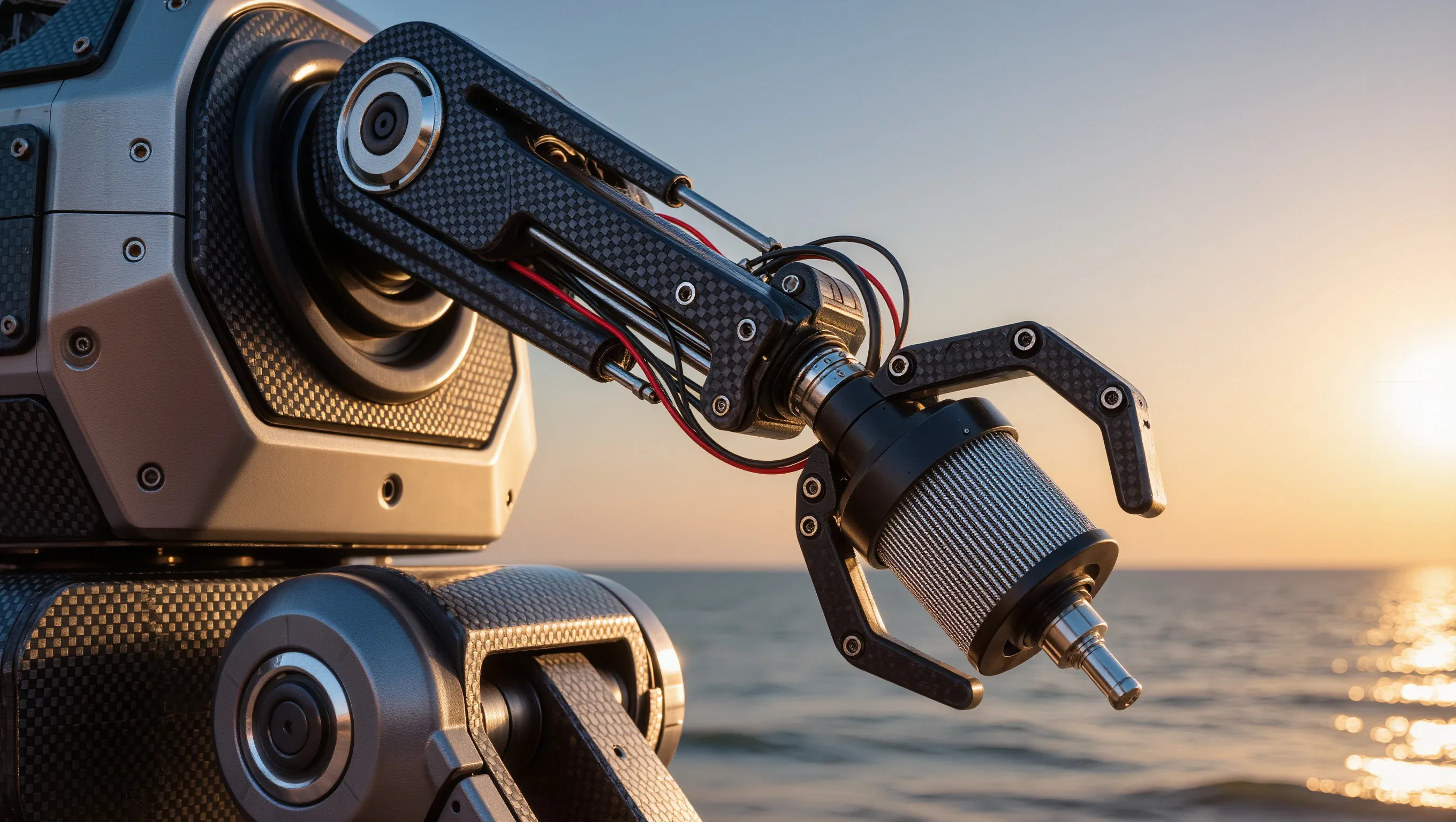
That is where Boris Putrin’s invention enters the picture. The 16-year-old engineer designed a robotic system based on automated, evenly distributed deployment of sorbents. The robot attaches to a vessel and, using onboard software, spreads absorbent materials across an oil slick in a controlled pattern. After saturation, boats collect the sorbent plates for disposal. Compared with manual scattering of absorbents, the system aims to improve efficiency and coverage.


Putrin presented the project at the Donskaya akademiya yunykh issledovateley (Don Academy of Young Researchers). A jury composed of scientists and engineers awarded him first place, citing both the technical complexity and the clear environmental application of the design.
“It all started with a winter robotics competition,” Boris said. “I knew from the beginning that I did not want to build a toy. I wanted to create something useful.”
Toward a Deployable System
For now, the device exists as a prototype. However, its potential applications extend beyond a single incident. The robot could be adapted for use in coordination with EMERCOM, Russia’s emergency response service. Equipped with contamination sensors, navigation systems and autonomous operation capabilities, such a platform could patrol port waters or target hard-to-reach coastal areas after major spills.
The environmental consequences of the Anapa spill will take years to address. Regional authorities and environmental organizations need affordable and mobile technologies that reduce cleanup time and protect human health. A compact, maneuverable robotic system could operate more safely and efficiently than manual crews. Deployed in numbers, such robots could form a distributed response network for coastal protection.