Muravey 24 Drones Deliver Cargo Across the Lena River in 15 Minutes
In Yakutia, 288 scheduled cargo flights have been completed across the Lena River between Yakutsk and the settlement of Nizhny Bestyakh. Using drones, 668.5 kilograms of cargo have been transported. The technology has the potential to transform logistics across remote and hard-to-reach regions.
Drones Enter the Logistics Chain
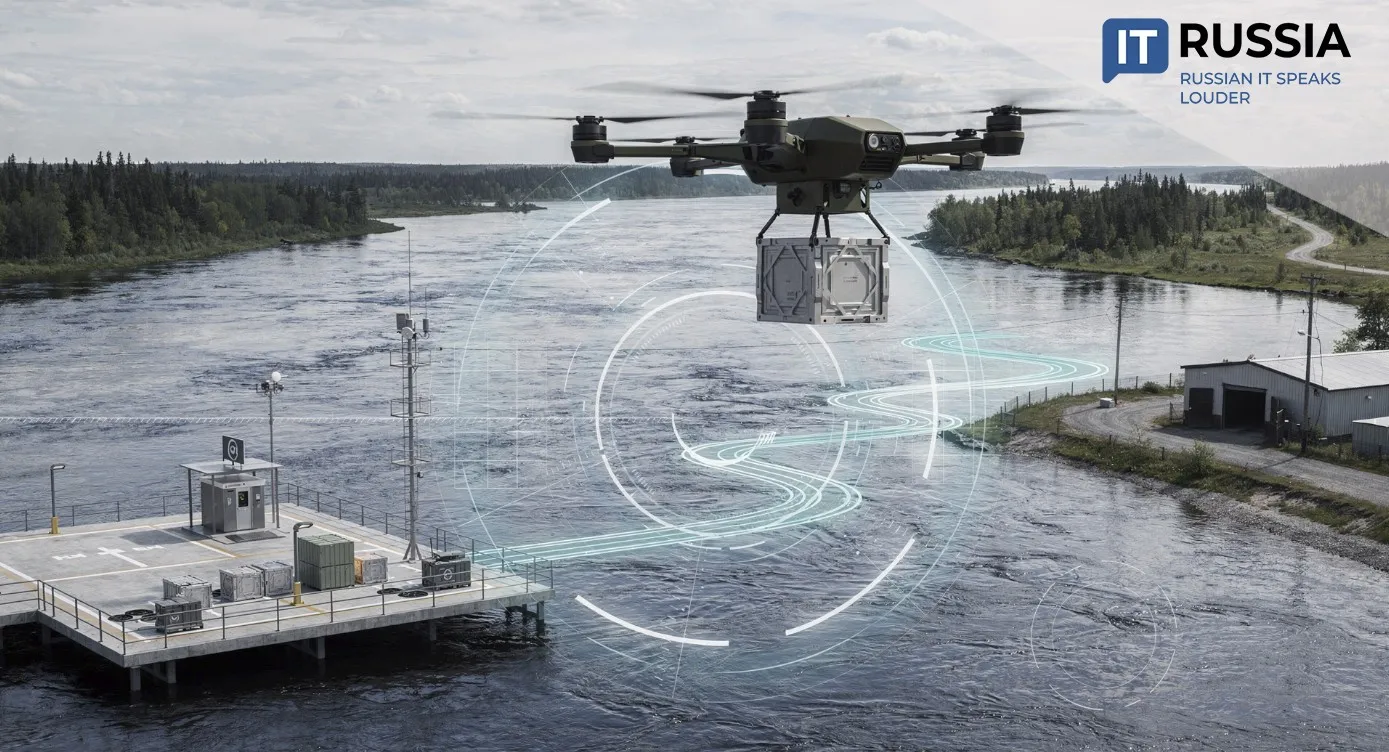
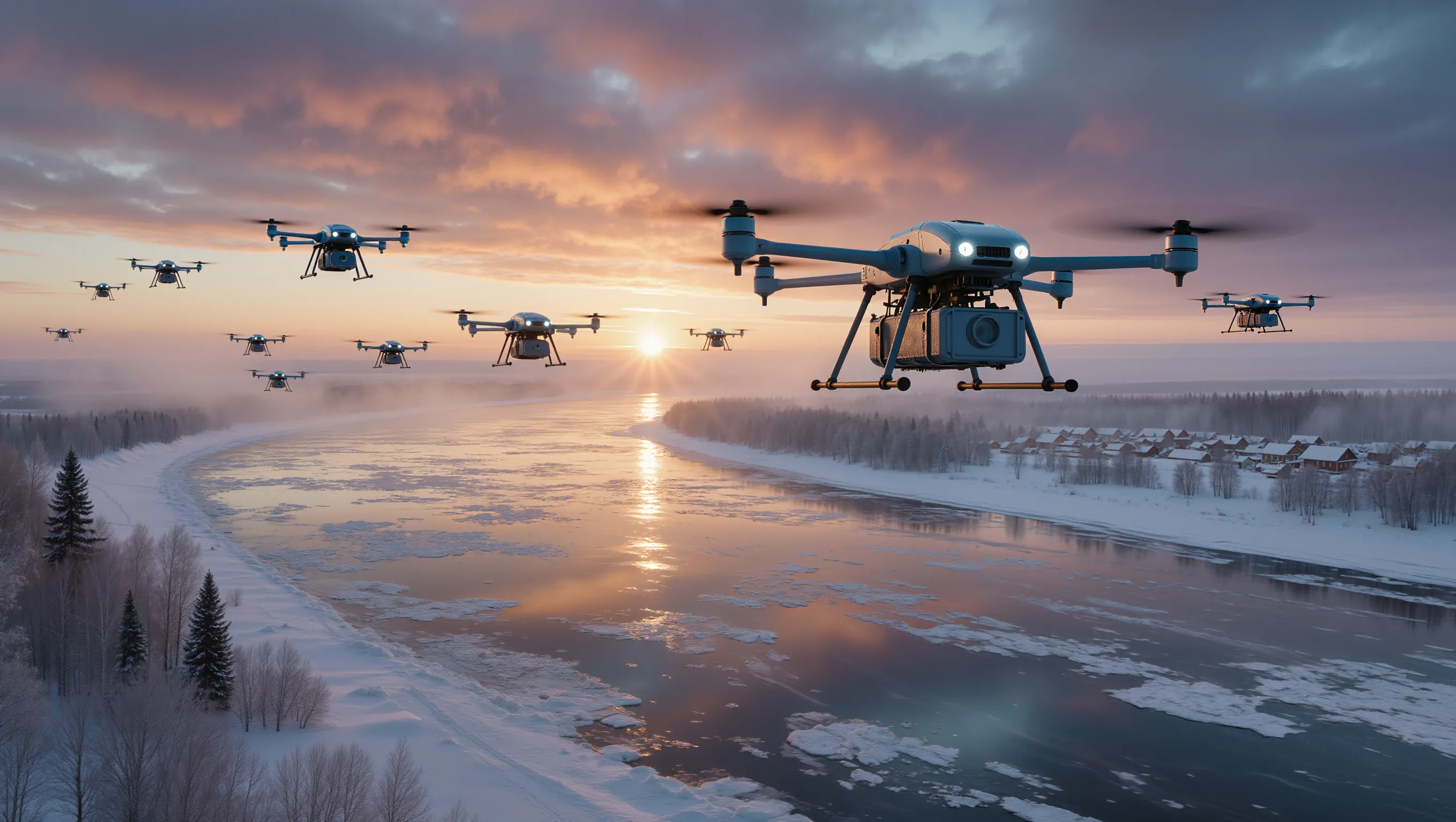
Since July 2025, Yakutia has been running a pilot project called Vozdushnaya Pereprava (Air Crossing). Unmanned aerial vehicles of the Muravey 24 (Ant 24) model, developed by the company Laboratoriya Budushchego (Future Laboratory), transport cargo across the Lena River. The 12-kilometer route is covered in approximately 15 minutes under favorable weather conditions.
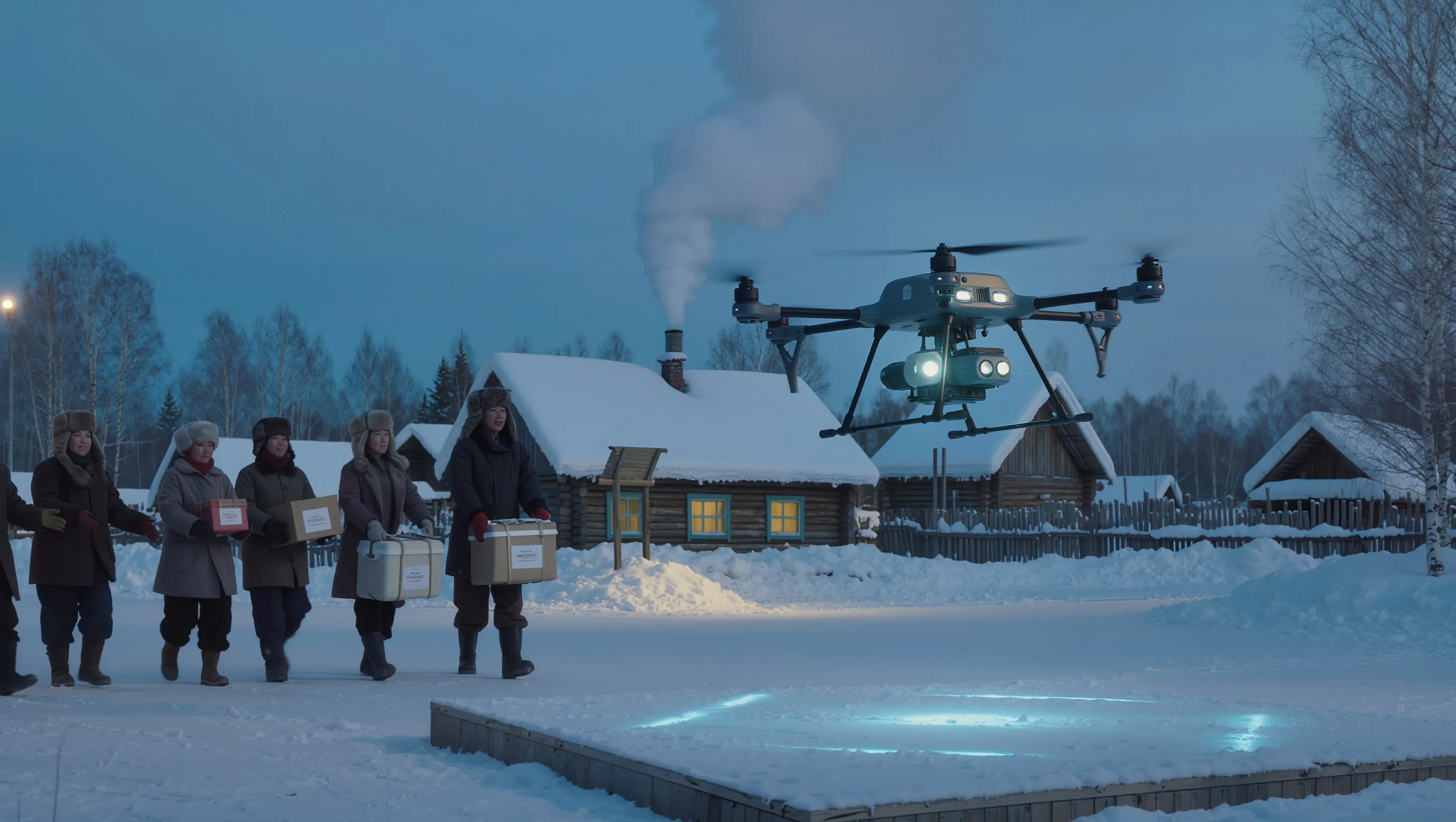
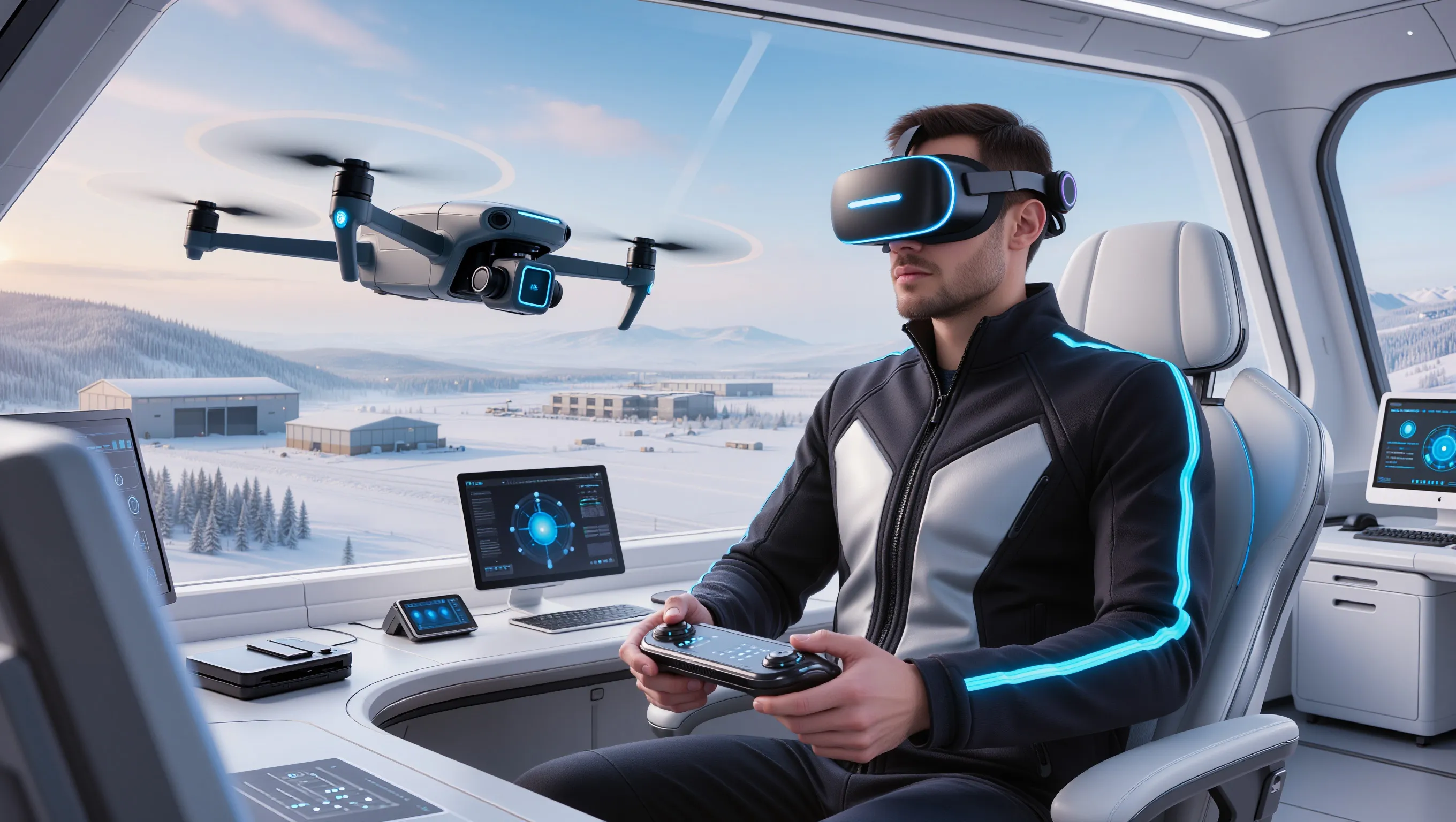
Over the course of the project, 288 flights have been completed and 668.5 kilograms of cargo transported – primarily food supplies, medicines and documents. On certain days, the drones perform up to 10 trips. The initiative was implemented by Technopark Yakutia in partnership with the marketplace Boon Market, with support from the republic’s Innovation Development Fund. Notably, UAV operators are students from the Yakutsk College of Communications and IT.
As a result of Vozdushnaya Pereprava, delivery times have been reduced by two to three times, and transportation costs for small shipments have declined compared to traditional methods. This marks Russia’s first experience with regular inter-settlement cargo drone flights, and it highlights the potential need for similar routes in other regions.
Where Do the Drones Fly Next?
The success of Vozdushnaya Pereprava opens significant opportunities for scaling the technology. Within Russia, it could be deployed in regions facing seasonal transportation constraints – including Siberia, the Far East and the Arctic – as well as in rural areas that remain difficult to access year-round. The model is particularly relevant for delivering medicines and essential goods.


The economic rationale is clear: small-batch logistics can become more cost-effective than road or river transport. Scaling the project will require training a sufficient number of UAV operators. Yakutia’s experience shows that such training can be organized through regional colleges. These institutions could also host maintenance centers for servicing drones.
The technology also has export potential. Russia could offer similar logistics solutions to countries with comparable geographic or climatic challenges, including Canada, Norway and Iceland. This may include exports of domestically developed drones as well as software for automated delivery management.
Learning from Cargo Drone Deployment
The Yakutia initiative forms part of a broader national push to develop unmanned aviation. Under the federal project dedicated to BAS (Unmanned Aviation Systems), work is underway on serial production and standardized operating frameworks for UAVs. Over the past year, excluding Yakutia, test drone flights were conducted across multiple Russian regions under varied climatic conditions, with different payloads and cargo types.
International experience also demonstrates the effectiveness of such solutions. Since 2020, Zipline has carried out regular medical drone deliveries in Africa and the United States, including emergency missions in remote areas. Yakutia is not only adapting best practices to local conditions but is actively relying on domestically developed platforms.
The Future of “Air Crossings”
Vozdushnaya Pereprava has demonstrated that cargo drones can operate effectively where traditional transport is constrained by climate and seasonality. Within the next two to three years, the project could serve as a blueprint for other regions, particularly those where waterways make roads impassable during certain periods of the year.
Rising demand for domestic UAVs such as Muravey 24 is stimulating growth in Russia’s unmanned aviation market and in drone-based logistics more broadly. The social impact is also substantial: faster delivery of essential goods improves quality of life in isolated communities and reduces dependence on costly transportation. Drones are moving beyond novelty status and becoming part of everyday infrastructure.