

Russian Scientists Build a Quantum Computer on a New Architecture
Researchers at MISIS University, supported by Rosatom, have developed a 16-qubit quantum computer based on a new architecture. The system has demonstrated operational fidelities exceeding 99 percent, bringing it close to key thresholds required for scalable quantum error correction.
A Visit Rooted in History
Rosatom Director General Alexey Likhachev visited MISIS University. The visit coincided with two anniversaries: the 125th anniversary of the birth of Avraamiy Zavenyagin, curator of the Soviet Atomic Project and the first rector of the Moscow Institute of Steel, now MISIS, as well as the 95th anniversary of his appointment as rector.
In the Laboratory of Superconducting Quantum Technologies, researchers presented Likhachev with a prototype of a universal, scalable quantum computer. He described MISIS as a central contributor to Russia’s quantum computing roadmap, highlighting the laboratory’s technical infrastructure and the strength of its research team. During the visit, he was awarded the title of honorary professor of the university.
A New Superconducting Architecture
The fluxonium architecture for superconducting qubits is widely regarded as one of the most promising approaches for advancing quantum computing. Unlike the more common transmon qubits, fluxonium devices offer extended coherence times, the interval during which a qubit preserves its quantum state. Longer coherence enables more complex computations before decoherence introduces errors.
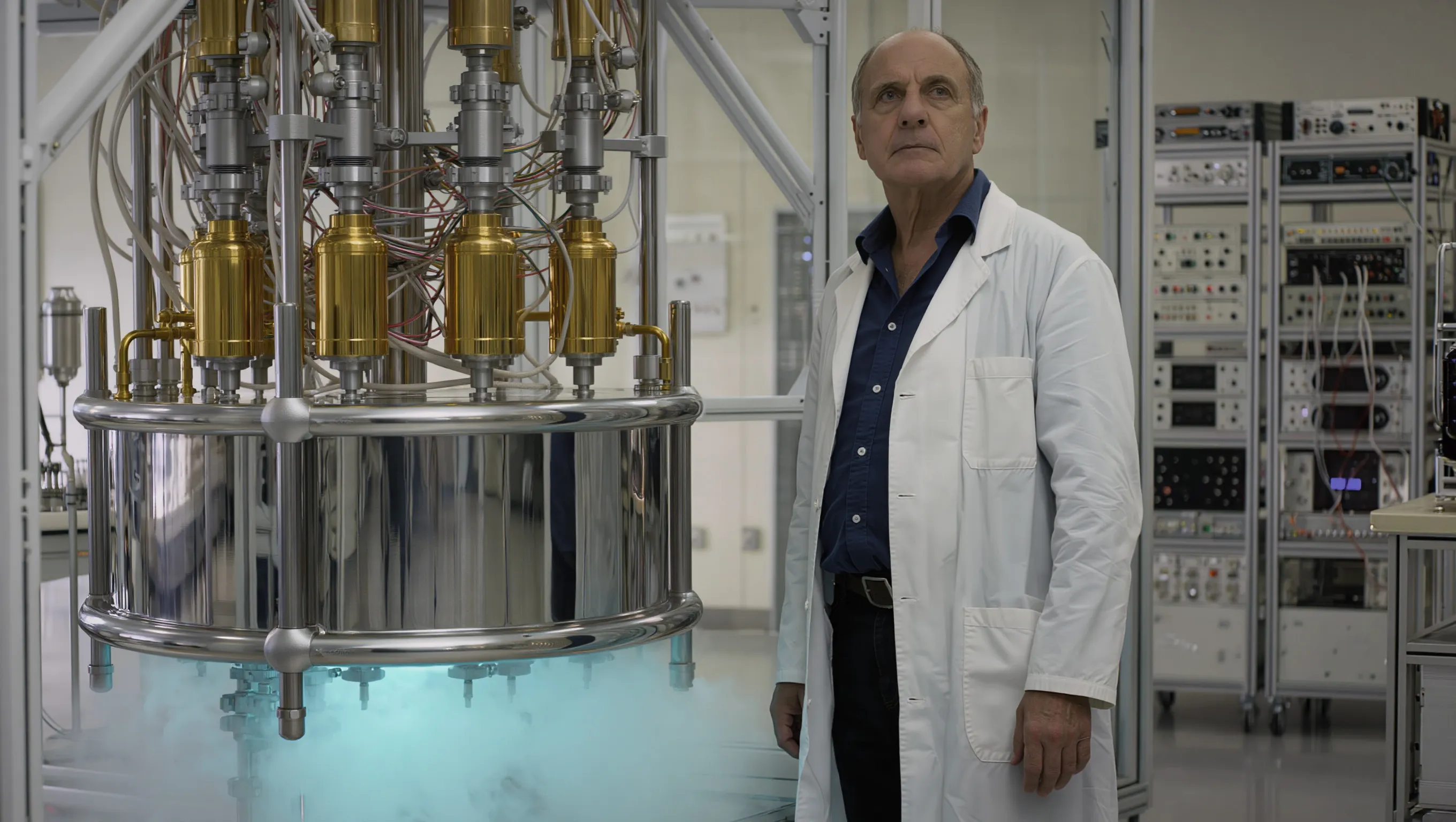
A second advantage is improved controllability. Fluxonium qubits allow more precise tuning of quantum gate parameters, directly affecting the fidelity of two-qubit operations. The Russian prototype is among the largest quantum processors in the world built on this architecture. By investing in fluxonium design, Russian researchers are positioning themselves in a specialized segment of quantum engineering at the frontier of global research.


Approaching the Error-Correction Threshold
In December 2025, the prototype underwent benchmark testing under Rosatom’s Quantum Computing roadmap. Average two-qubit gate fidelity reached 99.4 percent, while single-qubit operations achieved 99.8 percent. These values approach the threshold required for implementing quantum error correction, a prerequisite for scaling quantum systems beyond experimental devices.
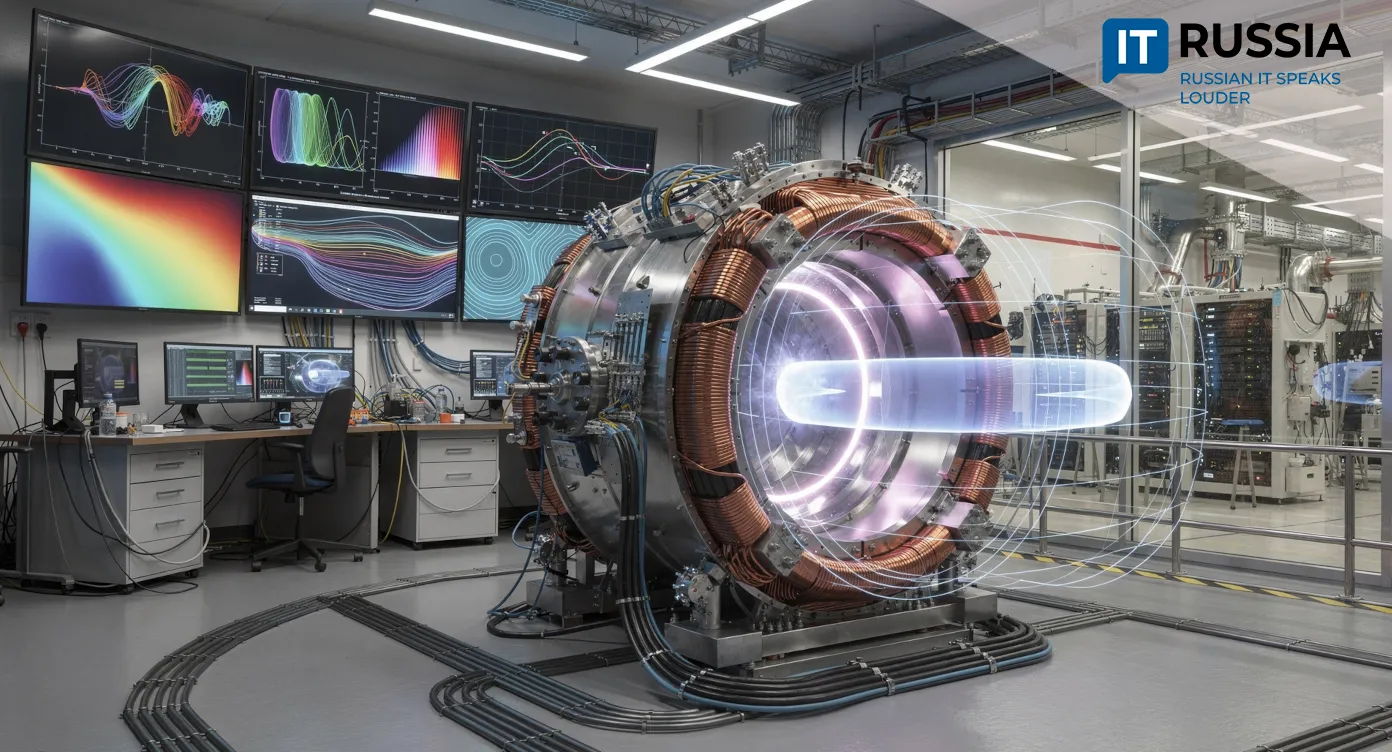
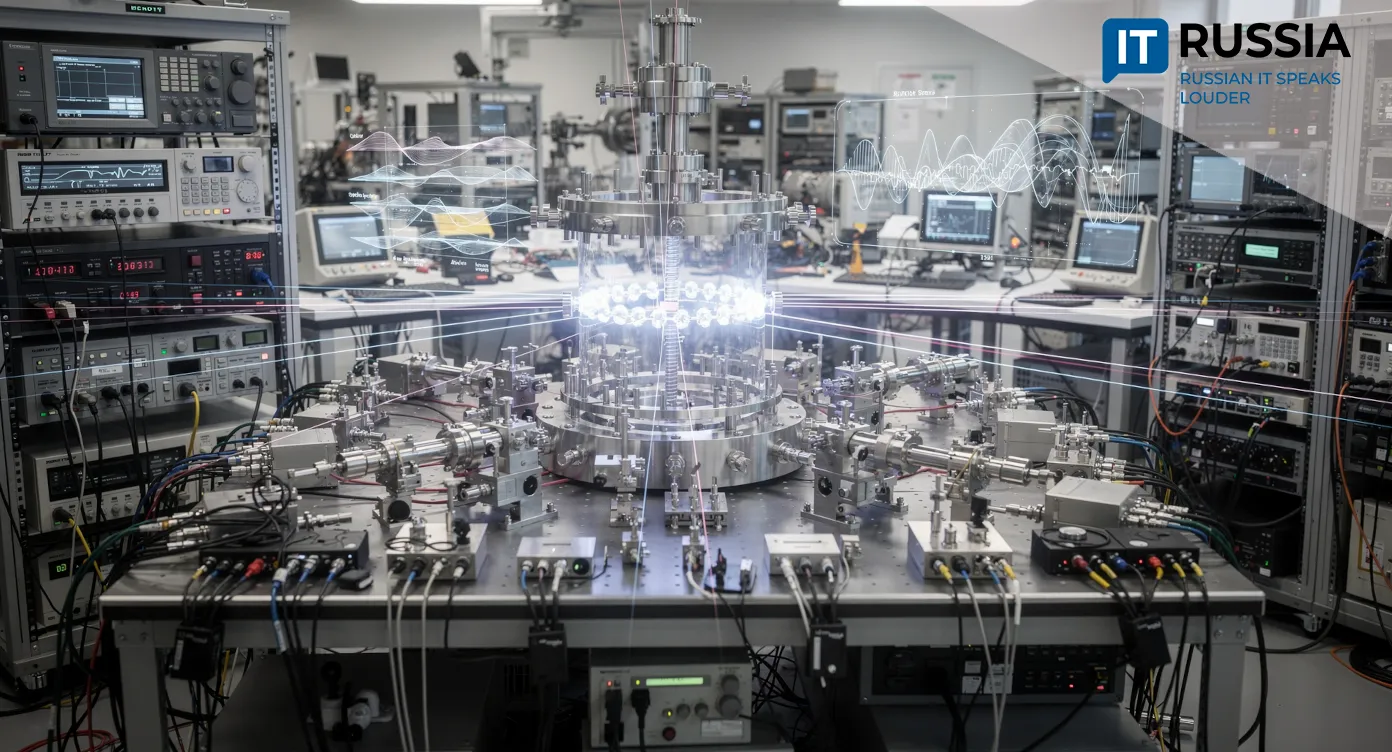
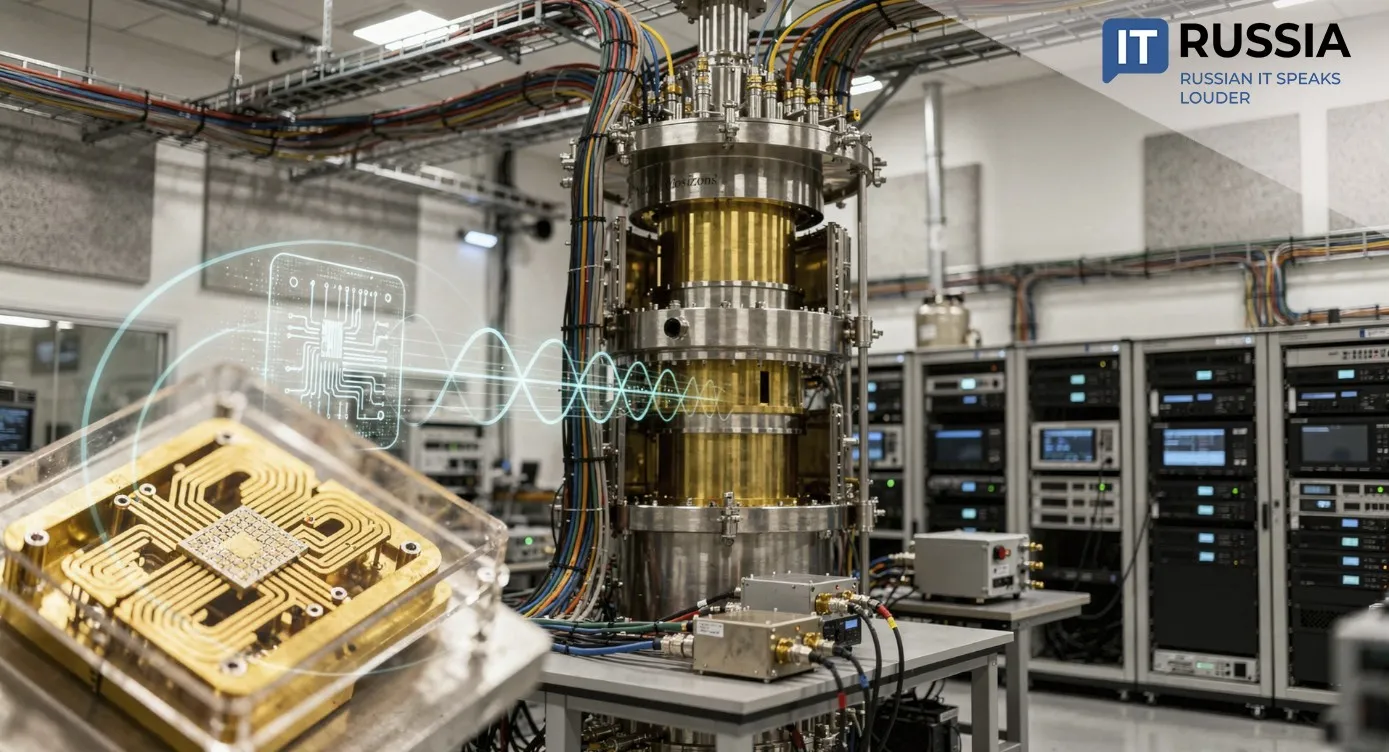
The system operates inside a cryogenic chamber at temperatures close to absolute zero. Superconducting circuits form the qubits, which are controlled using microwave pulses. Readout signals pass through ultra-sensitive amplifiers, while process control is handled by specialized software developed by MISIS. The computer is assembled entirely from domestically produced components.

Rosatom’s National Roadmap
Since 2020, Rosatom has coordinated Russia’s national quantum computing development program. The roadmap covers four technological platforms: superconducting circuits, trapped ions, photonic systems, and neutral atoms in optical lattices. MISIS is responsible for the superconducting track, including development of fluxonium-based architectures.
By 2030, Russia aims to build a 100-qubit quantum computer with error correction capabilities. The fluxonium prototype represents a critical step toward that objective. The university is also implementing the strategic project Kvantovyy Internet (Quantum Internet) to enable ultra-fast and secure information transfer under the Prioritet-2030 (Priority-2030) program. This work is led by Professor Alexey Ustinov, a prominent specialist in quantum physics.
Russia in the Global Quantum Landscape
Russia is among the first six countries to have created operational quantum processors with 50 or more qubits. In terms of platform diversity, spanning superconducting, ion-based, photonic, and atomic systems, the country ranks among the global top three. Different architectures are suited to different computational tasks, and this diversity provides strategic advantages.

Russian researchers are prioritizing architectures that may redefine the field, much as transistors once replaced vacuum tubes. A fluxonium-based quantum computer represents both an investment in technological sovereignty and a step toward next-generation computing platforms built on domestic scientific foundations.