

Digital Guardian of the Grid: Neural Network to Prevent Power Network Failures
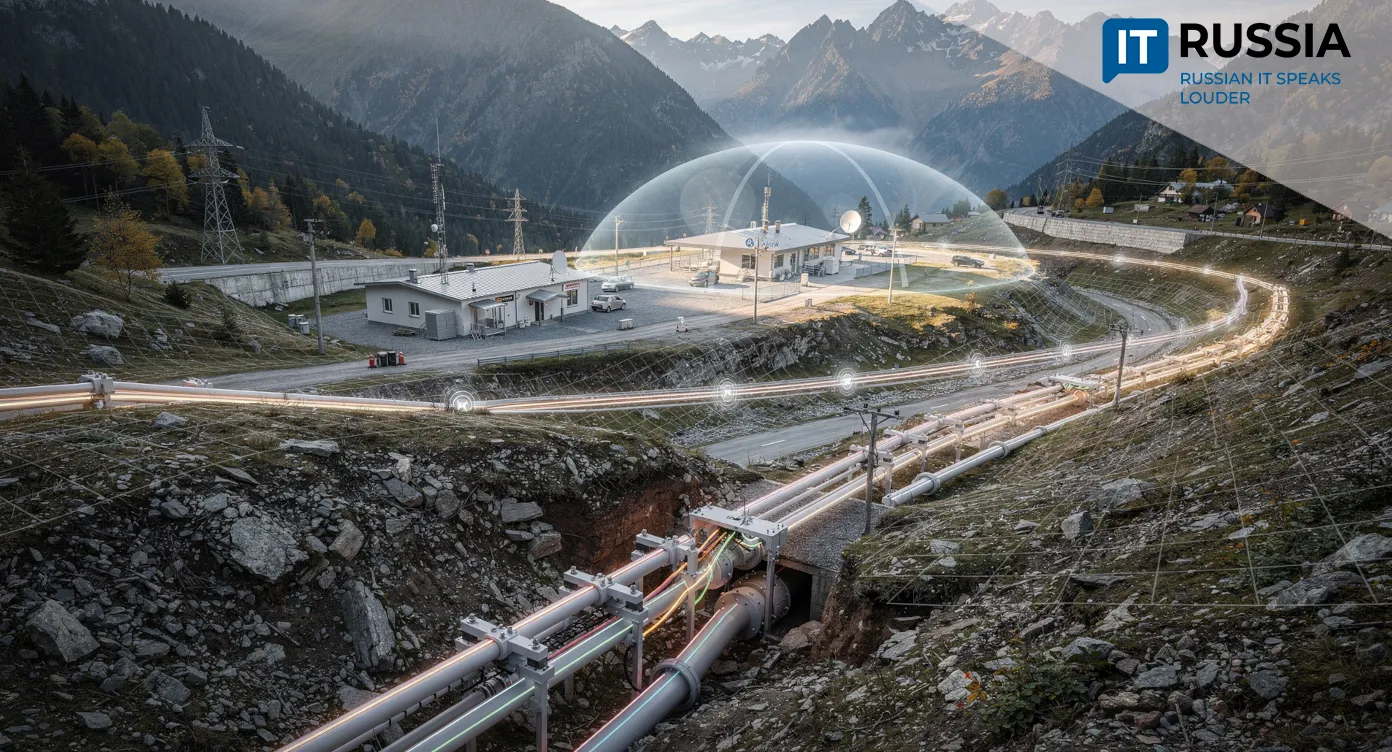
An intelligent system under development at Moscow Polytechnic University aims to forecast failures in power networks before they occur. While neural networks are still being trained to process vast datasets, researchers are preparing to test the platform on live segments of Moscow’s energy system.
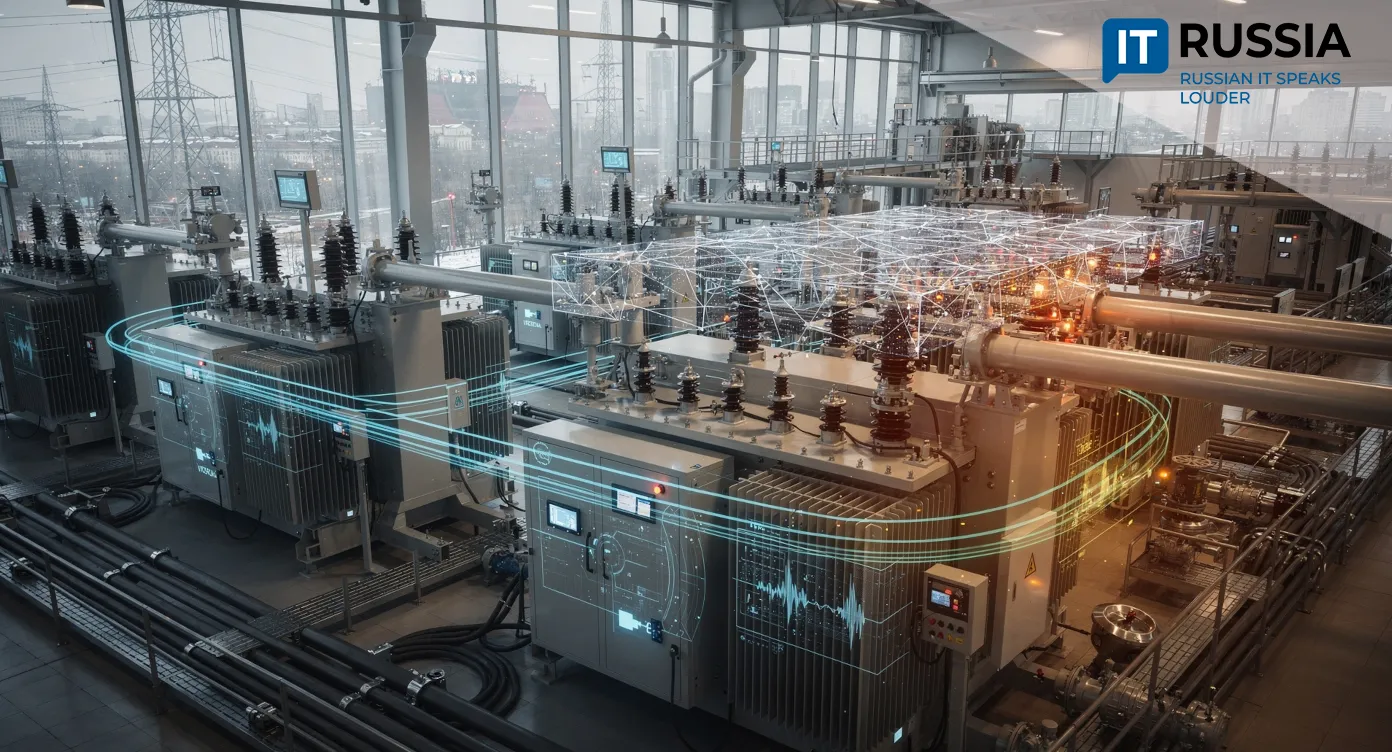
From Reactive Maintenance to Predictive Analytics
The system’s core distinction from traditional diagnostic methods, which typically identify issues after the fact, lies in its use of artificial intelligence and machine learning to analyze massive volumes of real-time data on equipment performance, load profiles and energy consumption.
This approach enables operators to anticipate malfunctions before they escalate into outages. According to Valeria Kolishchak, the system’s developer, the technology can also redistribute power flows and balance loads based on incoming data, reducing transmission losses and lowering fuel consumption across the network.
From Laboratory Prototype to Operational Infrastructure
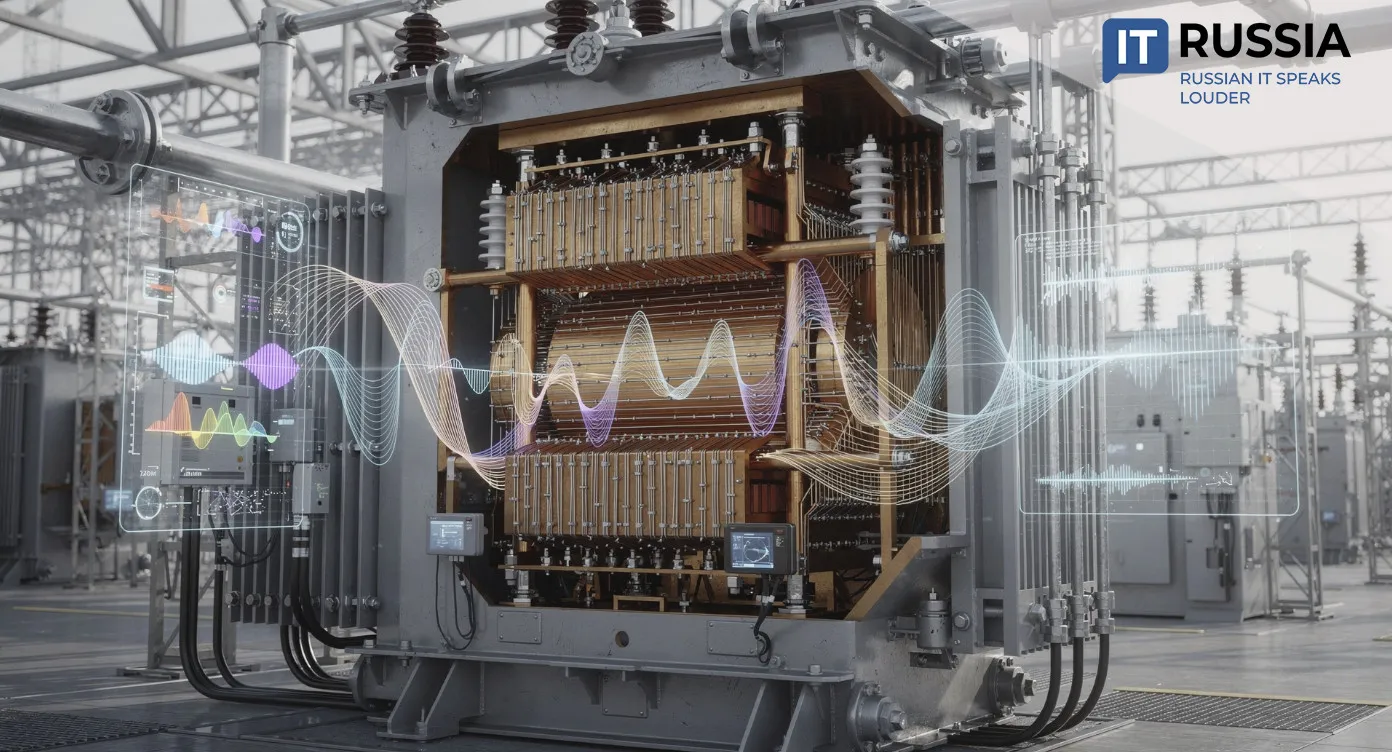
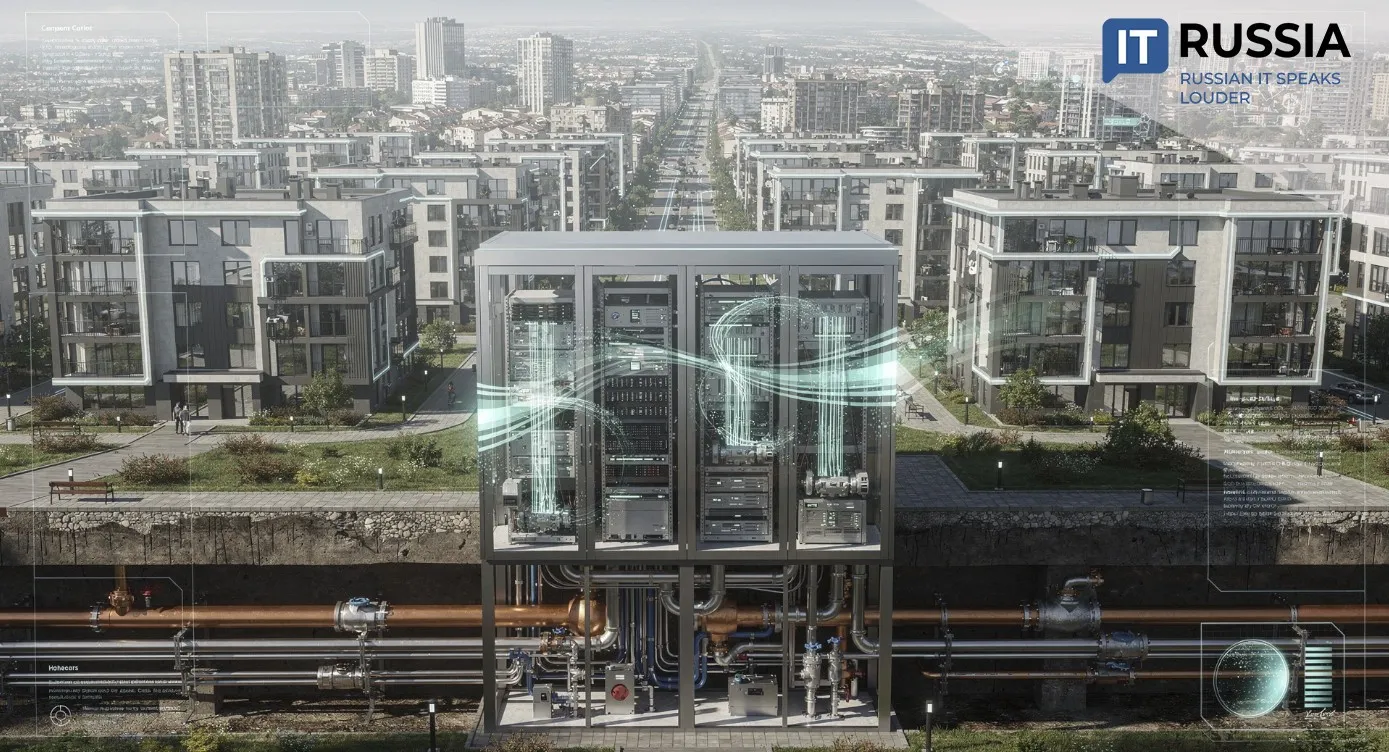
Kolishchak says real-world testing is scheduled on active grid sections overseen by the Moscow Analytical Center for Urban Economy. Developers are adapting the algorithms to ensure compatibility with a wide range of infrastructure, from boiler houses and district heating units to transformer substations, taking into account specific technical characteristics and operational regimes.
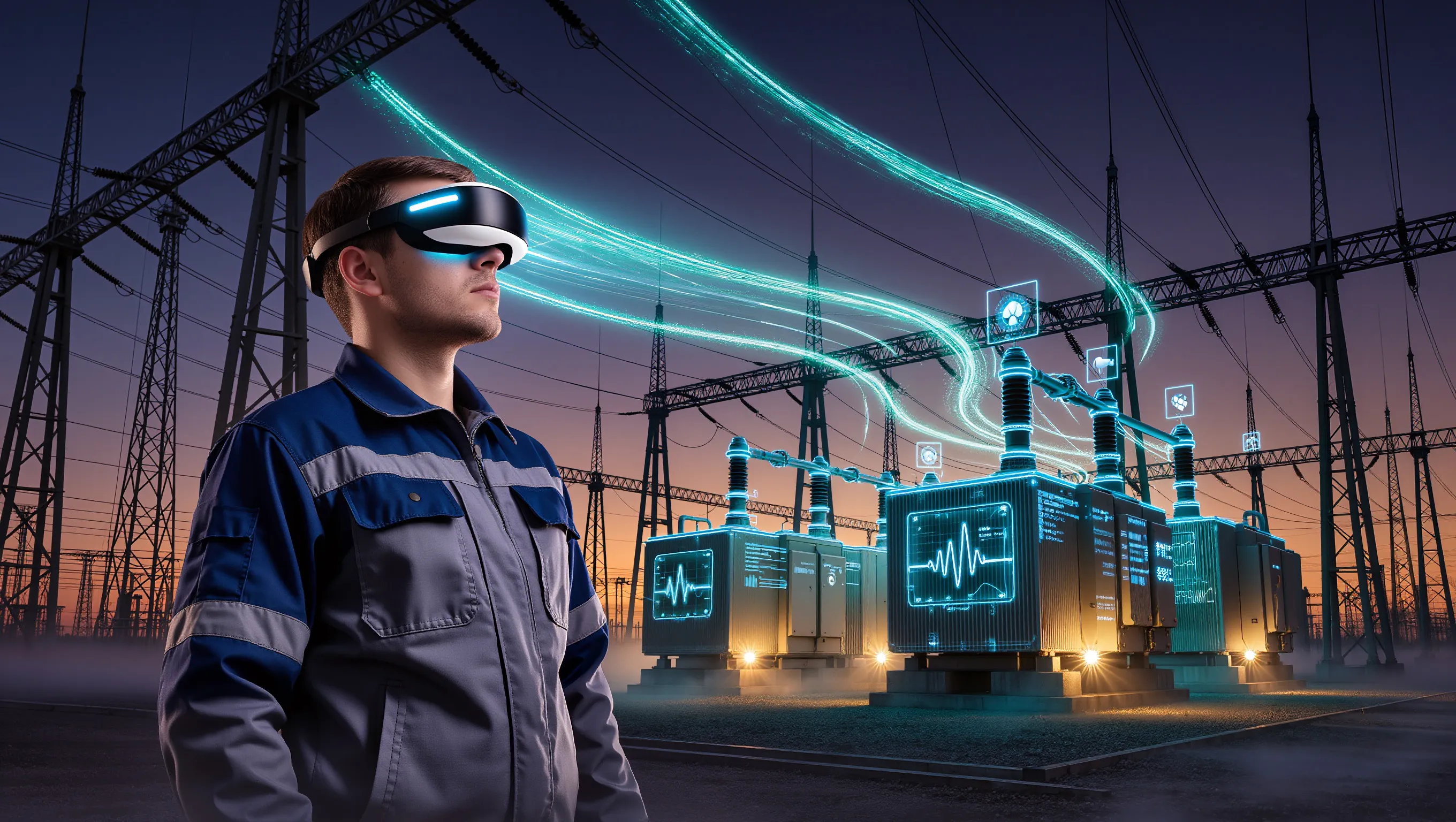
Following successful trials, the system could be scaled to other Russian regions. Expansion into international markets is also conceivable, given the growing global demand for predictive analytics in power systems.

Five Years of Digital Transformation in Russian Energy
In recent years, Russia’s energy sector has accelerated deployment of digital diagnostic tools, including AI-driven solutions.
For example, since 2016 the System Operator of the Unified Power System has been rolling out the information and control platform “Accident Database in Electric Power Industry” – IUS BAE – integrated with a digital information model of Russia’s energy system based on international CIM standards.
Researchers at Peter the Great St Petersburg Polytechnic University have developed a digital twin-based system that accounts for equipment wear and compensates for missing data while forecasting defects. The solution has already been tested at several power plants in the Northwestern region and has increased the marginal revenue of combined heat and power plants.
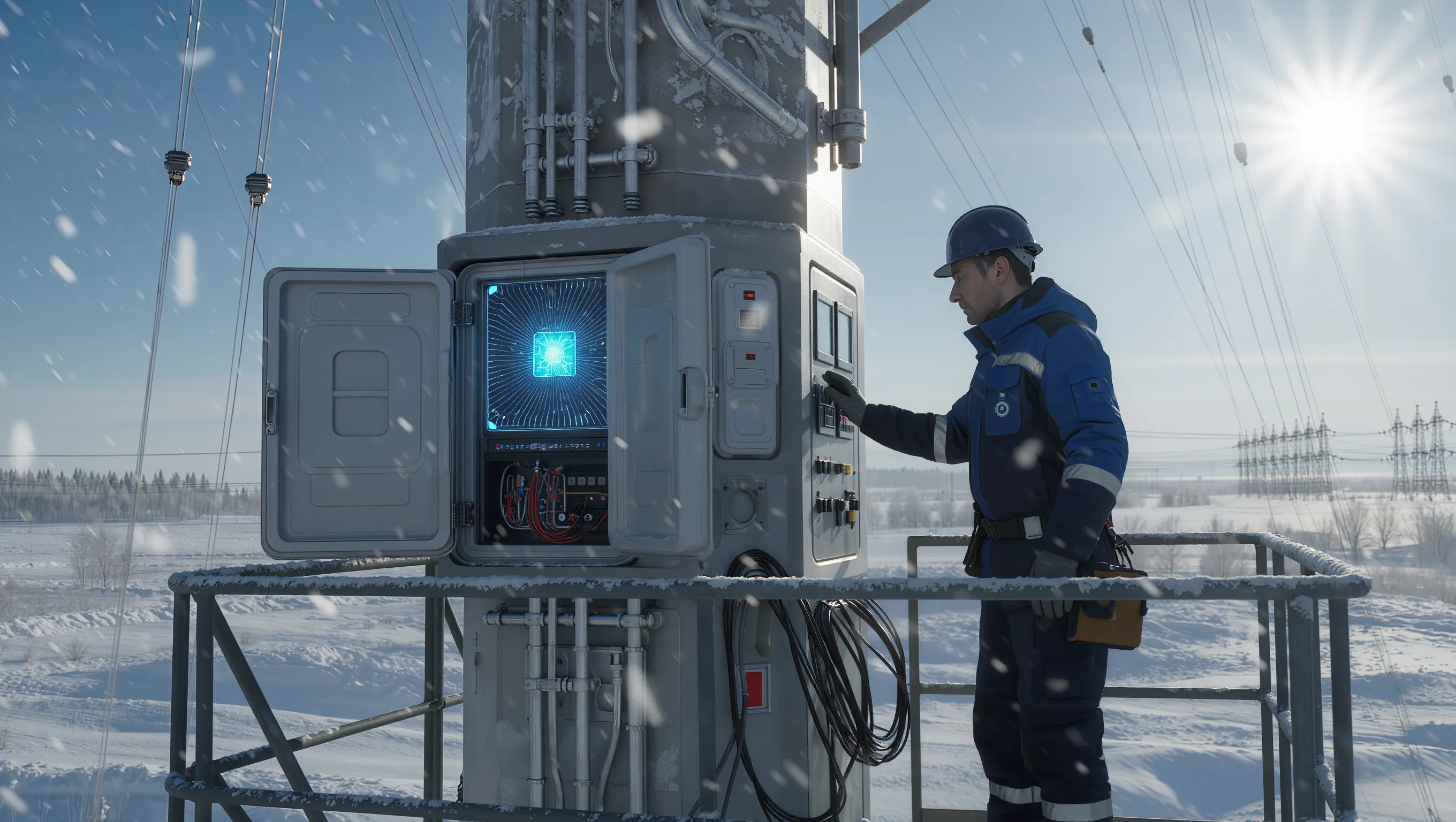
As with the Moscow Polytechnic project, this initiative is supported by the state program “Priority 2030” and forms part of broader localization efforts within Russia’s energy technology stack.
Major energy companies are also deploying intelligent systems. Rosseti is using AI to monitor transformer temperatures and electricity consumption levels in Tatarstan and the Moscow region.
At the Sayano-Shushenskaya Hydropower Plant, in cooperation with RusHydro, an AI-based system has been introduced to predict overloads and prevent hydraulic shocks, extending generator service life.
A New Reality in Energy Management
The rapid integration of artificial intelligence into grid management reflects structural necessity rather than technological fashion. The Moscow Polytechnic initiative exemplifies coordinated efforts among academia, government and industry to digitize critical infrastructure.

AI-driven predictive analytics for power systems is already standard practice in leading global economies. Russian developments align with this trajectory, and their demonstrated performance suggests potential for widespread adoption both domestically and internationally.
Contemporary challenges demand a swift transition from laboratory research to commercially viable solutions. The experience accumulated by Russian researchers, closely aligned with the operational needs of the energy sector, strengthens the country’s position in emerging digital energy markets.