Voice Assistant Handles More Than 250,000 Calls to 122 Hotline in Russia’s Udmurtia Over One Year
Voice robots capable of filtering incoming requests are gaining traction across public services, helping agencies reduce operator workload and improve efficiency.

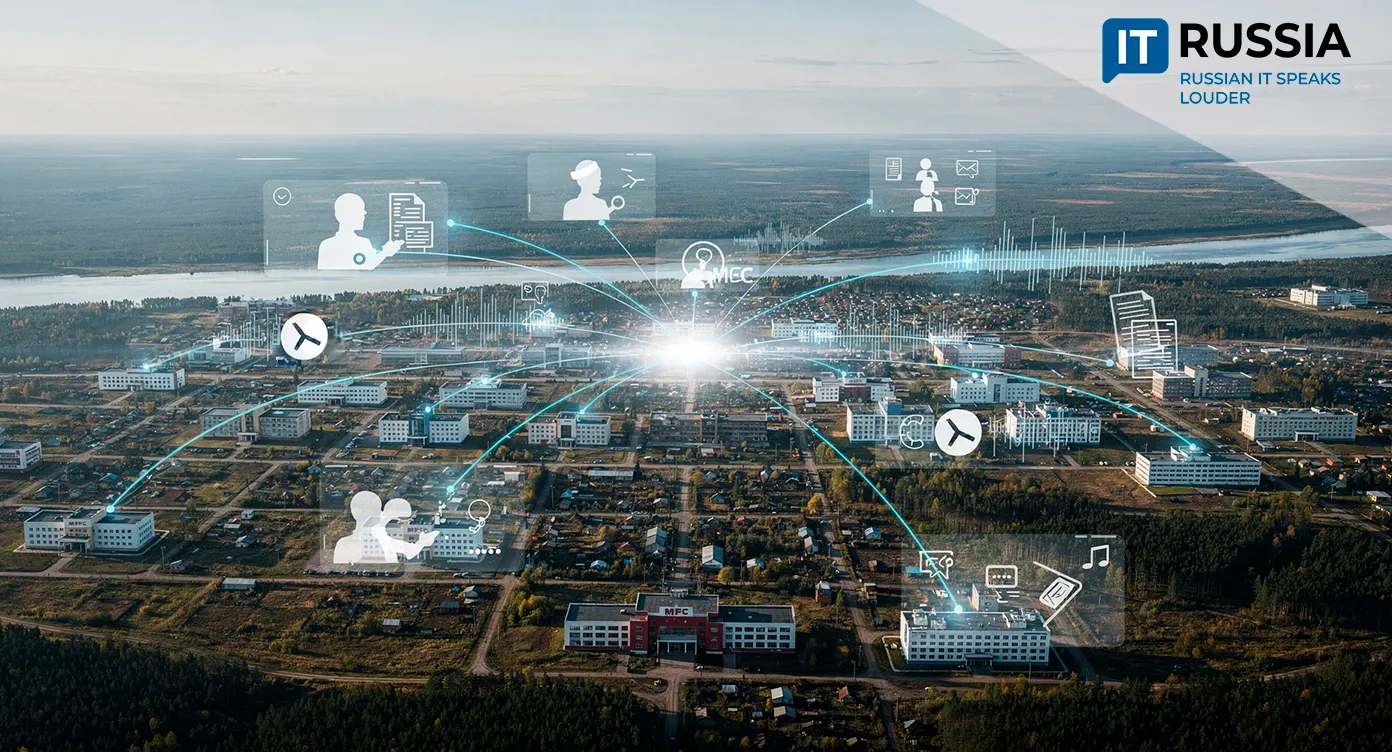
The public call center (Sluzhba 122), which operates through regional MFTs (Multifunctional Centers for Public Services), is shifting from a traditional dispatch model to a hybrid setup where a robotic voice interface takes on part of the initial load. In Udmurtia, the voice assistant handled more than 250,000 calls from residents in 2025. That significantly reduced the burden on human operators by filtering out routine, repetitive, or non-relevant requests.
Reducing operator workload is more critical than it may seem at first glance. In Udmurtia, operators at the 112 emergency service processed up to 3,200 calls per day in 2024, yet only about one-third of those calls were tied to actual emergencies requiring response. In practice, speech technologies and analytics are now being deployed across critical government infrastructure, while contact center operations are increasingly automated.

Machine Assistant
Over time, the robotic assistant can evolve into a full-fledged digital filter and operator aide. It can clarify the type of incident, assess urgency, capture initial details, recognize addresses or geolocation, flag false calls, and pass a structured incident record to the operator. The technical groundwork for this shift is already in place.
This model – “voice robot + operator + unified call processing system” – has already become a global trend. That creates potential for Russian solutions to gain traction in other countries, particularly where cost-efficient infrastructure is needed with support for Russian or regional languages and integration with government systems.

Regions Move Forward
In December 2019, Udmurtia launched its Sistema 112 (Unified Emergency Response System) in full-time operation, enabling not only voice calls but also text messages to the single emergency number. Until recently, however, roughly two-thirds of incoming calls were unrelated to incidents or danger. That pushed specialists to look for ways to automate part of the intake process. One reference case was the voice assistant Viktoriya (Victoria), developed in Saint Petersburg, which processed more than 11 million requests between 2020 and 2024.
Other regions have been working on similar deployments. In 2023, authorities in the Moscow Region announced plans to introduce AI into Sistema 112 to automatically process call data. A year later, reports emerged in Karelia about the upcoming rollout of a voice assistant robot for emergency services.
More recently, these solutions have increasingly been tied to integration with widely used digital platforms. In 2025, Saint Petersburg launched a pilot project integrating Sluzhba 112 with the MAX messenger. At the federal level, the Sistema 112 mobile app is also expanding as an additional channel for interacting with emergency services.
Easier Access to Operators
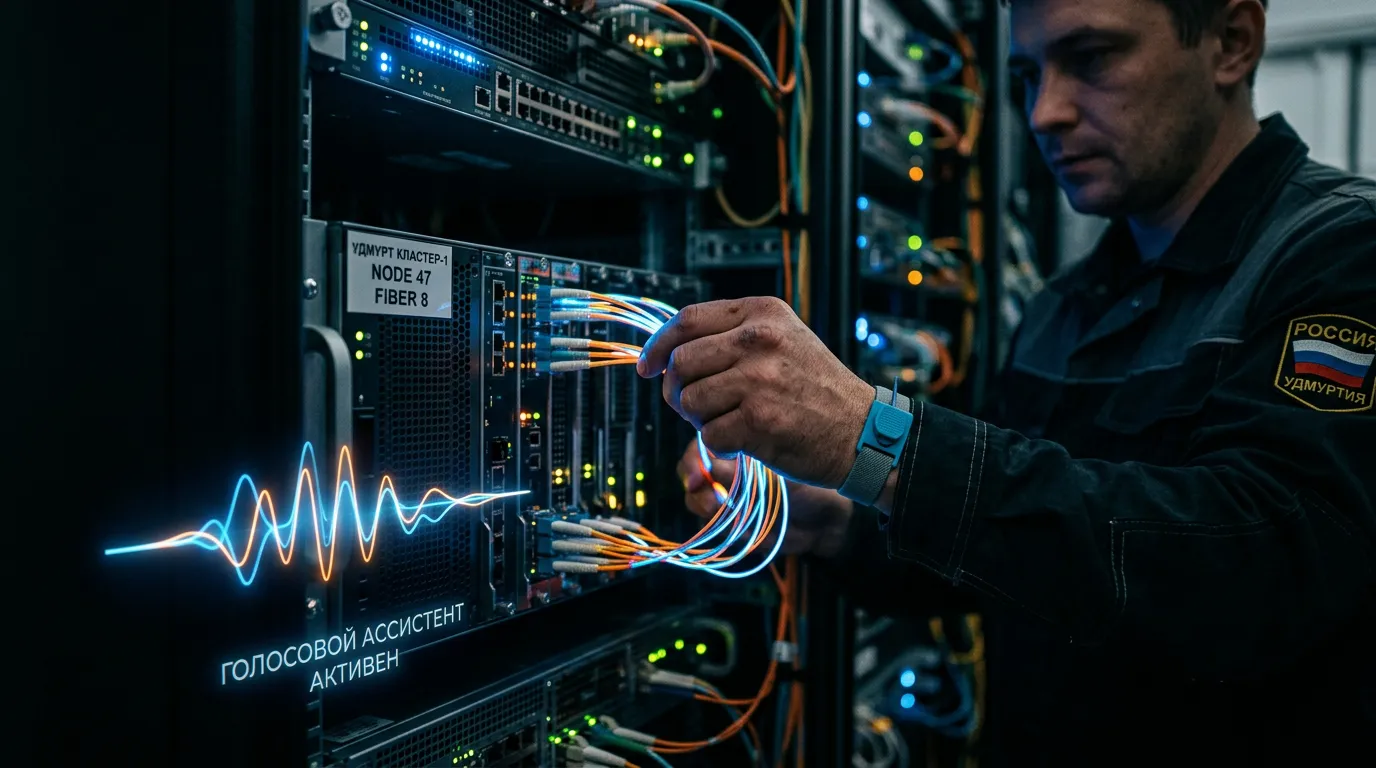
The Udmurtia case shows that automation is becoming a standard feature of public services. Speech AI and contact center automation are moving into the core of critical government infrastructure. As a result, people can reach a live operator more easily, while operators themselves are freed from unnecessary workload. In effect, this is helping shape consistent national standards for digital assistants.
In the coming years, these systems are likely to be fully integrated with federal services. More channels for submitting requests through apps and messaging platforms are expected to emerge, while AI analytics will help forecast demand and identify common cases. At the same time, agencies will need to address key risks tied to these technologies, including classification errors, speech recognition inaccuracies, and gaps in personal data protection.