Seismic Sensors in Vologda Region Set to Detect Illegal Loggers
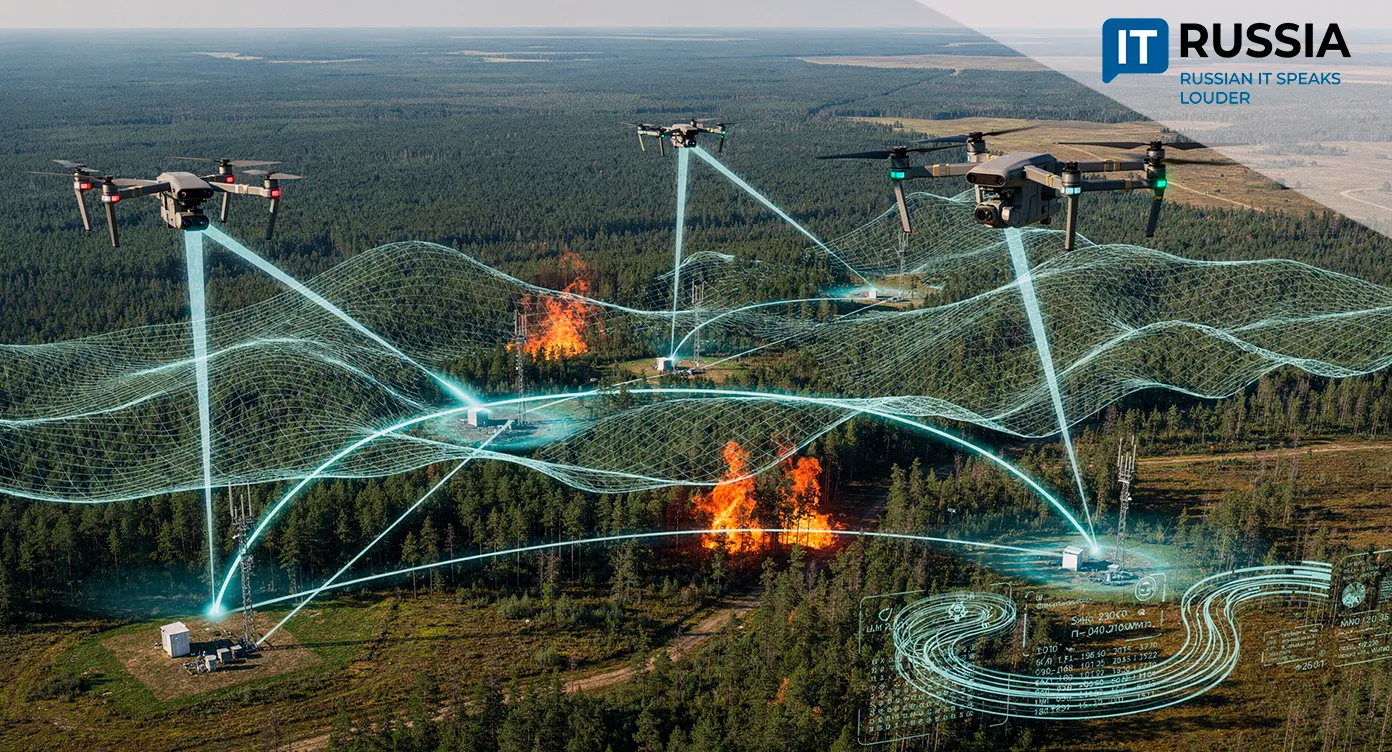
A new system called “Lesnik” is being deployed in the Vologda Region – a network of seismic-acoustic sensors that can detect the sound of chainsaws and heavy vehicles in forest areas and immediately transmit alerts to dispatch centers.

The Vologda Region is one of Russia’s most forested areas. Forests cover nearly 80% of its territory, or about 12 million hectares, forming the backbone of the region’s economy and social development. The region has been actively strengthening digital oversight of its “green gold.” Illegal logging is now detected not only through patrols but also with modern technologies. One such solution is the “Billing” system, which tracks the number of mobile subscribers present in forest areas. When activity spikes, it sends alerts to dispatchers. Since the start of 2026, specialists have identified 11 cases of illegal logging – a 58% decrease compared to the same period last year.
Lesnik relies on sensor-based detection – characteristic sounds or ground vibrations do not go unnoticed, even at night, in fog, or deep in dense forest. That means authorities can respond much faster. The system supports inspectors who cannot physically patrol hundreds of thousands of hectares. These devices were originally developed in the Nizhny Novgorod Region, where they were first introduced into forest monitoring operations.
Millions of Hectares Under Watch
Since 2020, the volume of illegal logging in Russia has decreased fourfold – from 1.1 million cubic meters to 280,000.
“The full launch of the Federal State Information System for the Forestry Complex last year was a key milestone. The system integrates data on nearly 336,000 timber storage sites and 36,000 processing facilities. All logging trucks are now equipped with GLONASS tracking,” said Alexander Kozlov, Minister of Natural Resources and Ecology of the Russian Federation.
Forests are also monitored from space. In 2024, remote sensing covered 300 million hectares – all areas with intensive logging. Data from the same year shows that illegal logging volumes fell by 32%, with about 1,200 violations detected. Since last year, all logging trucks – approximately 158,000 vehicles – are required to be connected to satellite navigation systems.
Lesnik is designed to complement satellite monitoring. It can detect illegal activity at the earliest stages and also monitor human presence in forests during high fire-risk periods.

Technology Echoes Across Forest Protection
The Vologda Region places strong emphasis on forest conservation. It ranks among the top five regions in Russia for reforestation efforts. In 2025, the regional target under the federal “Forest Conservation” project was 72,300 hectares, but actual reforestation reached 75,000 hectares.
Lesnik is expected to help preserve recreational areas, reduce damage from illegal logging, and protect ecosystems. Similar acoustic technologies have been explored internationally. A few years ago, Hitachi Vantara introduced an AI-based system capable of detecting anomalies such as human voices or bird disturbances that signal logging activity in tropical forests. The Russian solution could also find demand in countries where illegal logging remains a major issue.
It is likely that the sensor network will soon expand to high-risk logging areas and integrate with satellite data and timber tracking systems. That would bring these “smart ears” to forests in the Irkutsk Region, Krasnoyarsk Territory, and other forest-rich regions.