

Siberian Growers Build a Digital Greenhouse
In Omsk, a new greenhouse complex is being developed where artificial intelligence will manage conditions for each individual plant.
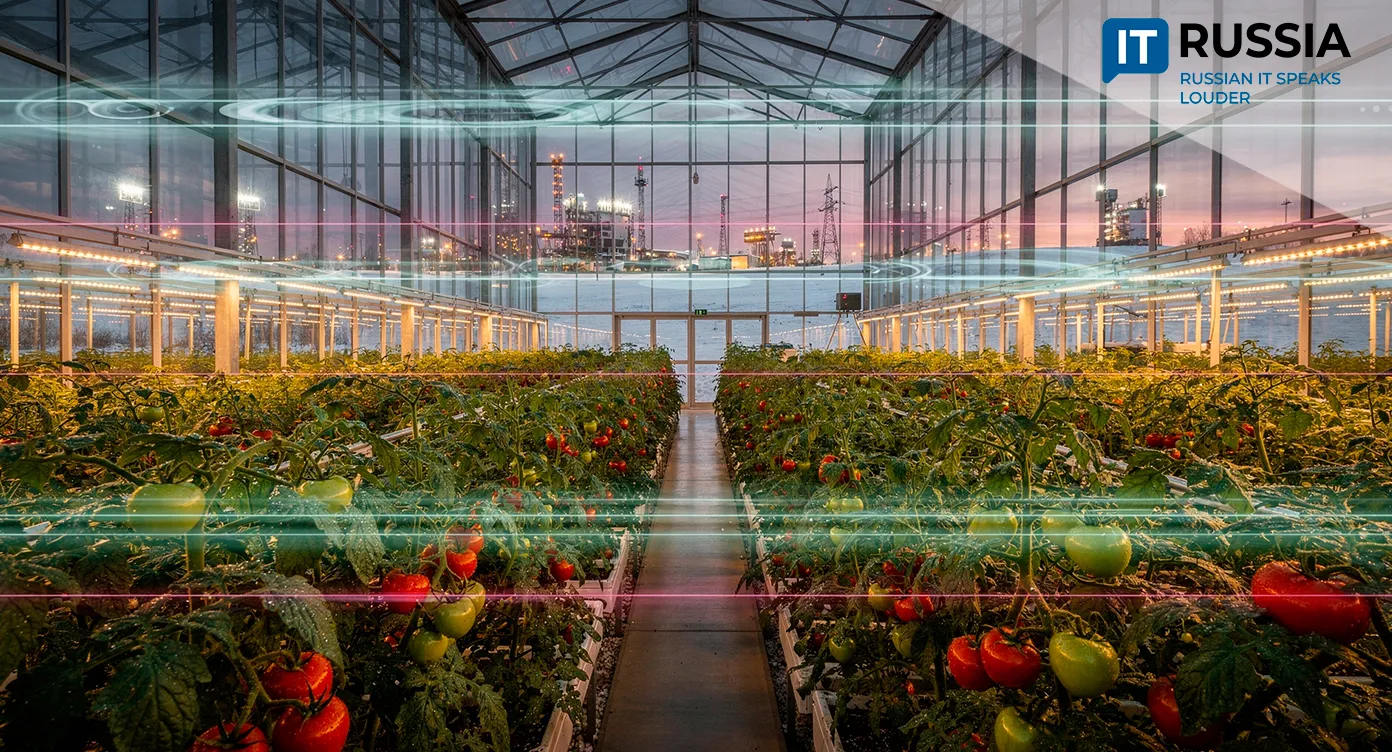
For many Russian regions, greenhouse operations play a critical social role. In northern climates, supplying fresh vegetables, fruits, and berries depends either on controlled-environment agriculture or long-distance transport. In practice, consistent production in greenhouses provides the most reliable way to ensure steady supply.
Greenhouse Expansion in Siberia
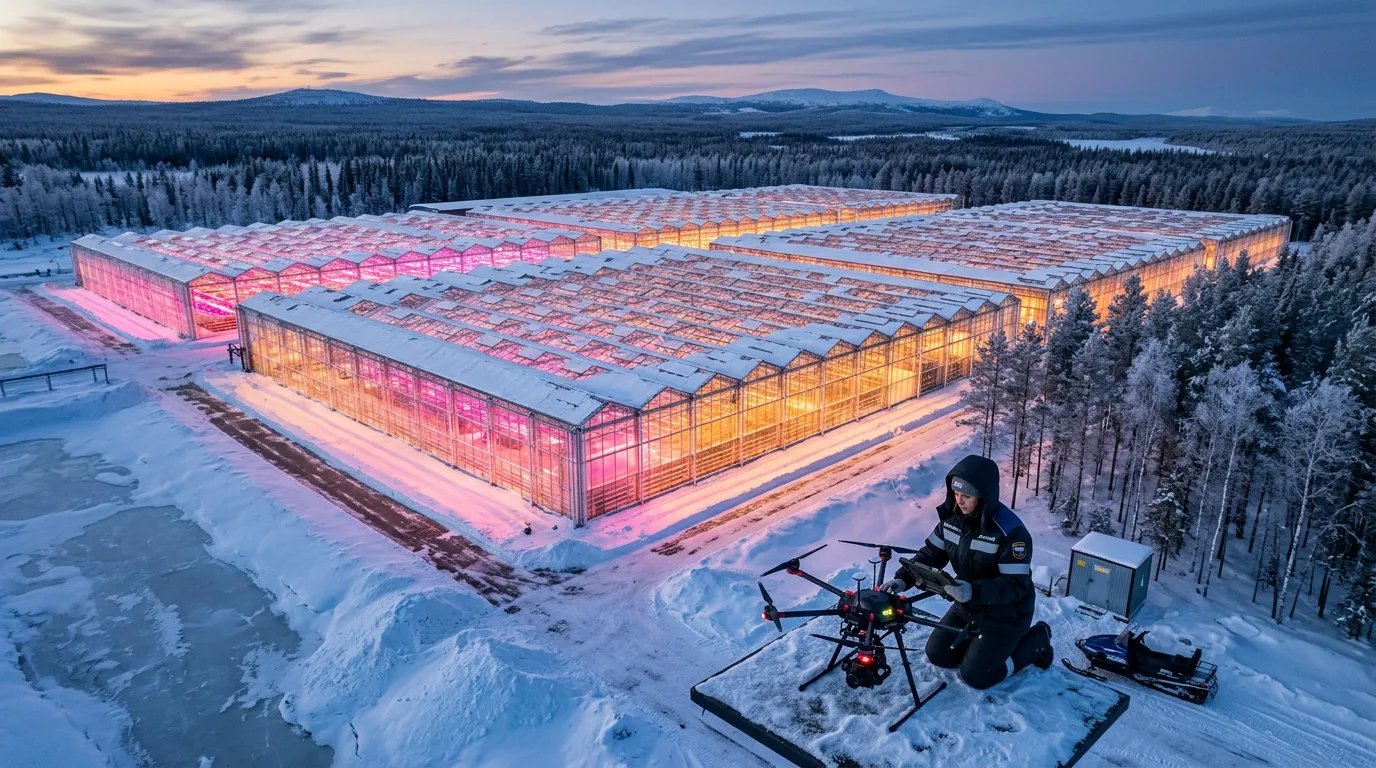
Efficiency is especially critical in Siberia. In the village of Luzino in the Omsk Region, a large-scale greenhouse complex is under construction, consisting of four facilities covering a total area of 20 hectares.
The project is being implemented by Group of Companies Rost, one of the country’s largest producers of greenhouse vegetables. Investment at the construction stage amounts to 10 billion rubles (approximately $132 million). The company operates headquarters in Moscow and St. Petersburg, with more than 20 greenhouse complexes located across central, southern, and Ural regions.
The new facility in the Omsk Region will be the largest in the area. To ensure operational reliability, developers are building an autonomous ecosystem independent of external energy sources. Electricity, heat, and carbon dioxide will be supplied by an on-site power plant.
Growers plan to focus on tomatoes and cucumbers. The complex will use glass walls and roofing to maximize natural ultraviolet exposure. Given the long winters and limited sunlight, the entire perimeter will also be equipped with LED supplemental lighting. That is expected to increase yields by 30%.
AI-Driven Farm Management
Advanced digital technologies are central to the project’s design, with management systems integrated from the construction stage to ensure maximum efficiency.
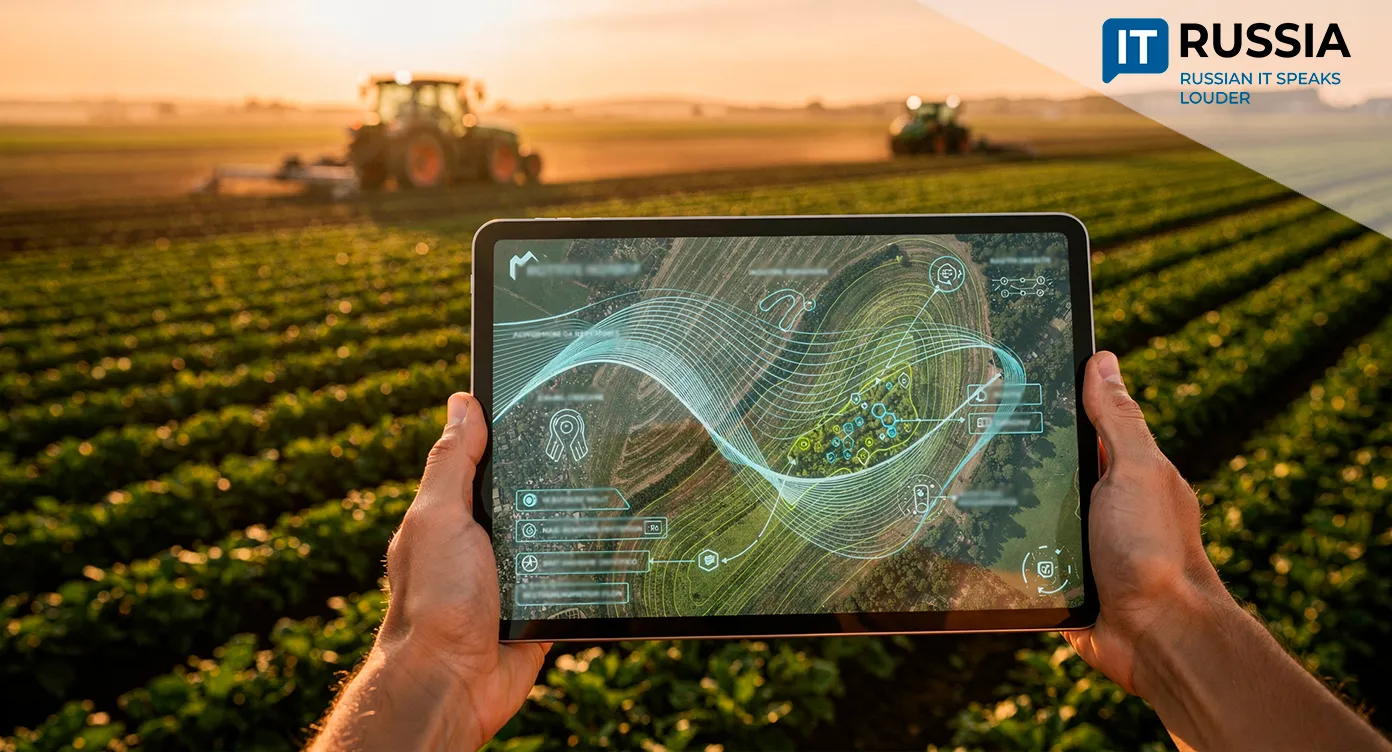
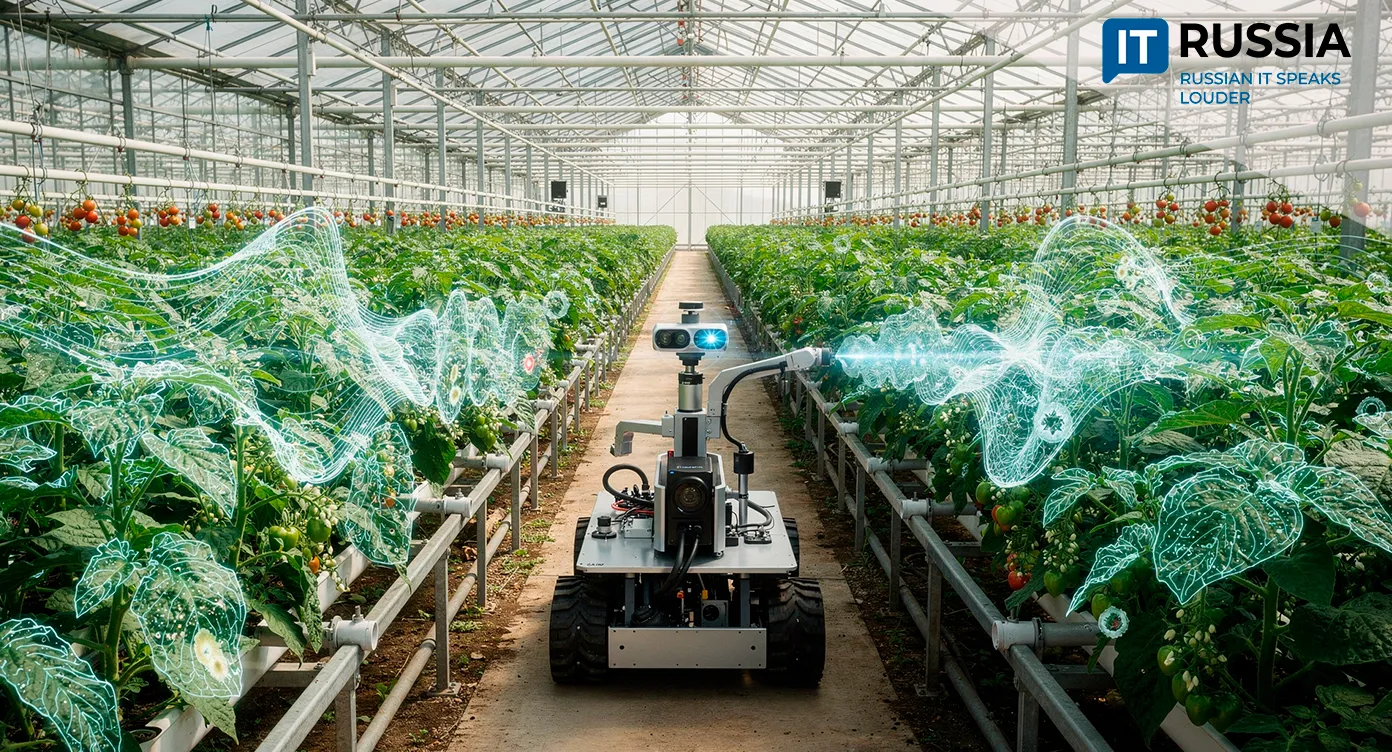
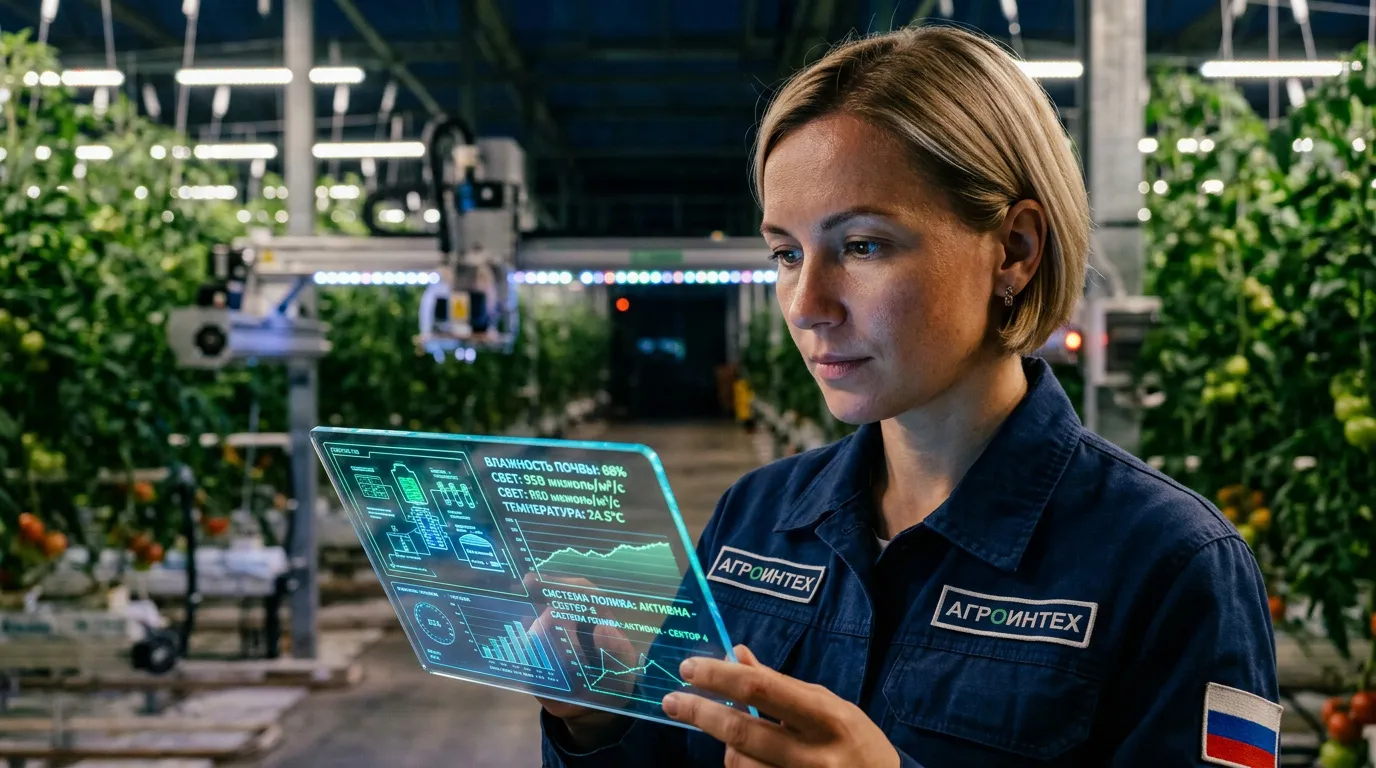
Artificial intelligence will control all operational parameters. The system will maintain a precise microclimate by continuously adjusting temperature, humidity, and lighting. A network of sensors will monitor nearly every section of soil. Irrigation and nutrient delivery will be automated and tailored to the needs of plants in specific zones.
As a result, harvesting will take place year-round, with multiple cycles per year and planned output exceeding 15,000 tons of vegetables annually. The region is expected to be nearly fully supplied with local produce. “We will no longer need to import from Kazakhstan or Novosibirsk. This will be our product, close to the shelf. It will be fresh and more affordable, because logistics costs will be minimal,” said Nikolay Drofa, Minister of Agriculture, Food, and Processing Industry of the Omsk Region.
Greenhouses Within the Digital Economy
Across Russia’s agricultural sector, controlled-environment crop production is emerging as the fastest area for digital and AI adoption. That is largely because performance can be measured clearly through metrics such as yield, energy consumption, fertilizer and crop protection inputs, water usage, system reliability, and labor efficiency.
As a result, greenhouse operations are becoming part of a broader digital economy where AI integrates agronomy, energy management, industrial automation, and data analytics. This shift is particularly relevant as domestic production of full-cycle smart greenhouse systems continues to expand.
At North Caucasus Federal University, researchers have developed a controlled-environment growing system based on Internet of Things technologies. AI manages the greenhouse microclimate by analyzing and adjusting key parameters in real time.
At Perm National Research Polytechnic University, engineers have designed an automated smart greenhouse capable of tracking all climate indicators and supporting the cultivation of a wide range of crops.
At Arctic State University, specialists have proposed an automated greenhouse climate control system tailored to Arctic conditions, using fuzzy logic methods.
The Future of Smart Crop Production
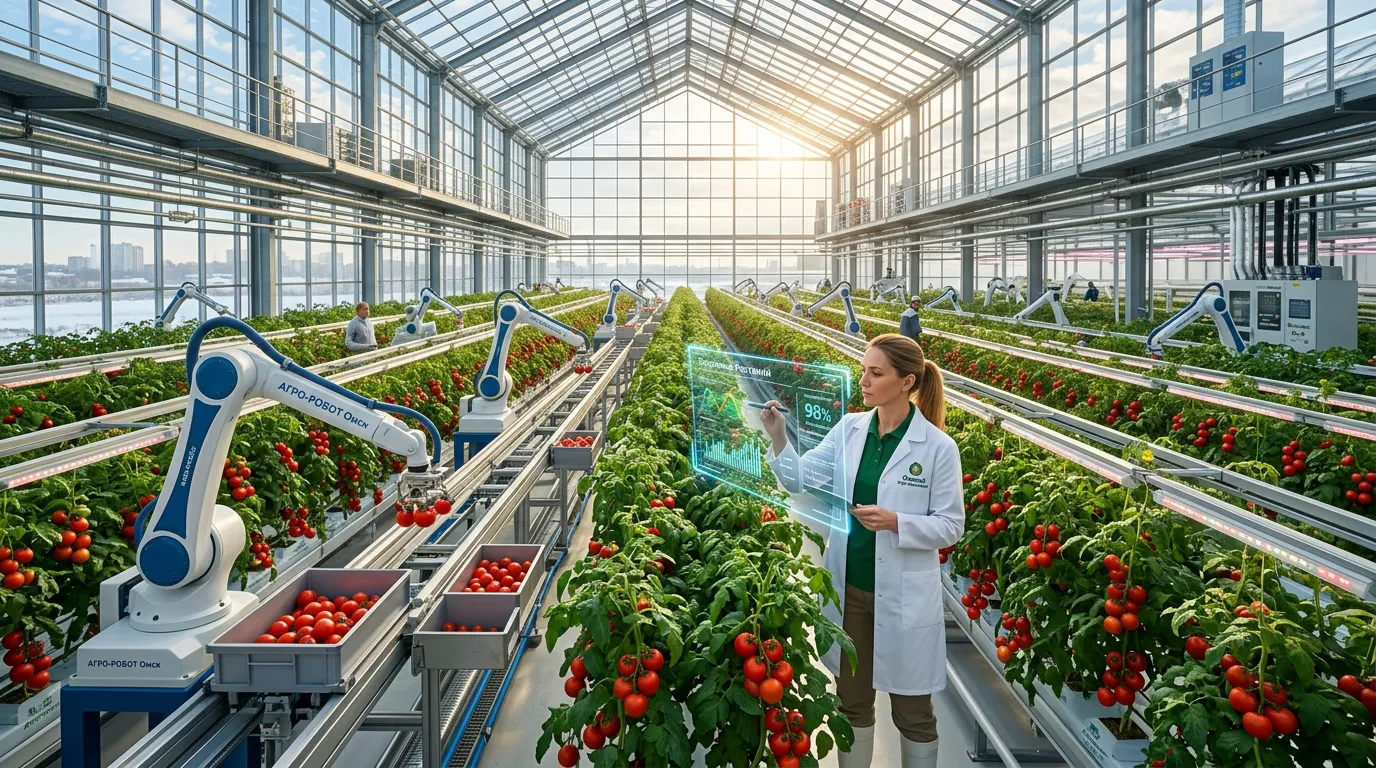
Looking ahead, greenhouse operations are expected to evolve into fully integrated smart cultivation systems. These will include robotic platforms for plant diagnostics and care, as well as ERP systems that automate production, storage, and distribution cycles.
Such systems could enable Russian regions to fully supply themselves with fresh produce. With proven performance data, they may also be offered to partner countries developing controlled-environment agriculture.