AI Set to Monitor Construction Waste in Russia
At the St. Petersburg International Environmental Forum “Ecology of a Big City,” officials unveiled an AI-powered system aimed at improving oversight of construction and demolition waste. At the forum, organizers presented OSSiG-kontrol (Construction, Demolition and Soil Waste Control system), a technology designed to improve waste handling.

Construction activity in Russia remains high. Last year, 108.1 million square meters of housing were built. New social infrastructure, sports facilities and highways are expanding. Construction produces waste, including leftover materials and contaminated soil. In Moscow, where renovation projects are ongoing, more than 2.6 million tons of construction waste were transported from sites in the first half of 2025.
Such waste should be sent to specialized disposal sites, yet contractors often violate regulations and dump it illegally. Such sites are difficult to detect, which makes enforcement challenging.
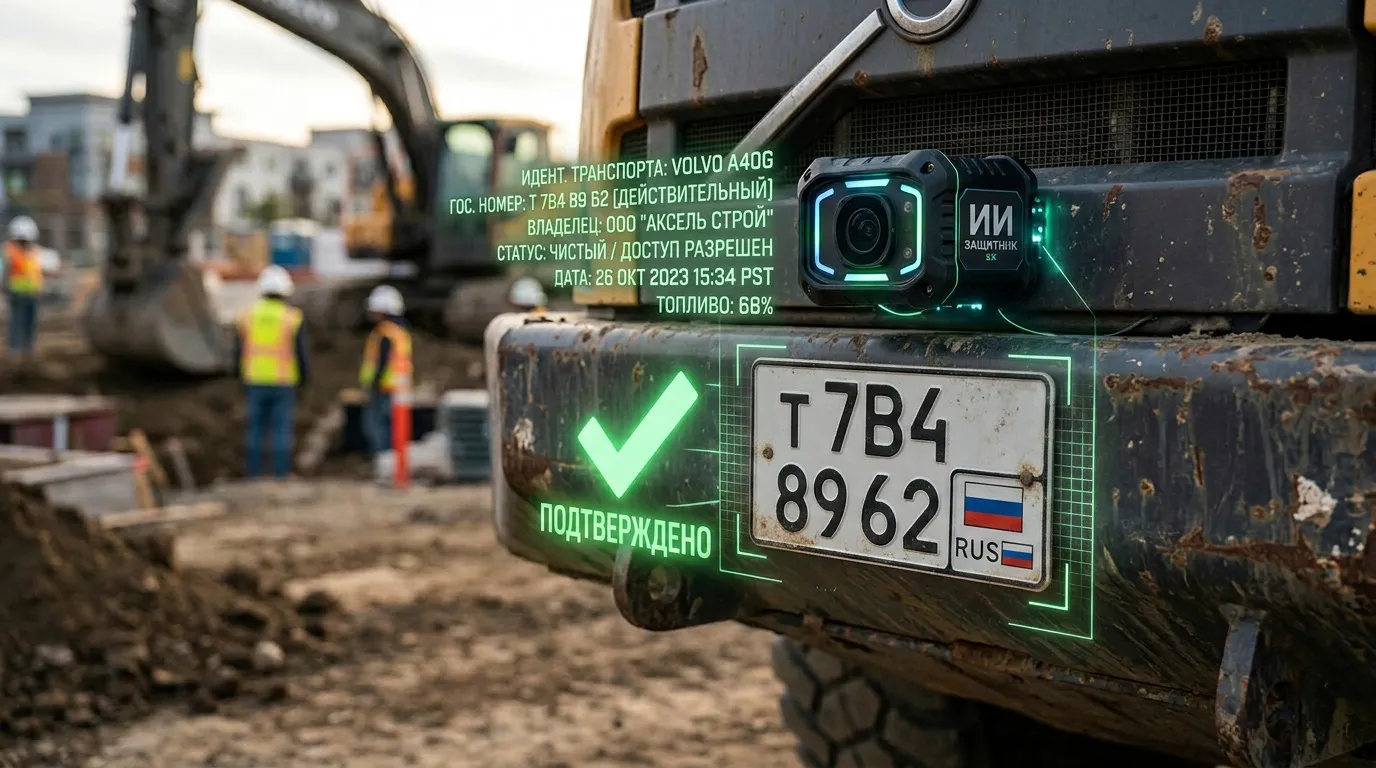
This is where AI comes in. The OSSiG-kontrol system, developed by UrbanTech Group, connects to existing surveillance cameras and runs 24/7. It detects waste in the load, compares routes against digital permits and identifies illegal dumping attempts.
Strengthening Environmental Oversight
Over three years of deployment in the Moscow Region, illegal dumping sites fell by 57%. More than 5,000 unauthorized waste clusters were identified. Preventing new dumps saved over 150 million rubles (about $1.6 million), while fines issued reached 1.1 billion rubles (around $12 million). The system is cost-effective, improves environmental outcomes and increases compliance among carriers. In 2025, the project won first place at the “Safe City” award in the Biosphere category.
Authorities in the Moscow Region are creating a unified digital system for construction waste based on OSSiG-kontrol. It integrates all data systems related to waste handling to make all stages of movement transparent. The Leningrad Region plans to strengthen enforcement and aims to fully process all types of waste by 2027 through the launch of two new facilities.

A Shift in Waste Management
Recycling is now a core part of construction waste management. A circular economy is emerging. In 2024, Russia’s Ministry of Construction reported 60 million tons of construction waste, of which 13.6 million tons were recycled. By 2025, 79% of construction companies sent some of their waste to recycling facilities, while another 41% said they plan to adopt such practices.
Each year, more than 10,000 illegal dump sites are found across regions, and experts say up to 70% of their volume consists of construction waste. OSSiG-kontrol is becoming a GovTech platform and will likely expand further. It may start identifying high-risk zones. The developer also plans to scale the system to other cargo types, including municipal solid waste, medical waste and timber transport. Tools like this may reshape environmental management in large cities by increasing visibility and control in urban logistics.