Monitors and Mentors: Astrakhan to Build a Next-Generation Learning Campus
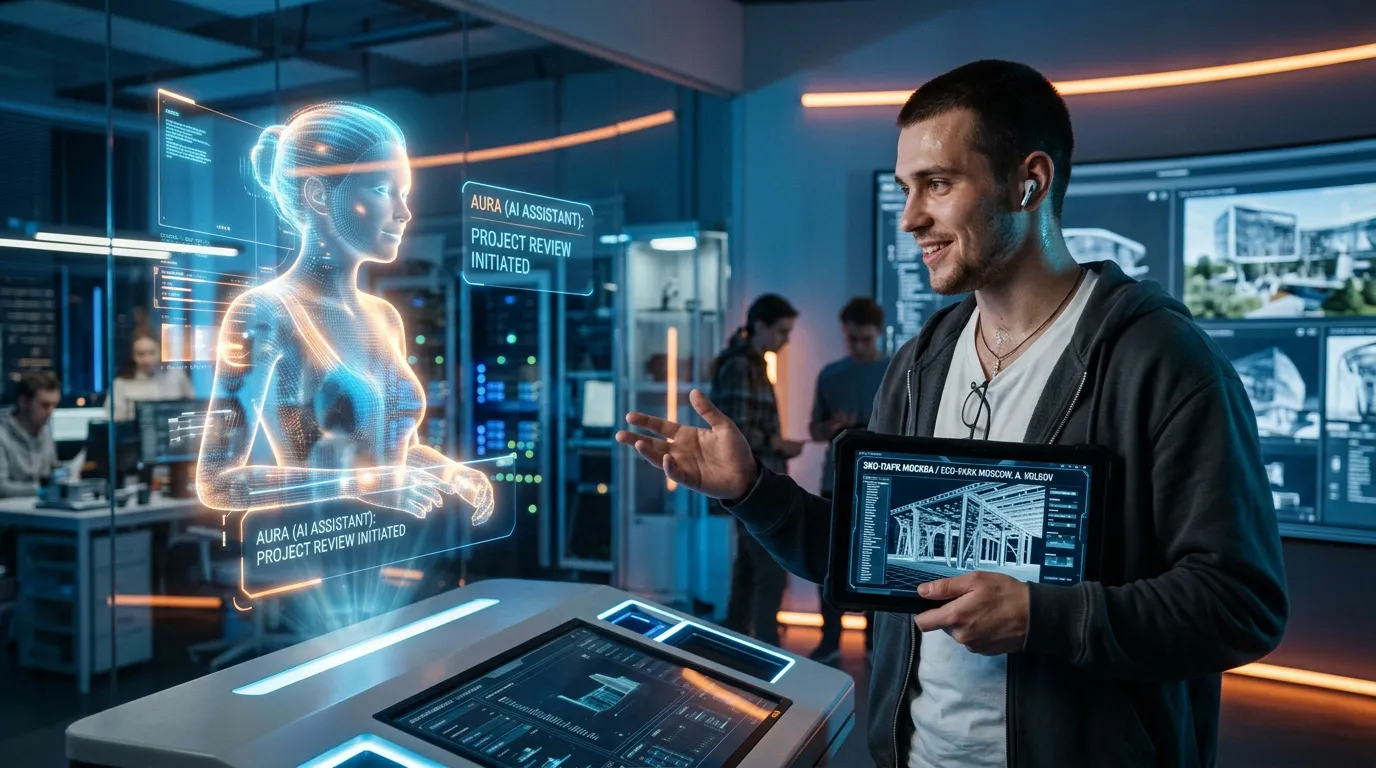
What should students expect? An open workspace, a professional, work-oriented environment, AI-powered digital assistants and a chance to earn their first income before graduation.
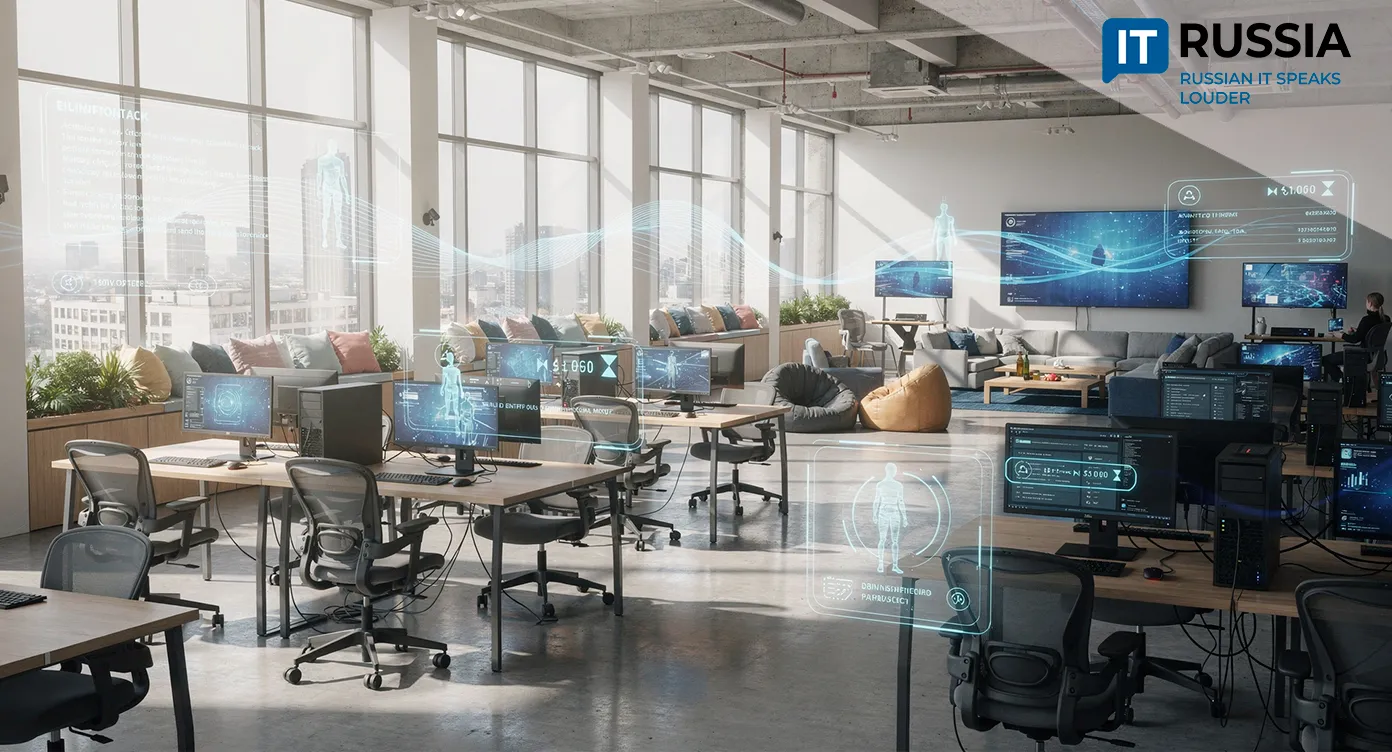
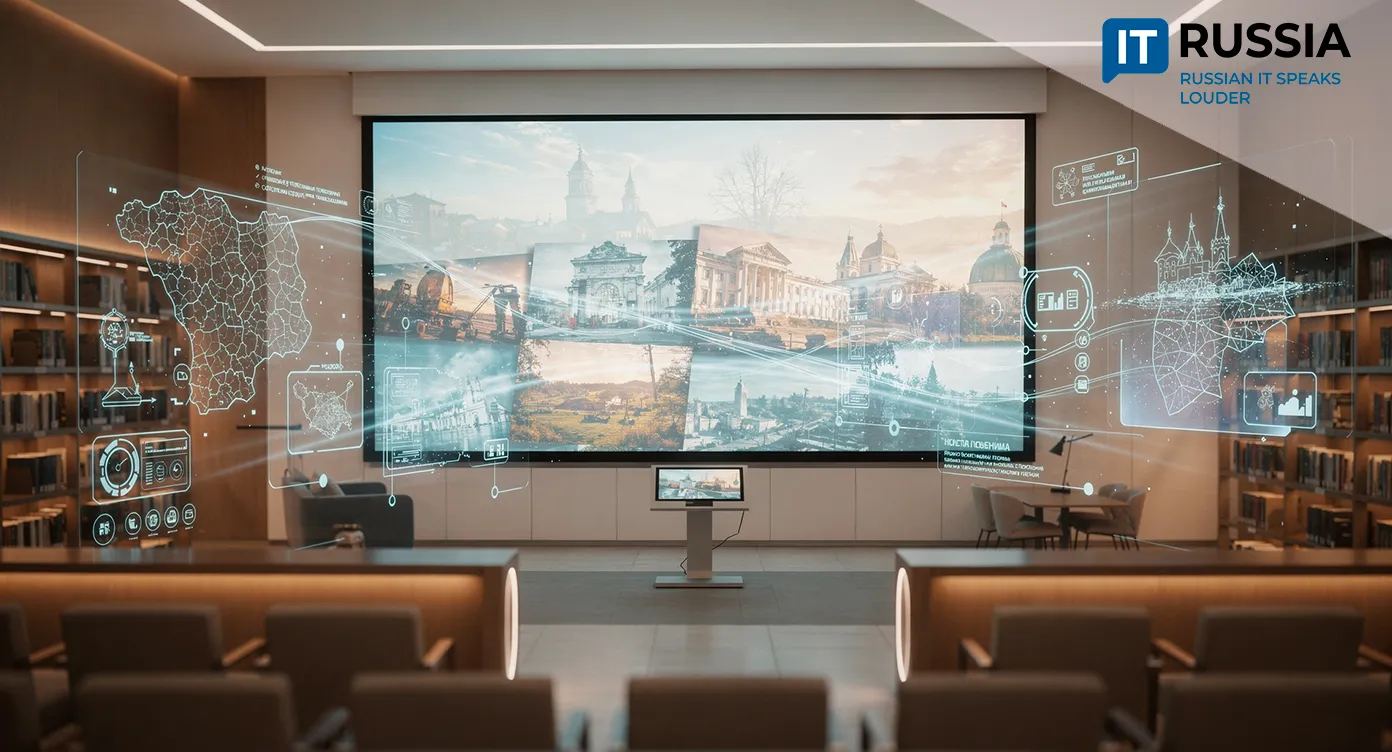
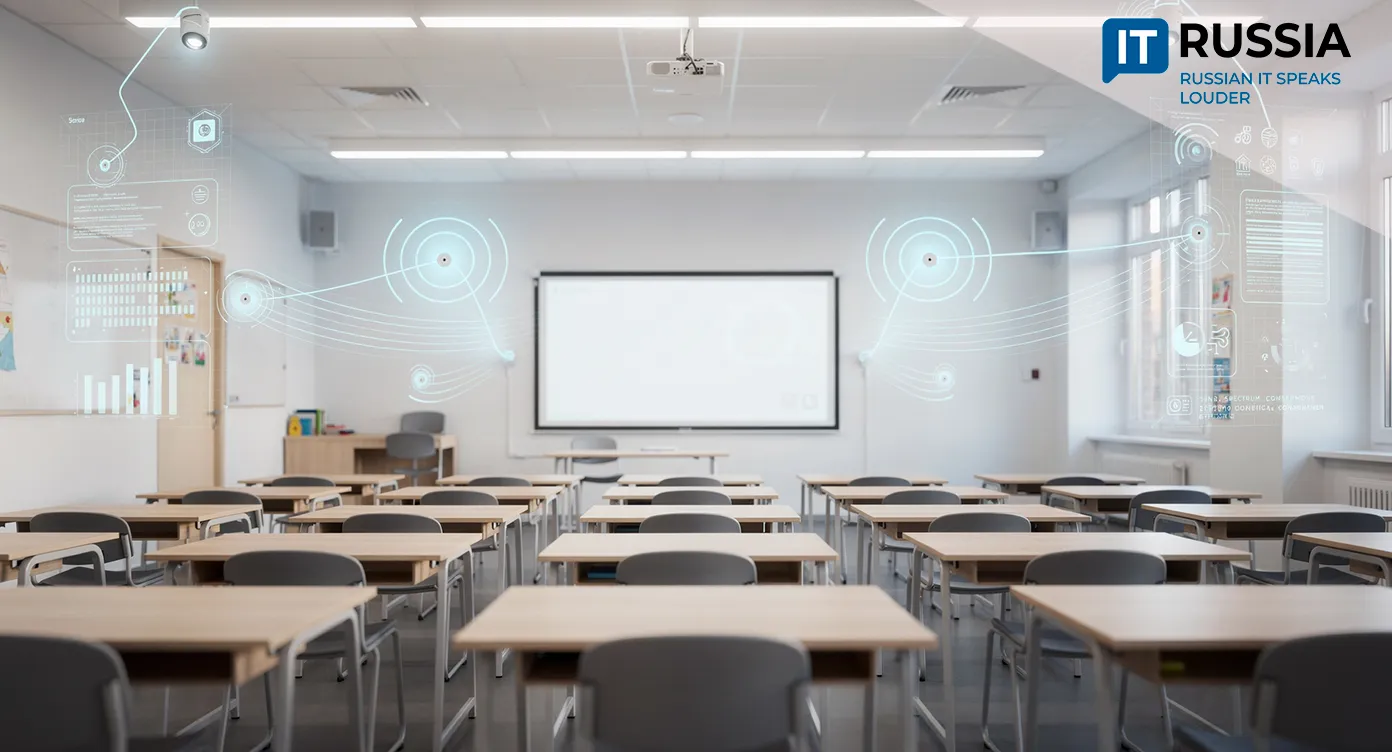
The space is designed to contrast sharply with a traditional school experience. There are no standard desks – students work instead at modern computers in ergonomic chairs. Large windows line the rooms, with wide sills where students can sit. Most importantly, there are no classrooms. The setup resembles a campus already being compared to Yandex offices, where some graduates of existing Skypro campuses already work.
Strict Timetable?
No, there are no bells here. There is no fixed schedule like “math in the third period.” Students follow individual learning tracks within a shared space. The only rule is simple: complete all assigned tasks for the day. Students manage their own time. Curators are not strict instructors but mentors and peers who help when students ask for support. Project lead Aleksandr Firov explains how the project was launched:
“Georgiy Solovyov, founder of Skyeng, Skypro, Skysmart and Singularity, decided several years ago to build a network of modern, tech-focused colleges. The project is already operating successfully in four cities under the Skypro brand and is now scaling, including to Astrakhan. Our city will be among six regions selected to host these campuses.”
PlayStation, Paychecks and No Homework
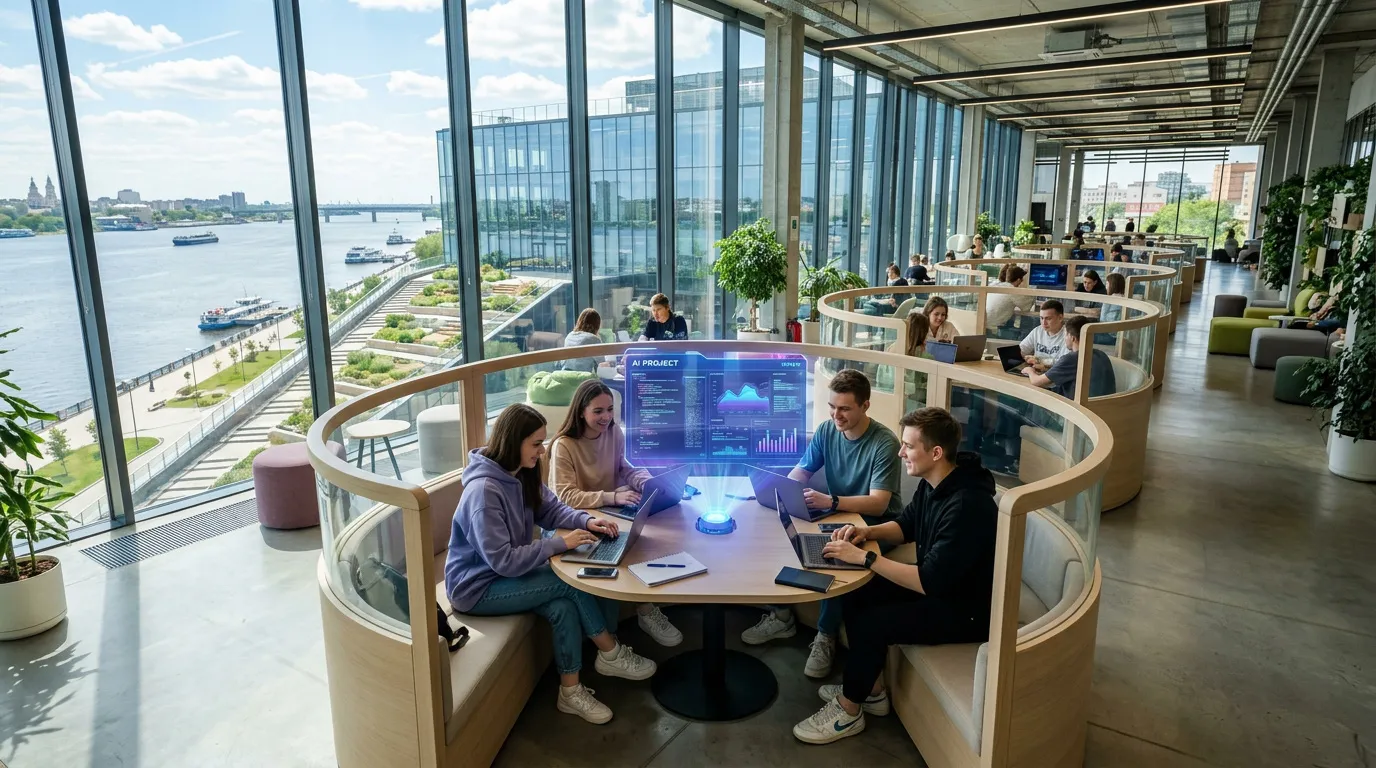
Students are officially allowed to play PlayStation 5 between coding sessions. More than a college, it functions as a first-hand experience of working life in the tech industry. The idea is simple: instead of training students in isolated, artificial environments, immerse them in real work conditions from day one. Traditional classrooms give way to open-space layouts. Fixed lectures are replaced by individual tracks supported by AI tools. In practice, this environment helps retain talent locally. When young people see a modern, tech-driven setting, fewer feel the need to relocate to major cities.
The most significant shift comes after the first year. While peers elsewhere are still taking notes, Skypro students begin working on real-world assignments. The campus operates in partnership with actual clients, turning education into paid internships from year one.
Project curators cite figures that stand out – and draw attention right away. By senior years, a student’s monthly income can reach 150,000 rubles (about $2,000). Enrollment is limited to 120 students per year, making admission competitive. Graduates leave not only with a diploma but with a portfolio of completed projects, a professional resume and, importantly, a clear understanding of how businesses operate. AI is not restricted – it is embedded into the learning process as a 24/7 assistant that helps students fill gaps in their knowledge. This moves beyond theory into real-world training, and there is no homework either. Heavy backpacks are gone, and all materials are stored in the cloud.
A Philosophy of Freedom
At least three major trends converge in this Astrakhan experiment.
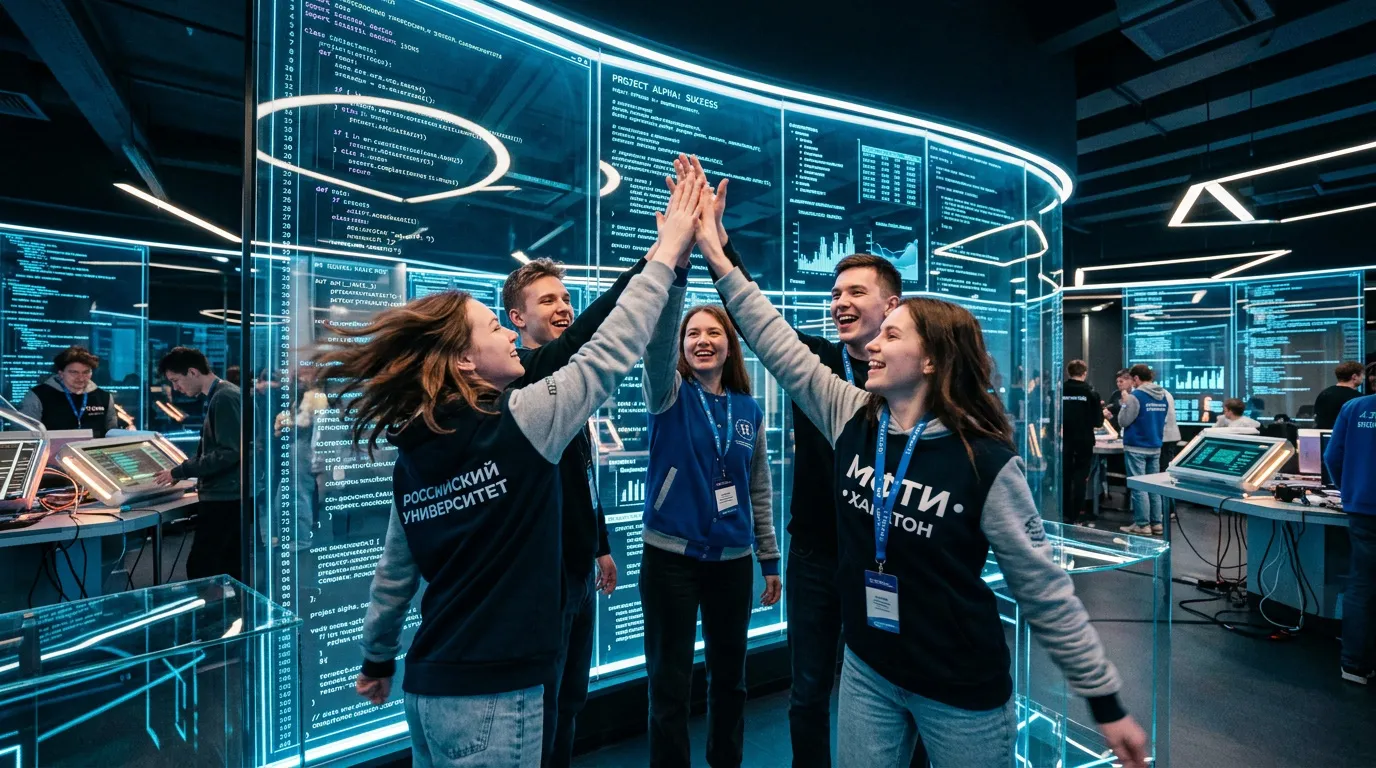
First, it builds on the model of Shkola 21 (School 21), a Sber-backed initiative where learning runs without lectures or grades and follows a peer-to-peer approach. Its campuses operate 24/7, and students manage their own schedules. In December 2024, a new campus opened in the Nizhny Novgorod region, while Yakutsk hosted its first two-week “bassein” (intensive selection program), where applicants complete 11 tasks in 14 days. The Astrakhan Skypro campus adopts this same philosophy of autonomy but tailors it to a younger audience – students enrolling after ninth grade – and adds a commercial dimension.
Second, it aligns with the federal program Professionalitet (Workforce Training Initiative), which emphasizes employer involvement in shaping curricula. For example, an animation studio in Voronezh has already hosted training sessions for educators under this program. The broader goal is to move away from outdated academic models toward real economic integration. Skypro goes further: while Professionalitet often upgrades existing facilities, the Astrakhan campus builds an IT-community environment from the ground up.
Third, it reflects a global shift toward early career orientation. Astrakhan is pushing this trend further than most. On June 1, the first Skypro summer camp will launch for students as young as fifth grade. It combines IT training with creative projects, teamwork and outdoor activities. The program offers two sessions and a flexible schedule, allowing participants to leave at midday or stay for a full day, along with excursions and competitions.
A Year to Find Direction
One of the most distinctive features of the campus is the first year of study. It gives students time to explore options. Many students at that age do not yet know what career path to choose. Skypro addresses this by allowing them to try programming, design and management before making a decision. “A student may come in wanting to be a programmer, try it and realize it is not the right fit,” Aleksandr Firov explains. This approach allows students to adjust early rather than later in their education.
By building such a structured and engaging environment, regional authorities and businesses are also addressing workforce migration. For students, this is an opportunity to engage with technology in a way that leads to both income and a formal qualification. Competition for tech talent is expanding beyond online platforms and into regional markets.