

Electronic Dom Enables Residents to Request That Drivers Move Cars From Courtyards
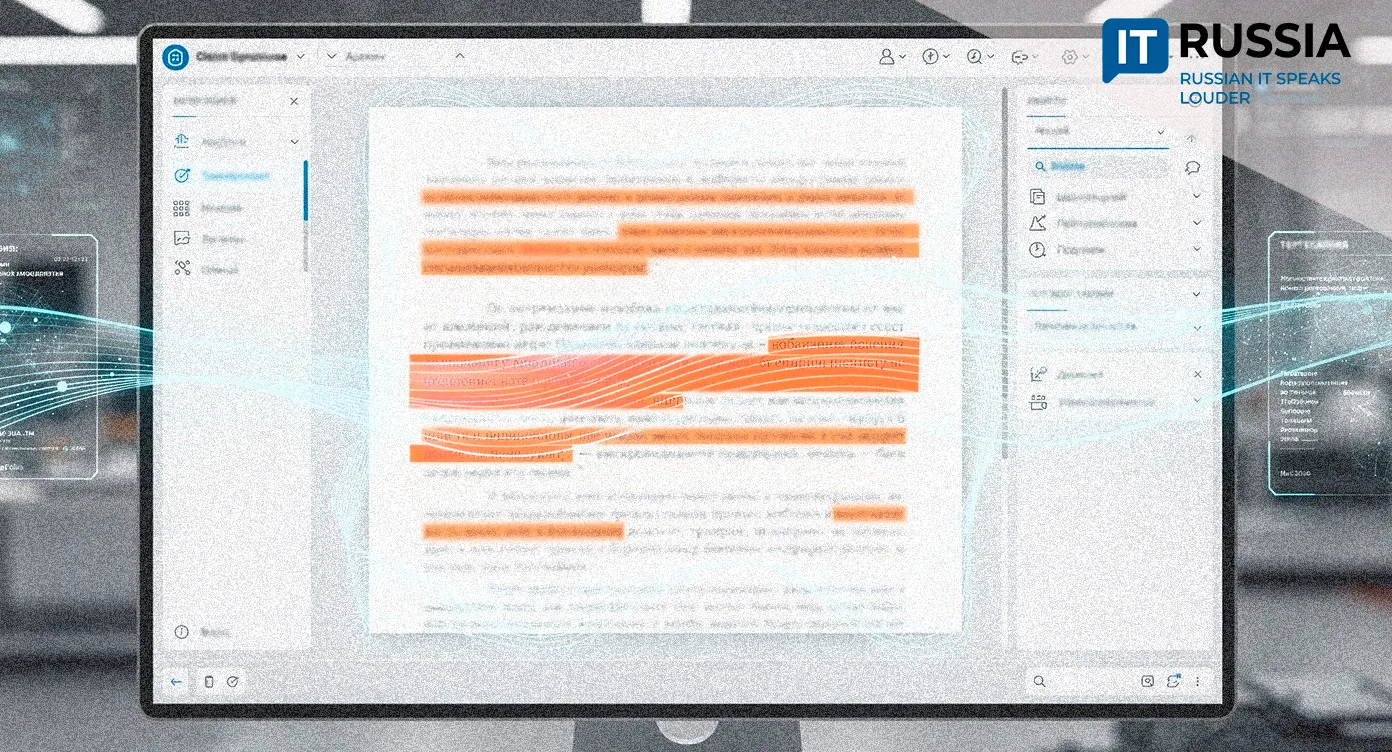
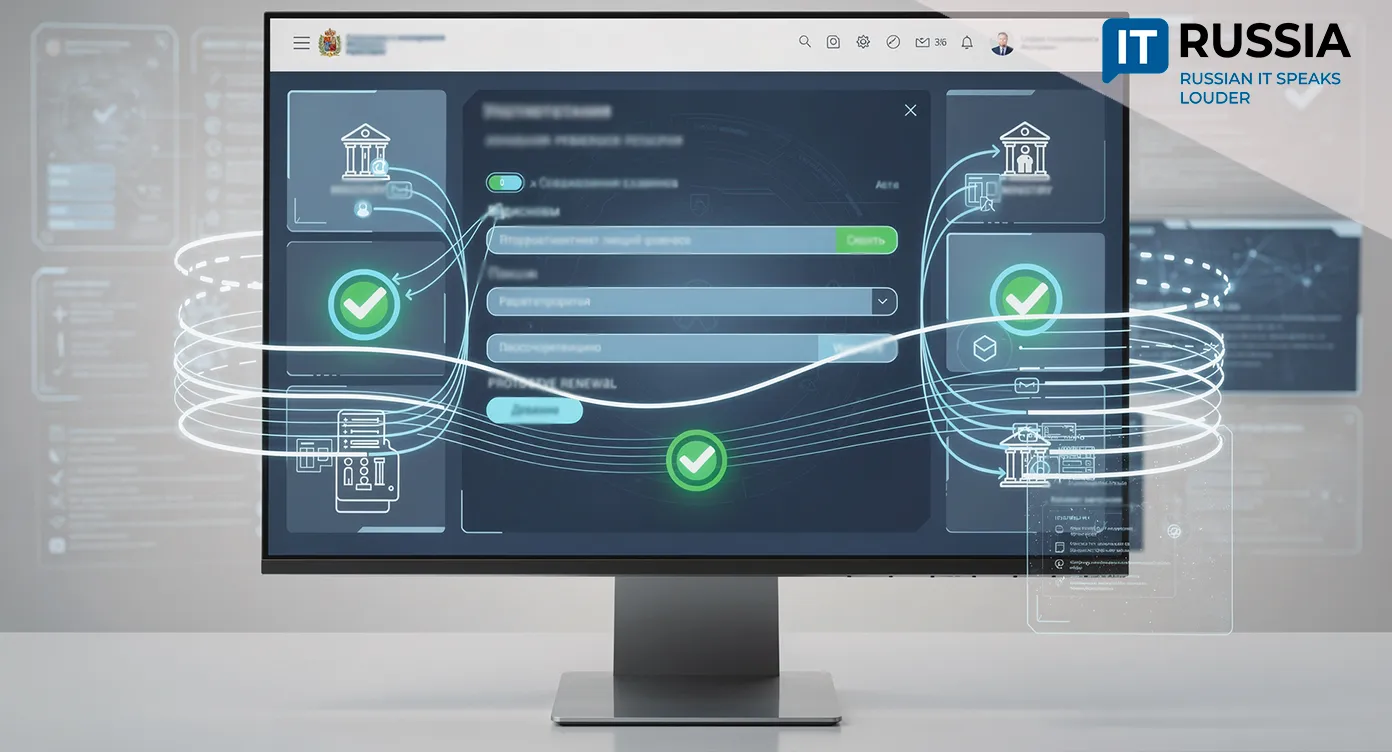
Electronic Dom (Electronic Home platform), initially focused on homeowner-related services, is steadily evolving into a broader tool for civic interaction. Over time, it is expected to become a unified access point for how residents engage with city services and each other.
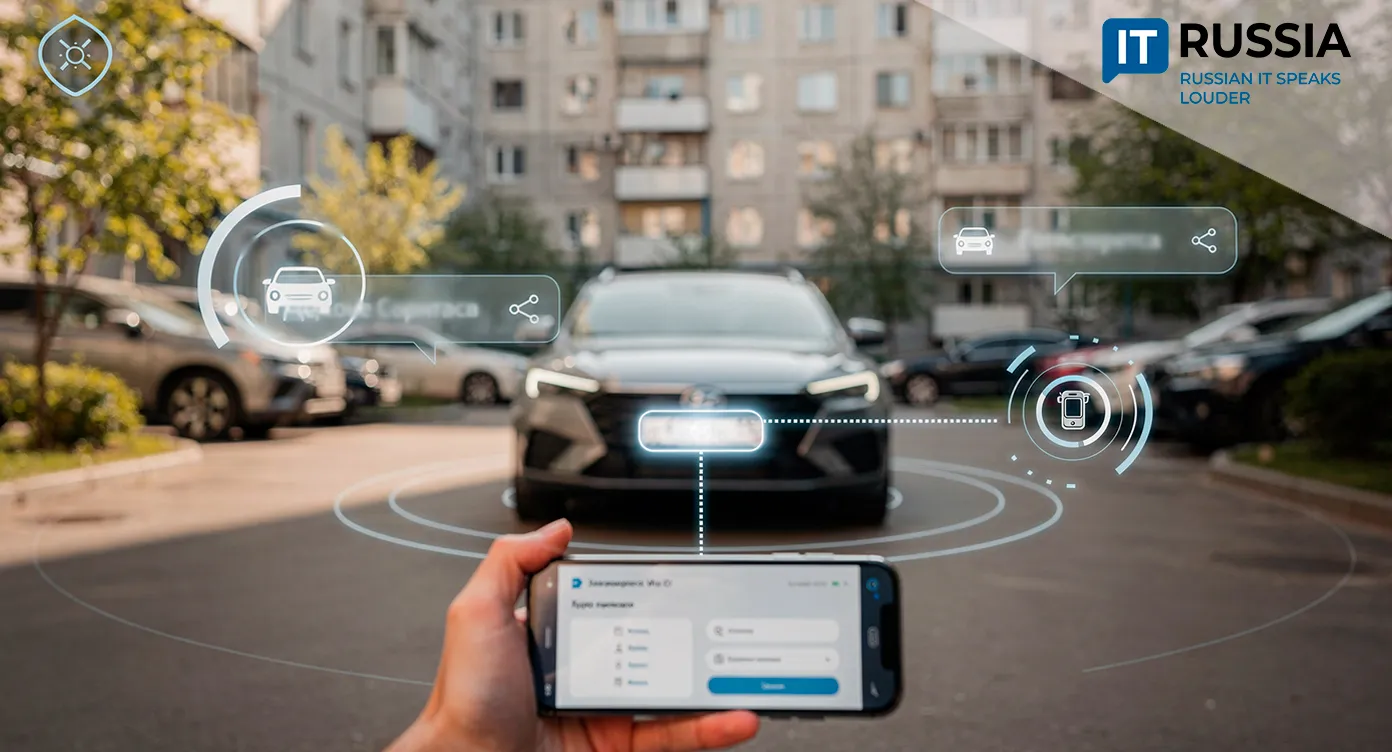
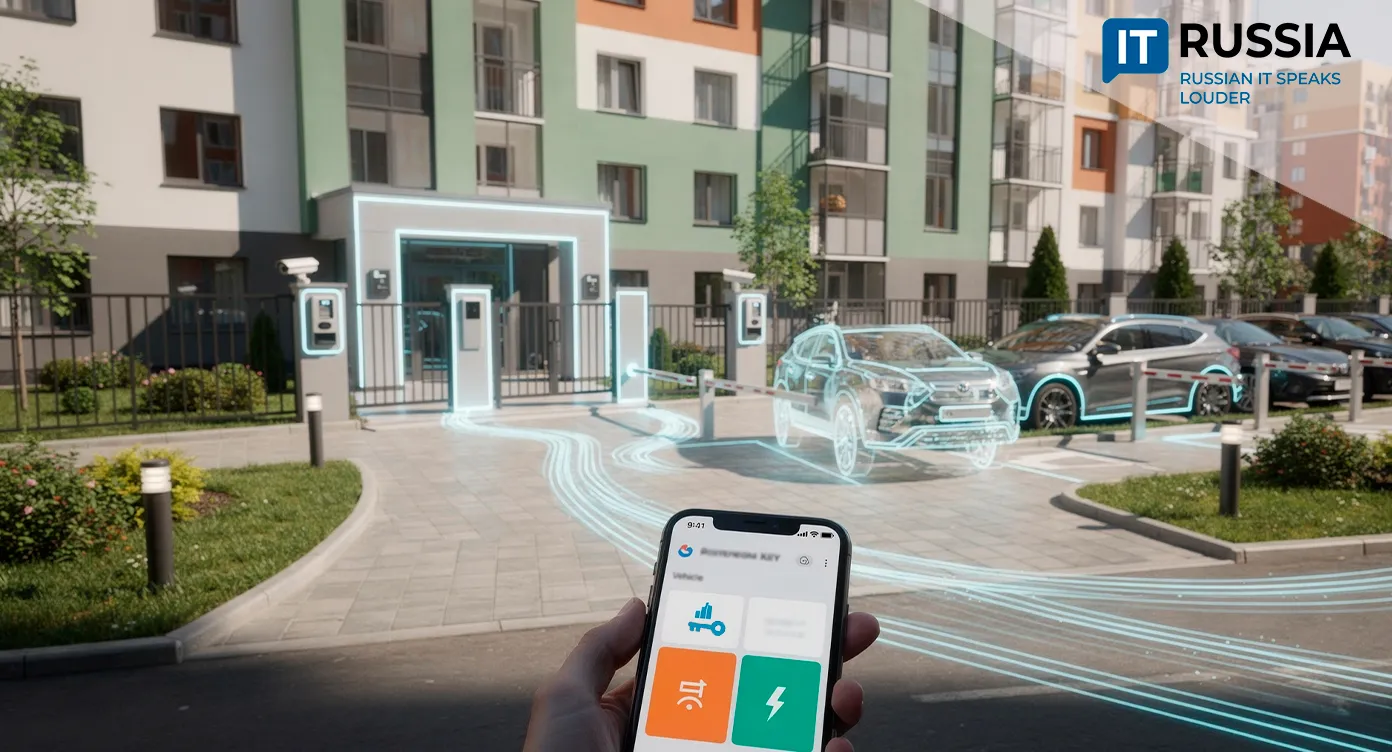
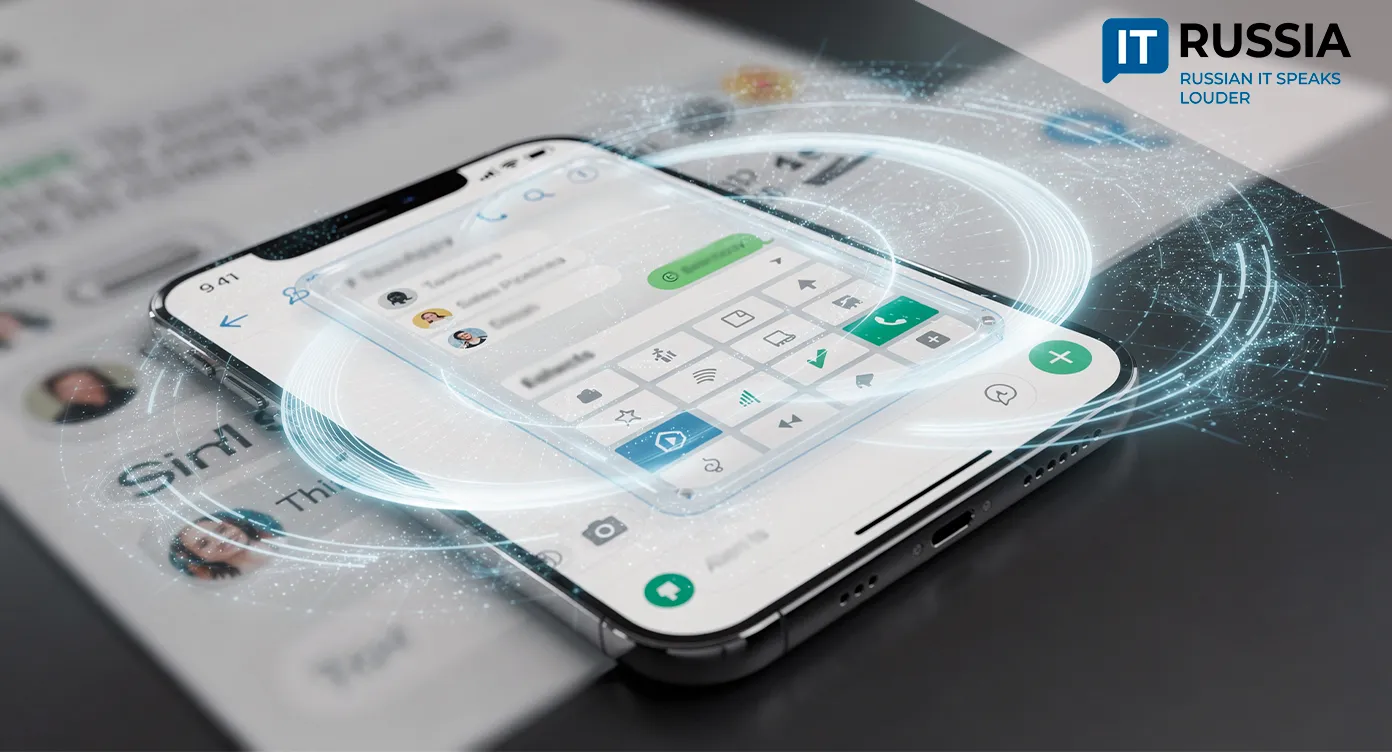
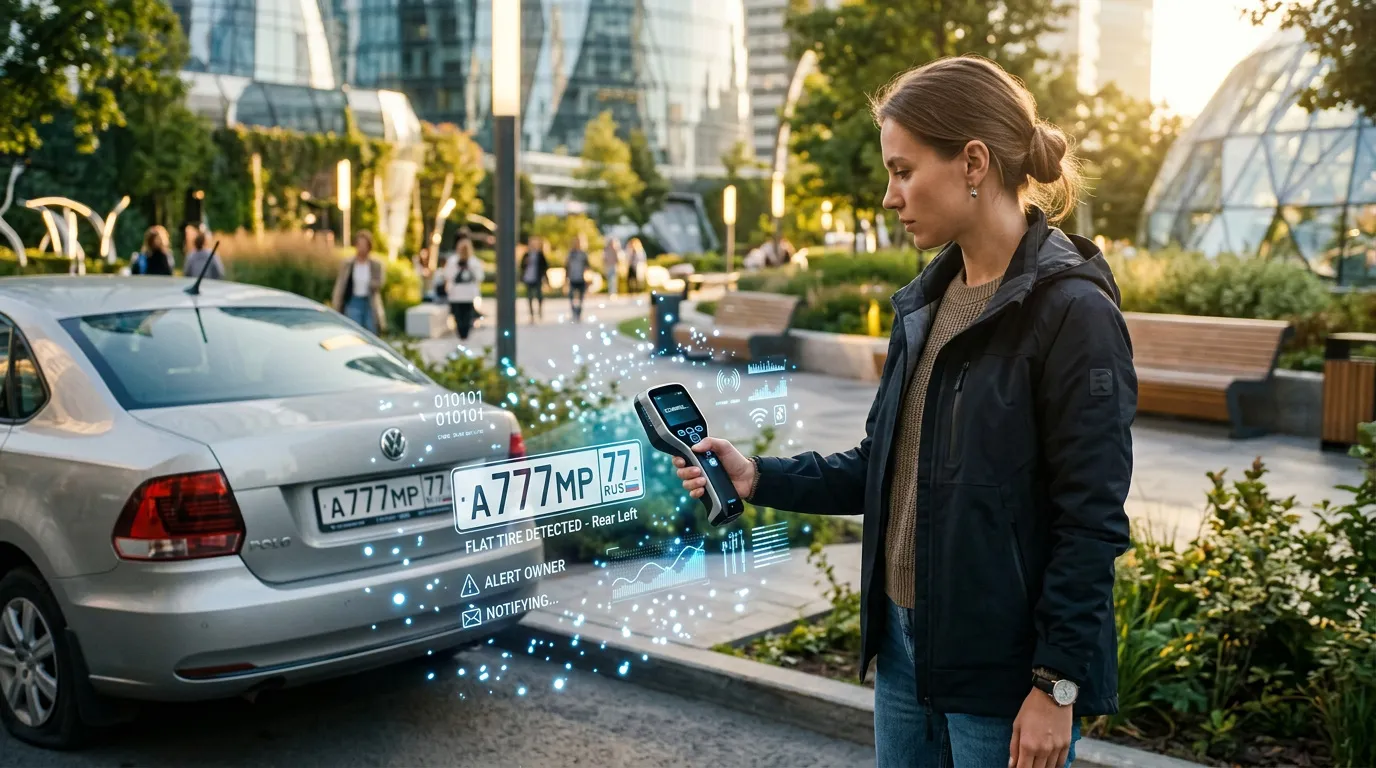
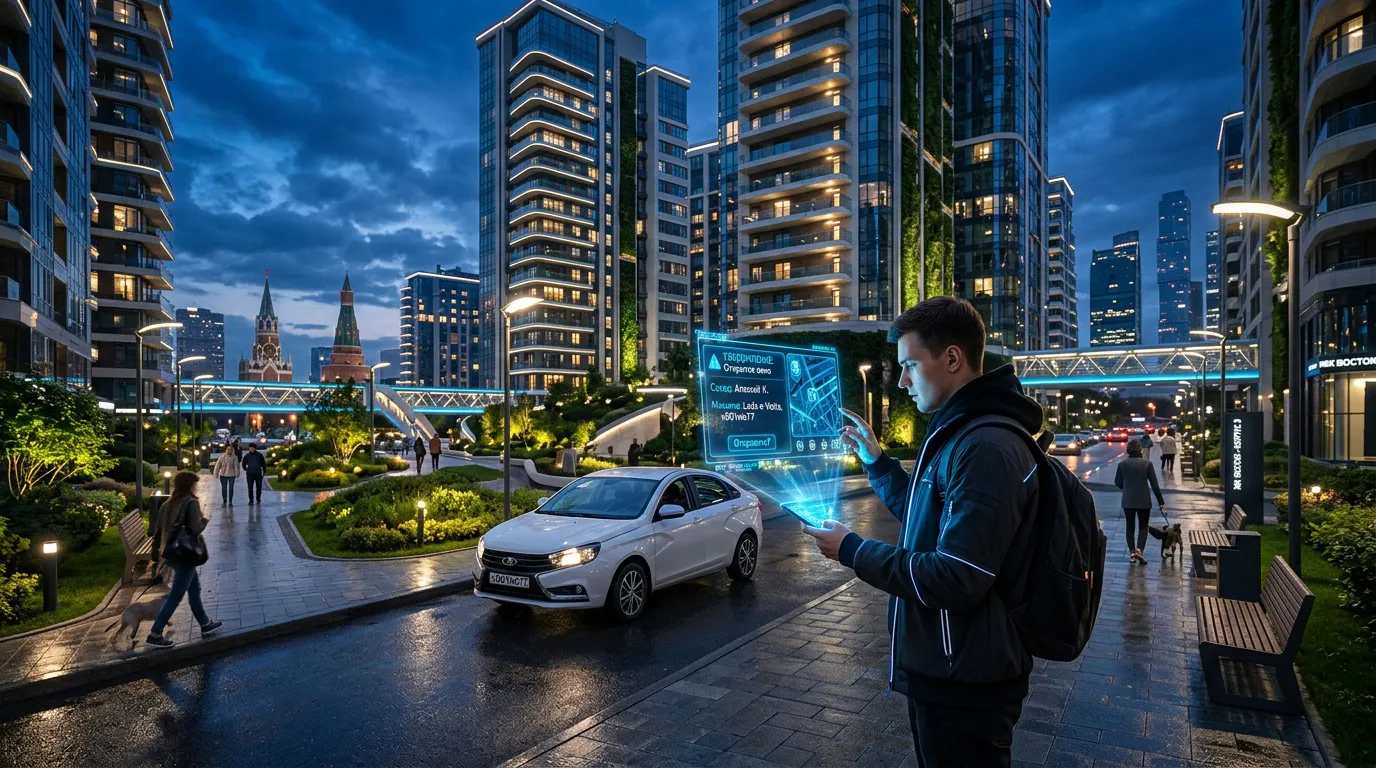
Electronic Dom continues to expand its functionality. Residents can now request that the owner of an obstructing vehicle move it and send alerts about typical courtyard incidents – including accidents, open windows, flat tires, headlights left on, triggered alarms or vehicle towing. Messages are sent via the “Contact Vehicle Owner” section using the license plate number, while personal information is not shared. Vehicle owners must be registered to use the feature and have vehicle details listed in their profile.
This reflects a broader trend in Russia toward practical digital infrastructure that brings everyday conflicts into a managed digital environment. The platform is moving beyond voting and announcements to become a direct communication channel between neighbors. Meanwhile, informal methods such as notes under windshield wipers are giving way to simple, anonymous messaging. Electronic Dom already covers nearly the entire multi-unit housing stock in Moscow, making it a replicable model for other regions.
More Use Cases, More Engagement
The vehicle notification service is integrated into the city’s digital ecosystem, which is already driving adoption across Russia. Electronic Dom initially focused on homeowner meetings, service requests, chats and notices, and has steadily added new use cases. The range of notification templates and sender roles can expand further, turning the platform into a unified communication hub for residents, property managers and vehicle owners.
At the same time, similar models may gain traction internationally. Integrated digital platforms that connect citizens with local authorities and neighbors may be demanded, particularly in large cities.
From Pilot Feature to Citywide Platform
Electronic Dom has evolved steadily, with added features for drivers. In March 2023, the platform first introduced the ability to contact a vehicle owner who was obstructing access.
Since then, it has expanded into a comprehensive management platform for multi-unit housing. According to the city administration, by the end of 2024 more than 34,000 buildings had joined the platform – effectively covering almost the entire housing stock of Moscow.
Digitalization of urban environments is expanding globally. Property management platforms and resident service apps in other countries similarly provide a unified digital channel for communication with neighbors, building managers and local services.
Maturity of the Digital Model
Compared with international examples, Moscow’s approach follows a centralized model, with functionality built on a city-operated platform. At the same time, urban digital services are shifting from major administrative functions toward solving small but high-frequency everyday issues. That shift is likely to continue.
As the number of notification use cases grows, integration with other city systems deepens, and the platform strengthens its role as a unified interface, Russia’s digital housing and urban management model will become more mature. This positions Electronic Dom as a benchmark for digital governance and a solution with export potential.