

3D Model on a Massive Scale
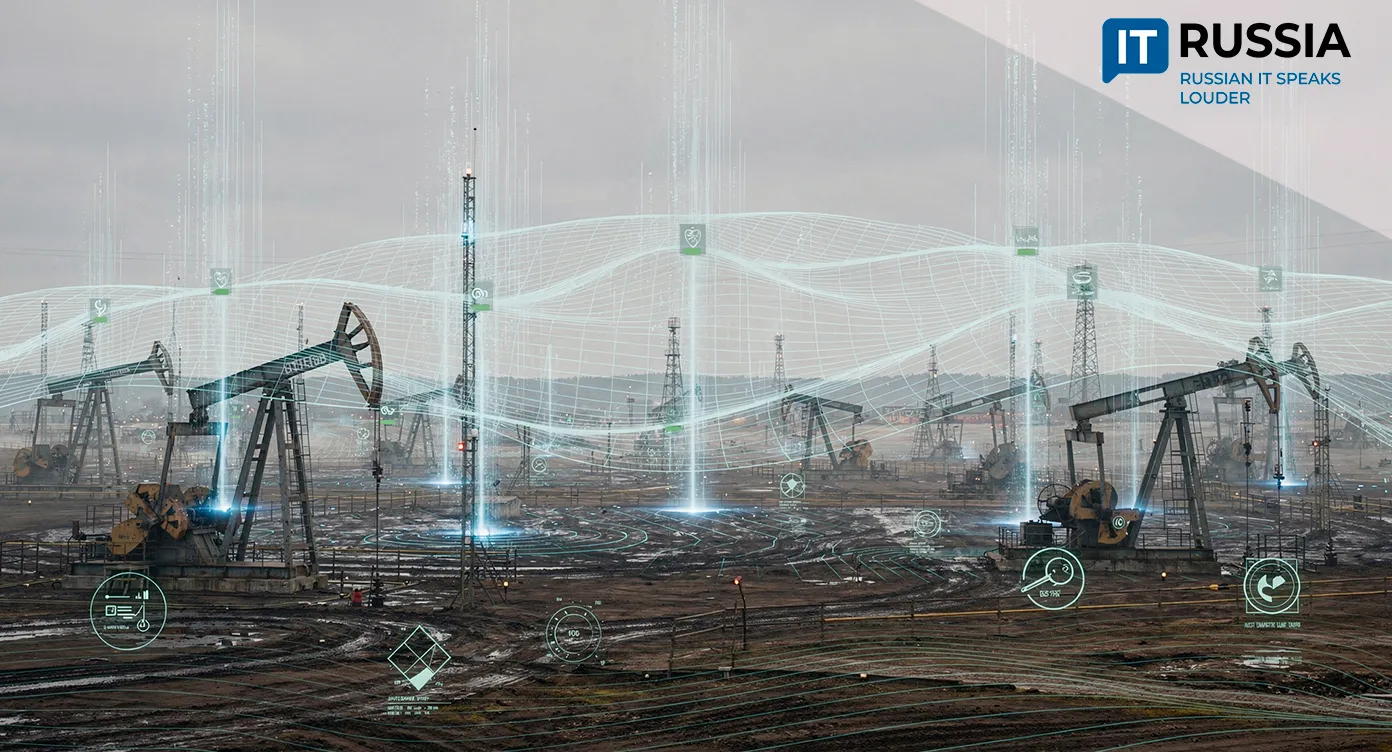
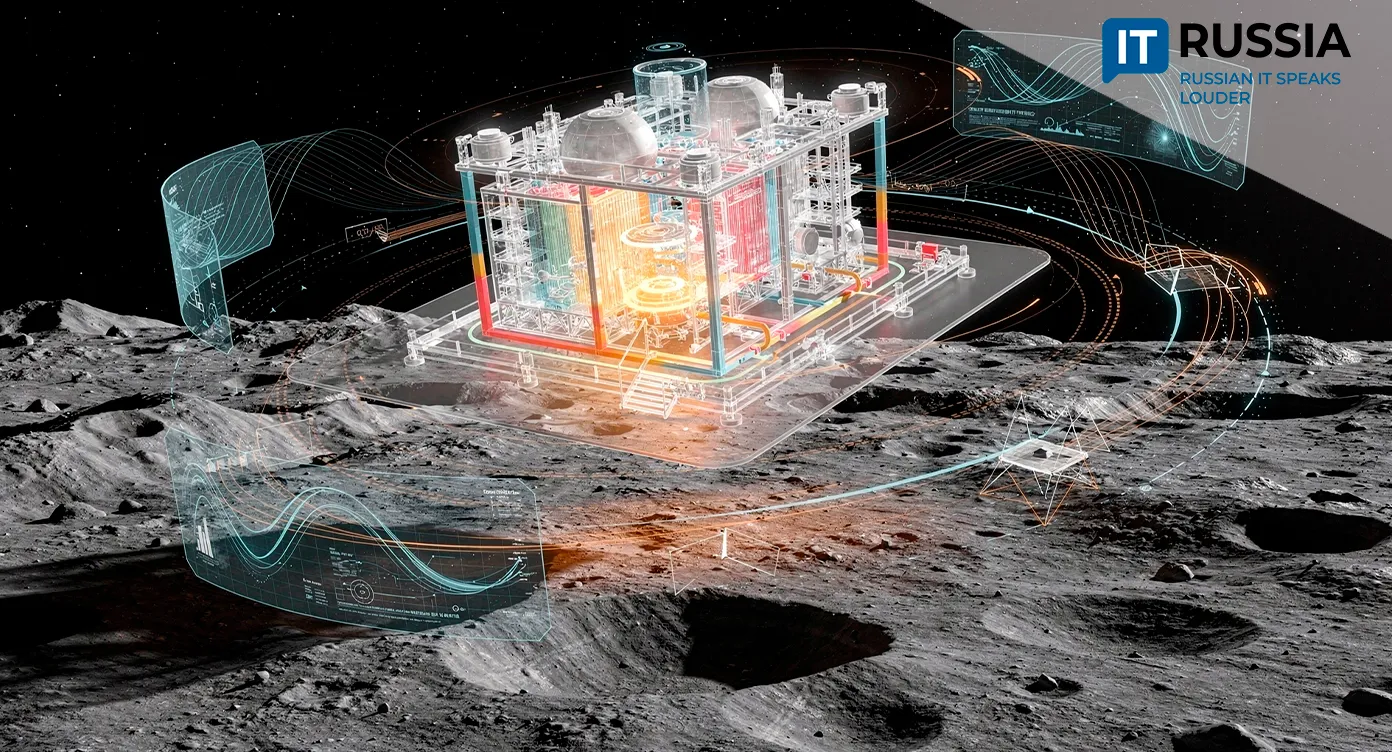
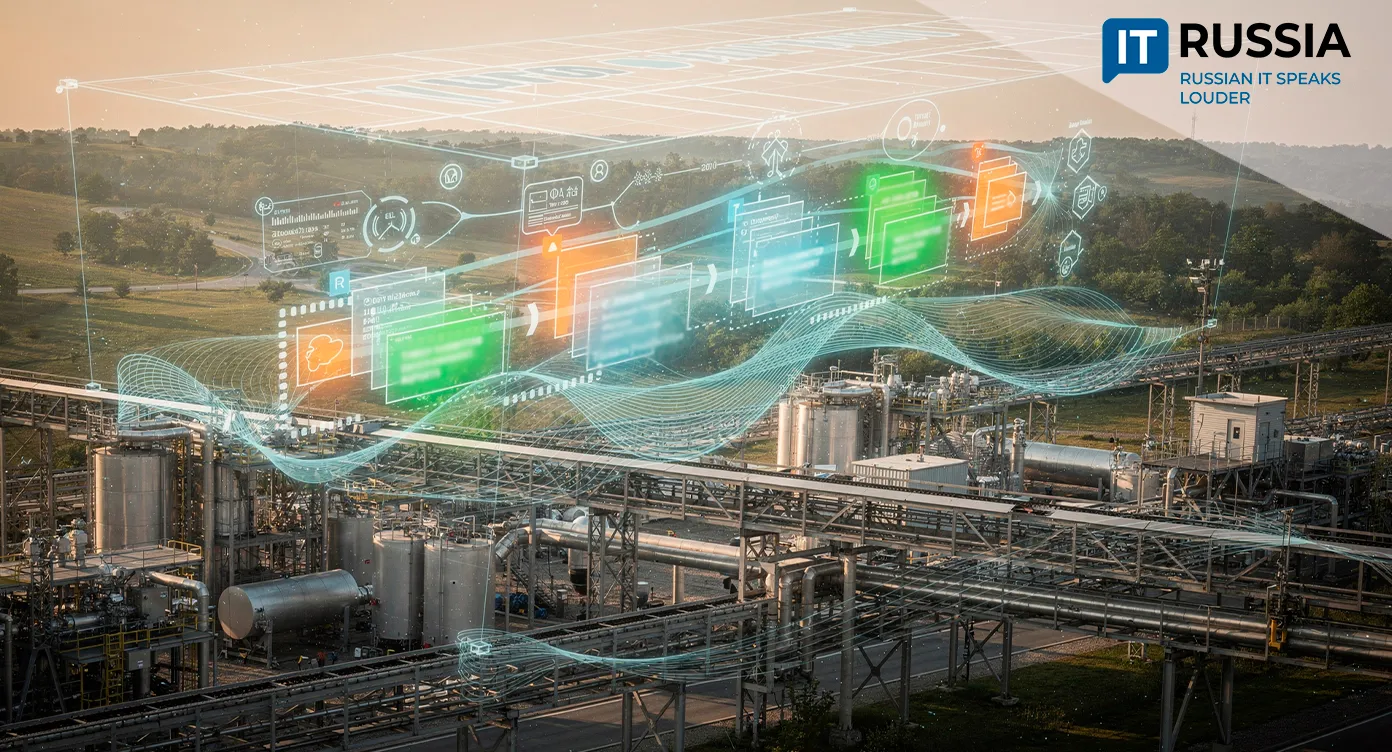
Engineers at Rosneft's research institute in Tomsk have developed a three-dimensional model of Russia's largest oil pumping station by area and throughput capacity - using entirely Russian software.
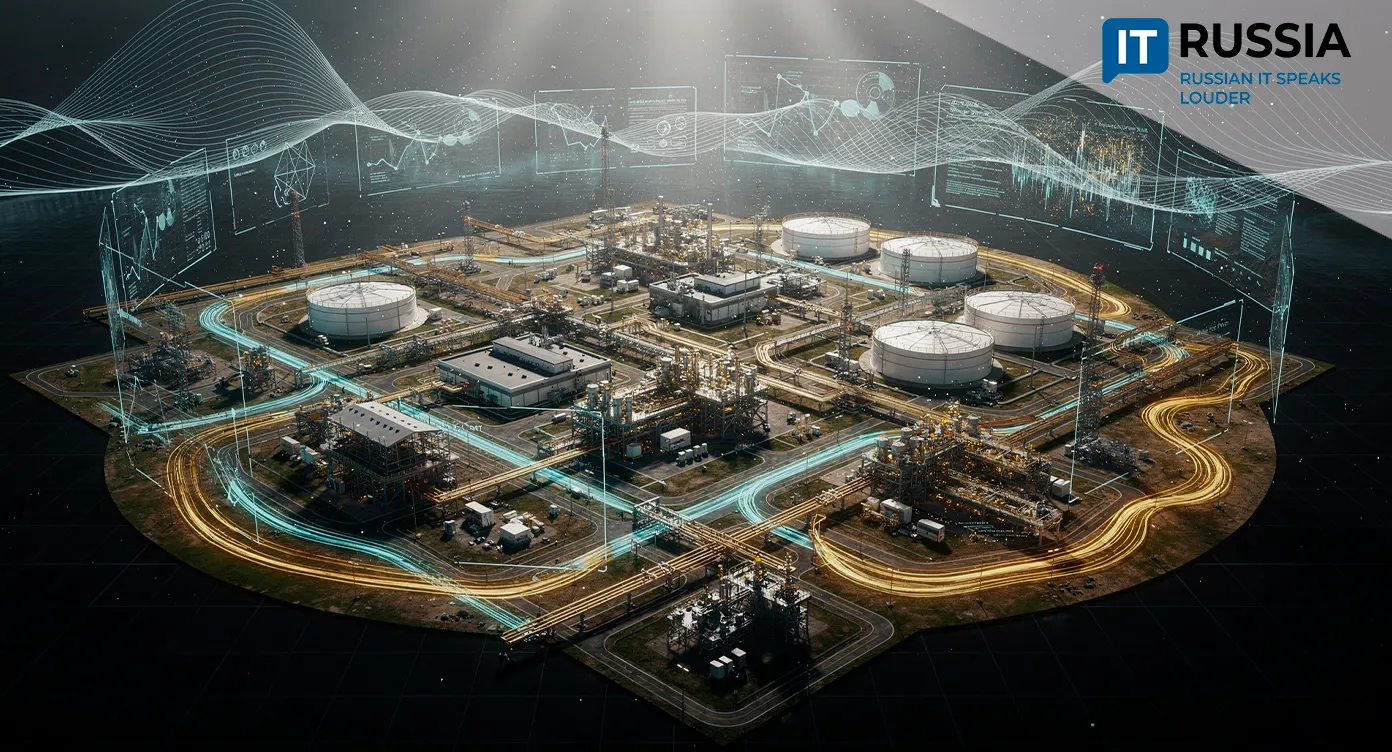
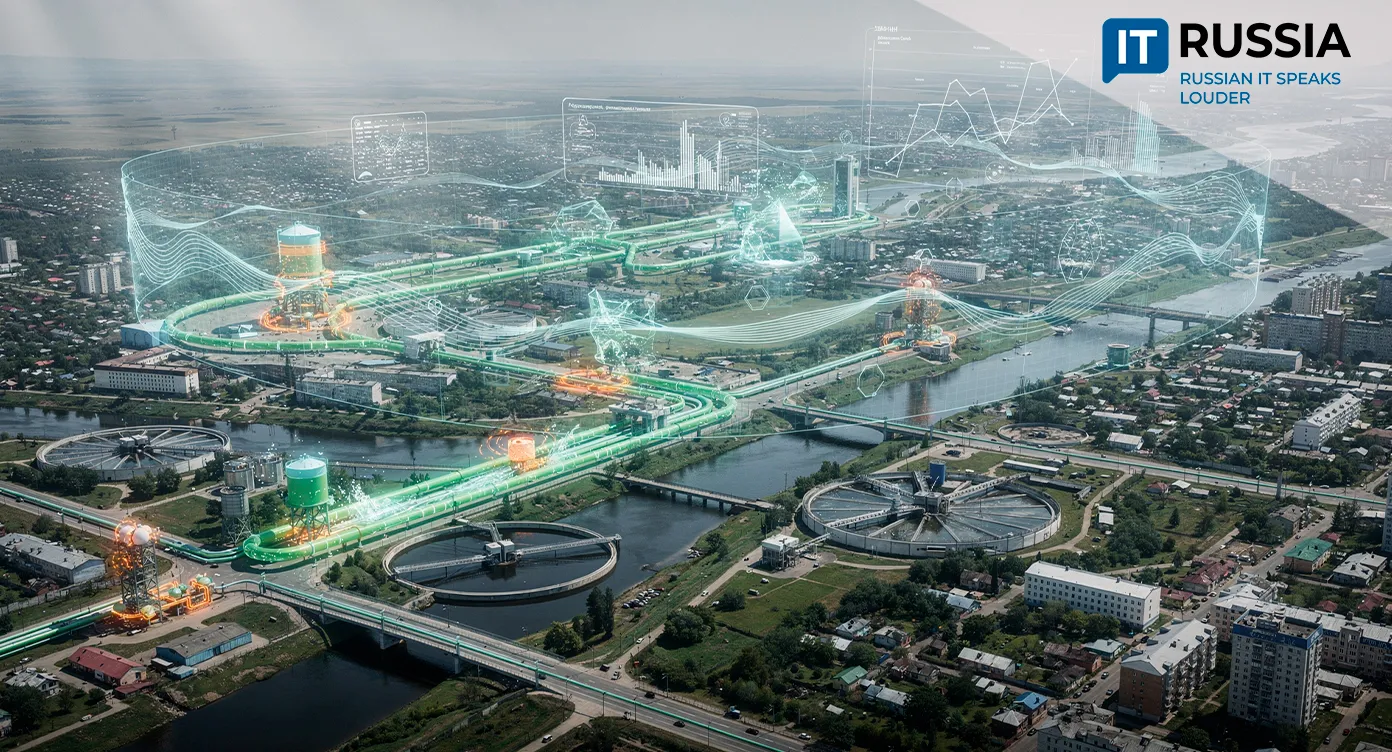
The project, which reinforces Rosneft's leadership in 3D engineering and design, will support the transportation of more than 100 million metric tons of oil per year. The facility will cover 100 hectares and include more than 480 buildings and structures, 280,000 construction components, 75,000 pieces of process equipment, 130 km of pipelines, and 1,500 km of cable networks.
Supporting More Efficient Operations
The digital twin contains more than five million 3D elements linked to engineering parameters, materials, construction phases, and regulatory documentation. The station includes tank farms, pumping units, water-treatment facilities, and a fire station. Each asset is accompanied by detailed information on dimensions, construction-stage classification, materials, and applicable technical standards.
According to the development team, the 3D model will serve as the digital foundation for the design, construction, and long-term operation of this strategic infrastructure asset.
A Step Closer to CyberTEK
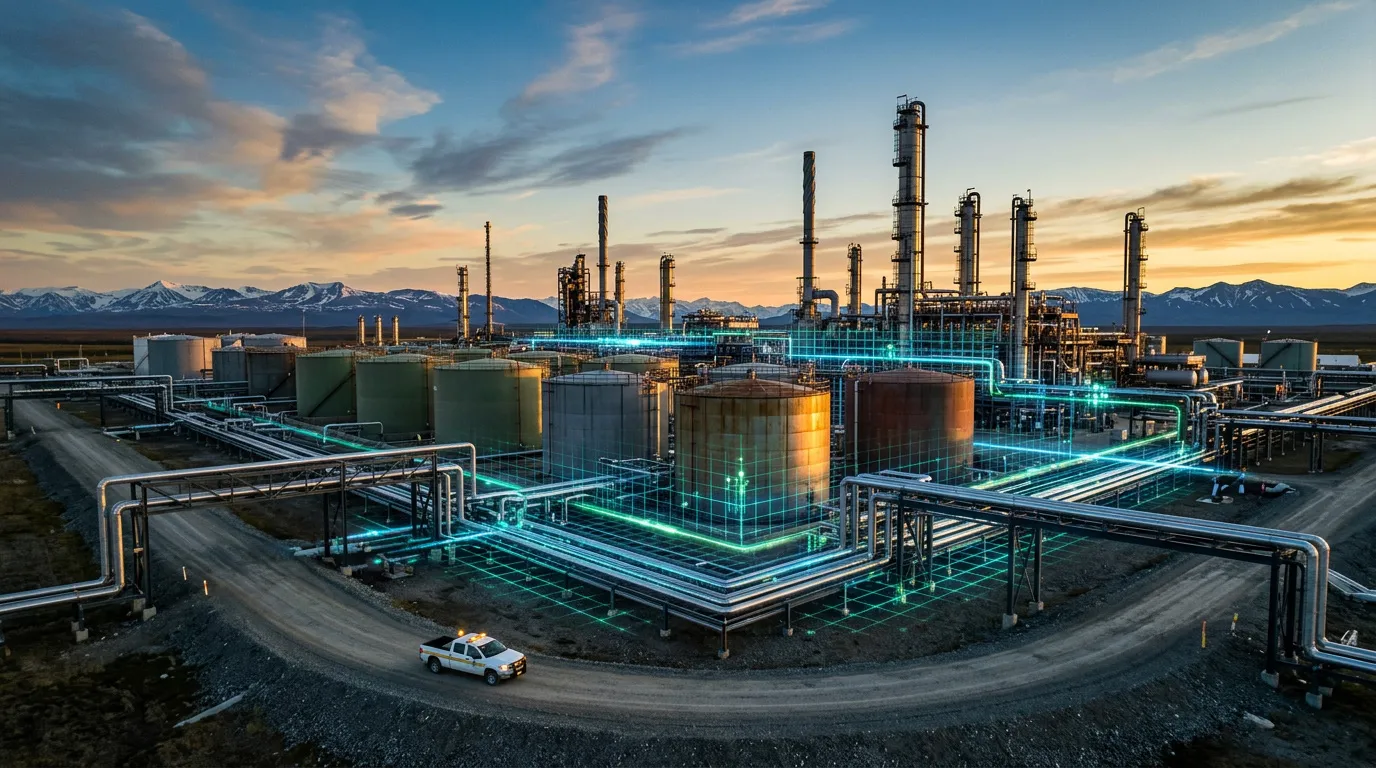
The three-dimensional model of the oil pumping station not only strengthens the role of digital twins as one of the key tools in the digital transformation of Russia's fuel and energy sector, but also establishes a framework that can be replicated across oil and gas, power generation, industrial construction, metallurgy, and transportation infrastructure. It lays the groundwork for predictive maintenance, digital operational oversight, and broader integration of engineering data into industry management systems.
Against the backdrop of discussions about creating even larger digital models for the oil industry - including the proposed CyberTEK initiative - Rosneft's development is particularly timely. CyberTEK is intended to improve the performance of the fuel and energy sector through greater operational transparency, more flexible taxation, optimization, and faster dissemination of best practices and technologies. In turn, that could increase production volumes, export revenues, supply reliability, and the efficiency of serving domestic energy demand.
For the oil and gas industry, these capabilities are increasingly important because facilities are becoming more complex: more equipment, stricter safety requirements, larger volumes of data, and a higher cost of error. A digital twin of an oil pumping station can provide the foundation for automated construction monitoring, precise procurement and materials planning, verification of compliance across structures, pipelines, cable routes, and equipment, as well as the creation of a digital asset passport integrated with operations, maintenance, and industrial safety systems.

Shift Toward Domestic Solutions
At present, the share of Russian software in the sector is estimated at 84%. Full migration to domestic software products is expected by 2027. The groundwork for that transition has already been established. In 2021, Gazprom Neft created a digital twin of the large A. Zhagrin oil field in the Khanty-Mansi Autonomous Okrug. It was one of the earliest and most visible implementations, providing a virtual environment that allowed operators to monitor infrastructure performance and manage field development using the model.
In 2023, Rosneft developed a digital model of gas fields encompassing more than 150 wells. Using automatically imported field-report data, the system generated short- and medium-term gas-production forecasts. In 2025, Bashneft connected more than 8,000 wells to its Digital Field platform, covering over 70% of its producing well stock in Bashkortostan. The project incorporates AI-enabled decision-support systems, digital twins, 3D visualization tools, and software robots.
More broadly, digital twins in Russia's oil and gas sector are moving beyond isolated pilot projects and into large-scale engineering and infrastructure deployments. The focus is no longer limited to reservoir models. Increasingly, digital technologies are being applied throughout the construction and operational lifecycle of major oil transportation assets.