Veterinary Care Goes Digital: Moscow Lets Owners Book Online Appointments for Chinchillas and Iguanas
Moscow residents can now book veterinary appointments online for exotic pets, check their animals’ health records and find the right clinic through the city portal. Similar digital veterinary services could eventually expand to other Russian regions.
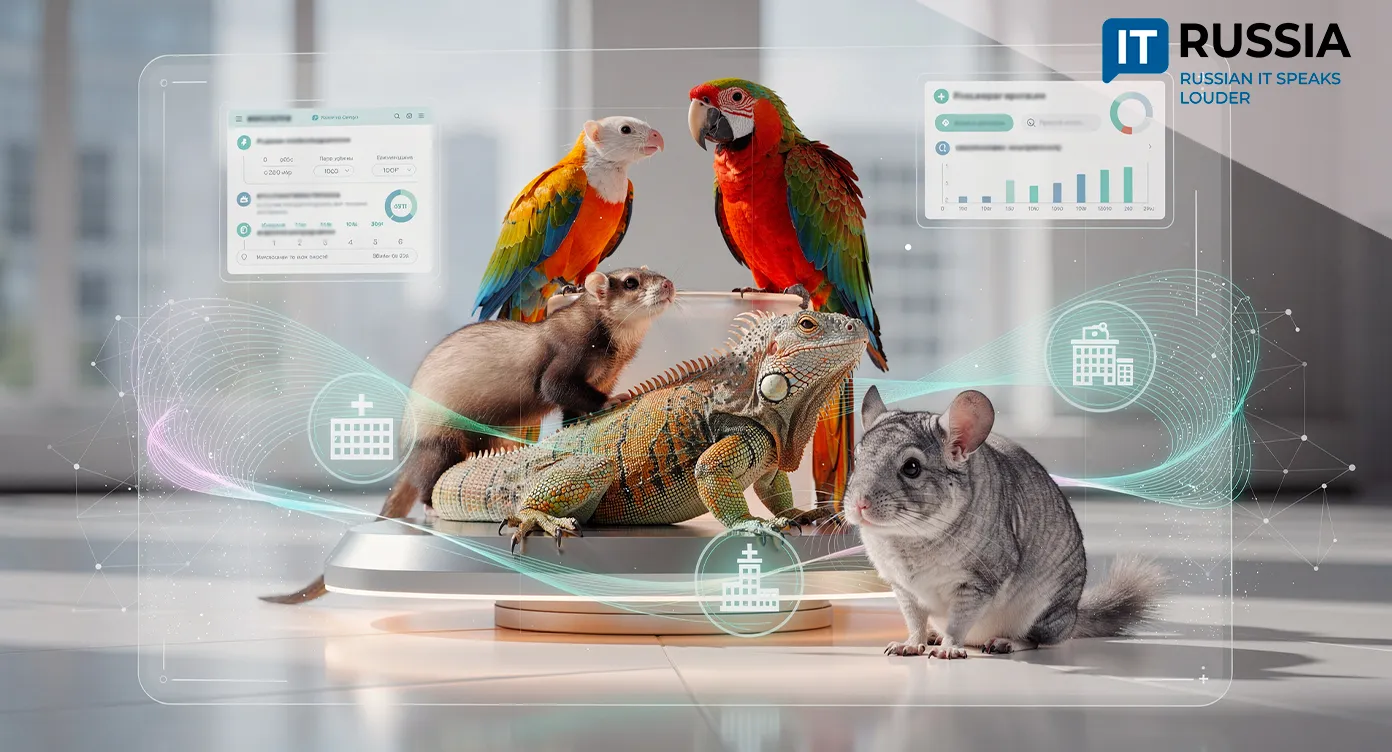
Through the Moi pitomets (My Pet) superservice on the mos.ru city portal, Moscow residents can schedule appointments with specialised veterinarians for rare and exotic pets, including ferrets, chinchillas, iguanas, parrots and even aquarium fish. The service is part of a broader digital ecosystem for pet owners that includes online booking, electronic medical records, vaccination reminders, clinic information and veterinary infrastructure services.
A Doctor for Every Animal
With the Moi pitomets service, exotic pets can receive qualified care more quickly, while owners no longer need to call multiple clinics trying to find professionals who treat rare animals. That is particularly important because some species, birds and fish require narrow veterinary expertise that is not always available in standard clinics.
Veterinary medicine itself is increasingly becoming part of the urban digital infrastructure, while new services are also available for owners of more common pets such as dogs and cats. According to data from VTsIOM, 66% of Russians own pets, meaning there is already stable demand for the continued expansion of these services.
An Ecosystem for Animals
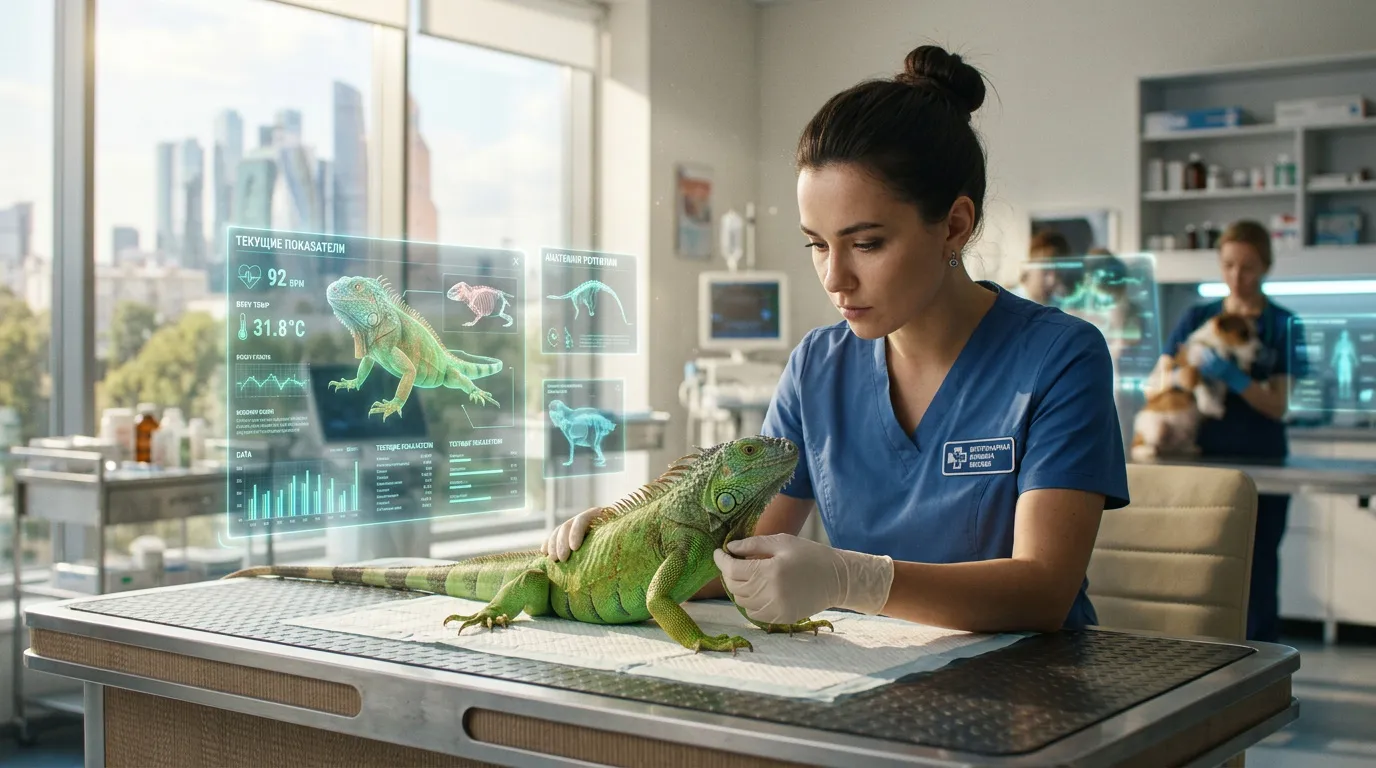
Over time, the Moscow model could spread to other Russian regions, particularly those already developing regional government-service portals and digital animal registration systems. The next stage could involve expanding tele-veterinary care, which became available on mos.ru in December 2025, along with remote consultations that may precede in-person visits. The most promising scenario involves combining multiple service layers into a fully integrated ecosystem. That could improve preventive care, reduce clinic queues and help authorities better understand the needs of pet owners.
A comprehensive urban-services platform that includes an owner account, electronic animal records, integration with state veterinary clinics, notifications, online consultations and facility-load analytics could also attract interest from international megacities as part of broader smart-city solutions.
Veterinary Services Move Online
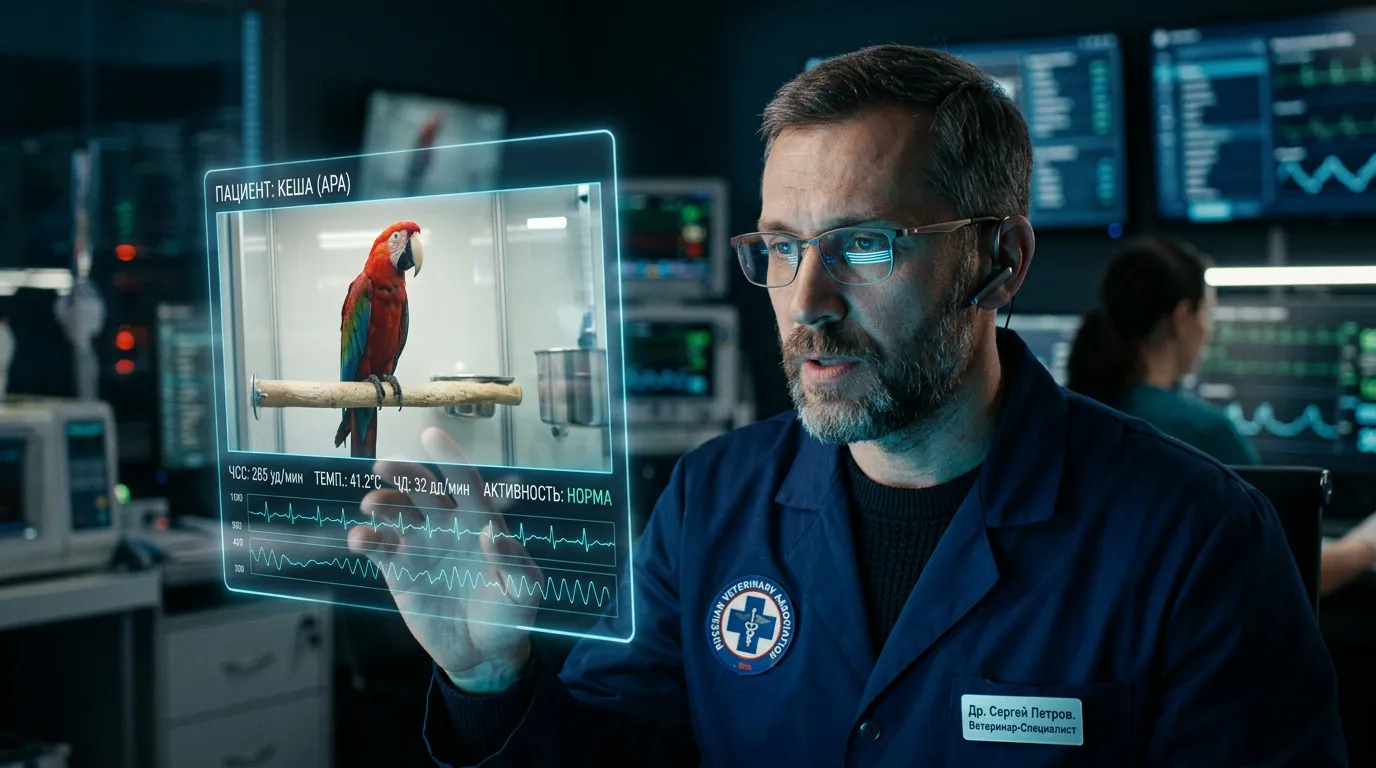
The digital ecosystem mentioned above has been developing for several years. In 2023, the Moi pitomets superservice launched on the mos.ru portal, giving pet owners access to outpatient medical records for their animals as well as useful addresses and veterinary guidance materials. The platform also introduced online appointment booking. By August of that year, the portal reported that the online booking system had already been used more than 700,000 times. By then, the VetAS automated system, an animal-health equivalent of Moscow’s EMIAS healthcare platform, was already operational.
In 2025, Moscow Region launched online pet registration, while the Yamalo-Nenets Autonomous Okrug announced the rollout of a unified digital system for animal registration and tracking. The defining trend of 2026 is tele-veterinary care. Starting in January, pet owners gained access to online consultations with specialists from state veterinary institutions.
Choosing the Right Veterinarian Without Mistakes
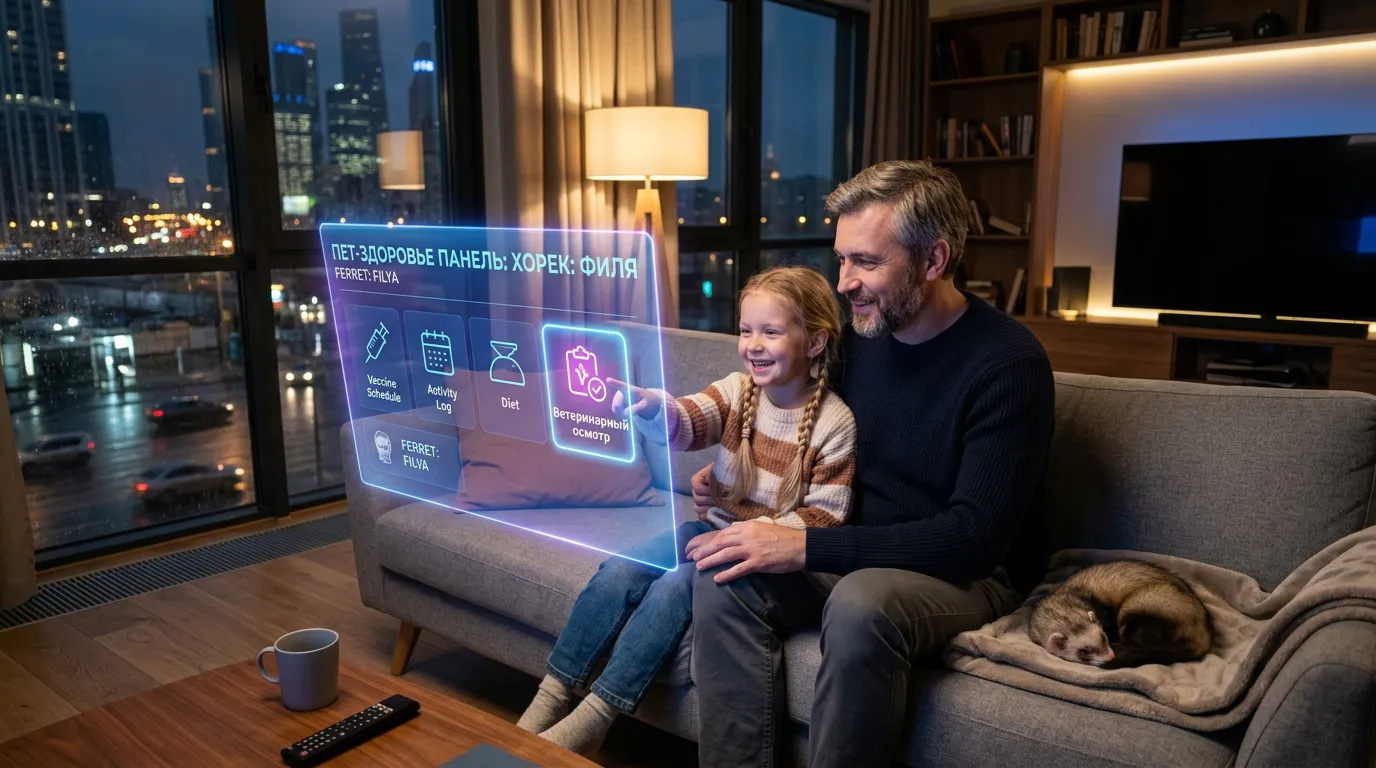
Moscow is transforming veterinary services into a convenient digital platform where pet owners can navigate doctors, clinics, medical documents and preventive care through a single interface. The routing function makes the platform especially valuable for rare animals because choosing the wrong specialist or delaying treatment can lead to serious consequences.
Over the next several years, the services are likely to continue evolving through integration with pet microchipping and registration systems, expanded tele-veterinary care, personalised preventive-care calendars, broader notification systems and potentially analytics based on anonymised data. In the long term, Moscow’s experience could become a model for regional government-service portals, especially in large cities and metropolitan areas.