Eyes Don’t Lie: Russian Scientists Create Device That Detects Burnout Before People Notice It Themselves
Russian researchers have developed a device that diagnoses professional burnout through microscopic eye tremors. Ultra-slow-motion imaging captures subtle oscillations invisible to the naked eye, while software calculates their frequency and amplitude. The technology has already been patented and could help save lives in high-risk industries.
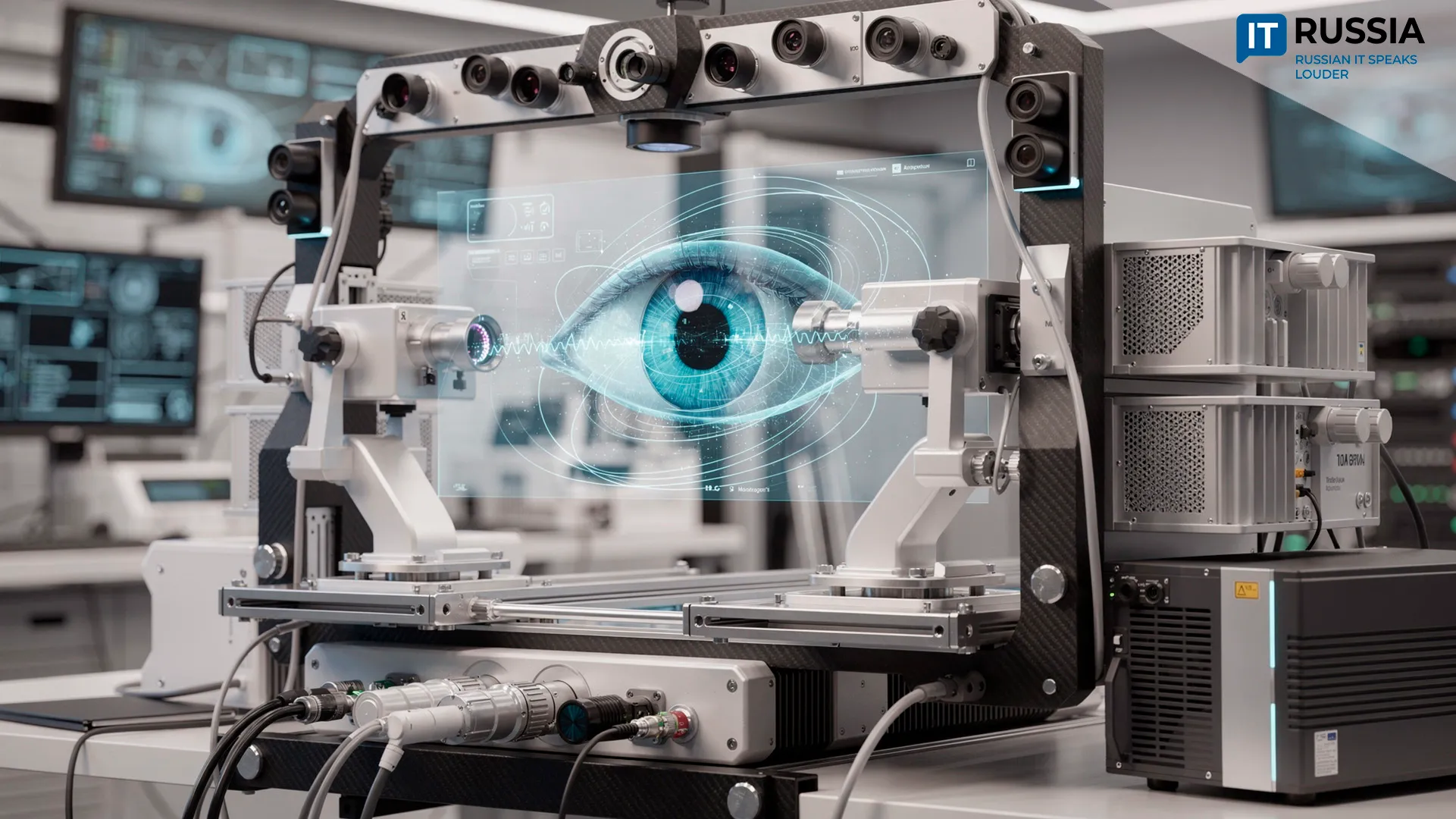
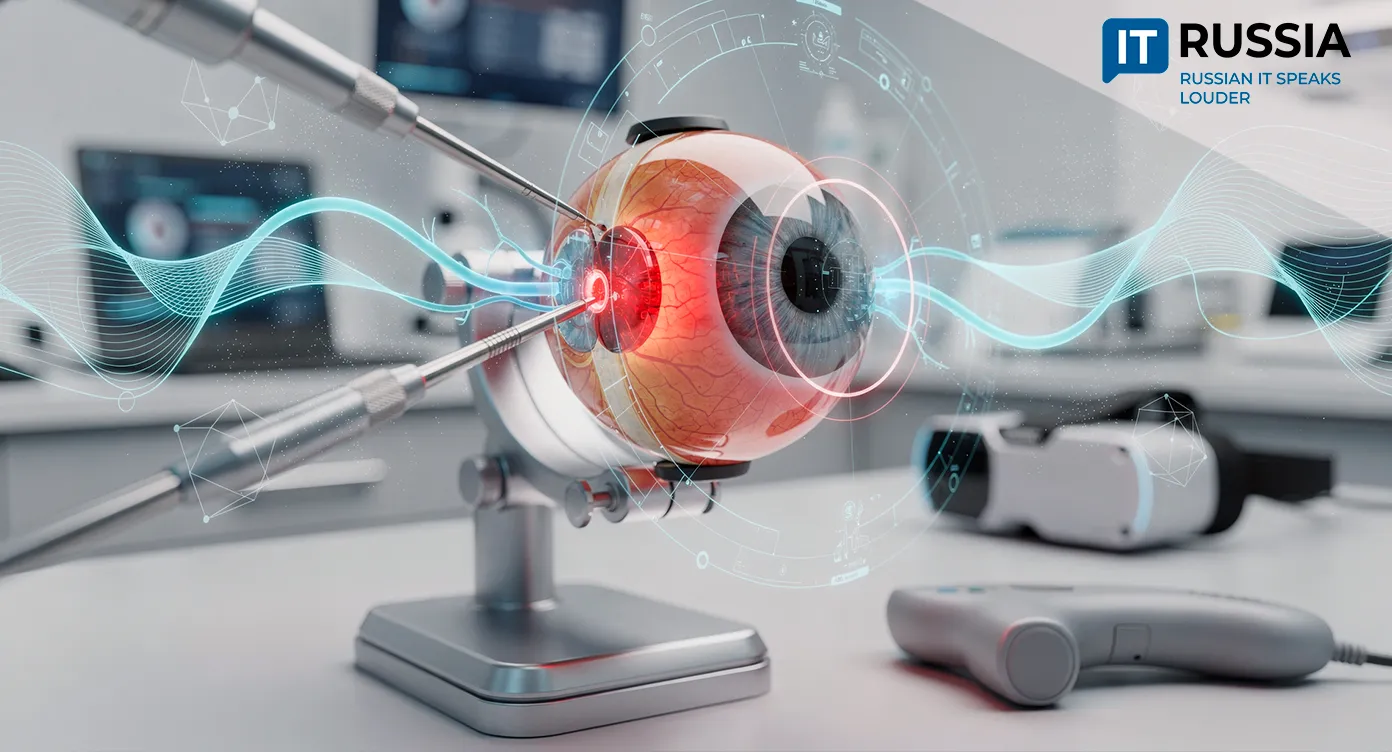
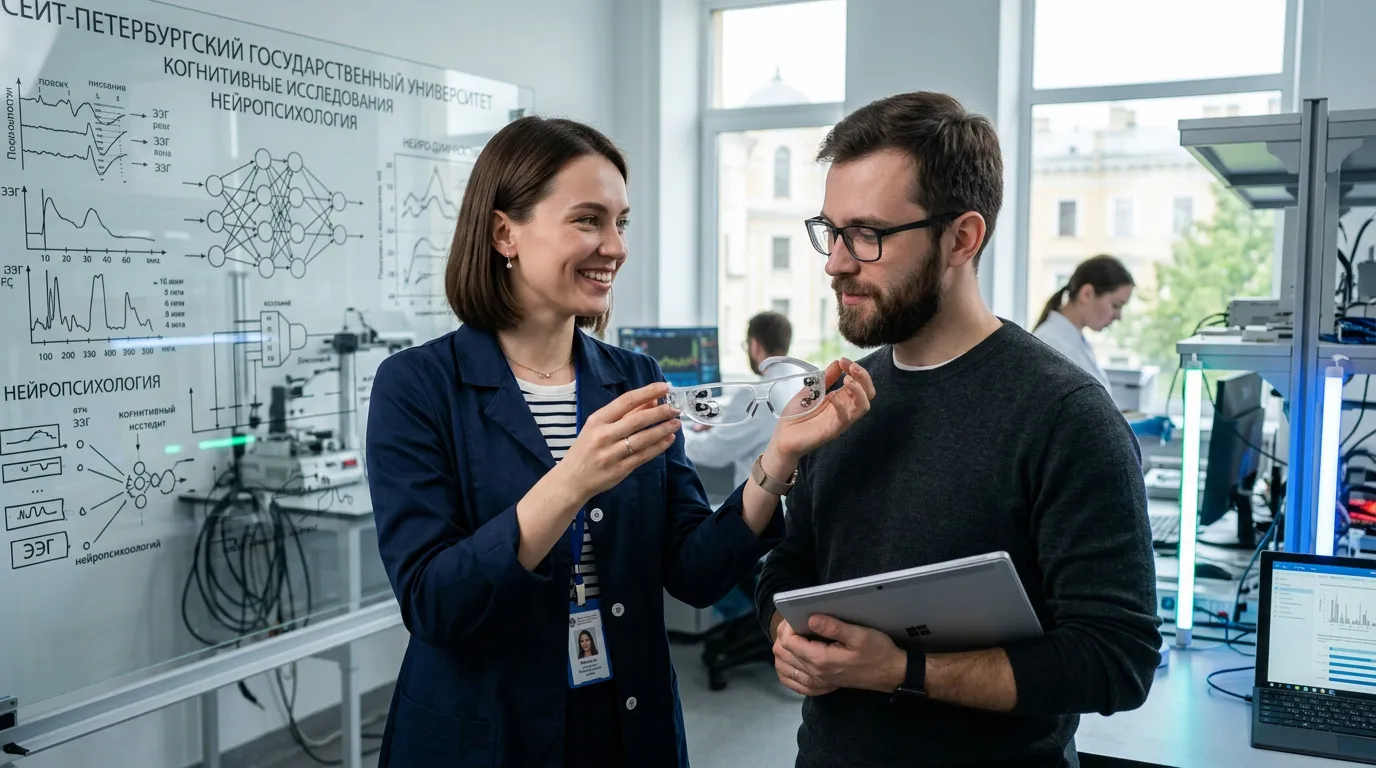
Researchers at Saint Petersburg State University, together with colleagues from the Prokhorov General Physics Institute, have developed a device that evaluates a person’s condition based on how their eyes move. More specifically, it analyzes microtremor – involuntary oscillations of the eyeballs. These movements are so rapid and subtle that conventional cameras cannot detect them. To capture them, the researchers used ultra-slow-motion video recording at 960 frames per second. The system also includes specialized illumination, a forehead-and-chin support assembly and a computer equipped with analytical software.
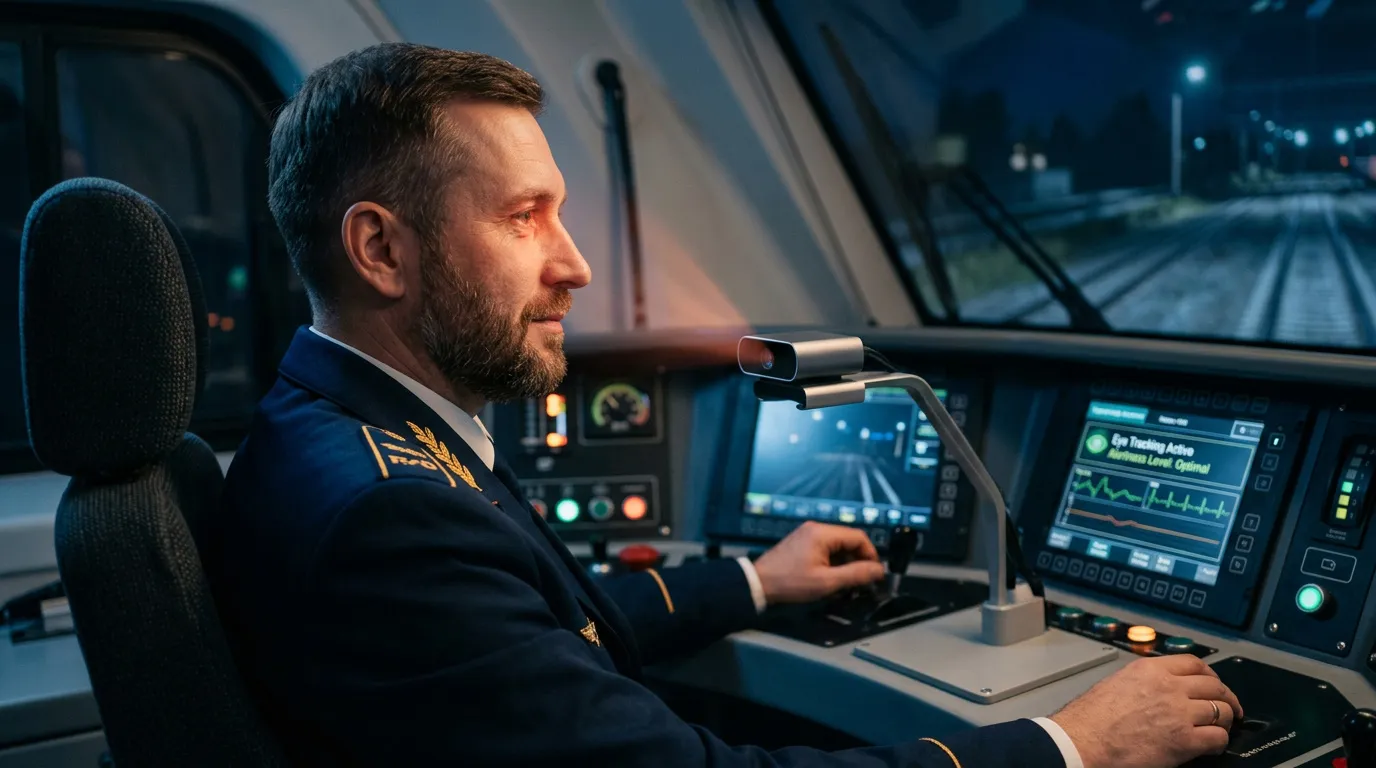
What makes the technology important is that it does more than simply determine whether a person feels tired. The device evaluates the degree of fatigue and predicts when an employee will require rest. That may be useful in office environments, but the technology becomes especially valuable in hazardous industries. Potential applications include truck drivers, locomotive operators, pilots, dispatchers, surgeons and industrial or energy-sector control-room operators – environments where a single fatigue-related mistake can cost lives.
Capturing What Was Previously Invisible
For years, remotely detecting eye microtremor was considered nearly impossible. The oscillations occur too quickly, while noncontact methods lacked the precision required for reliable measurements. Researchers from SPbGU and the General Physics Institute of the Russian Academy of Sciences say they solved that problem.
Their patented device operates by recording high-resolution footage of a person’s eyes and then processing the video through analytical software. The system measures interframe image displacement coordinates, average microtremor frequency and amplitude, along with additional statistical parameters. The result is a highly precise assessment of microscopic eye movements. The research findings have already been confirmed through a patent, meaning the technology is now ready for practical deployment.
Why the Technology Matters
Vision is the brain’s primary channel for receiving information about the surrounding environment. Eye behavior can therefore reveal a great deal about a person’s functional condition. Microtremor is controlled by neurons in the brain stem, and its parameters are directly linked to nervous-system activity.
Professional burnout is precisely the type of condition that develops after prolonged exposure to stress, workload pressure and fatigue. It manifests as emotional and physical exhaustion, detachment and declining performance. According to the researchers, the eyes can reveal those warning signs long before the condition reaches a critical stage.
Professional burnout has long been recognized by the World Health Organization. For Russia – a country with vast distances, an extensive transportation network and large-scale heavy industry – this type of diagnostic capability could become critically important. The ability to predict when concentration levels are approaching dangerous thresholds may help prevent thousands of accidents and workplace incidents.
What the System Could Mean for Patients and Workers
For individual workers, the device could provide an opportunity to stop and recover before burnout escalates – taking time off, resting or addressing chronic fatigue early. Burnout often accumulates over months, while irritability and mistakes are frequently dismissed as personality issues. Objective eye-based measurements would allow both employees and employers to identify the problem before it develops into severe depression, insomnia or physical illness.
The system may also prove valuable in clinical settings. The developers say similar methods could potentially be used to monitor fatigue disorders, schizophrenia-spectrum conditions and even the physiological effects of weightlessness. For medicine, that opens new possibilities for earlier diagnosis and monitoring.
Export Potential and Integration Opportunities
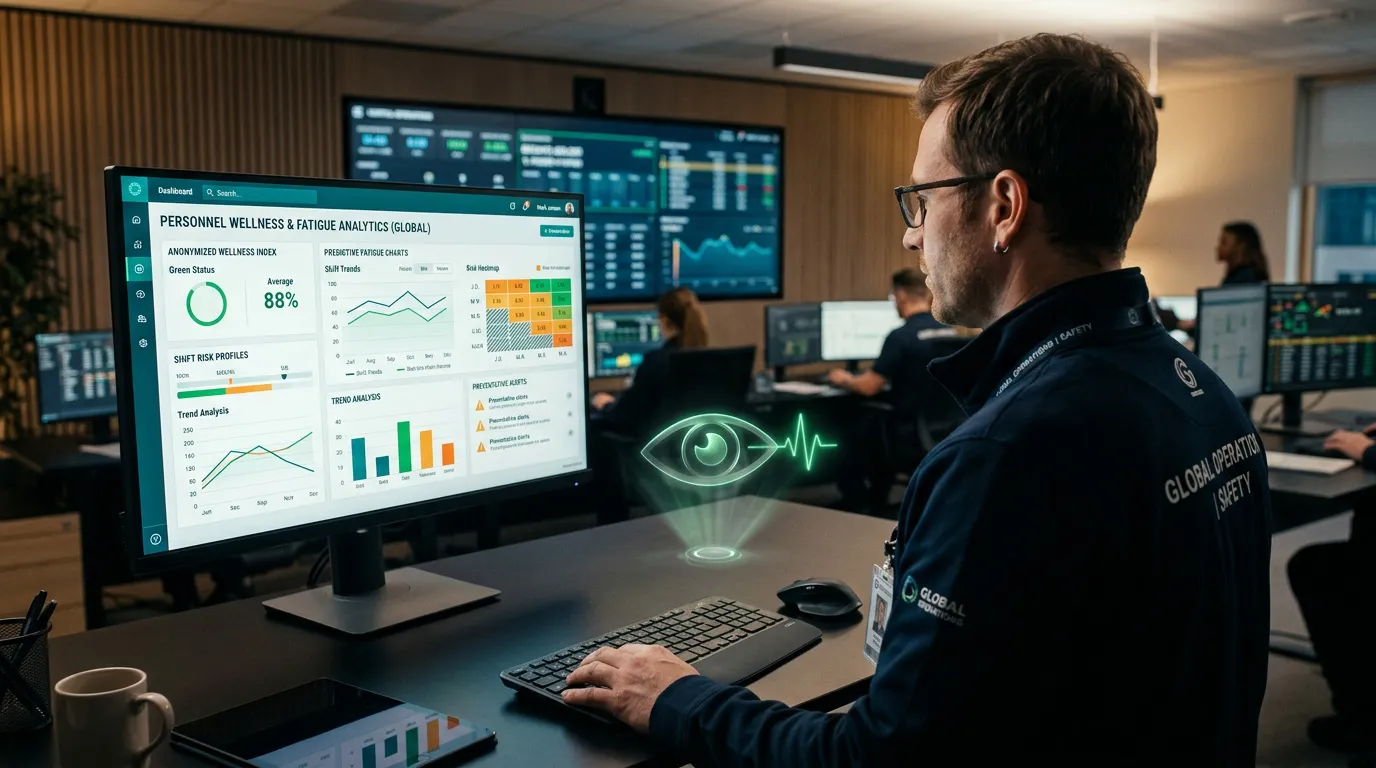
The technology appears well positioned for international markets. Demand for systems capable of monitoring human condition continues to rise globally – alongside rising stress levels. Transportation companies, airlines and industrial corporations already spend heavily on safety systems. A scientifically grounded device capable of operating autonomously without complex maintenance requirements could attract strong interest.
Another important opportunity lies in integration with existing video-analytics systems. In Russia, for example, the Antison (Anti-Sleep) system already analyzes facial expressions, closed eyes and yawning among drivers using computer vision and neural-network technologies.
Russian researchers also say they do not plan to stop at burnout diagnostics alone. The same principle – ultra-slow-motion imaging combined with microtremor analysis – could potentially be adapted for a wide range of conditions, including fatigue, stress overload, physiological strain and even bodily changes experienced by astronauts after prolonged exposure to weightlessness. Each of those areas could become a future niche for the technology.