

AI Instead of Intuition
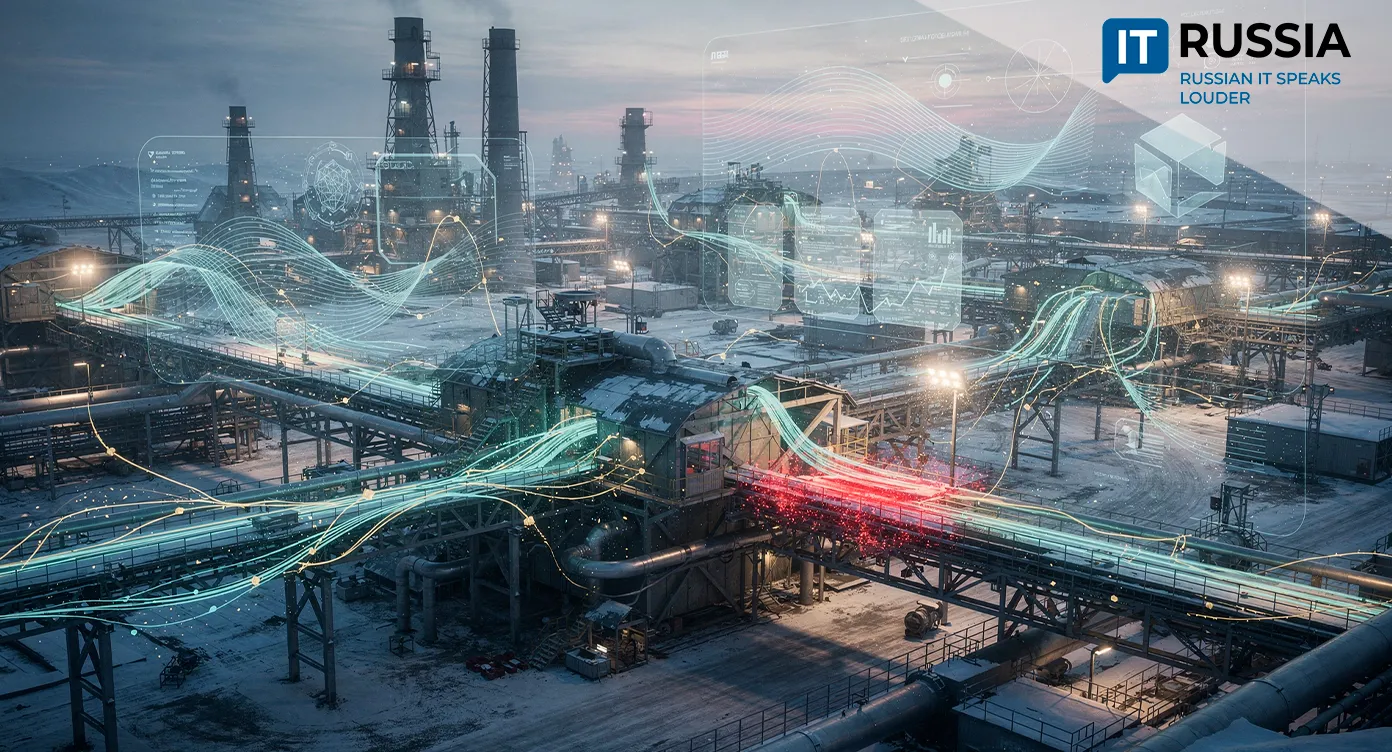
Severstal is steadily transforming traditional steelmaking into a high-tech industrial ecosystem where AI systems directly influence production costs and the quality of finished products.
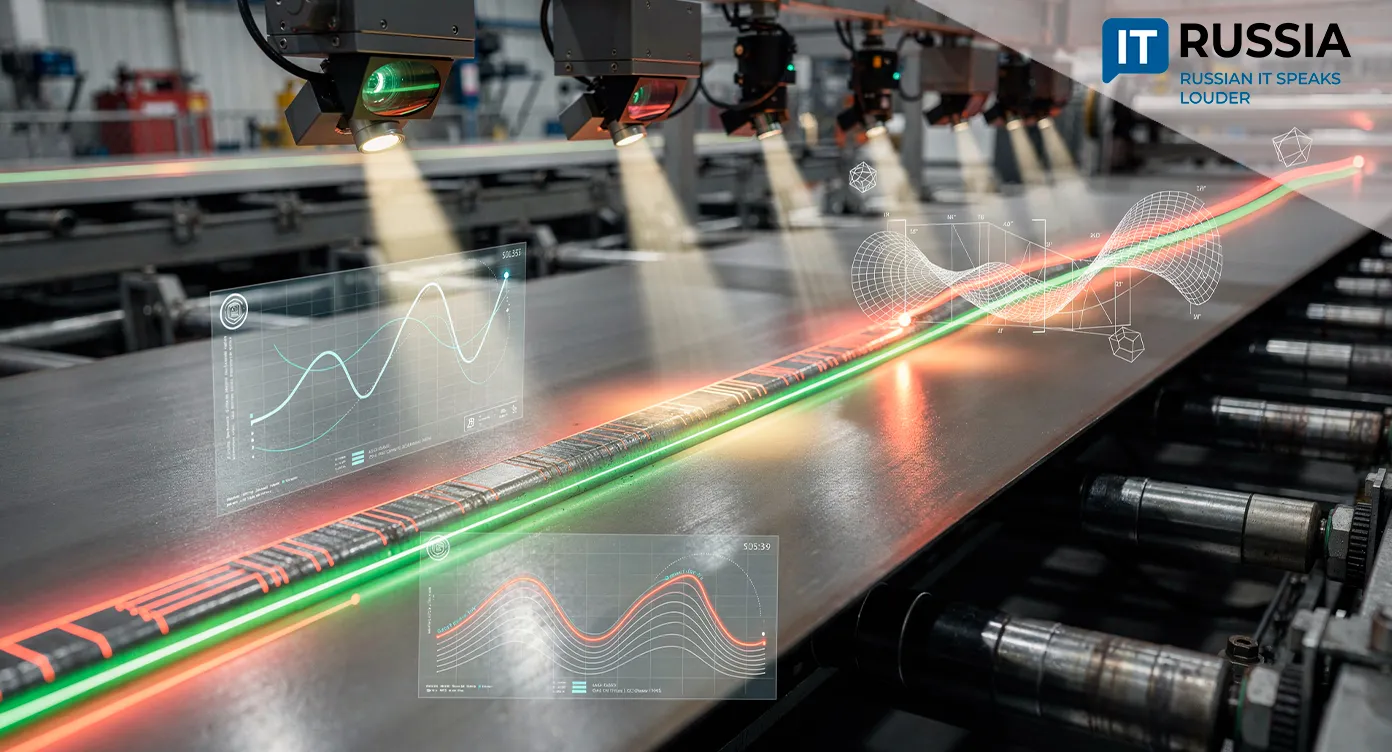
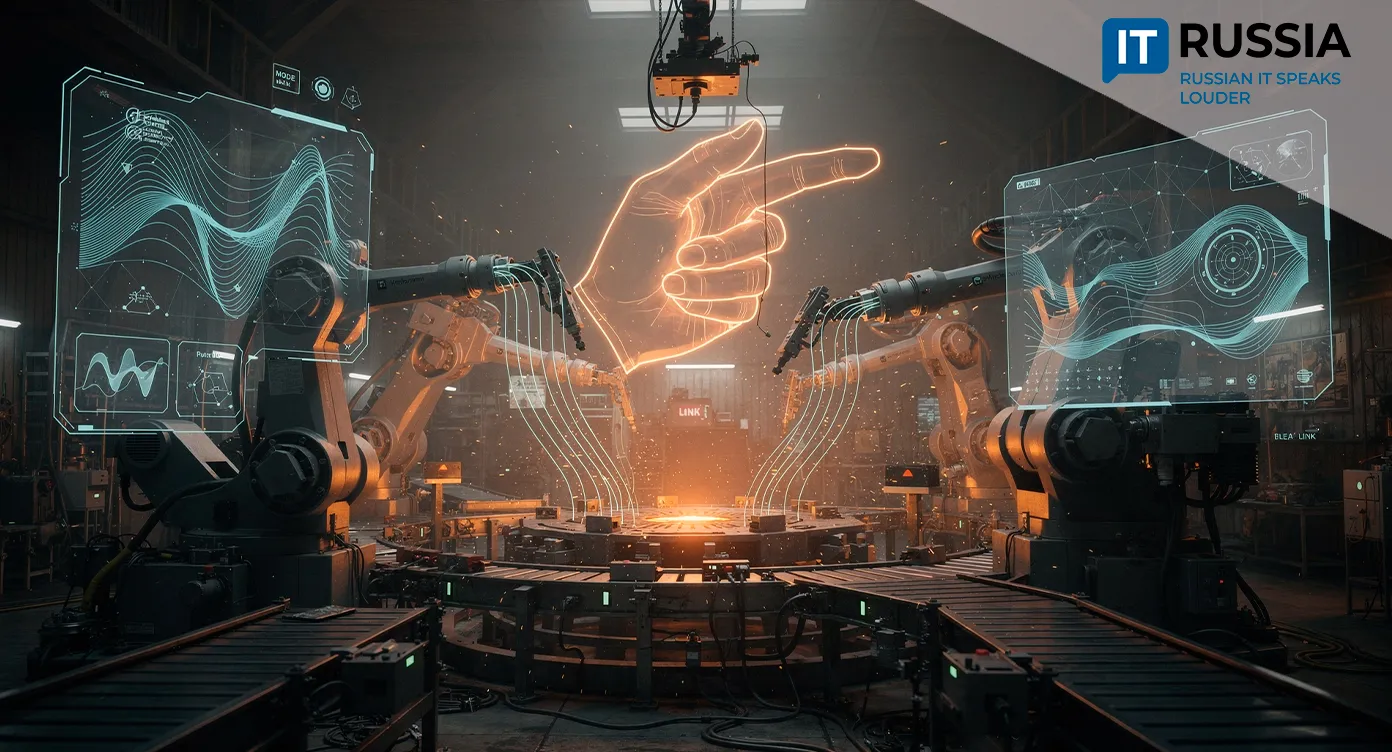
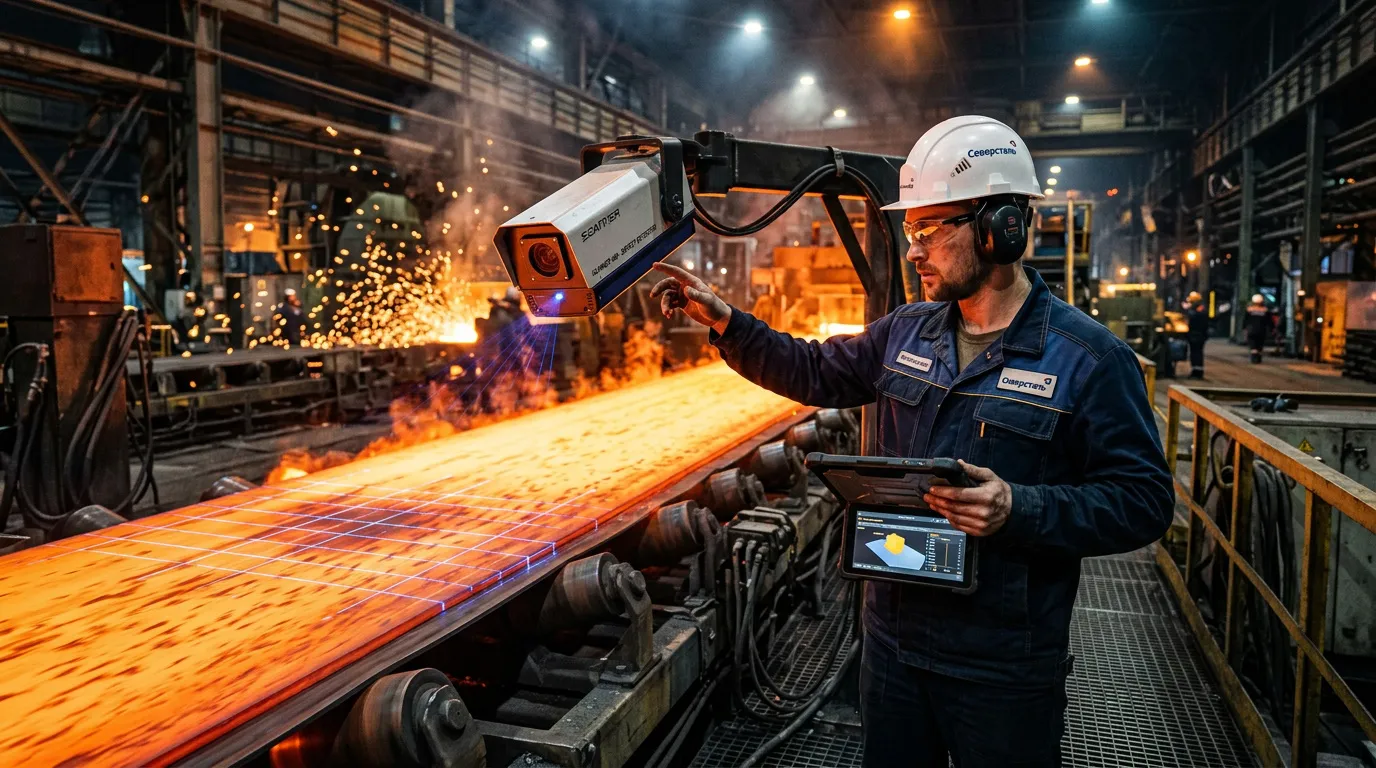
At the Cherepovets Metallurgical Plant, known as CherMK and serving as Severstal’s core industrial asset, the company has launched a computer vision model for automated weld seam quality inspection on a continuous hot-dip galvanizing line inside Metal Coating Shop No. 2.
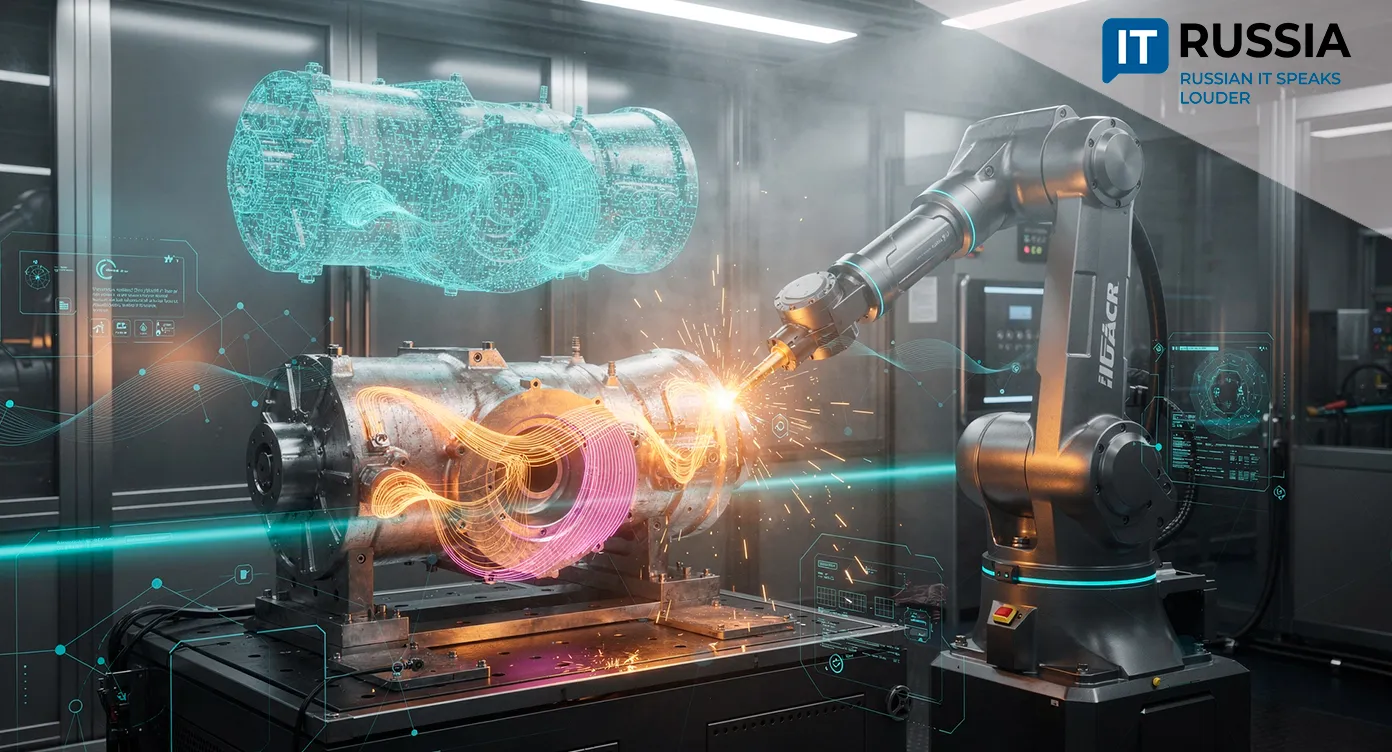
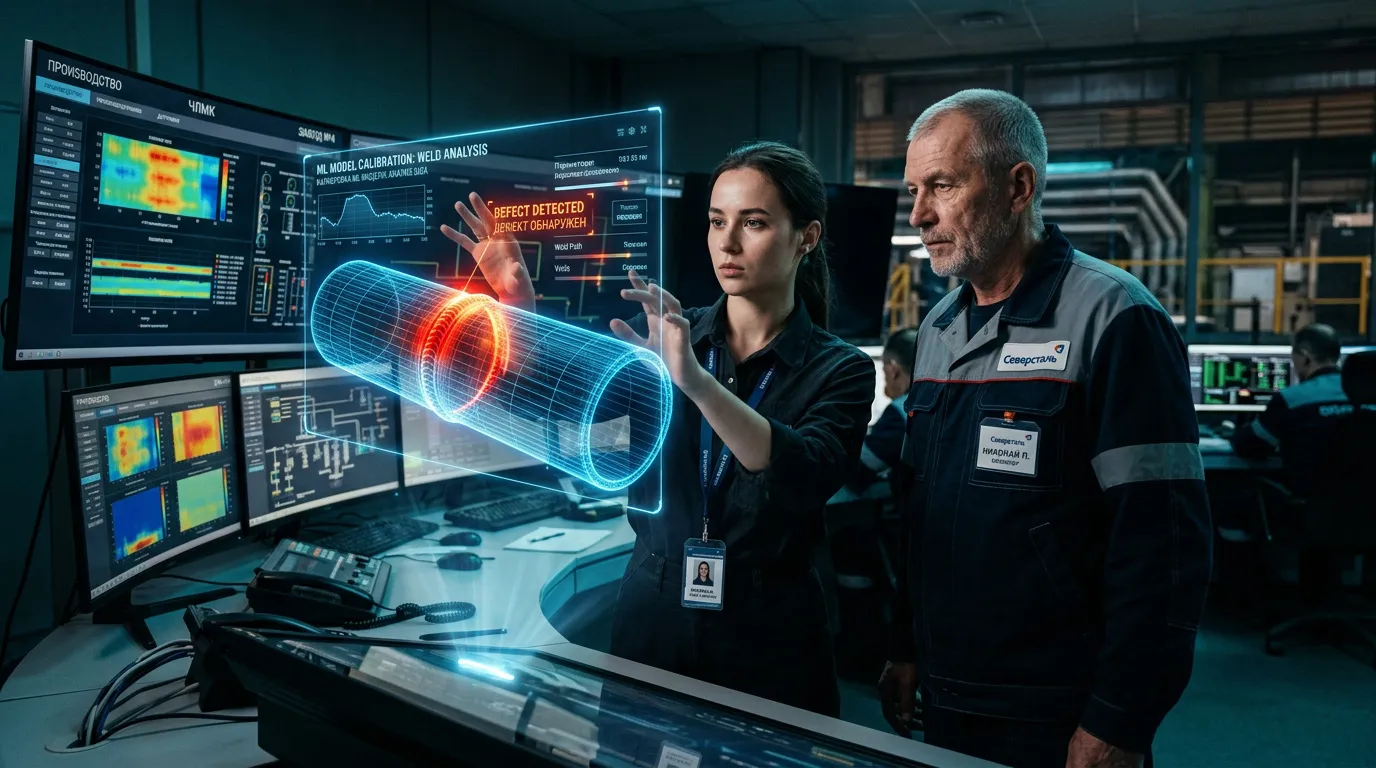
Previously, weld quality was assessed visually, while the need to make decisions within seconds increased the risk of human error. The new system replaced both manual inspection and foreign software platforms, enabling real-time defect detection. The algorithm continuously analyzes video streams and instantly identifies incomplete fusion, burn-through, edge displacement and weld deformation known as “smile” distortion. A temperature graph is displayed simultaneously on the operator’s screen. If deviations appear, the system immediately issues an alert, preventing defective material from moving further down the production chain.
A Sovereign Software Stack for Metallurgy
The solution was developed by a cross-functional team from Severstal-Infokom together with the company’s technological development center for rolling production. During the project, specialists audited existing inspection workflows, designed the model architecture and integrated the platform with industrial cameras and dispatch systems.
Severstal-Infokom handled the collection and transmission of key production parameters, including strip movement speed, weld width and temperature readings. Using these datasets, the team trained the model and adapted it to real manufacturing conditions.
The platform is now operating in full production mode. Developers continue analyzing detection-quality metrics and quickly adjusting algorithms whenever necessary. According to the company, industrial deployment has already reduced downtime caused by strip breaks and other seam-related defects, directly improving line efficiency. The transition to Russian software not only guarantees operational stability, but also creates a foundation for scaling the system across other Severstal facilities and eventually to third-party industrial sites.
The Evolution of Industrial AI Agents
Interest in industrial AI technologies has grown sharply across Russia in recent years. According to the Federal Center for Applied Artificial Intelligence Development, 35% of Russian industrial enterprises already use AI technologies in some form, while another 25% are at various implementation stages. Among companies that have deployed intelligent systems, 77% report measurable positive effects. Computer vision remains the leading category, with 78.7% of companies using it in production environments. These algorithms replace visual inspection, increasing productivity by 10 to 30 times while cutting defect rates in half.
Another major trend involves predictive analytics, allowing manufacturers to plan repairs in advance, order components proactively and minimize unplanned shutdowns that disrupt production lines. Under Russia’s digital transformation strategy for manufacturing, approved by the government, 75% of industrial enterprises are expected to use predictive analytics by 2030. The next stage of development involves tailoring AI systems to specific workshop environments and deploying AI agents capable of moving beyond warnings toward autonomous actions. These systems could independently generate maintenance requests, verify resource availability and interact directly with ERP platforms. In the medium term, Russian computer vision systems designed for heavy industry could also attract interest from countries with large metallurgy, mining and machinery manufacturing sectors.
Import Substitution as a Competitive Advantage
The company’s digital transformation strategy is built around three priorities: end-to-end data management, environmental monitoring and greater manufacturing flexibility. To achieve those goals, Severstal has focused on deep integration between artificial intelligence technologies and internally developed software systems.
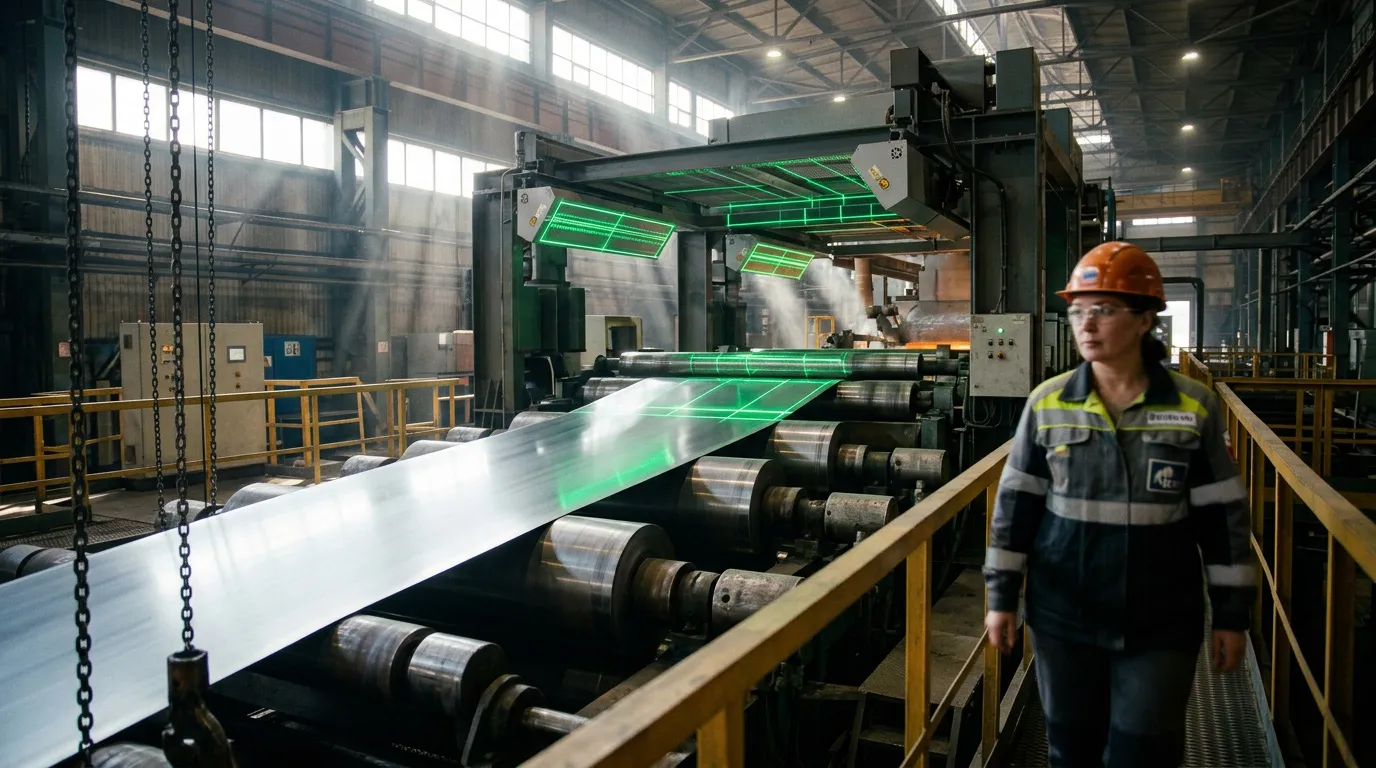
Intelligent systems already oversee critical production stages. Computer vision platforms identify defects, machine-learning algorithms optimize resources and predict failures, while digital twins allow engineers to test production modes without operational risk. Over the next several years, Severstal plans to deploy machine vision systems across additional industrial facilities, significantly reducing defects, downtime and customer claims while lowering dependence on operator skill levels. The next phase will involve integrating cameras, industrial sensors and predictive analytics into a unified quality management platform.
The ecosystem’s technological foundation is being developed by Severstal-Infokom, which is replacing foreign ERP and MES solutions with a sovereign software stack, deploying IIoT networks and building a unified corporate data platform. Big Data analytics is replacing intuition-driven decision-making with precise operational metrics that directly improve business margins. Expanding internal IT expertise also allows the company to create highly customized software products adapted specifically to the realities of metallurgy. That broader strategy of import substitution and internal capability development is giving Severstal a durable long-term competitive advantage.