X5 Overhauls Retail Infrastructure With New Checkout System
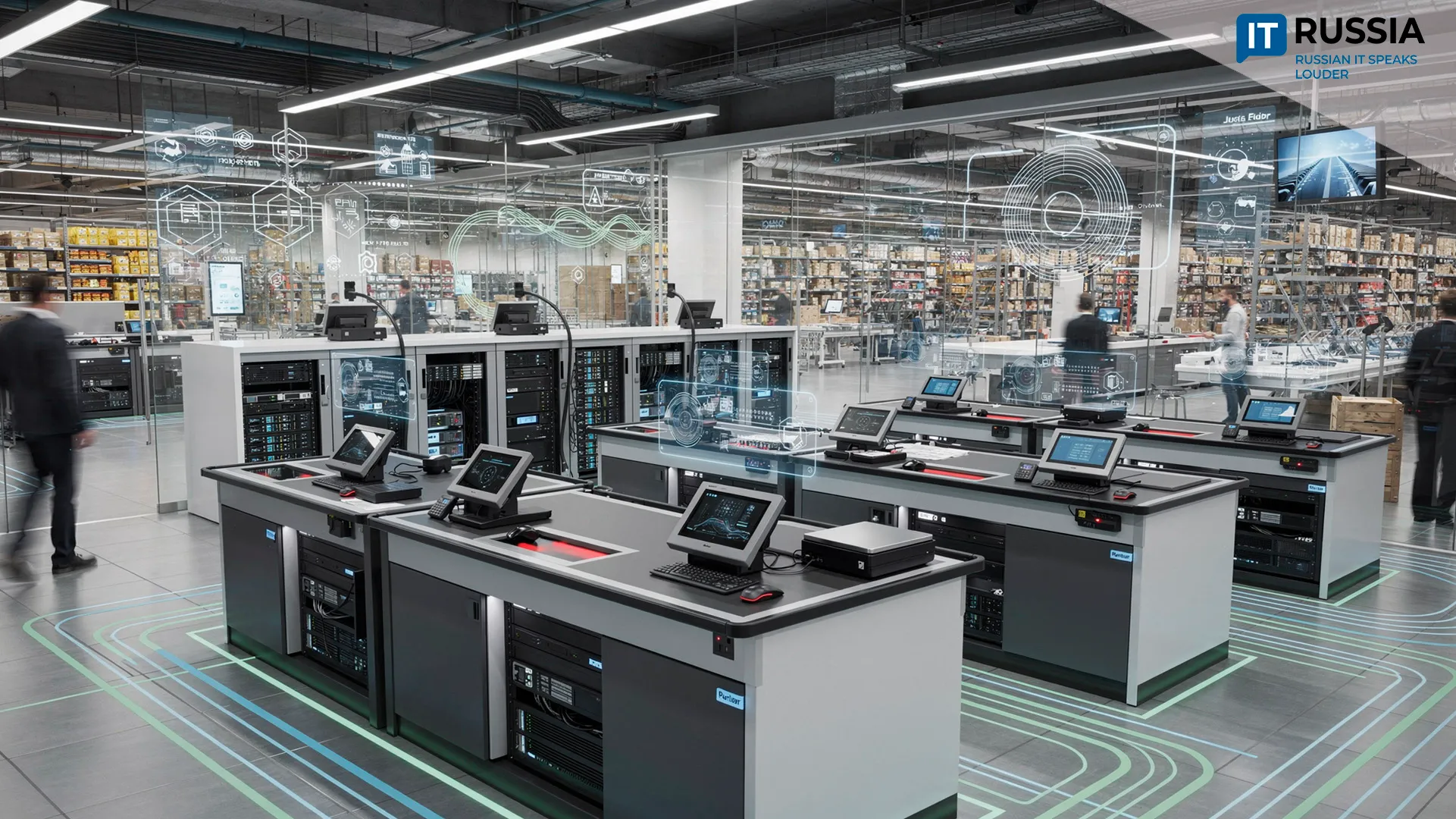
Russian retail giant X5 has completed the rollout of its in-house checkout platform across all stores operated by the Pyatyorochka, Perekrestok and Chizhik chains. Around 140,000 devices, including both traditional cashier workstations and self-checkout terminals, have now been migrated to a single platform.
The transition eliminated what had become a critical vulnerability for the retail sector after years of dependence on foreign software vendors. IT solutions developed by X5 Tech fully replaced checkout software from international providers and, according to the company, exceeded many foreign alternatives in functionality.
One System Across the Entire Network
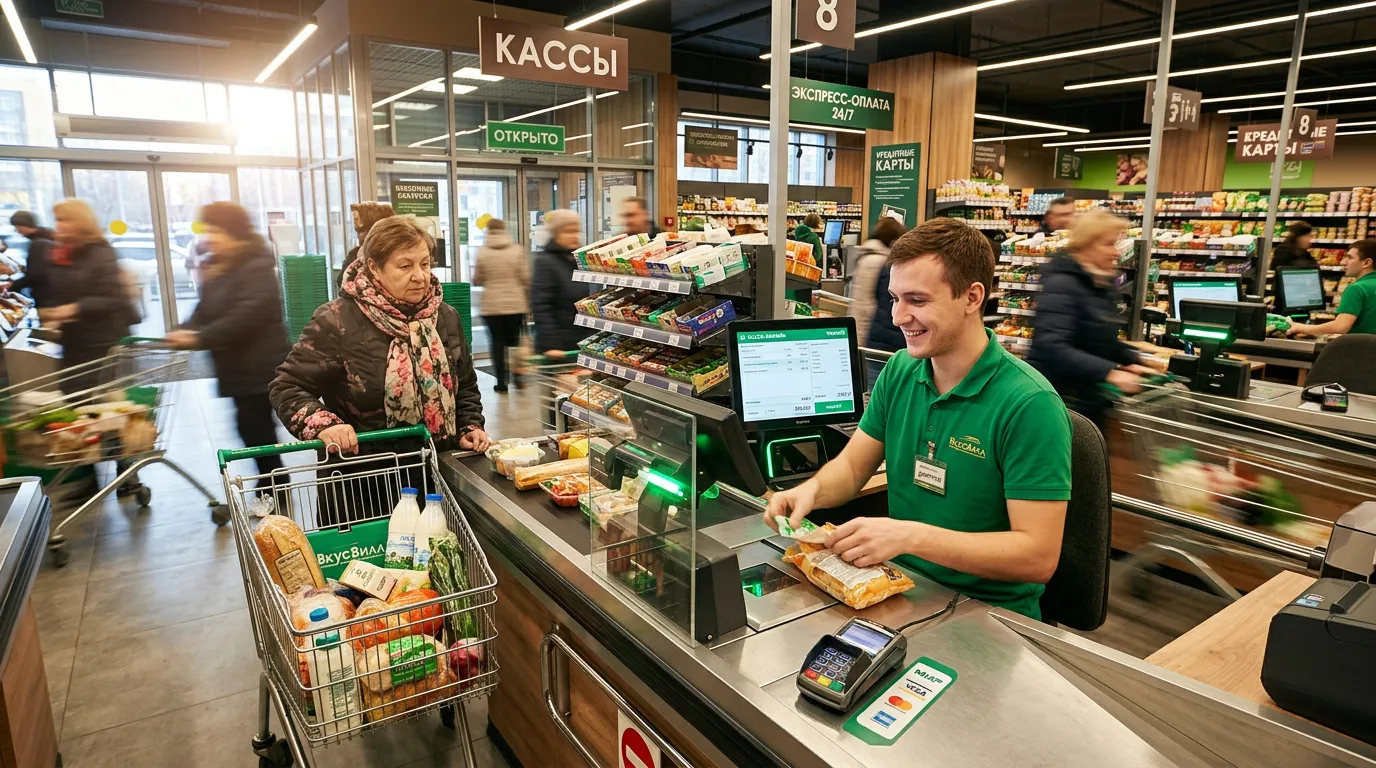
The scale of the project is unusually large for the retail industry. Over several years, more than 30,000 stores migrated to the new checkout system, which now processes roughly 25 million receipts every day. Scanners, scales, payment terminals and fiscal registers are connected through a unified infrastructure layer, while the software integrates equally well with both keyboard-based and touchscreen devices.
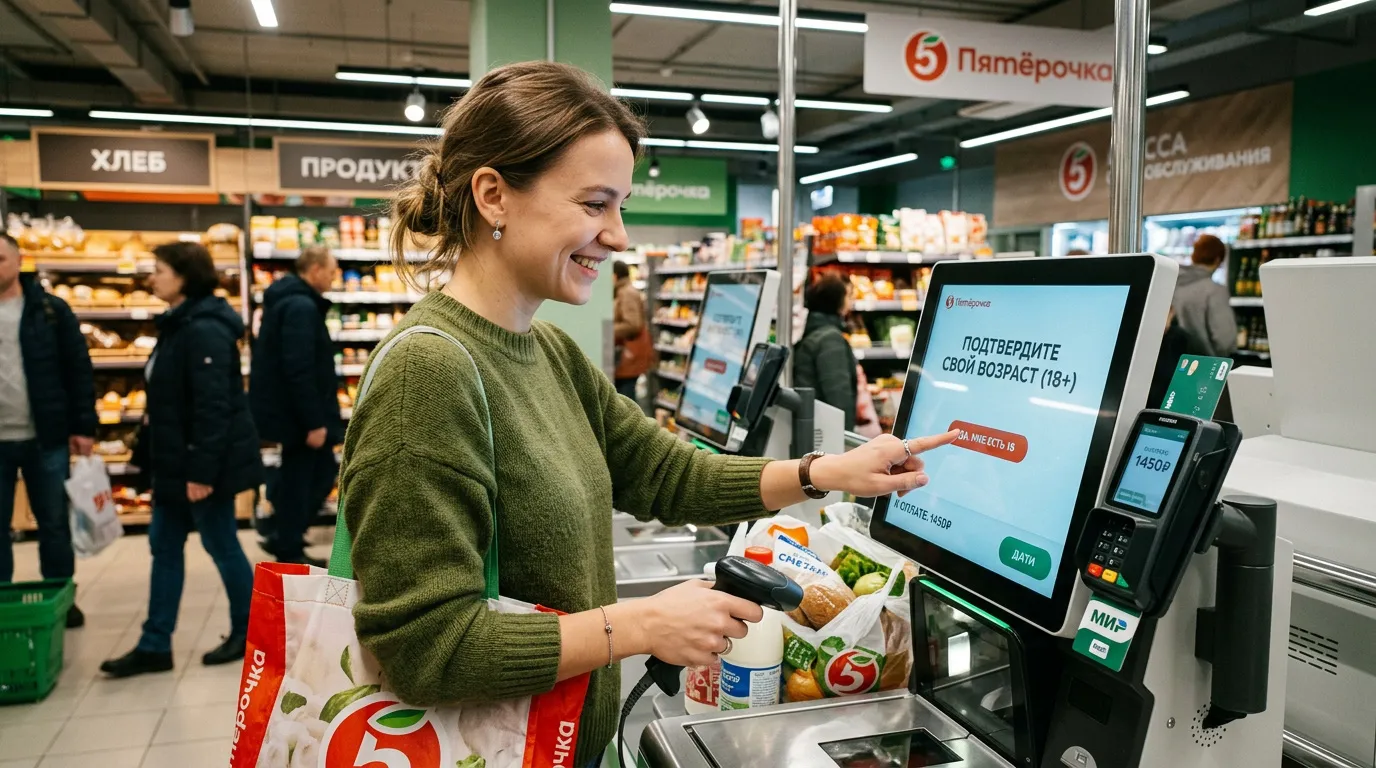
A single platform also makes it easier to launch and scale new services quickly. These include Apelsin Pey (Orange Pay), an additional payment option for in-store purchases that X5 introduced a month ago, as well as customer age verification through the national MAX messenger. In practice, these tools improve not only transaction speed but also customer retention by making the shopping experience smoother and more convenient.
Retailer Turns Into Software Developer
Large Russian retailers are no longer just buying and deploying software from outside vendors – many are taking on the role of technology developers themselves and building complex industry-specific platforms internally. That shift is strengthening both the domestic IT sector and Russia’s broader push for technological sovereignty in retail, where dependence on foreign checkout software had become a systemic risk.
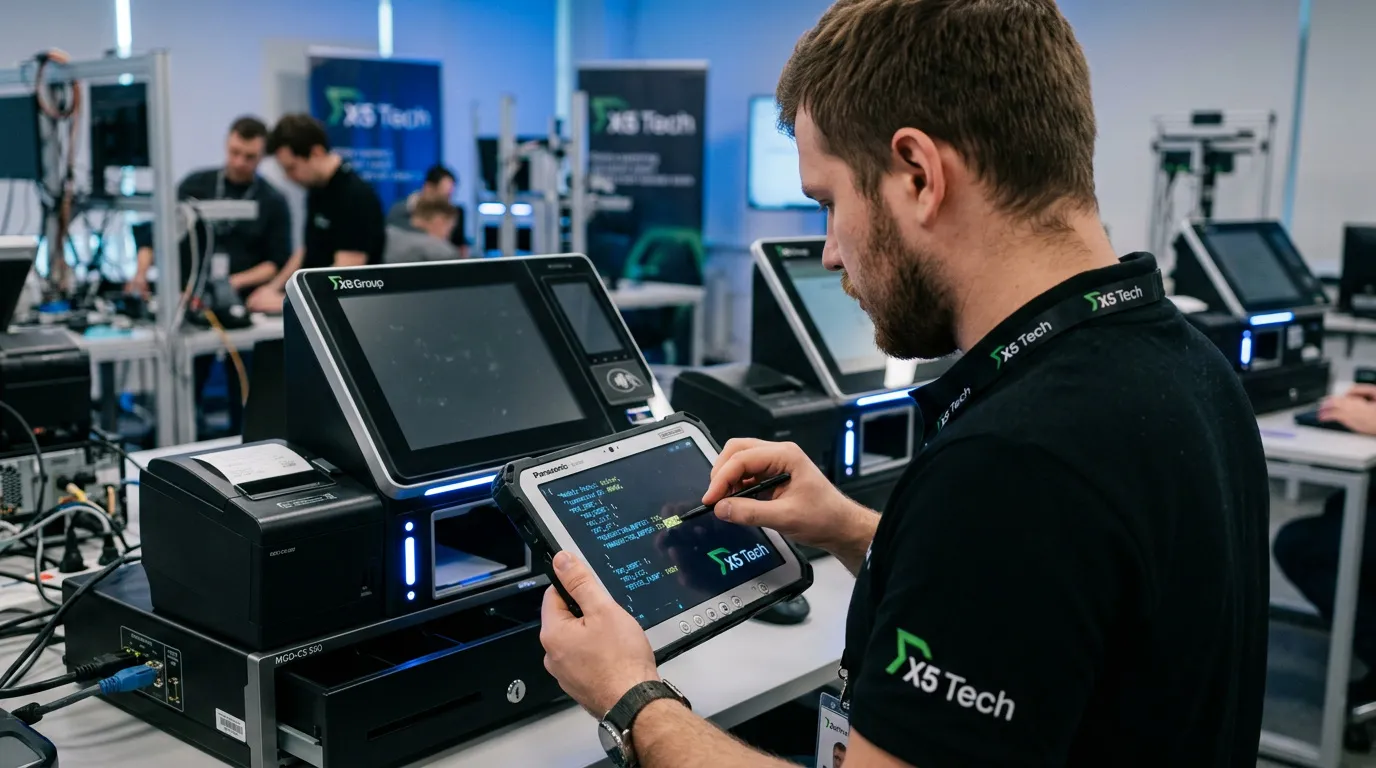
The technology stack developed by X5 Tech also carries export potential. Its unified interface, integration gateways and fault-tolerant software architecture could attract interest from countries in the Eurasian Economic Union and BRICS that are pursuing similar goals around retail technology independence.
Import Substitution Becomes an Industry Trend
Russia’s effort to digitize retail while reducing dependence on imported technology has been moving forward systematically. In 2019, X5 began manufacturing its own self-checkout terminals, followed by integration with the company’s proprietary checkout platform between 2022 and 2024. X5 developed both the hardware and the software stack internally, creating the technical foundation for the current nationwide rollout.
Another major retailer, Magnit, began replacing foreign software on its self-checkout terminals with an in-house IT platform in 2023. In 2024, the company said more than 90% of checkout devices across its retail network had already migrated to Magnit software. Around the same time, another retail chain, Lenta, installed 1,189 self-checkout terminals running Russian software in 97% of its hypermarkets.
System-wide replacement of critical foreign software and hardware in retail chains is becoming a nationwide trend across Russia’s retail sector.
An Industry Benchmark
Major retail chains are increasingly building their own technology cores to control critical business processes directly. That is driving demand for IT solutions focused on interface standardization, secure fiscalization and fault-tolerant system architecture.
The X5 project is emerging as a benchmark for the retail industry. Platforms like this strengthen the sector’s resilience to external shocks while accelerating the rollout of new digital services. Russia’s digital economy is shifting toward a model in which import substitution is no longer treated as a temporary necessity and instead becomes a driver of innovation.