

Clean Bay: Gelendzhik Turns Wastewater Infrastructure Into a Smart Environmental System
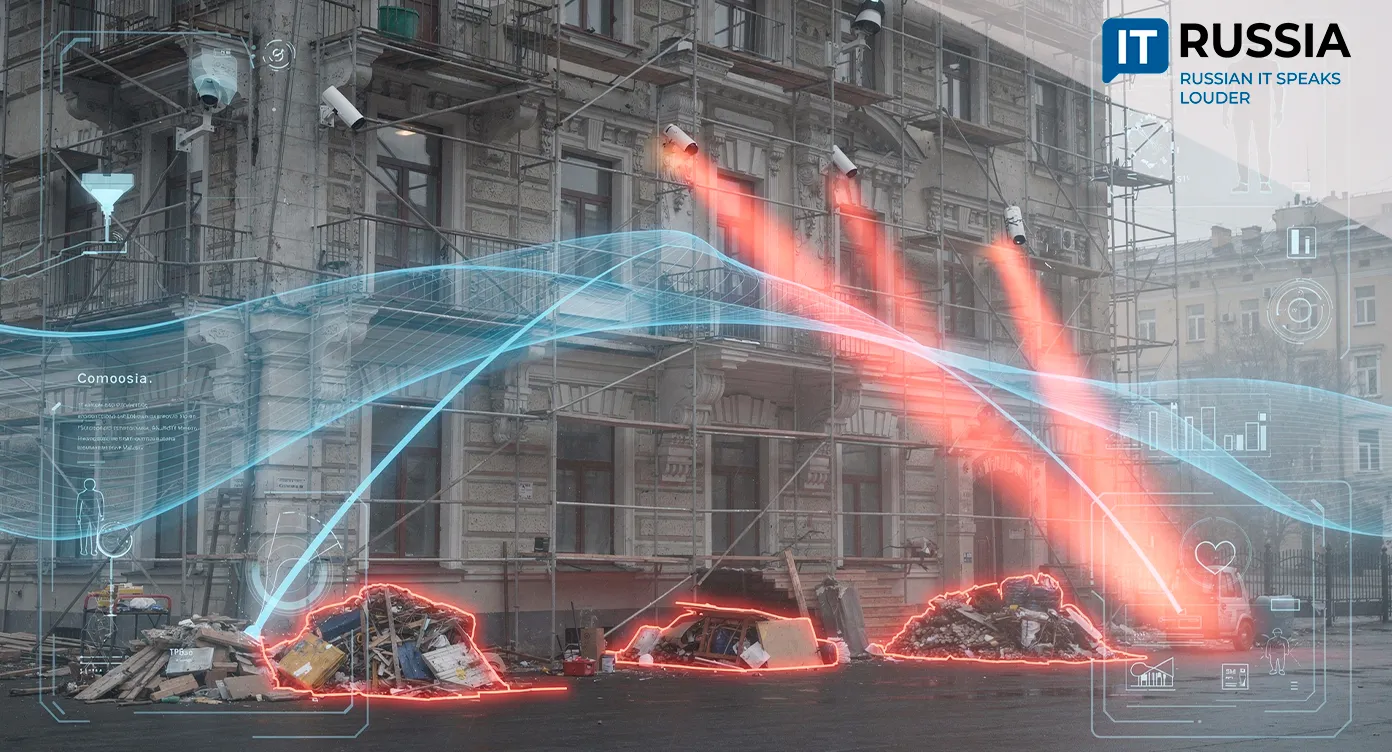
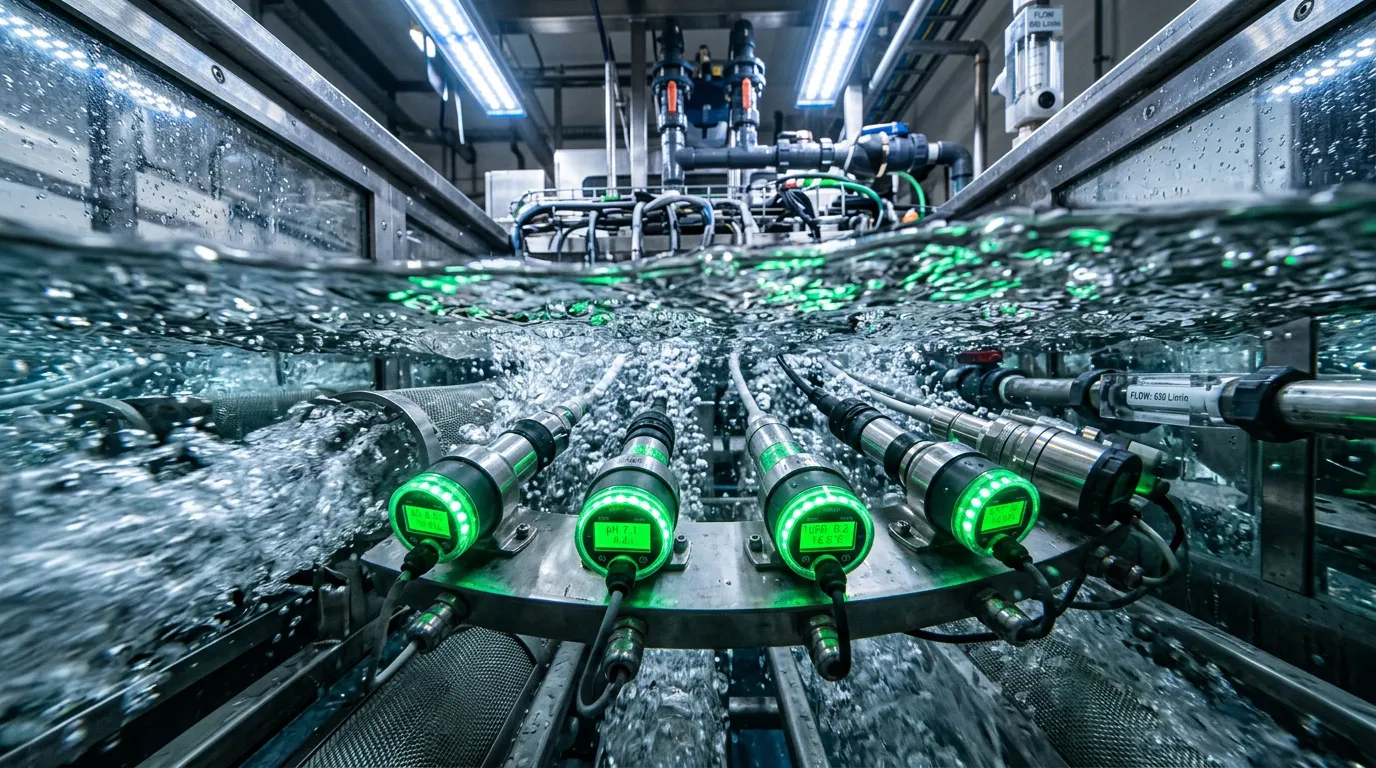
As part of the Chistaya bukhta (Clean Bay) project, the company Sovremennye sistemy renovatsii (Modern Renovation Systems) is introducing digital management technologies at wastewater treatment facilities in Gelendzhik. The system uses AI-enabled sensors that can recommend when operators should activate pumps or adjust aeration modes.
Last year, Gelendzhik welcomed 4.3 million tourists. This year, the resort city expects nearly 4.5 million visitors. The city attracts travelers with a coastline and climate often compared to Italy and Greece. It is home to Russia’s longest embankment promenade, the country’s largest water park, entertainment complexes, hotels and health resorts. Yet while the tourism infrastructure expanded rapidly, municipal utilities required major modernization.
Smart Water Treatment
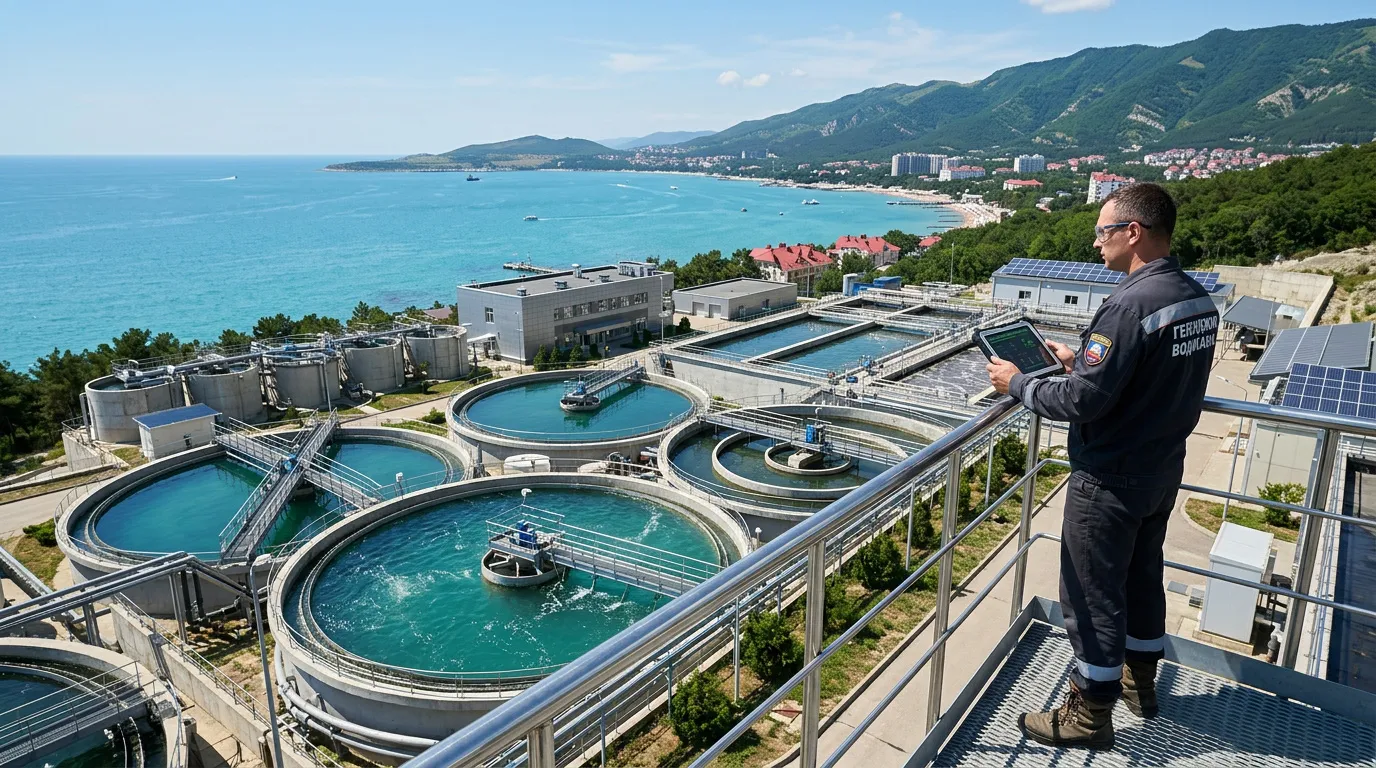
Wastewater treatment facilities at Tolsty Mys have been operating since 1973. Over time, that resulted in worn-out networks, a higher risk of accidents and, critically for a resort city, growing concerns over odors in tourist areas that could damage Gelendzhik’s reputation.
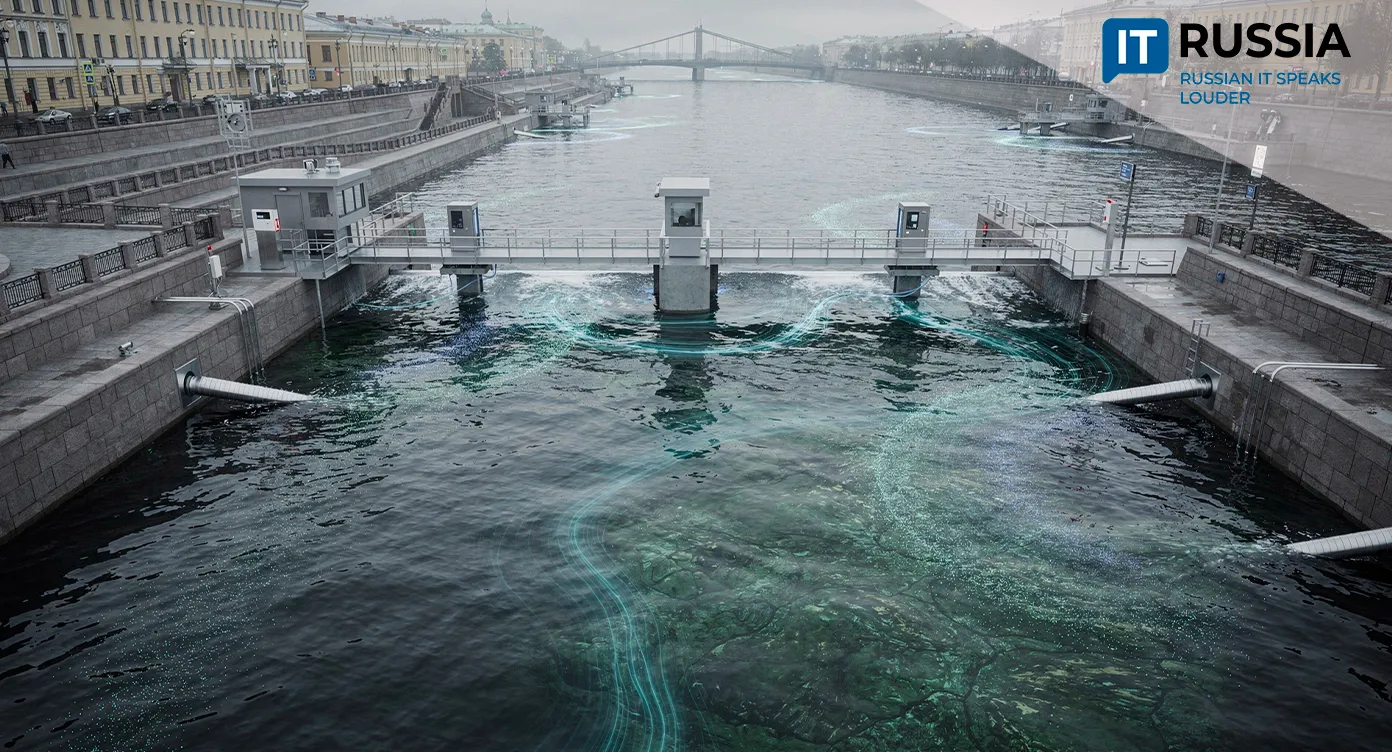
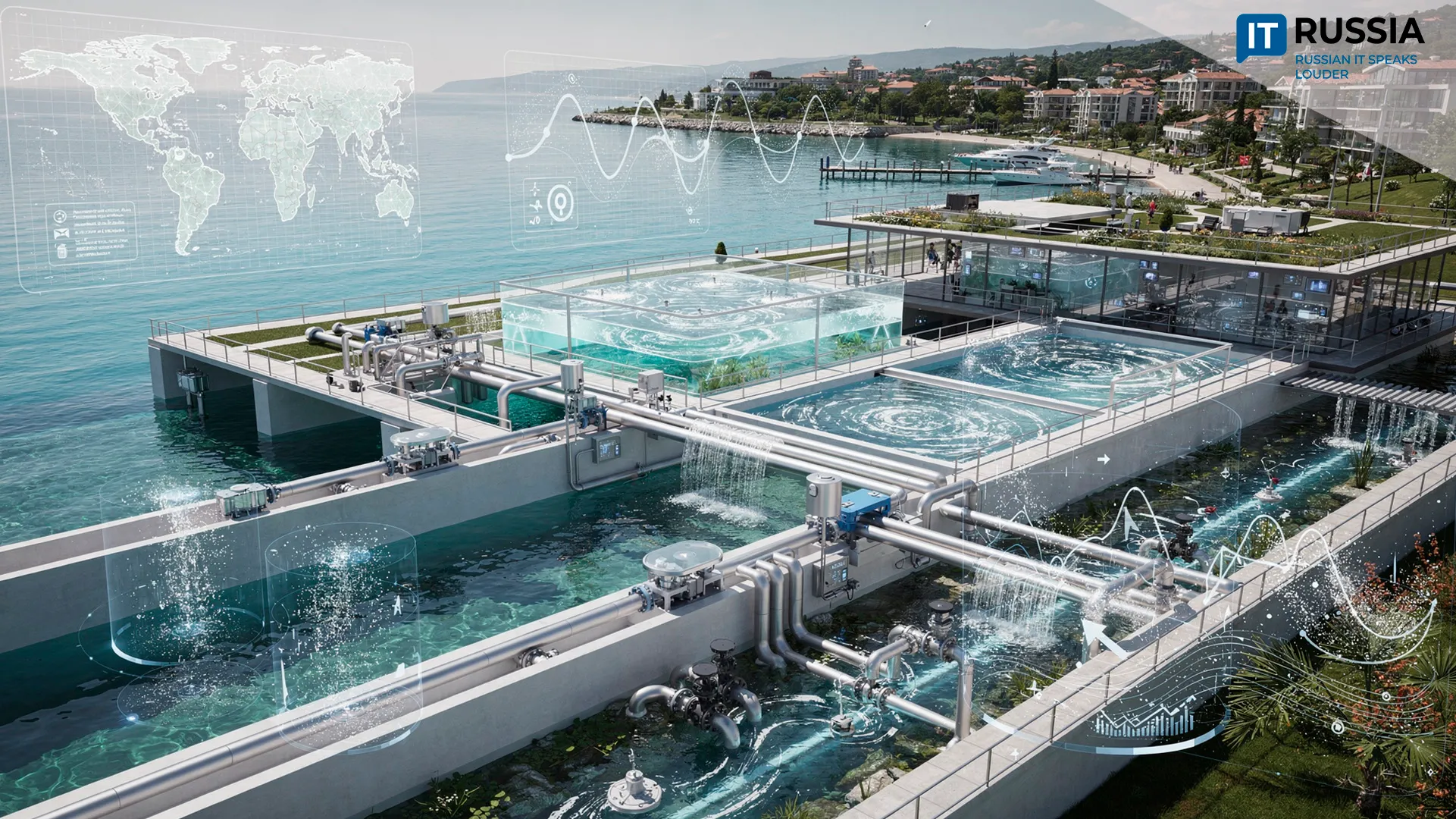
A new “smart wastewater hub” is now being built at Tonky Mys with a processing capacity of 30,000 cubic meters per day and expansion potential up to 50,000 cubic meters. The facility combines mechanical filtration, activated-sludge biological treatment and ultraviolet purification. Every stage is digitally managed. The platform maintains an alarm log, monitors operational parameters and recommends actions through a unified interface.
New treatment facilities have already been constructed, while 48 kilometers of sewer collectors and six pumping stations have been modernized. Just as importantly, the system is expected to produce between 11,000 and 20,000 cubic meters of reclaimed technical water per day for irrigation, fountains and street cleaning. That effectively returns water resources back into the city’s economy. The sewage system is also expected to become more stable, while coastal waters become cleaner because treated water is discharged through a deep-water outlet located two kilometers offshore.
Water Data
Engineers from the Moscow Aviation Institute have developed a pilot hardware-and-software platform for intelligent water purification at industrial plants, agricultural enterprises and municipal water utilities. The system can be used both for designing new facilities and upgrading existing treatment infrastructure. According to the developers, deploying the technology could improve wastewater treatment efficiency by 25% to 30%.
Meanwhile, Mosvodokanal has already fully automated wastewater purification processes in Moscow. Complex treatment operations are monitored by sensors, dispensers, regulators and other automated systems.
Rusatom Infrastrukturnye resheniya (Rosatom Infrastructure Solutions), in turn, is automating emergency dispatch services while deploying industrial process control systems and digital twins for utility infrastructure. Rosatom’s digital water utility systems are already operating in Glazov in Udmurtia, Belgorod Region, Voronezh, Kursk and several other cities, demonstrating lower water losses and improved system reliability.
Infrastructure in the Second Degree
Russian cities are increasingly adopting high-tech solutions for housing and utility management. According to Rusatom Infrastructure Solutions, utility enterprises already spend between 5 billion and 6 billion rubles annually on IT systems (about $66 million – $79 million), and that figure is expected to rise to 9 billion rubles (about $118 million) by 2030. More than 40% of housing and utility infrastructure facilities require modernization, driving demand for increasingly sophisticated software platforms.
A digital twin for Gelendzhik’s wastewater treatment system was first discussed back in 2022. Last year, Polyplastic Group developed a mathematical automation model for the project. The current “digital layer” moves the city toward full automation, similar to systems already operating at Mosvodokanal in Moscow and in Glazov.
Chistaya bukhta stands out because of its technological architecture. The project is becoming an example of how ecology, tourism and digital infrastructure can operate as a single ecosystem, demonstrating that even routine wastewater treatment can become high-tech, quiet and almost invisible to visitors while remaining essential for the long-term health of an entire resort environment.