

From the Mailbox to the Smartphone: Volgograd Region Moves Housing Services Into the Digital Era
Regional capital-repair funds across Russia are steadily shifting citizen services into digital channels. In Volgograd Region, homeowners can now pay capital-repair contributions using fully electronic utility bills.
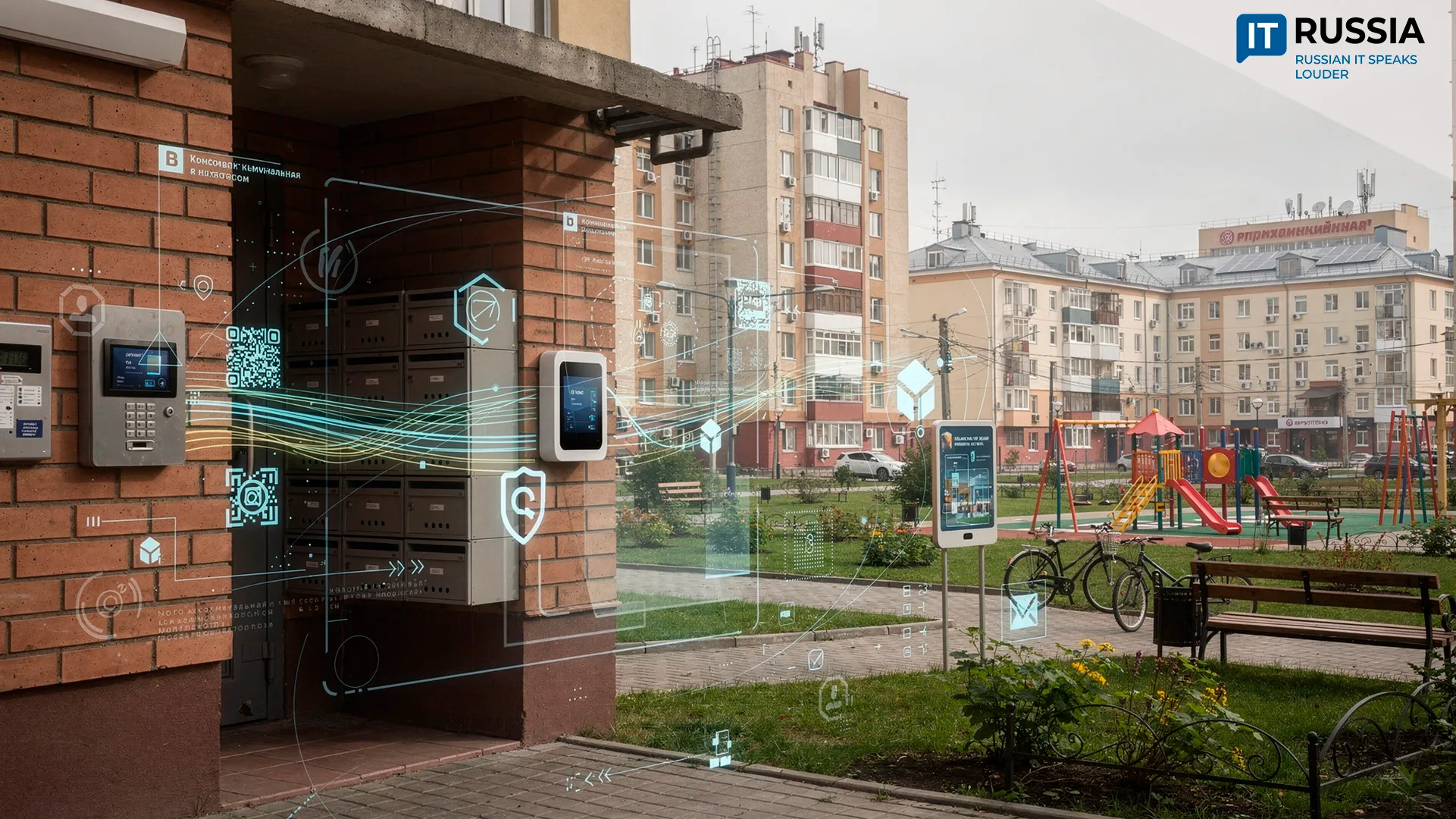
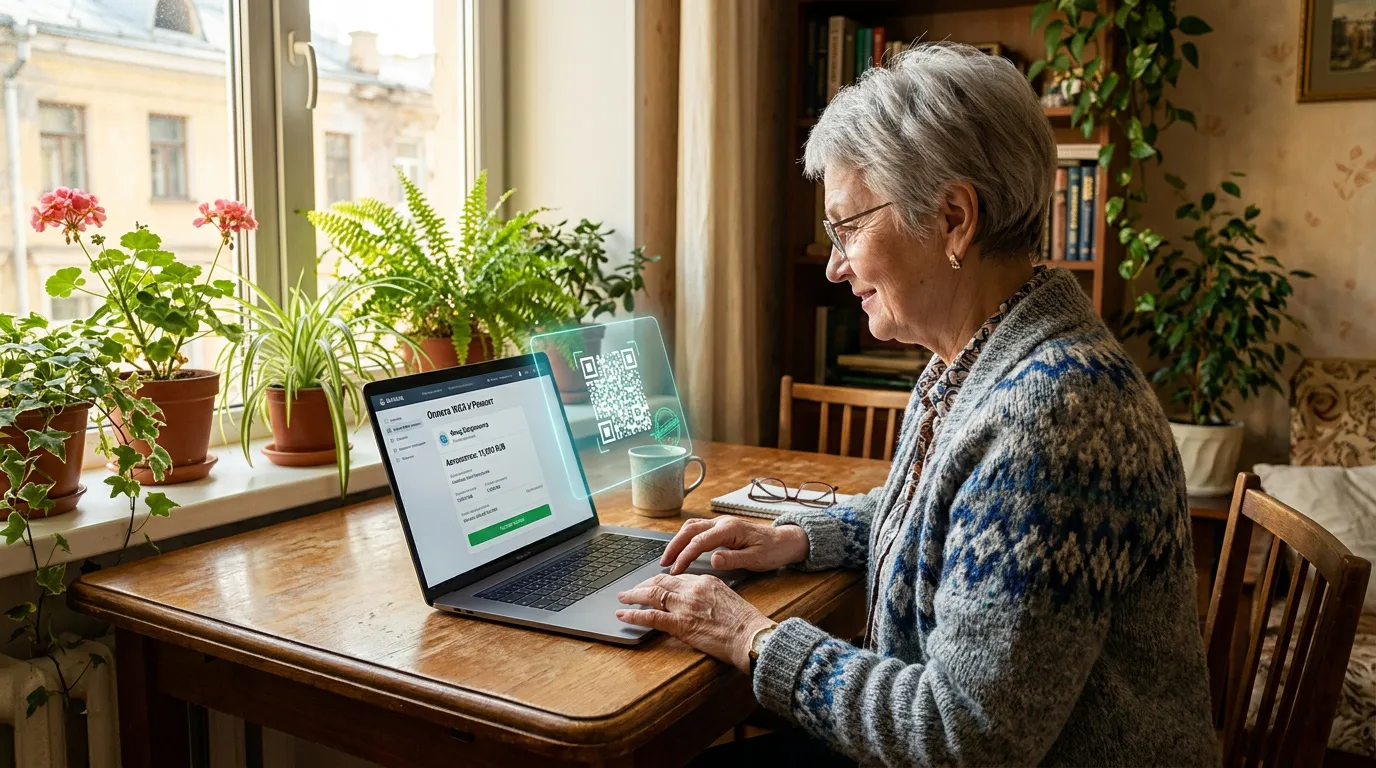
Beginning in May 2026, the Volgograd Region Capital Repair Fund gave homeowners the option to abandon paper payment notices entirely and switch to electronic invoices. To enroll, residents must register for a personal account on the fund’s official website, fond34.ru, submit an application and provide documents confirming property ownership. Those materials can be sent through traditional channels via Russian Post or uploaded directly through the personal account portal or the Gosuslugi (State Services) platform.
Electronic invoices offer several advantages over traditional paper bills. Digital notices are delivered immediately after billing is generated and cannot be lost during postal delivery or disappear from a mailbox. If needed, residents can download and print the invoice at any time through their personal account. The system also allows homeowners to review charges and make payments remotely while traveling or away on business, provided they have internet access.
Another important benefit is confidentiality, since access to personal data is fully protected from unauthorized third parties. For the regional capital-repair fund itself, the transition means lower costs associated with paper-based document processing as well as improved collection rates for mandatory contributions.

Beyond the Utility Bill
Electronic invoices mark the next step in the broader digital ecosystem being built around capital-repair funds. Through their personal accounts, homeowners can do more than simply pay bills or check outstanding balances. Users can also access detailed information about their residential building, review the amount of funds accumulated in the account and see the scheduled year for major renovation work. In addition, the platform includes a feedback form that allows residents to submit questions and receive responses directly online.
Over the next several years, the number of residents choosing electronic invoices is expected to rise significantly. Additional developments could include a standalone mobile application with the full functionality of the personal account system or integration into the Gosuslugi Dom (State Services Home) mobile app. In that scenario, the platform could also support billing notifications, debt alerts, automatic payments and QR-code payment functionality.

A Digital Trend Accelerates
Volgograd Region is one of several Russian regions where capital-repair funds have begun deploying electronic billing systems.
In 2023, for example, the Irkutsk Region fund launched an Electronic Invoice service together with Sberbank. Beginning in 2026, that regional fund also shifted from monthly to quarterly billing cycles. In Bashkortostan, capital-repair payments were integrated into a unified utility bill beginning in 2024, while homeowners retained the option to receive electronic invoices through personal accounts and the Yurta mobile application. Lipetsk Region began rolling out electronic invoices in 2026, allowing residents to pay either through the fund’s website or via the Gosuslugi Dom application.
The Digital Future of Housing Utilities
The rollout of electronic invoices for capital-repair payments in Volgograd Region illustrates how Russia’s housing-and-utilities sector is steadily moving toward digitalization. Earlier in that transition, digital services and mobile applications were introduced primarily by private management companies and large developers. Now, capital-repair funds themselves are increasingly participating as part of broader state policy.
Equally important, authorities are attempting to maintain balance throughout the transition. Alongside initiatives promoting unified payment documents and digital service channels, residents still retain the option to use traditional paper invoices and conventional payment methods.