

Rosatom Launches Intelligent Traffic Enforcement Platform
Stavropol Region has begun deploying Meteor, a Russian-developed video enforcement system powered by machine vision. The platform is becoming part of a broader smart-transport infrastructure by analyzing traffic flows, feeding data into federal systems and helping cities make mobility decisions.
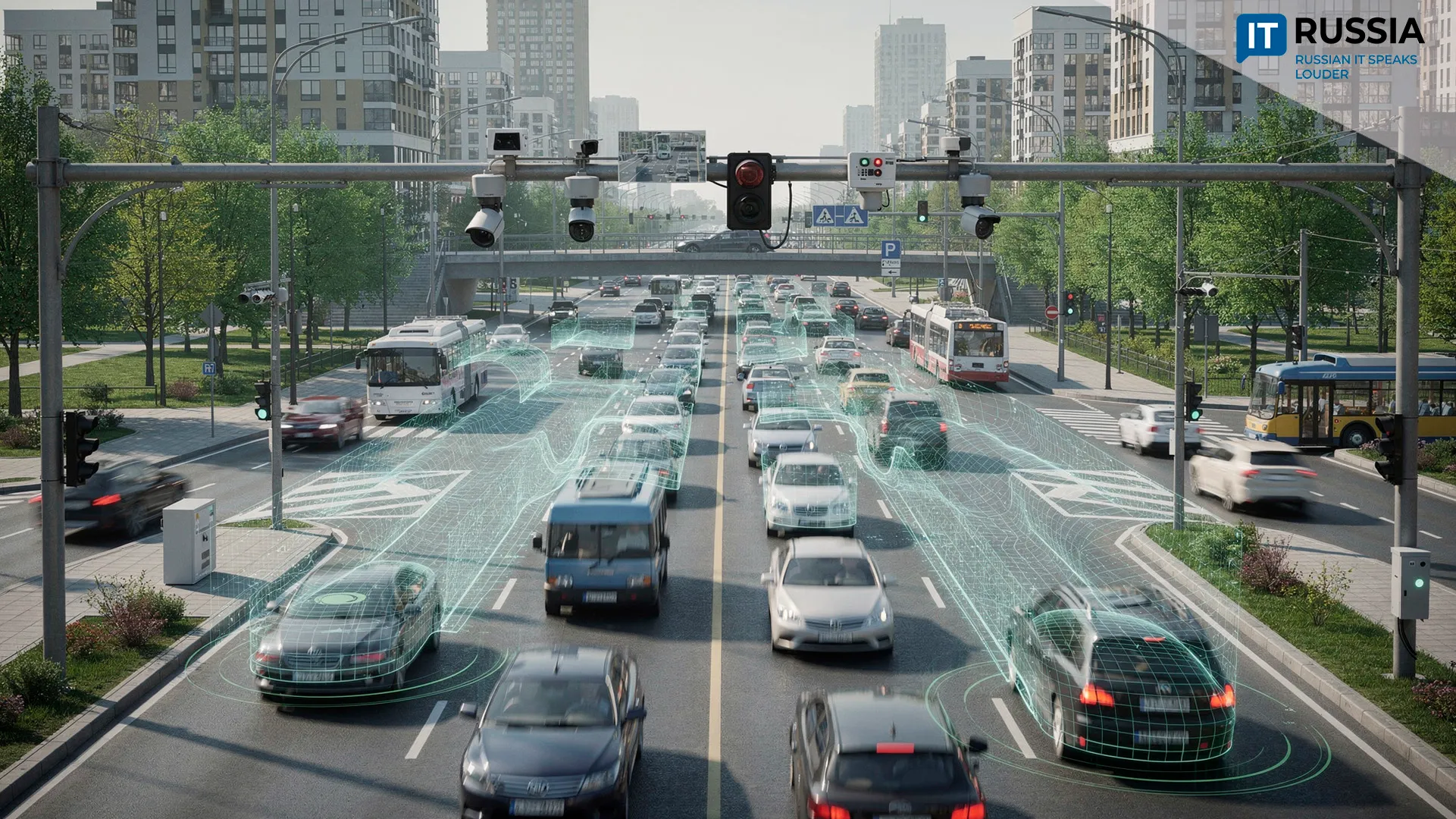
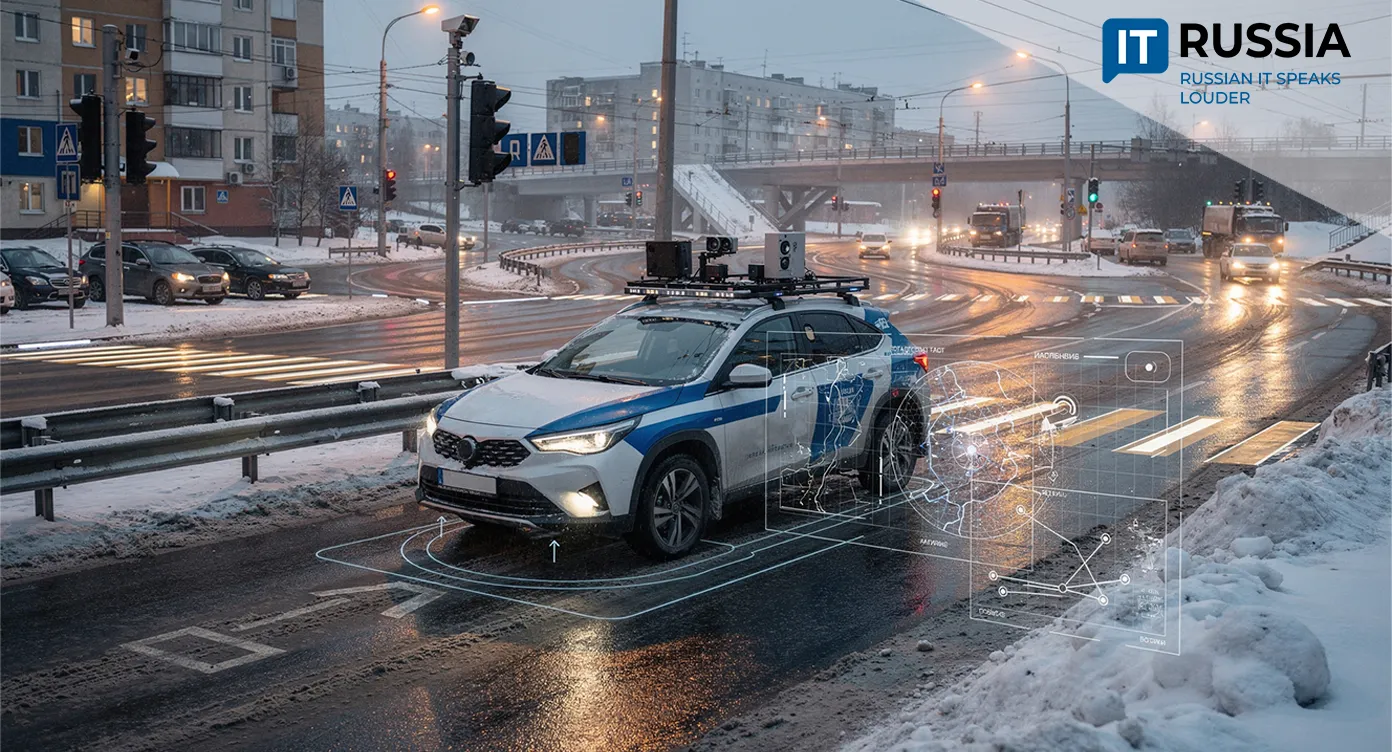
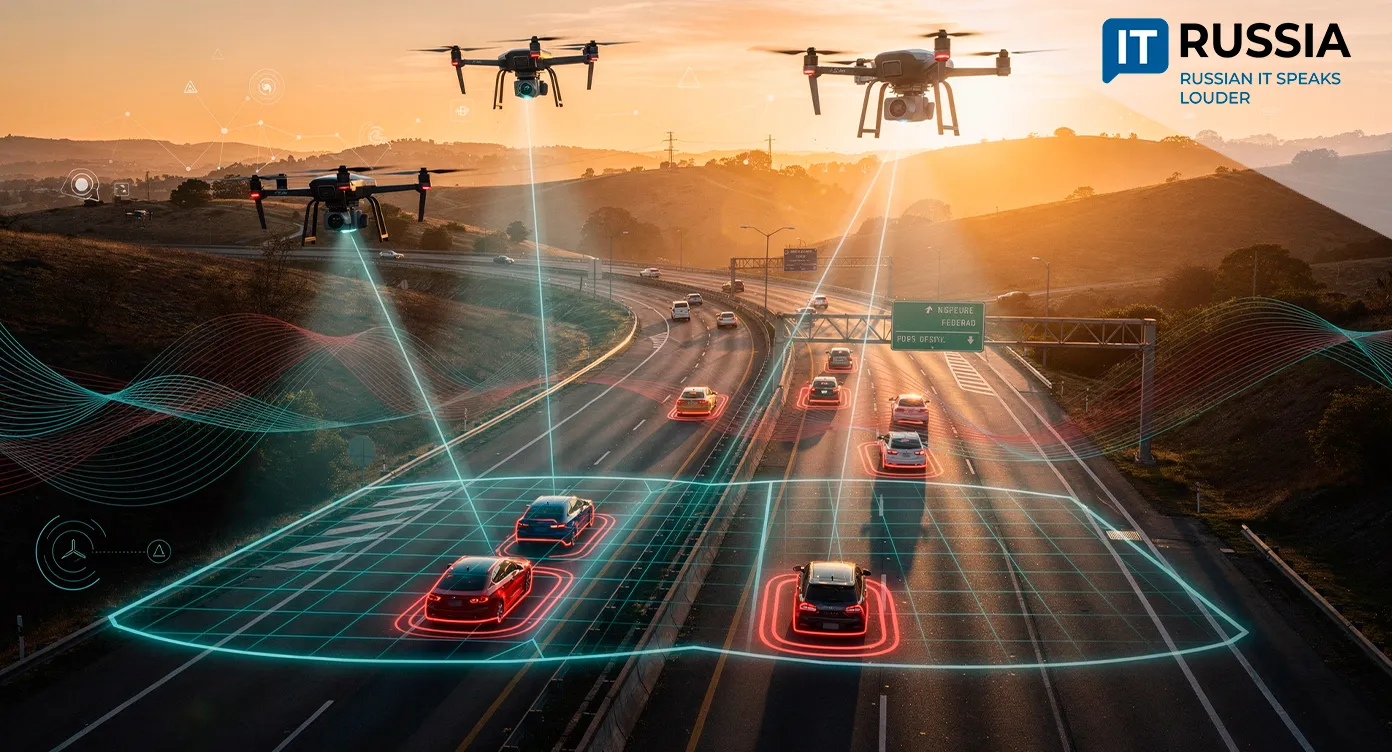
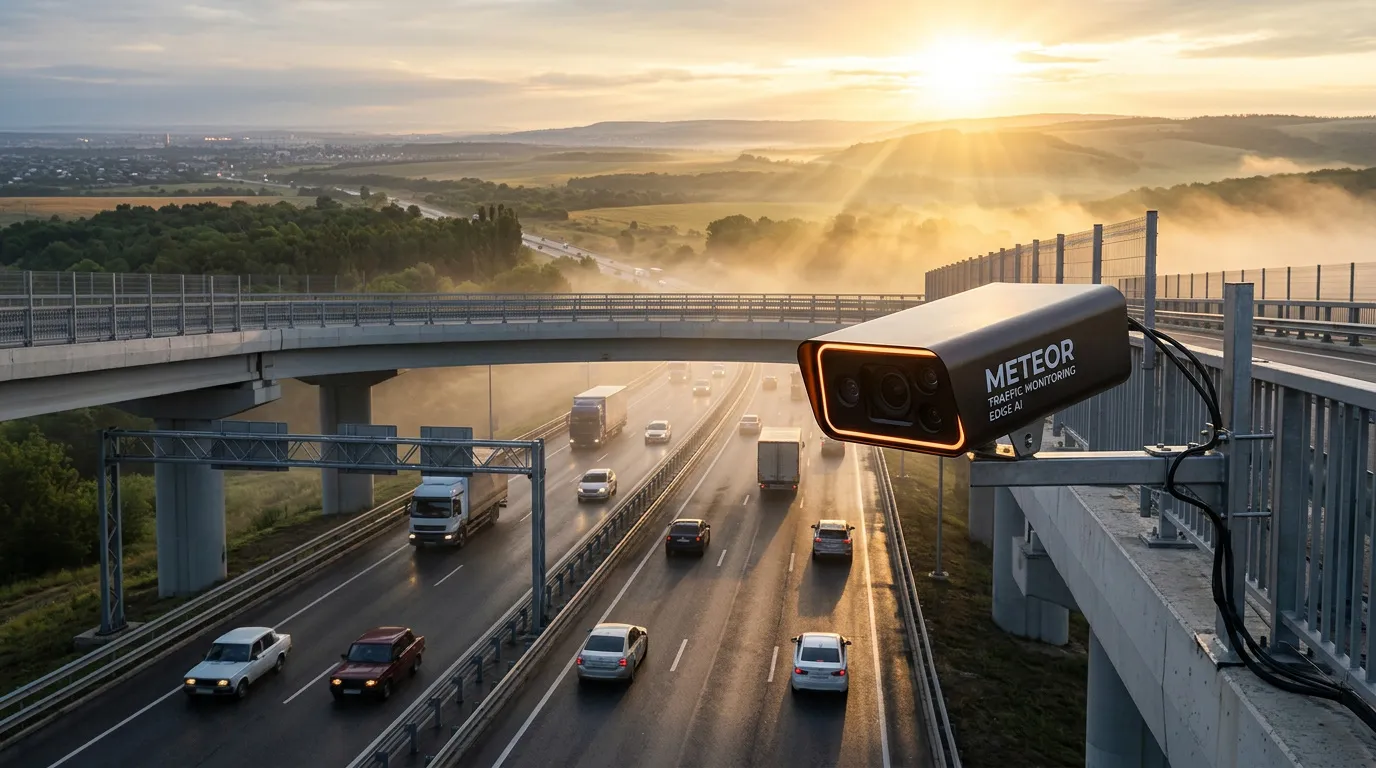
Rosatom Infrastructure Solutions JSC deployed the Meteor hardware-software platform in Stavropol Region to monitor road conditions and record traffic violations. Developed jointly with the Stavropol Regional Information Technology Center, the system combines a domestically produced video camera with software powered by machine-vision algorithms.
The platform automatically detects speeding, illegal U-turns, drivers using mobile phones behind the wheel, unfastened seat belts and other violations. A single camera can process and verify roughly 1,000 incidents per day. The solution has been added to Russia’s Unified Registry of Domestic Software, while data collected by the systems is transmitted to the Russian Interior Ministry’s Pautina platform.
For residents, the rollout means improved driver discipline and fewer dangerous violations. For the region, it creates the foundation for smarter transportation infrastructure while generating data that can support long-term mobility planning. For Russia as a whole, the project expands the domestic portfolio of intelligent transportation systems under the country’s import-substitution strategy.

From Stavropol to Smart Cities
The Meteor rollout aligns with a broader federal trend. According to Russia’s Ministry of Transport, intelligent transportation systems were already operating in 62 urban agglomerations across 56 Russian regions in 2024. By 2030, authorities plan to deploy ITS platforms with at least Level 1 maturity across 66 agglomerations.
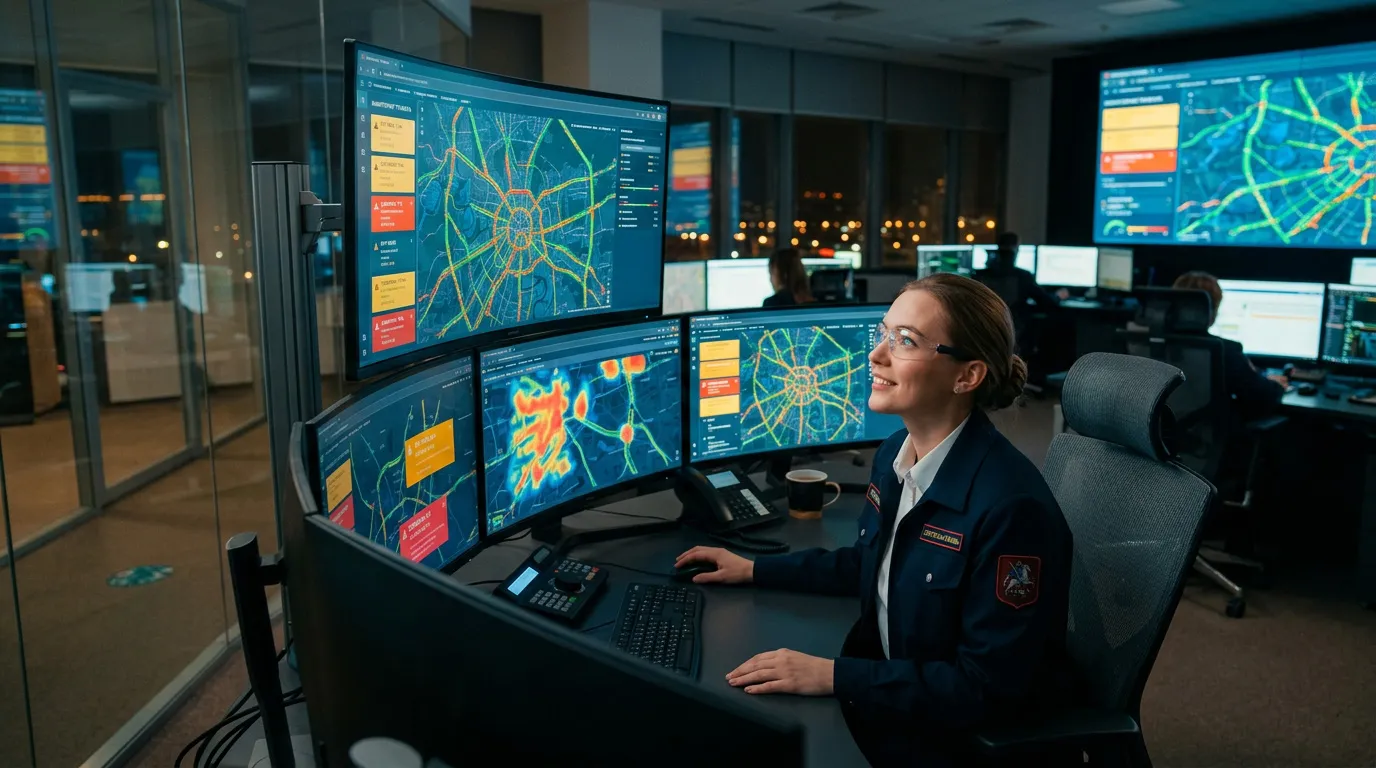
Meteor is particularly relevant in cities that already operate photo-and-video traffic enforcement networks but need expanded functionality, including complex violation recognition, vehicle and pedestrian flow analytics and integration with ITS and Safe City modules. Rosatom is promoting these technologies through its Umny gorod (Smart City) platform, a Russian digital foundation for municipal services.
The system also has export potential, although that remains a secondary priority for now. Meteor could attract interest from countries building smart-city and traffic-management systems without relying on Western vendors. Technologically, the platform is expected to continue evolving through improved machine-vision accuracy, fewer false positives and a broader range of detectable violations.
The Road to Digital Traffic Oversight
Meteor’s development followed a phased rollout strategy. In 2021, Rosatom expanded its Smart City platform across Stavropol Region, scaling digital solutions beyond the pilot city of Zheleznovodsk. A year later, the Interior Ministry’s Pautina system expanded to 60 Russian regions. Meteor now feeds data directly into that platform, integrating itself into federal digital infrastructure.
In 2024, Russia’s Ministry of Transport announced the continued expansion of intelligent transportation systems across urban agglomerations. In 2025, Rosatom launched industrial-scale production of Meteor, and the platform was added to the Unified Registry of Russian Radioelectronic Products in six configurations. According to Interior Ministry data, more than 214 million rulings based on automated photo-and-video enforcement were issued in Russia during 2025 – 2026, underscoring both the scale of the market and demand for domestic video-analytics platforms.
“Since 2020, the national project Bezopasnye kachestvennye dorogi (Safe High-Quality Roads) has been building digital infrastructure for traffic-flow management in major urban agglomerations with populations above 300,000 people. Amid continuously growing traffic volumes, intelligent transportation systems have become essential tools that help reduce congestion while improving comfort and safety for both drivers and passengers,” said Russian Deputy Prime Minister Marat Khusnullin.
Safety Rather Than Fines
The deployment of Meteor marks an important step in Russia’s transportation digitalization strategy. The platform is more than a roadside camera – it is a full hardware-software system built on domestic software, Russian hardware and integration with government digital infrastructure. For Rosatom, the project also strengthens the corporation’s position in the IT sector beyond nuclear energy.
If operations in Stavropol Region prove successful, the system is expected to be offered to other Russian regions as part of broader Smart City and Safe City solution packages. The main challenge will be changing public perception of traffic cameras as instruments designed solely to issue fines. The emphasis instead will need to shift toward safety, accident reduction and traffic-flow management. If Meteor evolves into a data source for transportation policy, it could help cities do more than identify violators – it could also make roads safer and more efficient for everyone.