Russia Pushes Explainable AI Into Industrial Research
Russia’s Fond Perspektivnykh Issledovanii (FPI) plans to embed AI approaches across all of its programs, but with one strict requirement: the models must remain interpretable. Developers and engineers should understand not only the algorithm’s output, but also the logic behind how it arrived there.
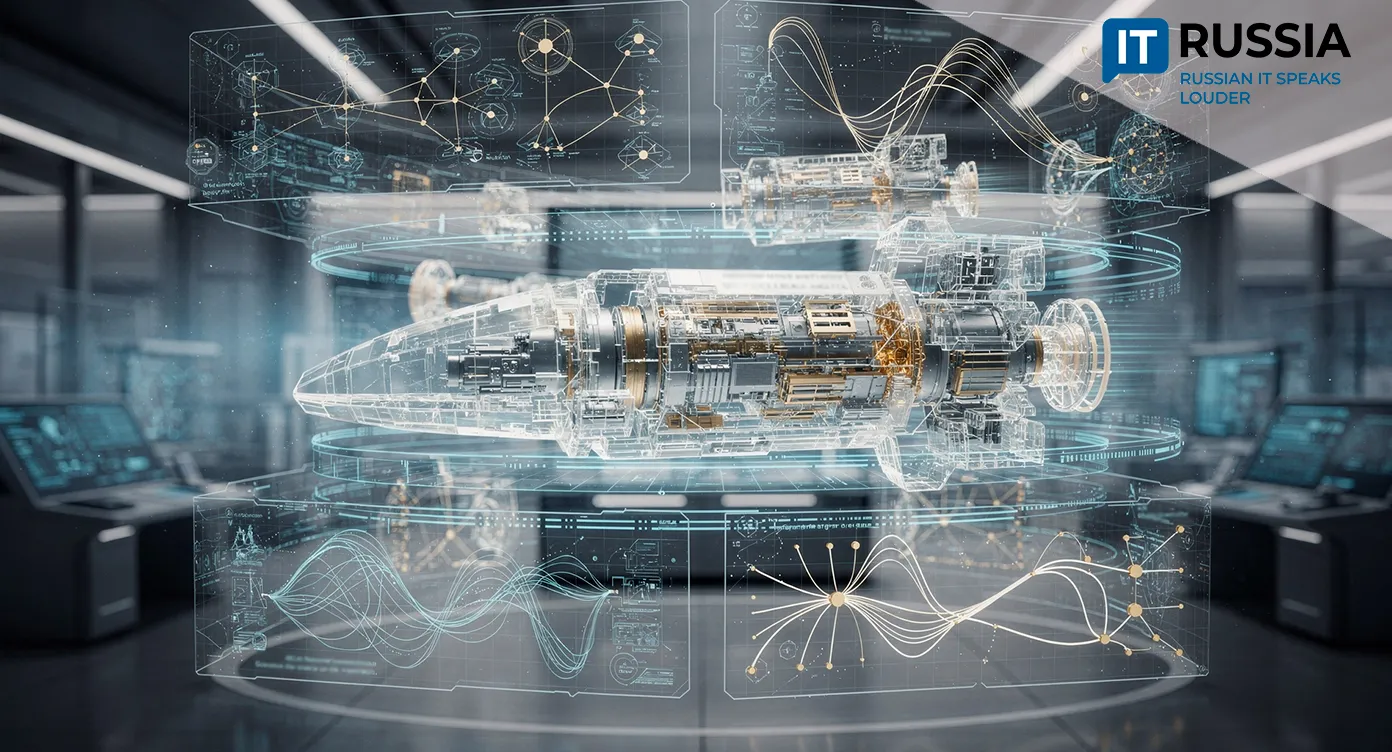
The Fond Perspektivnykh Issledovanii (FPI) has announced a strategic shift: artificial intelligence will be integrated into all foundation projects, but only under a hard requirement that the models remain explainable. The announcement came from Alexander Filippov, head of FPI’s Artificial Intelligence Center, during the Digital Industry of Industrial Russia (TsIPR) conference in Nizhny Novgorod.
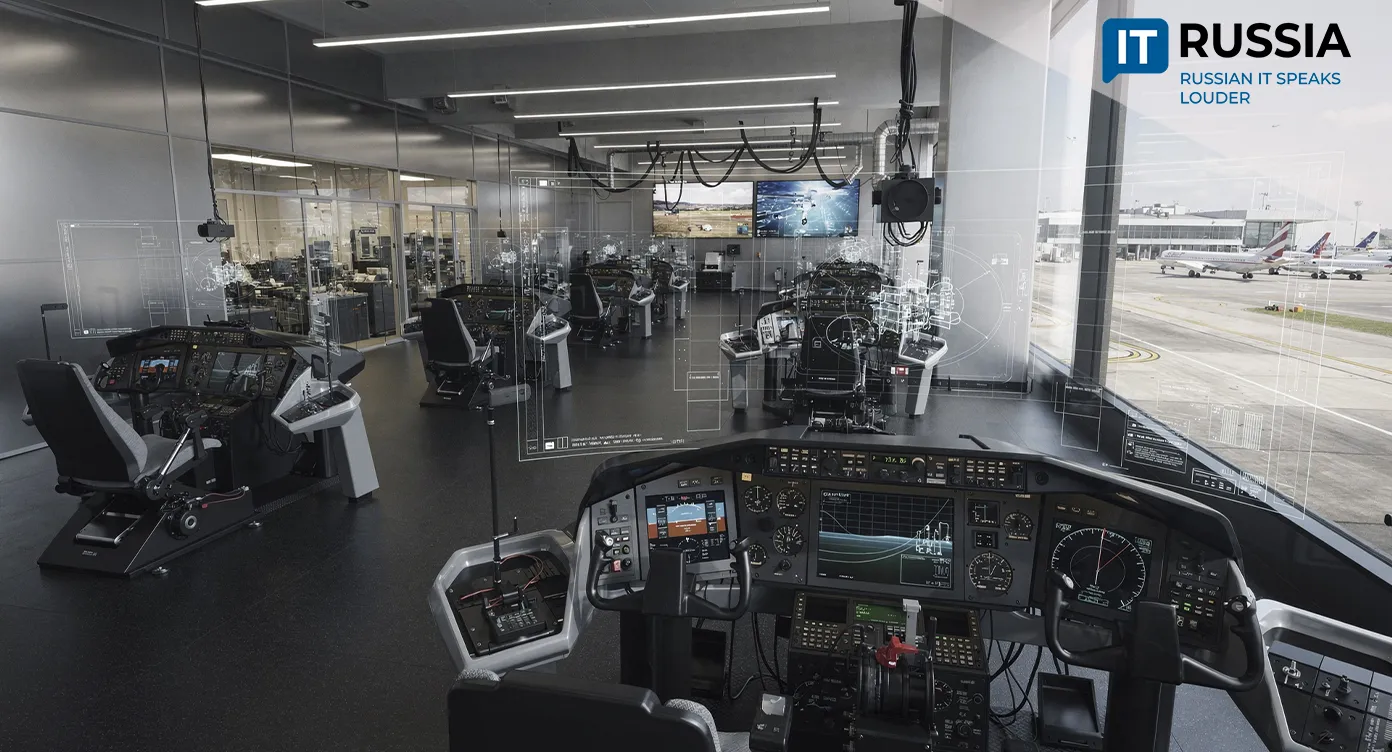
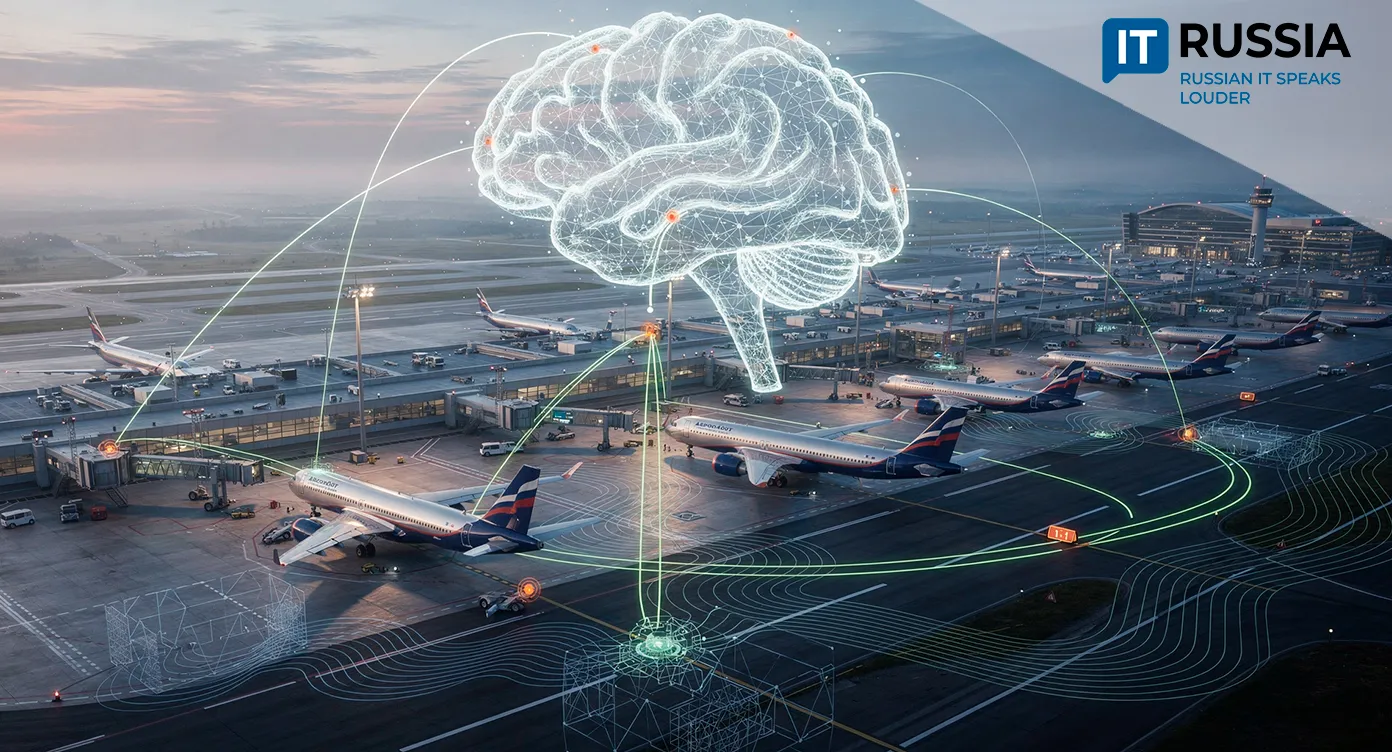
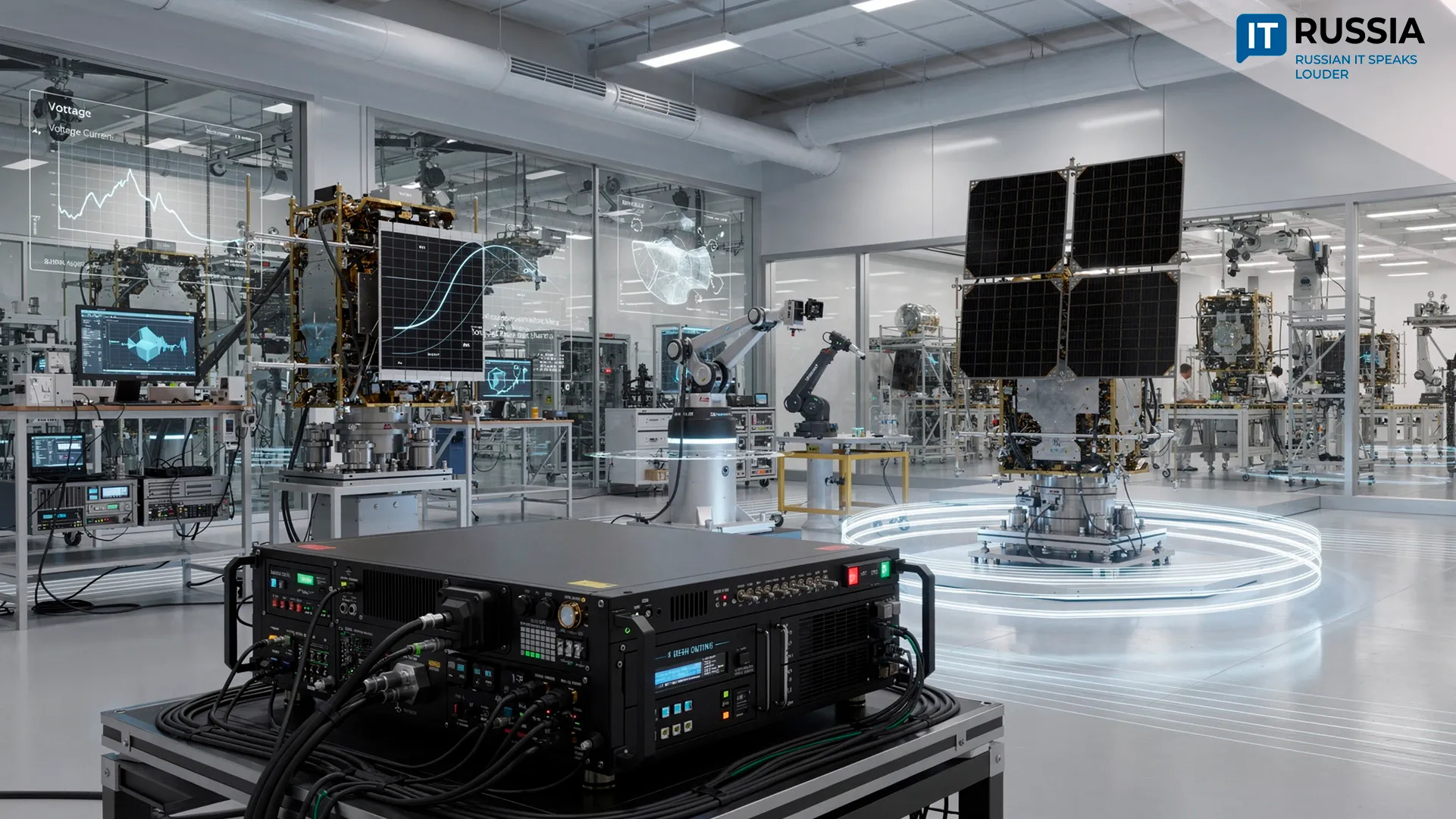
This is not about blind automation. The core idea is a transition toward what FPI calls “hybrid research,” where experts and algorithms work in tandem. Humans define objectives, evaluate risks and make final decisions; AI accelerates calculations, identifies hidden patterns and proposes scenarios. The approach is particularly critical in aerospace, nuclear energy and the defense-industrial sector – industries where the cost of error is measured not only in money, but also in safety.
Human Expertise and Algorithmic Power
In consumer applications, neural networks often function as black boxes: users see the output without understanding the reasoning behind it. For engineering tasks, that model is unacceptable. If an algorithm recommends modifying a reactor design or changing a satellite trajectory, specialists must know what data informed the conclusion, what assumptions were built into the model and where its limits of applicability lie.
Interpretability is becoming more than a technical requirement – it is turning into a foundation of trust. It allows engineers to verify results, train new specialists and, critically, comply with regulatory standards. In effect, FPI is setting a new benchmark for advanced R&D: AI is no longer treated as an experimental tool, but as an embedded component of development, simulation and testing workflows.
From Pilot Projects to Systemic Integration
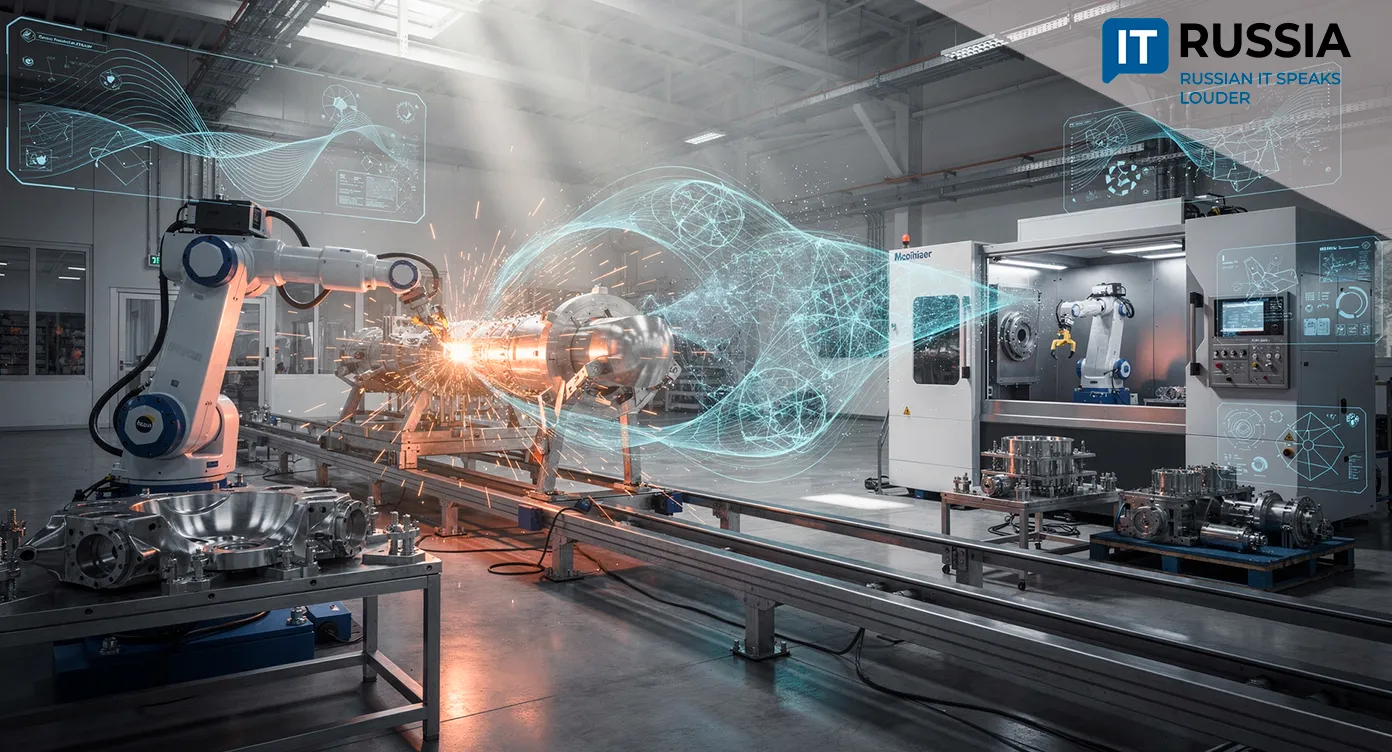
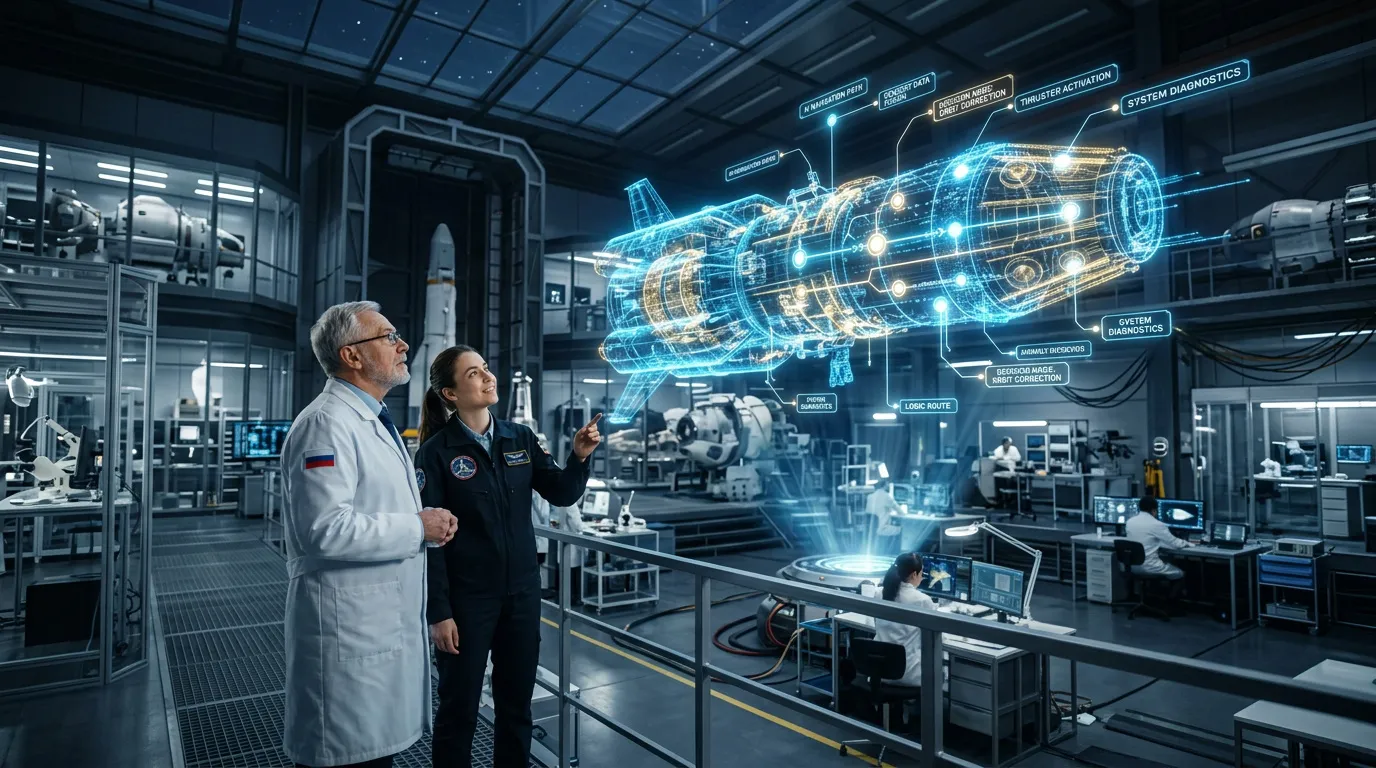
The main challenge now is scaling these solutions. FPI has openly defined its next objective: integrating AI tools into the day-to-day work of engineers and scientists across industrial enterprises. In practice, that means integration with CAD systems, digital twins, testing protocols and decision-making processes.
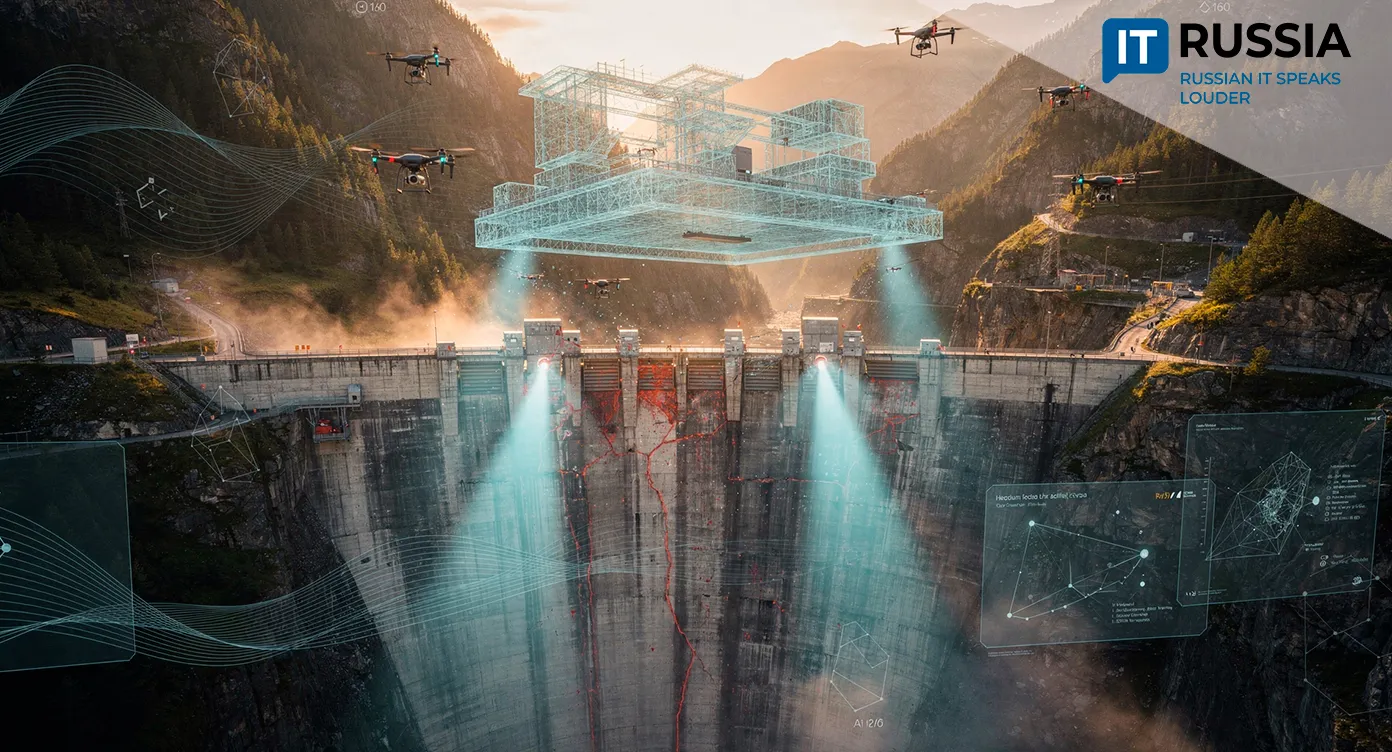
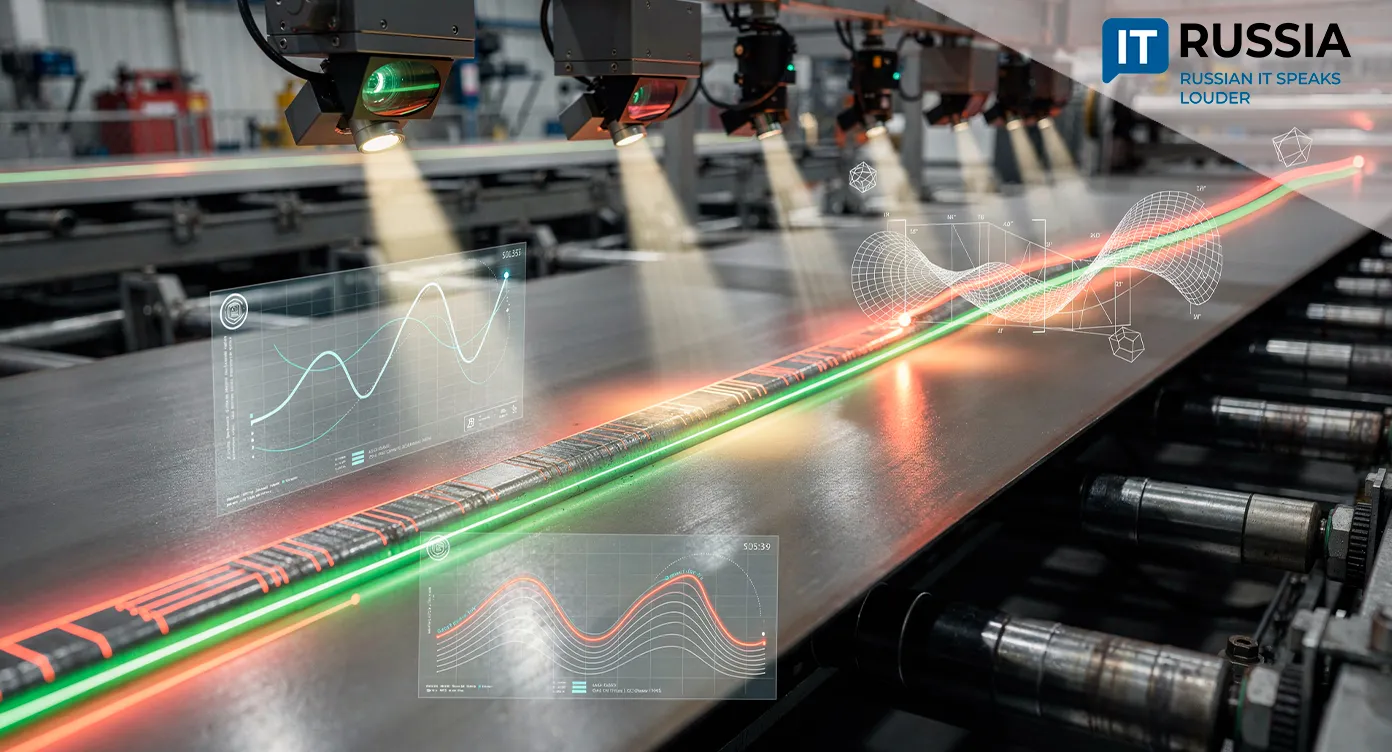
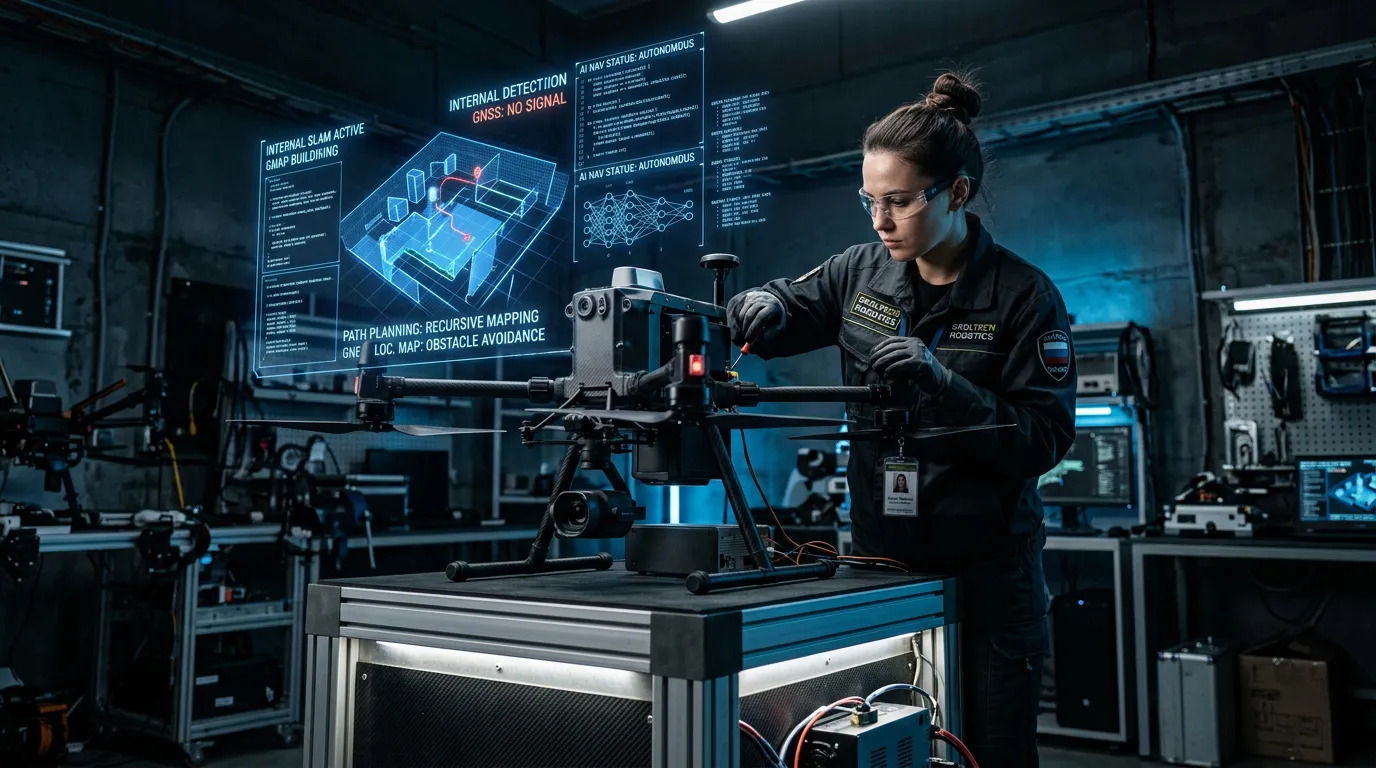
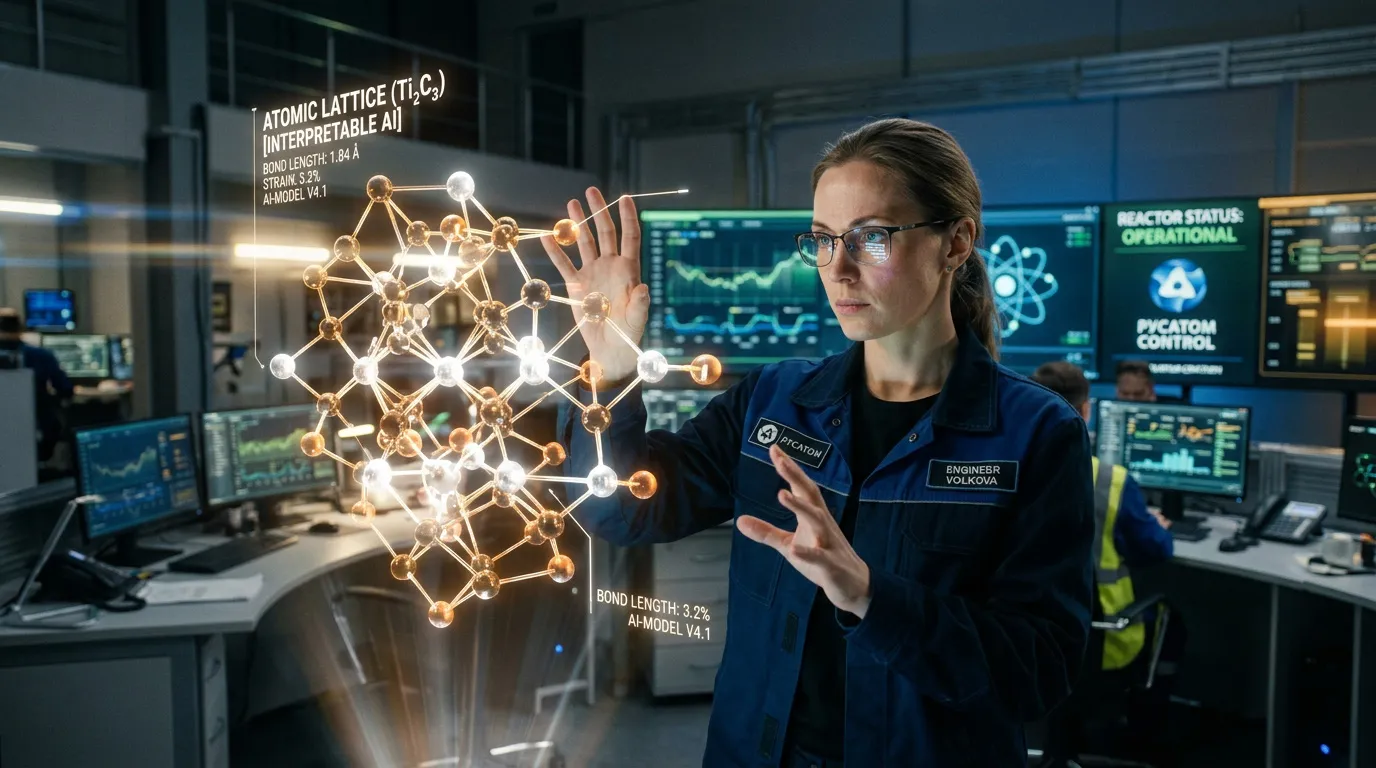
Several of the most promising directions have already emerged: engineering simulation and accelerated computation, predictive analytics for complex industrial equipment, autonomous UAV navigation without reliance on GLONASS or GPS, generative design of new materials and AI-assisted operator support in nuclear energy.
Each of those fields requires more than simply a “smart” model. What is needed is a full-scale system in which the algorithm explains its recommendations while the human expert retains operational control.
Technological Sovereignty Through Explainable Intelligence
Demand is now growing for applied, industrial-grade and interpretable AI systems. Developers will need to create not isolated neural networks, but platforms designed for decision support, results verification and engineering analysis.
For ordinary citizens, the direct impact may not become visible immediately, since the projects are tied to long-term scientific and industrial programs. Indirectly, however, the shift could translate into more reliable equipment, faster deployment of new materials and robotic systems, as well as higher industrial safety standards.
For Russia, the initiative also serves as an instrument of technological sovereignty. Explainable AI reduces dependence on foreign engineering platforms, accelerates R&D in strategically important sectors and aligns with the country’s updated National AI Development Strategy through 2030, where AI technologies are explicitly tied to national interests.
Export Potential and the Global Debate
Russian industrial AI solutions may also have export potential, although commercialization will depend heavily on the final product format. If FPI and its partners succeed in building applied platforms for engineering simulation or autonomous systems, those tools could attract demand in friendly markets that are likewise seeking technological independence.
If the developments remain confined to critical infrastructure and defense applications, however, exports will likely remain limited. Even so, the broader concept itself – hybrid research centered on explainability – could become Russia’s contribution to the global debate over trustworthy AI.
Russia is moving beyond experimental neural-network projects toward systemic integration of AI into science and industry. The central idea is not replacing human experts, but amplifying them. In an era of increasingly complex technologies, that kind of symbiosis may prove essential both for technological breakthroughs and for safety.