

AI to Help Restore Land to Sochi National Park
For three decades, unique land inside Sochi National Park – a federally protected natural area and one of Russia’s environmental landmarks – was steadily carved out of protected status. According to Russia’s Prosecutor General’s Office, more than 11,000 land plots covering roughly 5,000 hectares were removed from the park. Some were privatized, while others were illegally occupied for development.
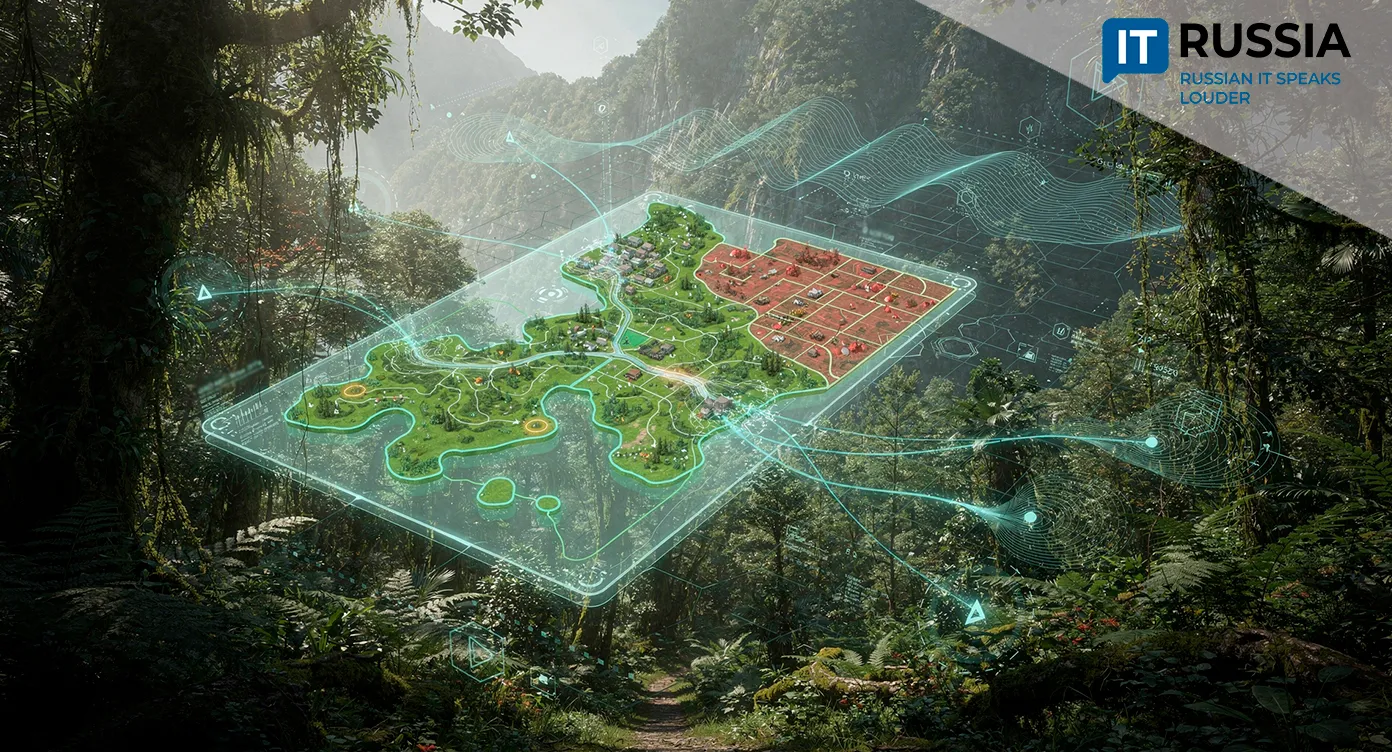
Legal disputes dragged on for years. This year, an interagency commission involving the Federal Research Institute “VNII Ecology,” the Prosecutor General’s Office, the Sochi city administration and even volunteers from the Russian Geographical Society began tackling the disputed-hectare problem. Artificial intelligence has now been added to the review process.
AI Tools Against Gray-Zone Land Schemes
Of the 11,000 plots removed from the park, slightly more than 7,614 have already been developed. Another 3,452 formally left the park on paper but physically remain forests, meadows or rocky terrain. Those 3,104 undeveloped plots are now being analyzed by cameras and AI algorithms.
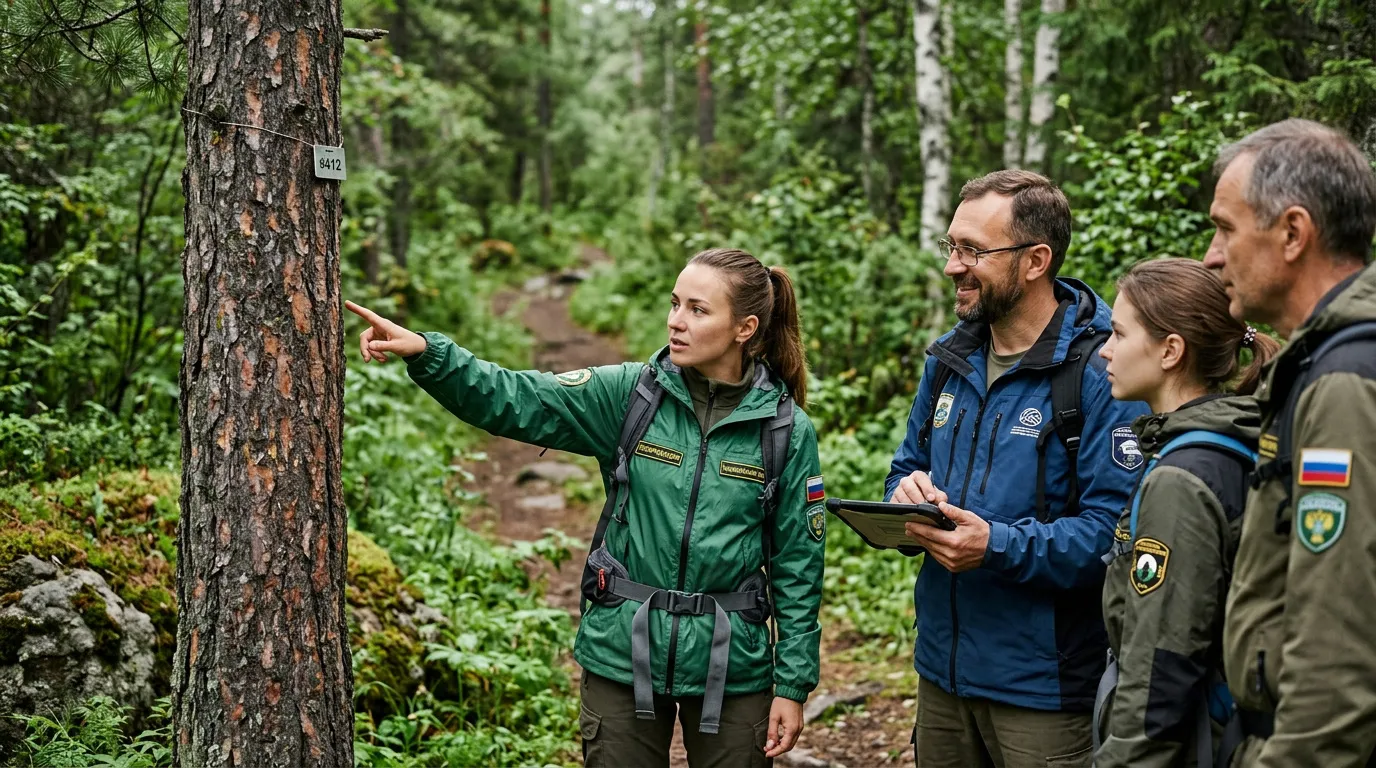
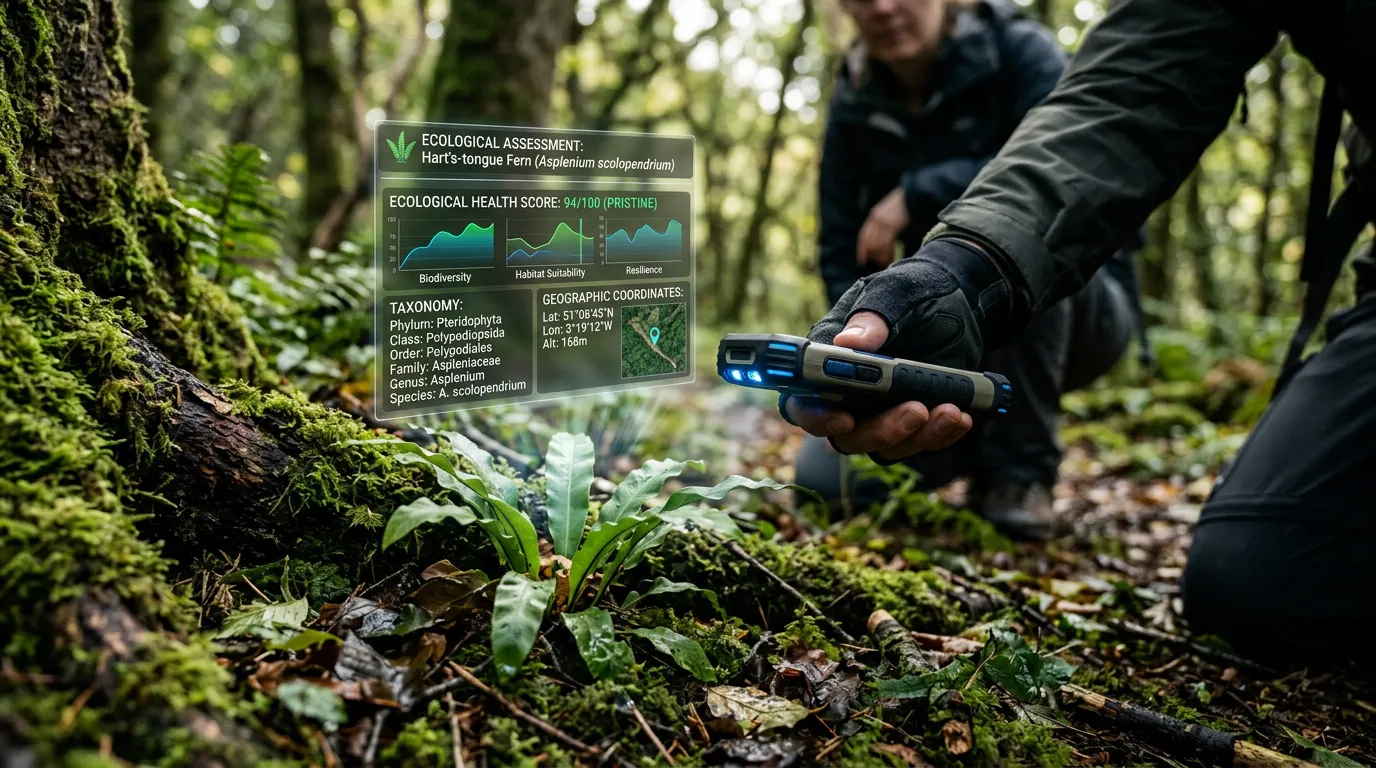
VNII Ecology developed a mobile digital tool built around AI elements. The application, already used by field experts, has helped inspect 525 plots. The system does more than photograph terrain. Its algorithms identify natural ecosystems – for example, detecting forests that show signs of endemic species.
The digital “inspector” records traces of endangered species, overlays the information onto geospatial maps and produces evaluations using a unified point-based methodology. The framework has been approved by the Scientific and Technical Council of Russia’s Ministry of Natural Resources and is designed to eliminate subjective assessments, where one expert could label a plot “valuable” while another classified it as “degraded.”
Nature Still Intact
Environmental assessments will be conducted for every plot of land. If AI determines that a forest area still contains rich biodiversity, the land will be returned to the national park even if older withdrawal documents exist. If a territory has genuinely lost its environmental value, authorities will assign it a different legal status. The restoration process is expected to take up to five years.
“It is already clear that the overwhelming majority of these lands have preserved their environmental value and will be returned to the national park. These territories could support recreational zones, while the land restoration process will also help combat invasive species,” said commission chairman Aleksandr Zakondyrin, director of VNII Ecology.
The Sochi model is likely to be expanded to other protected natural areas where land disputes exist. That is especially relevant near major metropolitan regions and tourism clusters – including Crimea, Altai and Lake Baikal. Russia has already begun deploying similar technologies elsewhere. The Russian Environmental Operator, together with SITRONICS, is developing AI-based satellite monitoring systems to identify illegal dumps and violations in nature reserves. In 2024, Russia’s Federal Forestry Agency used remote monitoring across 300 million hectares of forest and identified 1,200 violations.
Technology With International Potential
The technological components behind the project – AI analysis of Earth remote-sensing data, digital field protocols and point-based environmental assessments – could also prove useful in BRICS countries and Central Asia. MegaFon Ecology, for example, launched a digital air-quality monitoring system in Uzbekistan. Russian geospatial technologies are also being used to monitor agricultural land across BRICS countries, which together provide food for roughly half the world’s population. Algorithms developed by Terra Tech were used to identify the most productive zones within Brazil’s Pantanal region, covering 2.59 million hectares.
The scientific experiment underway in Sochi could become valuable for countries where urban expansion increasingly collides with environmental preservation. Russia is positioning itself to offer a broader digital ecosystem that begins with a mobile application for inspectors. For Sochi itself, the project has created a more precise and impartial environmental-protection tool. And perhaps these first 525 surveyed plots will mark the beginning of a digital reset for Russia’s entire protected-natural-area system.