

4D Seismic Emerging as a Key Direction in Russia’s Oilfield Services Sector
Russian energy researchers and oilfield service providers are expanding the use of 4D seismic technologies to monitor reservoir behavior over time. The development of domestic software and analytical tools is becoming a strategic priority as the industry strengthens its technological independence and improves field development efficiency.
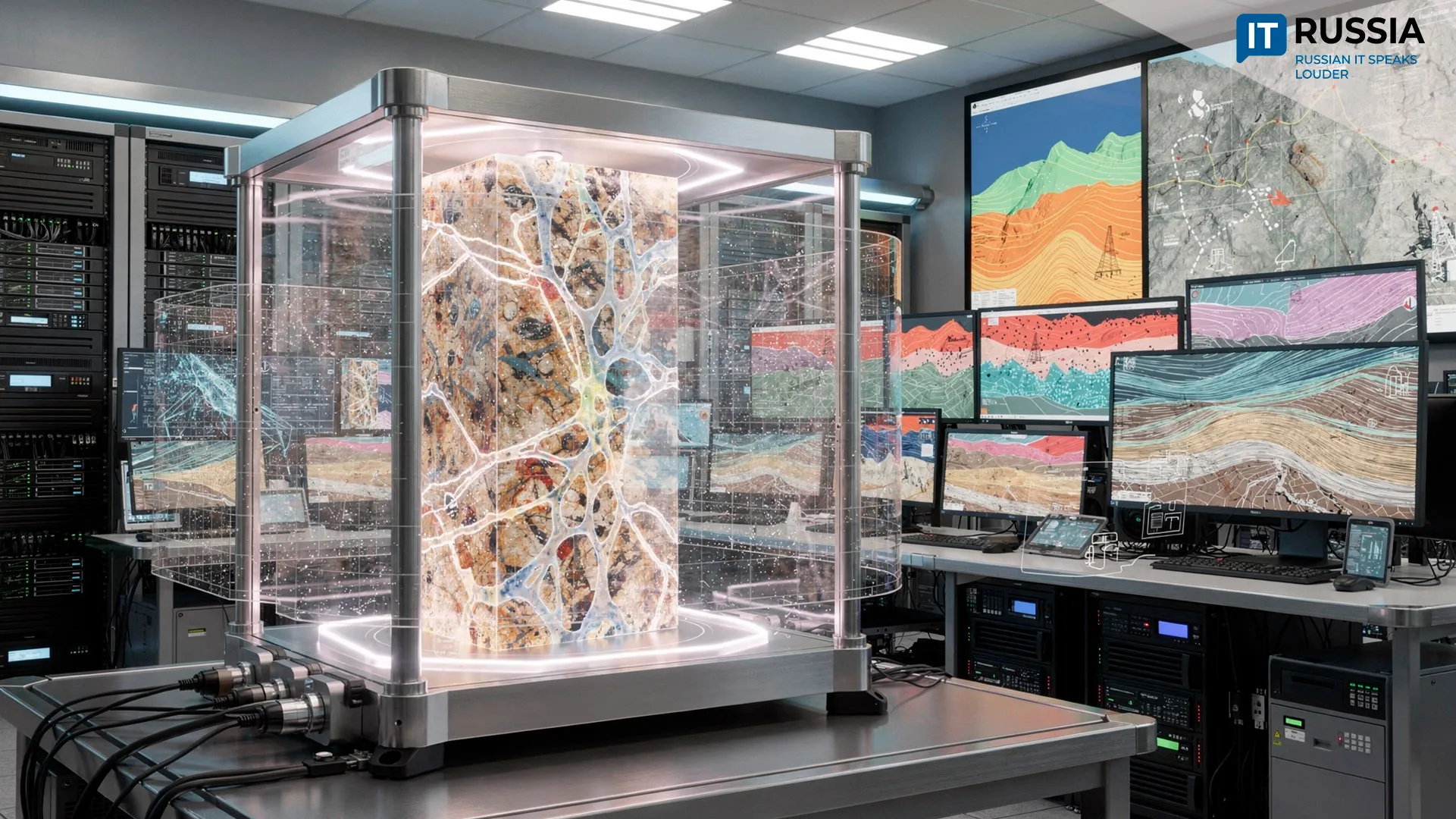
4D seismic, also known as time-lapse seismic, essentially involves repeating 3D seismic surveys at different time intervals across the same field area. This approach allows geoscientists to visualize changes in reservoir pressure and temperature during oil production.
Analysis of these datasets helps identify the movement of fluids within the reservoir, detect permeability anisotropy and fluid flow patterns, and better understand how a field gradually depletes. Widely used across the global oil and gas industry, this technology significantly improves field development efficiency. It enables operators to plan drilling and production with greater precision, reduces the risk of drilling nonproductive wells, and increases the overall oil recovery factor.
Tyumen at the Forefront of Reservoir Monitoring
Researchers at the Tyumenskiy neftyanoy nauchnyy tsentr (Tyumen Petroleum Research Center, TNNTS) have developed Russia’s first 4D model of three gas reservoirs at Rosneft’s Kharampurskoye oil and gas condensate field. The model incorporates the geomechanical properties of reservoir rocks and supports the development of more effective monitoring programs. It helps engineers improve production economics, avoid unfavorable drilling scenarios, and adjust field operations in a timely manner.

In addition, specialists at the center have developed an enhanced oil recovery technology based on special chemical compositions and cyclic steam injection into the reservoir. The economic advantage of the innovation is substantial. Its cost is 82% lower than that of conventional geological and technical interventions. In 2021, the economic benefit for Samotlorneftegaz, a Rosneft subsidiary, reached 1.9 billion rubles (about $23 million). The technology extends the profitable life cycle of mature fields where traditional pressure-maintenance methods often lose efficiency.
The Tyumen Petroleum Research Center is one of Russia’s largest regional hubs for geological research and reservoir development. Its activities include core analysis, seismic exploration, reservoir modeling, reserve management and drilling support.


Core 4.0: Digital Rock Modeling
A partnership between the Tyumen Petroleum Research Center and the non-government development institute Innopraktika has produced a unique software solution for the Russian oil and gas sector. The result of this collaboration is the RN-Tsifrovoy kern (RN Digital Core) system.
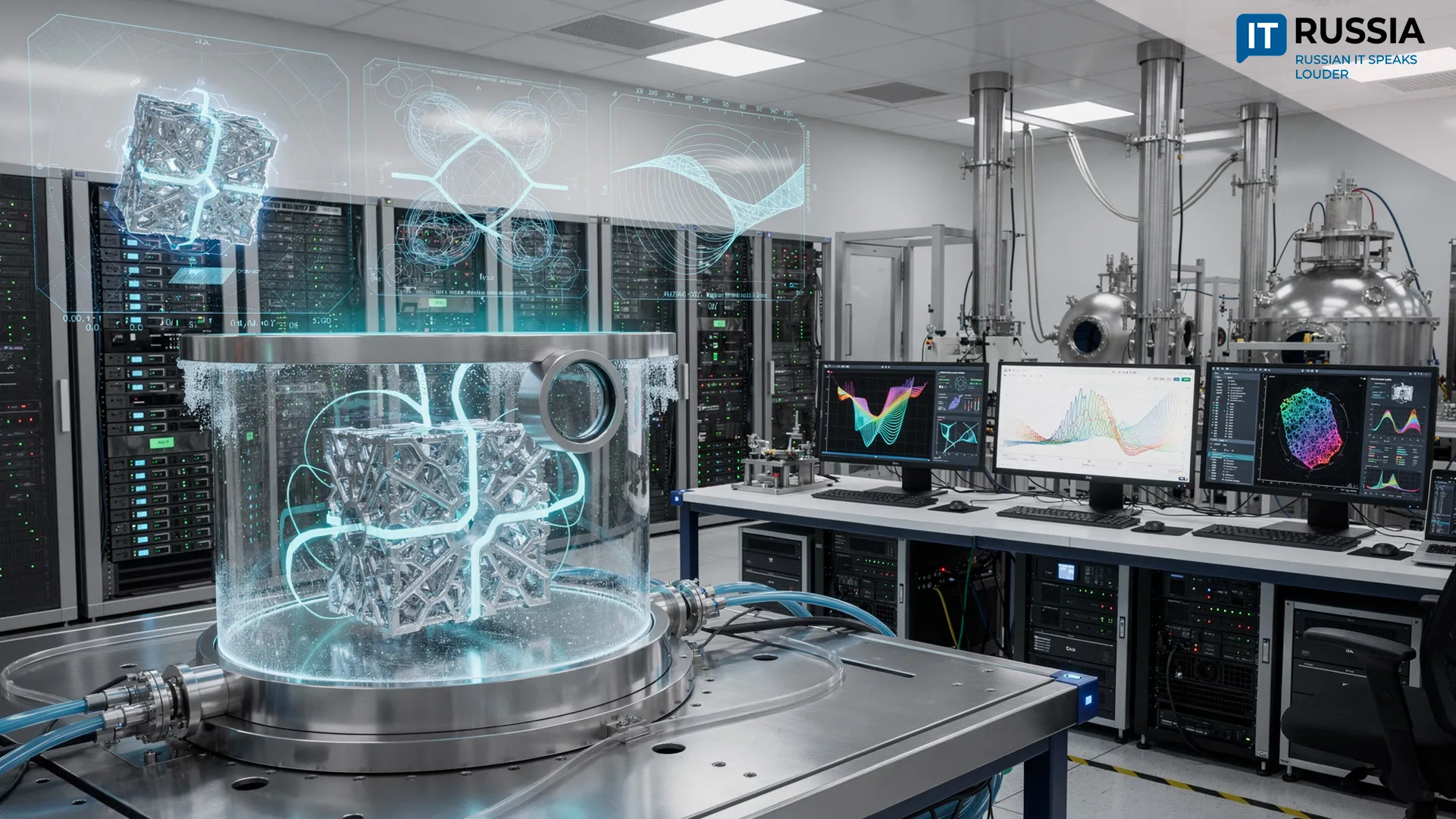
The product was developed for Rosneft and applies virtual core modeling not only to forecast hydrocarbon content within reservoirs but also to identify the most effective development strategies and enhanced oil recovery methods. The software builds a digital twin of the core sample – a mathematical model based on high-resolution 3D images of rock samples. The platform relies on proprietary algorithms that had not previously been used in commercial software.

This digital twin allows researchers to repeatedly analyze the physical, mechanical and filtration properties of reservoir rock under different conditions without physically altering the sample. The system is currently used as a complement to laboratory studies for high-permeability formations. In the future, it is expected to be adapted for the analysis of hard-to-recover reserves.
Last year Rosneft also introduced two additional software systems developed by the BashNIPINeft institute: the RN-KIM hydrodynamic simulator and the RN-KIN digital system for analyzing field development performance.
Import Substitution and Export Potential
The development of domestic 4D seismic solutions has become a central element of Russia’s technological import-substitution strategy in the oilfield services sector. Future advances may include deeper integration with digital reservoir models as well as the use of machine learning methods to process geophysical data.
Russian oilfield service companies may also export such technologies to markets in partner countries. The most promising opportunities lie in integrated services that combine geophysical exploration, data analysis and specialized interpretation software.

In 2023 Russian 4D seismic technologies were presented internationally. A demonstration by TNG-Grupp at an industry exhibition in Abu Dhabi led to a cooperation agreement with Al Ghaith Energy of the United Arab Emirates. The hardware-software system with hybrid telemetry developed by TNG-Grupp enables the acquisition of high-quality seismic data in a wide range of environments and climates, including transitional land-sea zones and offshore areas.
It is now clear that 4D seismic technologies are becoming an increasingly important component of monitoring services for oil and gas fields worldwide. The development of Russian technologies in this field forms part of a broader strategy aimed at strengthening technological sovereignty in the energy sector.