

Architecture Goes Digital: Rare Urban Planning Archives Become Available Online
Rare publications on architecture and urban planning have been digitized and published in Russia’s National Electronic Library. For the first time, anyone can explore unique materials from the collection of the Library of Architects and Urbanists – a trove of works that until recently was accessible only to specialists.
For decades, the Library of Architects and Urbanists assembled an extraordinary collection of publications documenting the evolution of cities and architectural thought. Its archive includes works by prominent architects, albums of urban development projects, monographs on the history of city planning and rare international publications. Access to these materials was historically limited. Many of the books were stored in specialized collections and could be requested only by researchers and scholars.
Many of these editions exist in just a handful of copies, and some volumes have deteriorated due to age and frequent handling. Until recently, it was difficult to balance preservation with accessibility. Protecting fragile books often meant limiting their use. New digitization technologies have finally made it possible to do both.
Careful Review Before Digitization
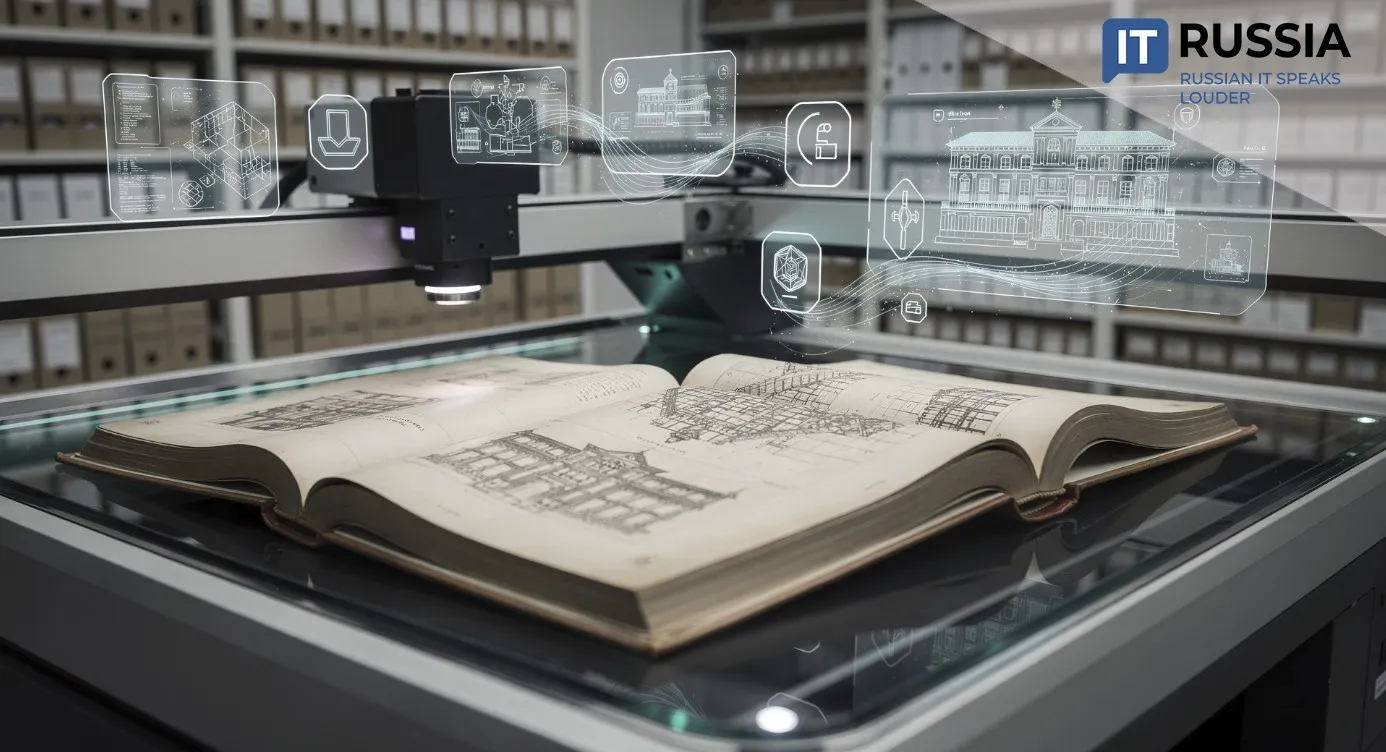
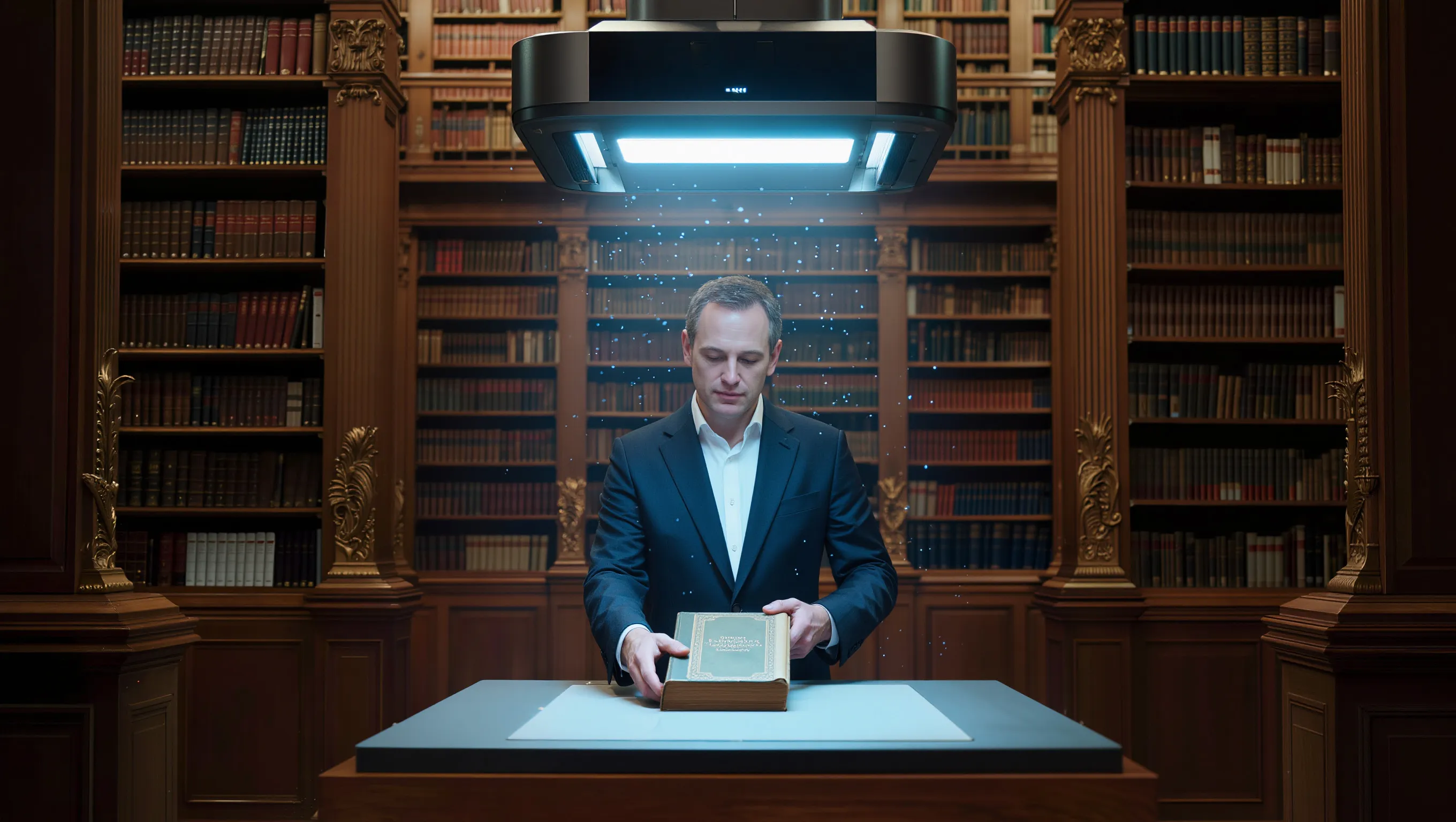
Before being digitized, each publication underwent a detailed examination by specialists from the Russian State Library. Librarians assessed the condition of bindings, the integrity of pages, the readability of text and the preservation of illustrations. Particularly fragile volumes were scanned using specialized equipment designed to avoid mechanical pressure on the books.

Experts also reviewed copyright status. Publications no longer protected by intellectual property law were designated as part of the public domain and made freely accessible online from anywhere in the world. More recent works remain available only through controlled access at partner libraries participating in the National Electronic Library.


The National Electronic Library
The National Electronic Library unites the digital collections of Russia’s largest libraries, museums and archives. The platform already hosts more than 5.5 million digitized documents, ranging from prerevolutionary newspapers to modern academic publications. The addition of rare architecture and urban planning works expands that collection significantly.

Users of the platform can do far more than simply read scanned texts. They can explore detailed illustrations, save excerpts to personal accounts and build thematic collections for research. Built-in text recognition tools also allow readers to search for specific phrases even within older printed materials. In practice, the platform functions not just as a digital archive but as a powerful research tool.
From Moscow to Vladivostok
Until recently, scholars interested in rare architectural publications often had to travel to Moscow or St. Petersburg to access them. Now those same materials are available in just a few clicks. Digitization removes geographical barriers and opens professional knowledge to a far wider audience.
The new resource is especially valuable for regional universities, where specialized libraries with extensive architecture collections are often limited. Students studying architecture can now examine original design concepts from renowned architects, trace the evolution of urban planning theories and draw inspiration from historical solutions. This significantly expands educational opportunities for students outside major academic centers.
The First Stage of a Larger Program
Digitizing the architectural collection is only the beginning. The project is intended as the first stage of a broader program to popularize specialized literature related to urban development and design. Future phases will include digitizing works on landscape architecture, monument restoration, engineering infrastructure and the history of construction materials.
Particular attention will be given to materials documenting regional architecture. Many volumes describing the development of Siberia, the Russian Far East and the North Caucasus exist in only a few surviving copies and face the risk of being lost. Digitizing them will preserve this knowledge for future generations.
Rare books that were once accessible only to a small group of specialists are now open to everyone. The project represents a return of cultural heritage to the public – and the creation of a knowledge base that can inspire the next generation of architects and urban planners.