

Biometrics for the Nuclear Industry: Greenatom Project Wins Rosatom Digital Competition
A biometric identification system developed for Russia’s nuclear industry has won an internal technology competition organized by Rosatom. The solution is expected to accelerate identity verification procedures while strengthening security across nuclear-sector enterprises.
On 27 February 2026, the final stage of Rosatom’s internal competition for digital initiatives and products, Tsifrovoy PSR-demoden (Digital PSR Demo Day), took place in Moscow. More than 50 submissions from 16 divisions of the state corporation were reviewed. Experts shortlisted nine projects for in-person presentations before a jury composed of Rosatom senior executives.
Five initiatives were ultimately selected as winners. Among them was a commercial biometric system developed by Greenatom, Rosatom’s IT integrator specializing in digital technologies for the nuclear sector.
The competition is designed to accelerate the implementation cycle for innovations, moving projects quickly from concept development to practical deployment. Beginning in 2026, the event will be held annually.
How the Biometric System Works
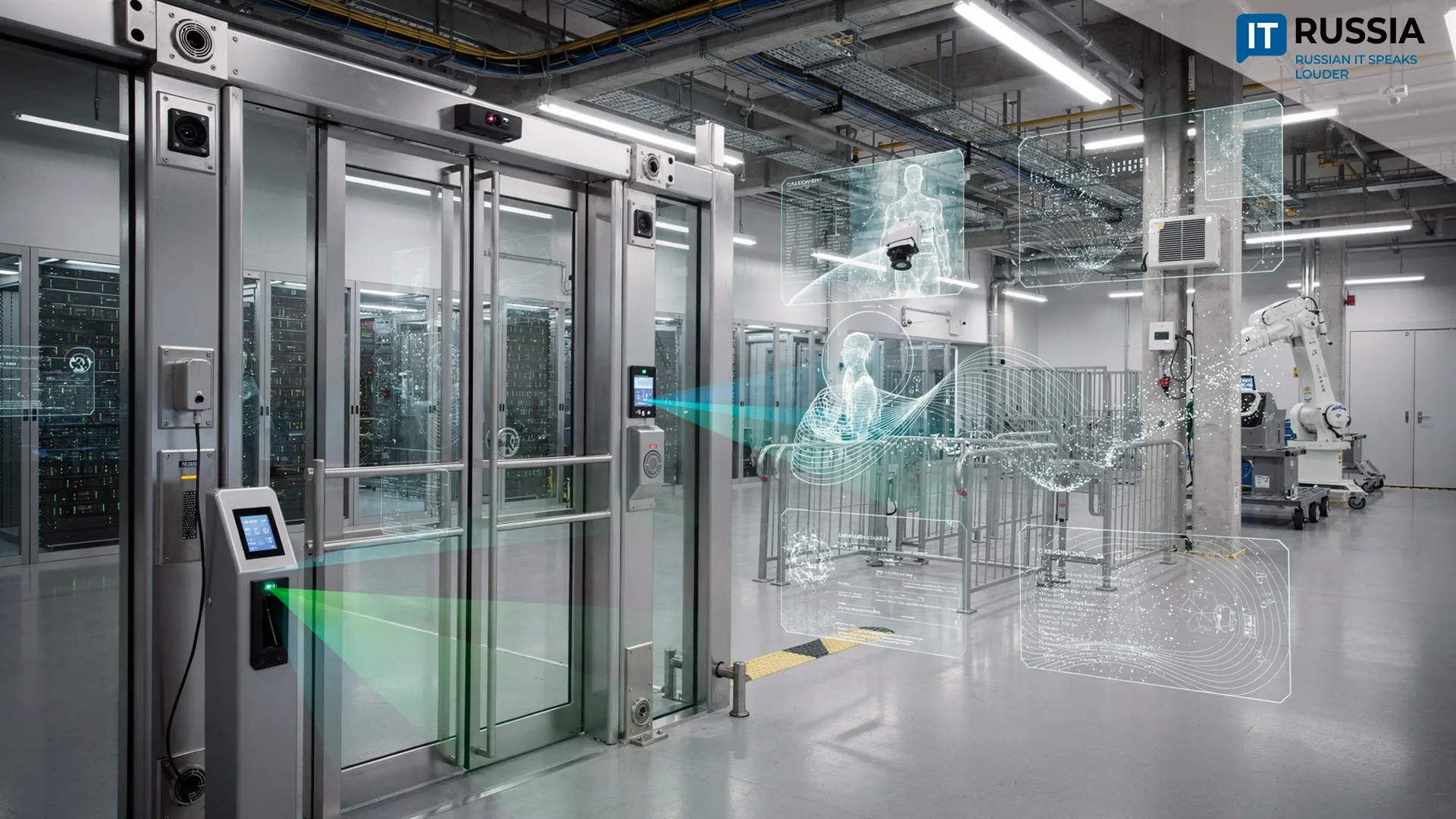
The commercial biometric system allows organizations across the nuclear sector to integrate biometric identification into operational workflows. The technology supports several use cases: identity verification when accessing information systems, remote onboarding of new employees, computer unlocking using facial recognition, and entry to enterprise facilities without a physical access pass.

Identity verification through facial scanning is faster than traditional badge checks, while biometric login allows computers to be unlocked significantly faster than manual password entry. This reduces delays at access control points, particularly during peak hours when employee flows are highest.


Economic Impact
According to the developers, the introduction of biometric technologies could increase labour productivity by approximately 15% by automating routine operational procedures. An even more significant outcome is a projected 60% reduction in workplace injuries.
This improvement is achieved through automated notifications of safety violations at industrial facilities. The system detects deviations from safety protocols and immediately alerts responsible personnel.
For the nuclear sector, where safety standards are particularly strict, biometric technologies are becoming an important additional control mechanism.
Scaling Potential
The competition jury identified the biometric platform as a product with strong potential for industry-wide scaling. The solution could therefore be deployed across Rosatom’s entire infrastructure, from research centres to industrial sites and international projects.

The competition winners will receive accelerated funding to develop a minimally viable product. This support will allow the Greenatom team to move rapidly from prototype stage to industrial deployment.
Digital Maturity
The implementation of biometric technologies aligns with the objectives of Rosatom’s unified digital strategy.
The system simplifies and automates routine operations such as facility access, login to corporate information systems, and workforce time tracking. At the same time, it strengthens the security of critical infrastructure, particularly enterprises within the nuclear industrial complex that handle materials requiring enhanced access control.
Five Competition Winners
Alongside Greenatom’s biometric system, the winning projects included an integration PLM portal developed by Rosatom’s machine-building division, the Dedal-Scout enterprise asset management software created by NPK Dedal, and two projects from TVEL.
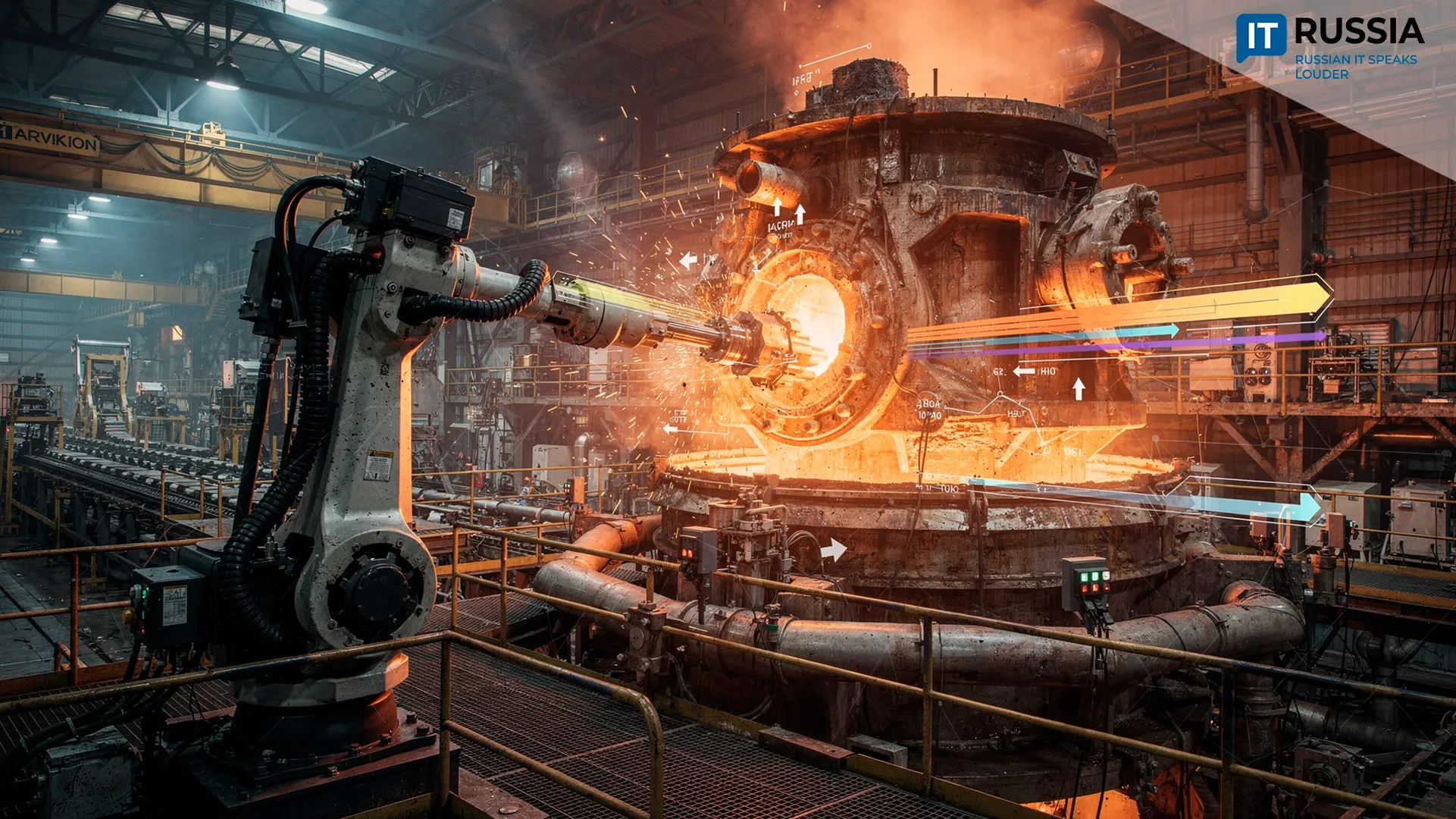
These include a solution using analytical and predictive models to monitor furnace operations and forecast failures, as well as a system for automating incoming product quality inspection.

All of the projects represent real investment cases with measurable economic impact. Their deployment is expected not only to modernise individual production processes but also to increase overall efficiency across the nuclear industry while strengthening Rosatom’s competitive position. Greenatom’s biometric system is already becoming part of a broader digital transformation underway in the sector.