Designing the Future – the Russian Way
Sanctions have accelerated the development of Russian software. After foreign platforms exited the market, Russian developers began offering their own solutions that match international counterparts in functionality.
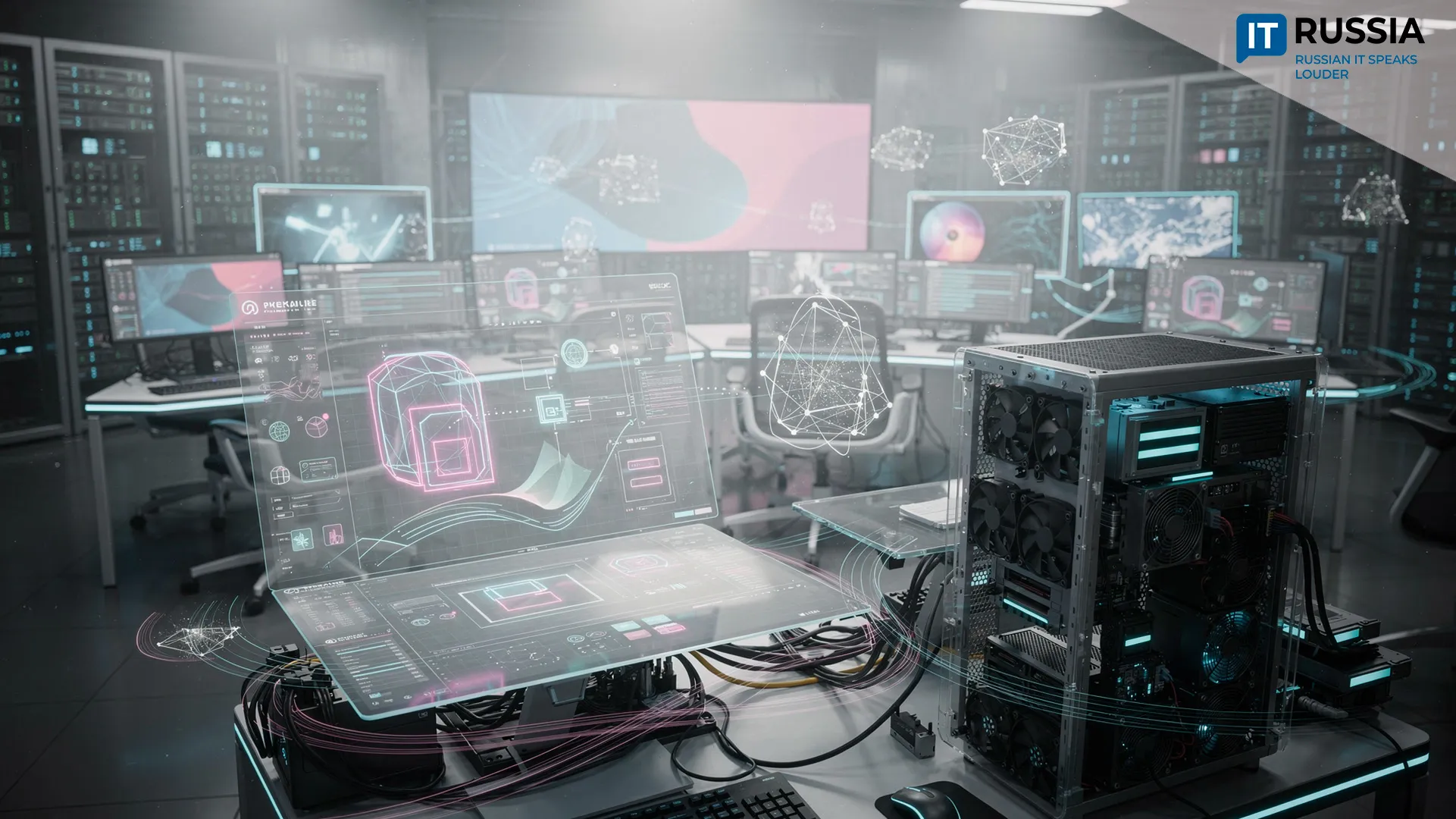
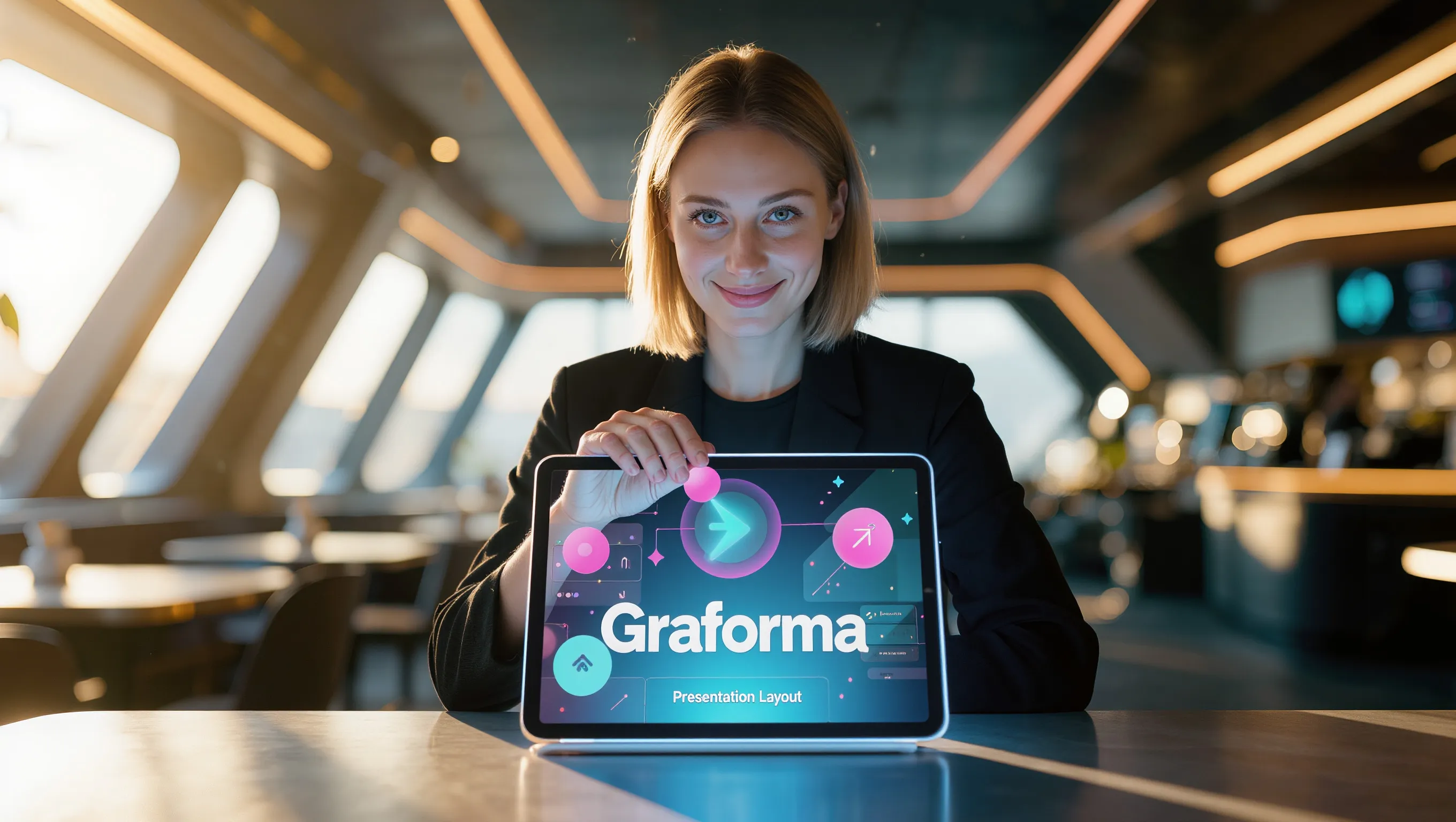
Russian IT company AMS Software, which specializes in software development, has launched an online design builder called Graforma. The service functions as a full-fledged alternative to the foreign platform Canva. The new product provides an intuitive editor and modern design templates adapted to the formats and requirements of Russian social networks and online platforms.
Graforma is fully localized. All commands – including workspace buttons – are presented in Russian, allowing users to understand the tools immediately. This contrasts with many foreign services, where automatic browser translation can distort the names of functions and complicate navigation.
Graphic editors used to create visual content are in demand across a wide range of professional groups. Marketers, social media managers, small business owners, and online sellers on marketplaces use them to design posts, stories, and advertising for different platforms. HR specialists and corporate teams rely on such tools to produce internal documents, announcements, reports, and training materials. Teachers and students create presentations, visual teaching aids, portfolios, and creative projects.

The Graforma online builder is designed for both beginners and experienced designers. One of the service’s key advantages is a large library of free templates suitable for nearly any field – from business and education to creative and personal projects. Each layout includes a carefully designed color scheme, typography, and decorative elements. Objects are organized into layers that users can move and edit freely. A built-in photo editor allows adjustments to brightness and contrast, while a neural network removes image backgrounds with smooth transitions in seconds.
Completed projects can be exported in JPEG, PNG, or PDF format. Files for web use are prepared in RGB, while print-ready versions are generated at 300 DPI resolution. A commenting mode simplifies teamwork – draft designs can be shared with colleagues via email for feedback.


A Challenger to Microsoft Visio
Today the Russian market offers many other platforms capable of competing with Western solutions. One notable development was the launch of a new graphic editor from the company Novye Oblachnye Tekhnologii. Developers created a vector tool called Moy Ofis Skhema (MyOffice Diagram) for desktop computers. The product was developed in partnership with Graftekh and serves as a Russian alternative to Microsoft Visio, providing tools for building flowcharts, infographics, diagrams, and prototypes.
Unlike the traditional Visio application, the software from Novye Oblachnye Tekhnologii runs not only on Windows and widely used Linux operating systems, but also on specialized Russian distributions such as Alt, Astra Linux, and Red OS. The graphic editor in the Moy Ofis ecosystem includes tools suitable for both small projects and large-scale tasks. These include building company organizational structures, designing complex application architectures, planning facility layouts, and producing various technical diagrams.
Graphic Editors 2.0
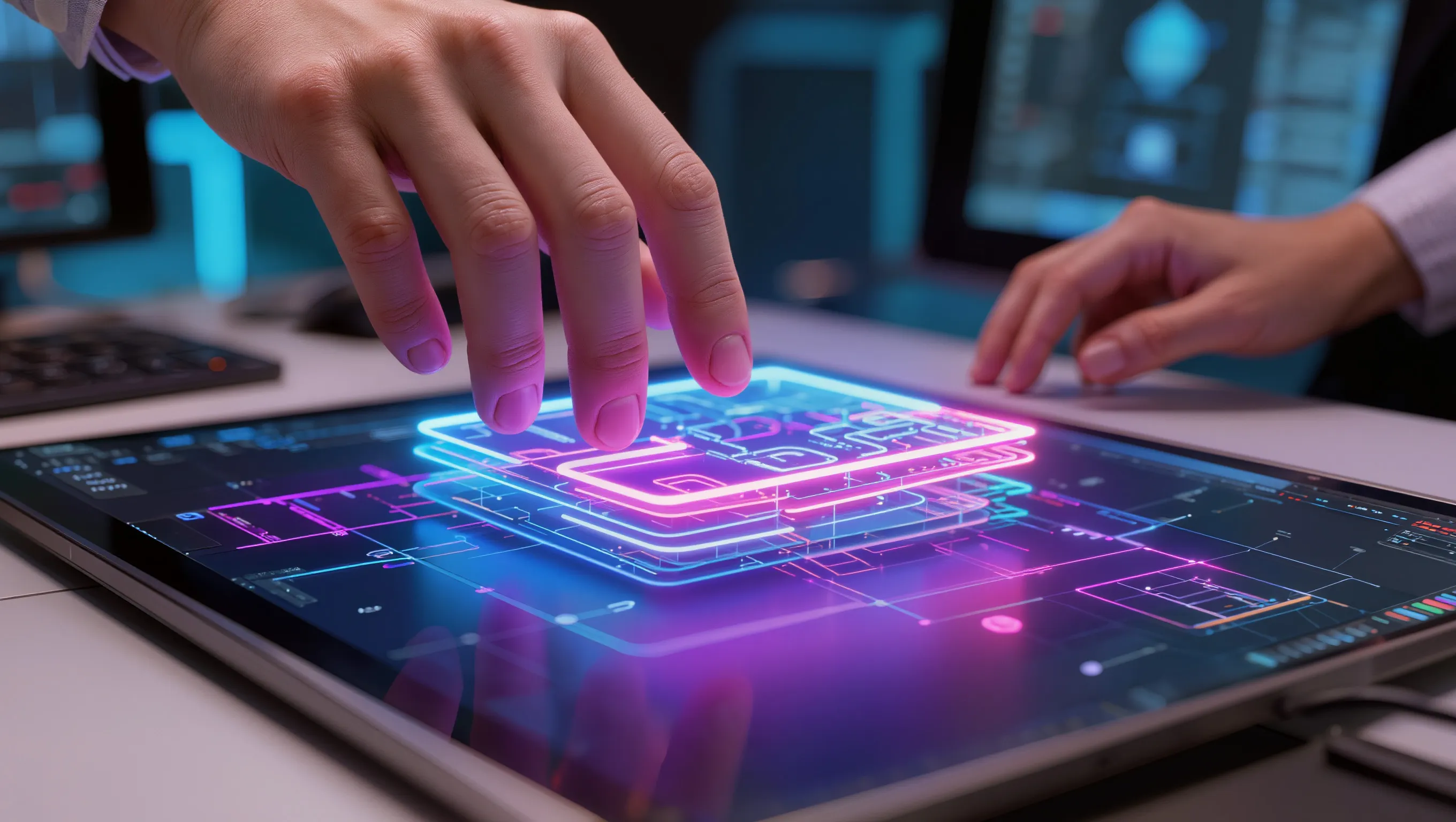
More broadly, the Russian market now includes a wide range of domestic solutions for producing digital content. One of the most widely used examples is SUPA, a Russian online editor for video, images, and animation for websites and social networks created in 2017. The service is designed for both everyday users and professionals in design and digital marketing. On the platform users can create images for online publishing as well as layouts for printed materials. As of March 2022, the service had more than 200,000 users worldwide.
Another graphic online editor developed by Russian engineers is Flyvi, a platform designed for creating visual content. It helps users without professional design skills produce high-quality graphics for social media, presentations, and marketing materials. Built-in AI tools allow photos and images to be edited with a single click. The platform’s library includes hundreds of ready-made templates for different industries. Flyvi also offers an AI studio where users can generate headlines, posts, and graphics in multiple styles.
Another Russian counterpart to Canva is Wilda, an online document builder that combines the functions of Word, Excel, and PowerPoint within a single interface. The platform provides an intuitive editor with movable content blocks, making it easier to design documents with flexible structure and layout.
From Artificial Intelligence to Big Data
According to analytical research by Soware, the Russian graphic editor market will continue evolving in the coming years as advanced technologies become more deeply integrated into content creation tools. Analysts expect artificial intelligence to play an increasingly central role, along with expanded capabilities for working with 3D graphics and large datasets. Collaborative features and data security mechanisms are also expected to improve significantly.
Russian developments demonstrate that the departure of foreign platforms has not become an obstacle but rather a catalyst for building domestic IT solutions capable of competing globally.