An AI Influencer Has Become the Face of Tourism in Russia’s Vologda Region
The digital character FeraFima promotes the Vologda region, comments on waterfront redevelopment and promises to restore the Vologda River as the area’s main transportation artery.
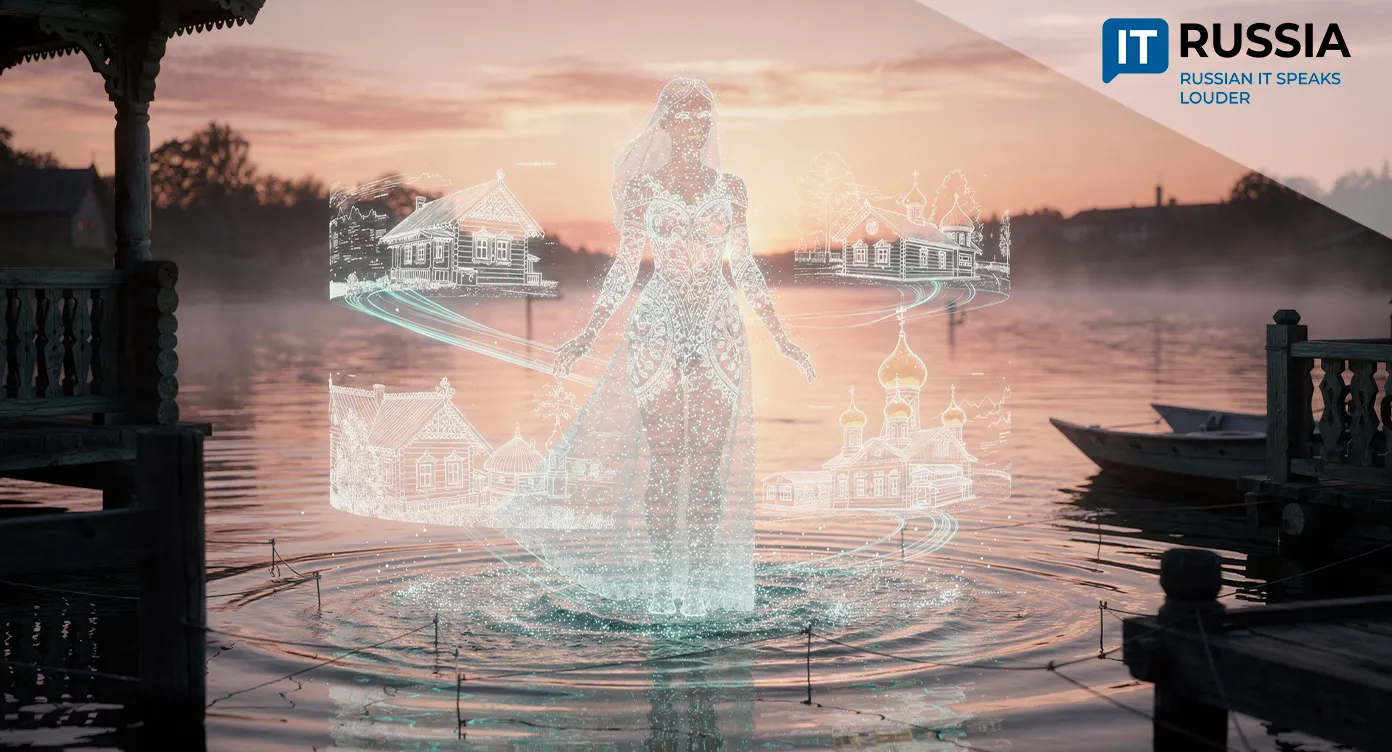
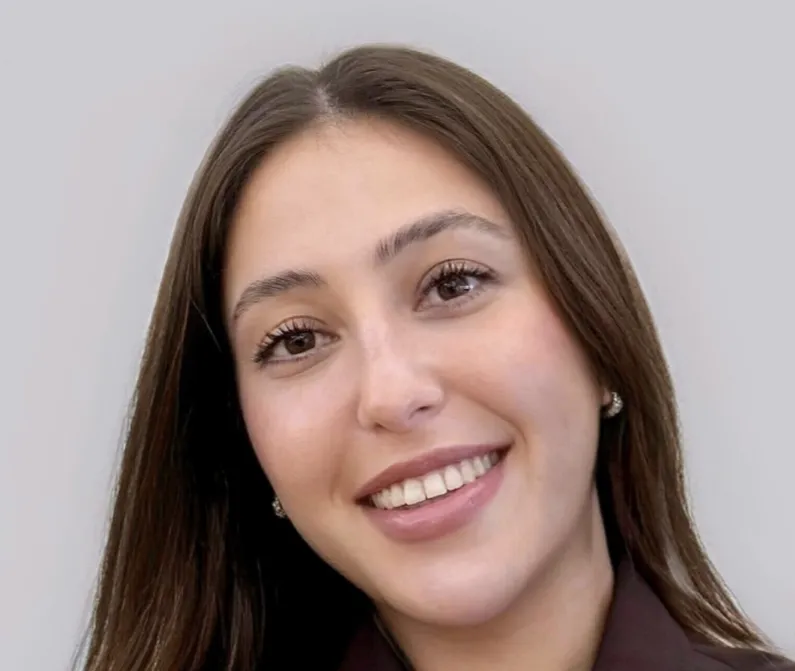
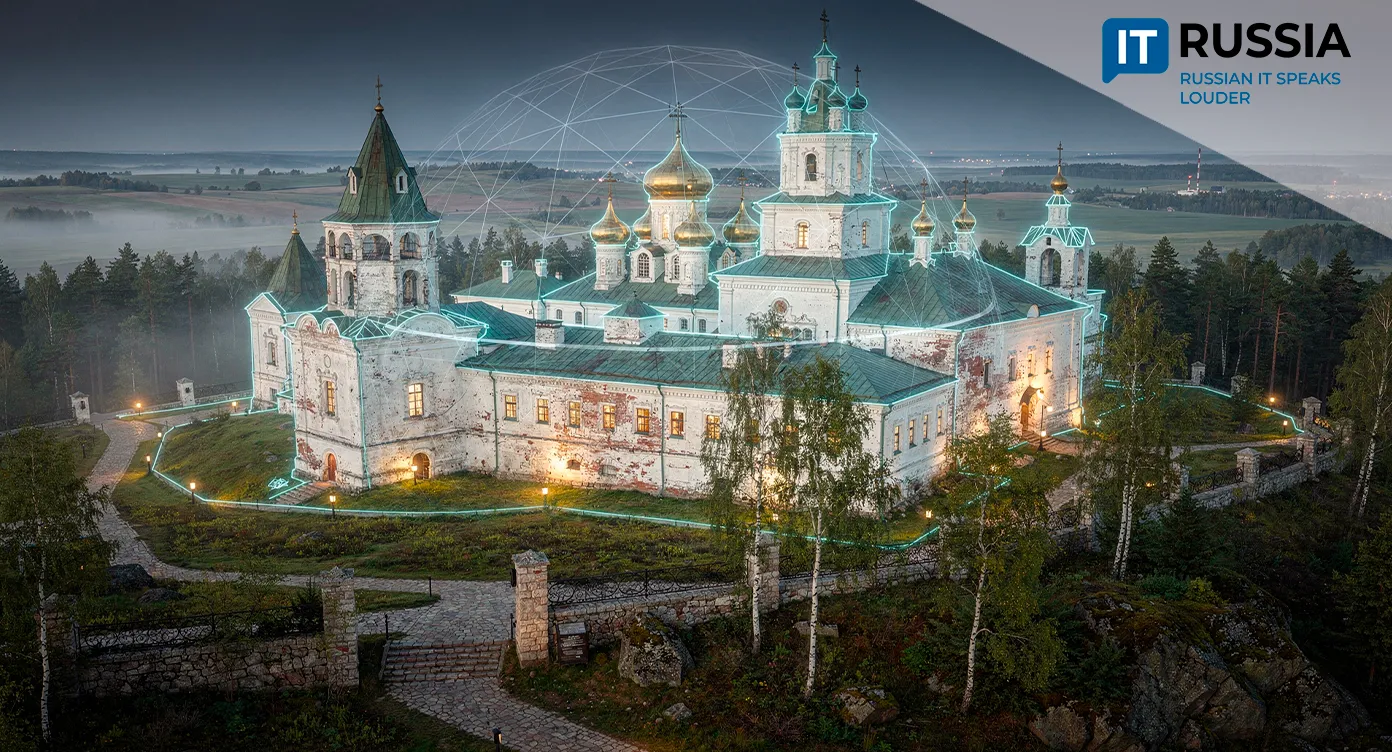
Vologda, a northern Russian city famous for carved wooden fences and butter, has found an unusual way to attract tourists. Instead of hiring celebrities to market the region, local officials created an AI blogger named FeraFima. Her appearance blends polished facial features with imagery drawn from old Russian culture. Even the name was chosen with history in mind. It references Ferapontovo, a village in the Kirillovsky district known as one of the region’s cultural gems.
New Formats for Hospitality
In short-form videos, FeraFima explains the history of the Vologda region, talks about new river cruise routes and describes why the gateway to a major inland waterway begins here. The videos are designed to make viewers want to visit while creating a sense of warmth and hospitality.
Users can also ask FeraFima tourism-related questions and receive responses, turning the experience into an interactive dialogue that audiences actively engage with. Project curators say the visually polished presentation and conversational format are aimed primarily at younger audiences who no longer read brochures or respond to traditional advertising formats.
Growing Tourism Without Massive Spending
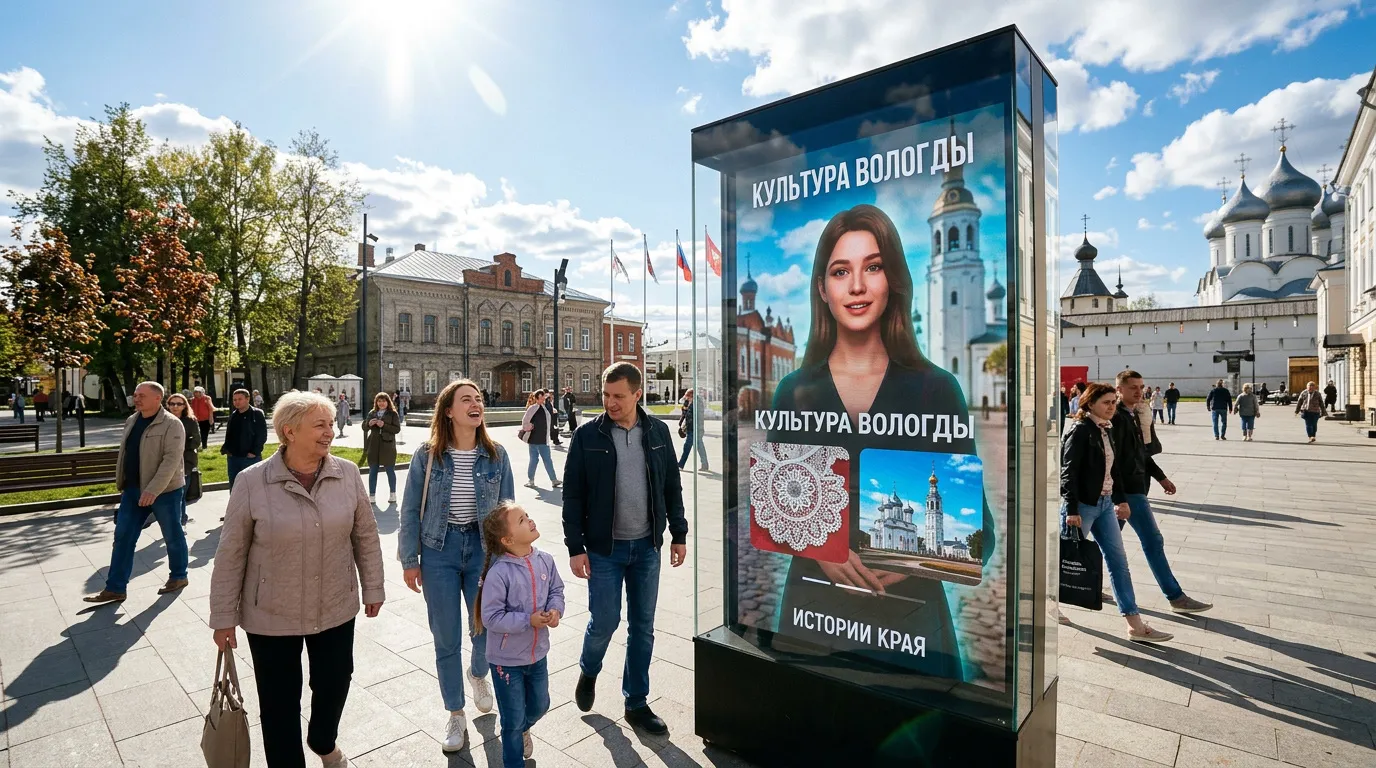
Tourist traffic to the Vologda region grew by more than 58% in 2025, with roughly 2 million visitors arriving over the course of the year. Tourism already generates substantial regional revenue, and local authorities appear ready to continue investing in promotion, especially now that new digital marketing tools are becoming available.
Valeriya Lapakhina, an expert in AI-generated content, believes AI bloggers improve audience engagement. “Companies can analyze products faster and adapt content more efficiently. With an AI blogger, you can inexpensively produce 30 videos a day across different formats and locations – something impossible with a real person,” she said.
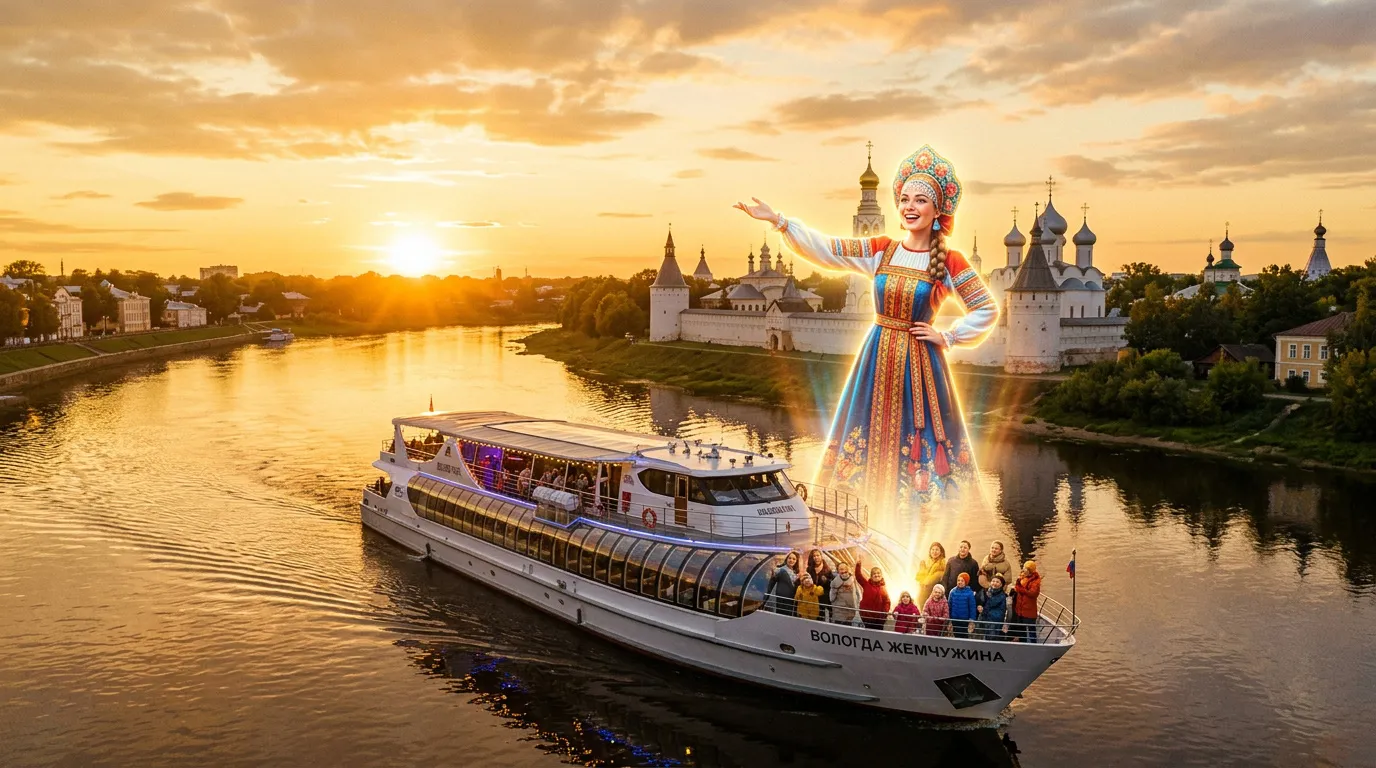
The project does not require major financial investment. A digital ambassador can continuously release content without demanding appearance fees or breaks between shoots like a human influencer would. At the same time, FeraFima tackles several goals at once: refreshing Vologda’s tourism image, promoting river tourism, drawing in social media audiences and packaging historical and cultural heritage into video formats people already consume every day.
How Other Regions Are Experimenting With AI Influencers
Vologda is far from the first Russian region to use neural networks to build tourism and advertising products. Across the country, tourism and IT specialists are experimenting with artificial intelligence.
In Karelia, one hotel greets guests not with a static display but with a hologram named Aino. The 3D avatar, based on a heroine from the Kalevala epic, can hold real conversations. Aino talks to visitors about forests and lakes on almost any topic, while her face and voice were modeled after Marina Nozhenko, winner of the “Best Guide in Russia” competition.
Last year, a Sakhalin tourism video styled after The Simpsons went viral online, showing the Aniva lighthouse, bears and giant crabs dancing to music inspired by the cult animated series. The AI-generated animation effectively became an unofficial calling card for the island.
In Irkutsk, a neural network generated human-like versions of Lake Baikal and the Angara River. The Nizhny Novgorod region showcased a similar concept during the Russia exhibition at VDNKh, creating avatars of the Volga and Oka rivers that interacted with visitors.
International tourism markets are embracing AI just as aggressively. In Bremerhaven, Germany, where the Weser River flows into the North Sea, a Pepper robot greets cruise passengers and helps them navigate the city. China, meanwhile, has created a digital Confucius that answers questions about ancient culture, along with AI avatars representing the Great Wall and the Forbidden City.
AI Influencers as a Service
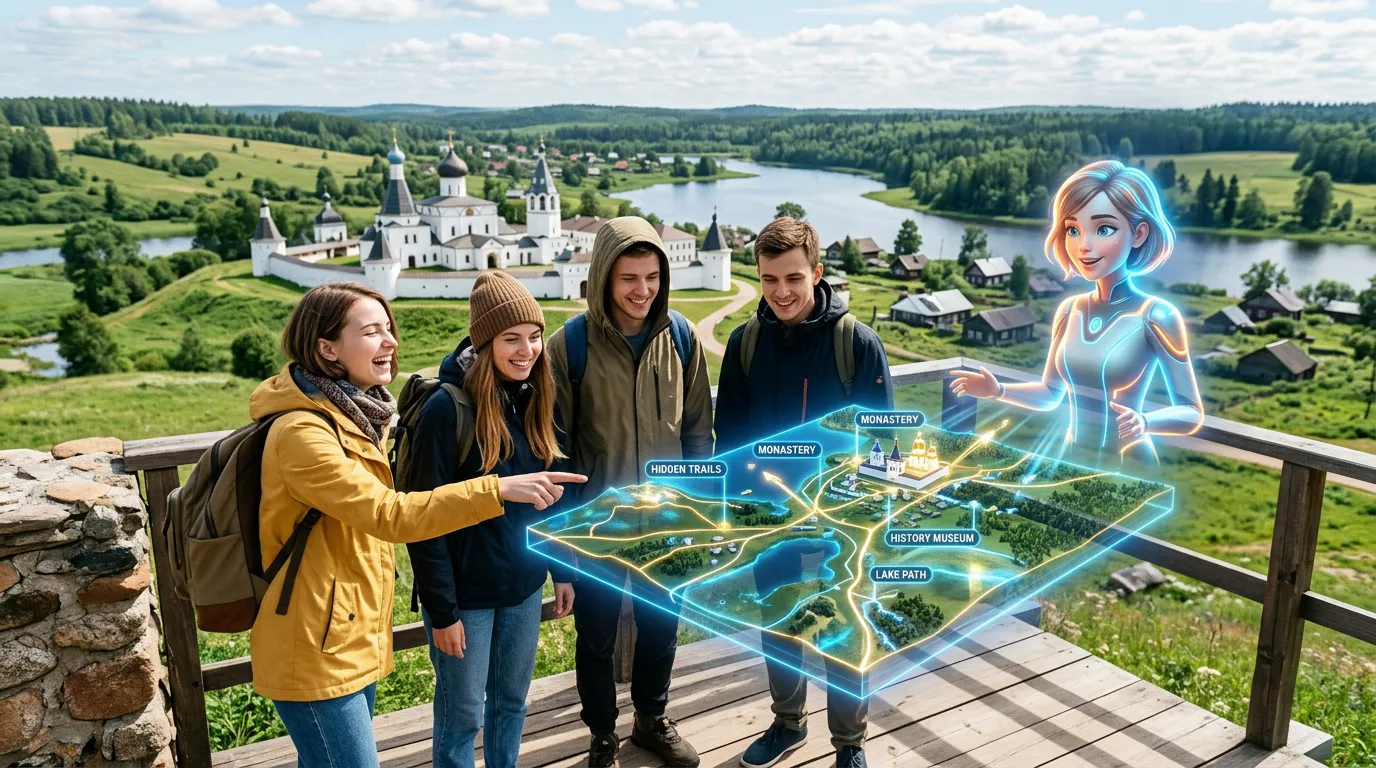
A new trend is emerging in Russia: regions are beginning to compete for tourists through digital personas, generative AI and interactive services. For Vologda, this is a way to repackage its traditional cultural capital – lacework, butter, Ferapontovo, river culture and local history – into formats designed for digital audiences.
Experts say more regional AI ambassadors are likely to appear soon. Museums, hotels, tourism clusters, regional governments and exhibition projects are all expected to launch their own versions. At first, many of these projects may look like experimental social media campaigns. Later, the most successful characters could evolve into chatbots, voice assistants and interactive digital guides. Demand for AI influencer platforms is expected to grow. For Russian IT companies, that creates a potentially lucrative niche at the intersection of generative AI, speech technology, video production and place branding.