

Voice AI Enters Public Utilities: Robot Zhenya Reshapes Communication With Millions of Residents
Residents of the Moscow region are increasingly relying on artificial intelligence to resolve housing and utility issues. The voice assistant Zhenya offers a broad range of services and has already processed more than half a million resident requests since the platform was launched.

The virtual assistant Zhenya entered pilot testing in November 2023, and on February 1, 2024, the AI system moved into full-scale 24/7 operation. Since then, it has processed more than 500,000 requests through the Moscow region’s public utilities hotline.
Residents can contact Zhenya by dialing 122 and selecting extension 4. The AI assistant handles a wide range of housing and utilities issues, including consultations on scheduled and emergency outages involving water, electricity, and heating systems. It also explains repair timelines, answers questions about property management companies, meter operations, and utility billing. The system includes a feedback loop as well – the robot independently calls residents back to confirm whether a problem has been resolved.
Zhenya independently creates requests for the Unified Dispatch Service, with more than 256,000 submissions generated during its operation so far. The AI assistant has also made more than 405,000 outbound calls, proactively informing residents about emergency outages and collecting feedback. Meanwhile, if a request falls outside the system’s capabilities, the caller is automatically transferred to a live operator. In practice, the Moscow region has become one of the first regions in Russia to fully integrate voice AI into government services across multiple operational levels.
From AI Dispatcher to Intelligent Urban Management
The next stage in Zhenya’s development could transform the voice assistant into a full-scale management tool for the Moscow region’s public utilities infrastructure. Data collected by the system could help identify addresses with recurring outages, forecast spikes in service requests, and deliver analytics to the state housing inspectorate and specialized departments within the regional government.
The rollout of AI technologies across public infrastructure is becoming a core component of the federal Smart City project run by Russia’s Ministry of Construction. The initiative operates within the national Housing and Urban Environment project and the Tsifrovaya ekonomika (Digital Economy) national program.
Solutions refined under complex Russian operating conditions could also attract interest from partner countries. The focus is not on exporting the specific “robot Zhenya” brand, but rather the underlying technological model itself. That approach aligns with federal Ministry of Construction plans to export smart city technologies that have already drawn attention from international customers.

From Svetlana to Galina
The Moscow region is emerging as one of Russia’s leading adopters of AI systems and voice assistants in the housing and utilities sector.
In 2020, the region launched the robot Svetlana, designed to process healthcare-related requests. The system can arrange doctor appointments, help residents schedule home visits, invite patients for preventive medical checkups, remind them about prescription renewals, and handle a range of related services.
In autumn 2024, the Stroyotkhody robot was launched to help residents submit requests for construction waste removal. Then, in April 2025, the Vita voice assistant began handling requests related to stray animal capture, veterinary appointments, and several other public services.
In 2026, the Galina robot started assisting residents who call multifunctional public service centers, known as MFTs. Through the system, residents can check office hours, schedule appointments, and track the status of submitted applications.
The Moscow region has effectively created an entire ecosystem of voice assistants, and that experience could later be adapted by other Russian regions.
AI Becomes a New Interface for Public Utilities
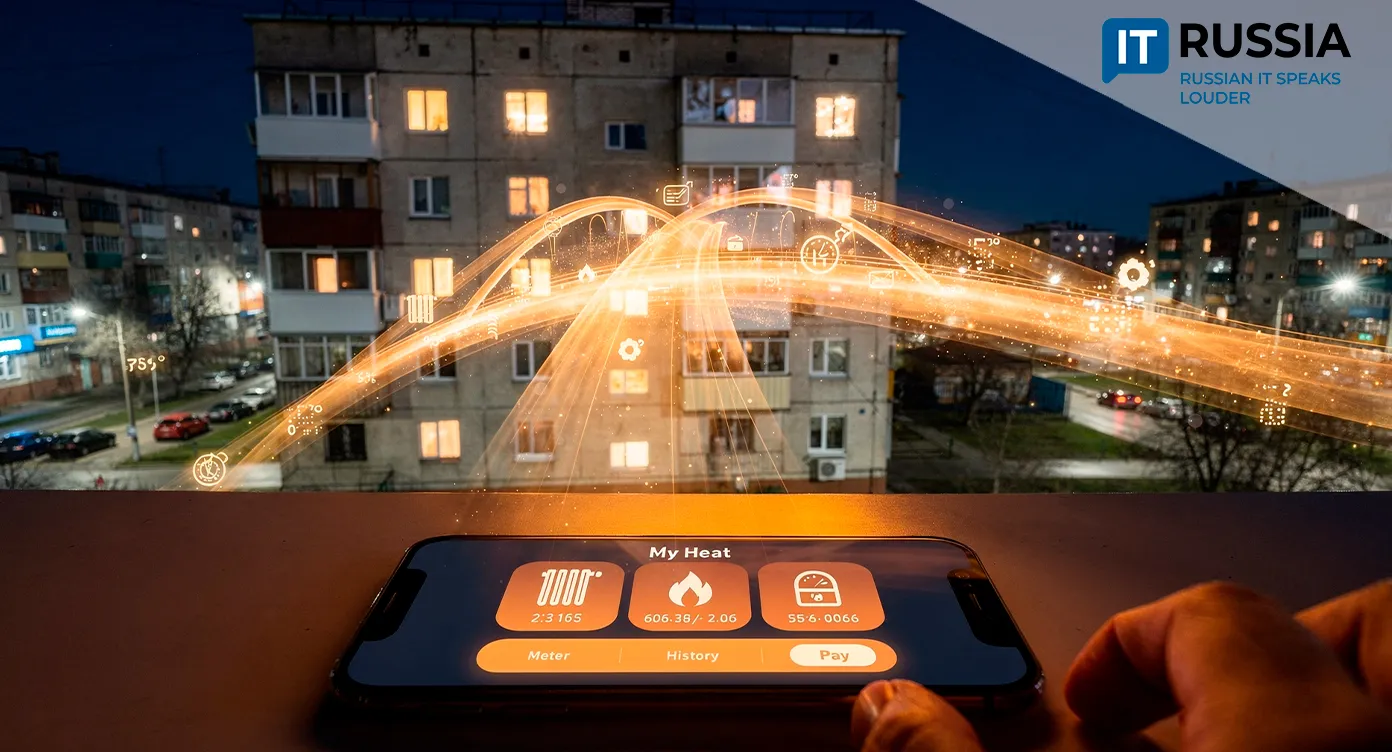
The example of the Moscow region’s Zhenya voice assistant shows how digitalization in the housing and utilities sector has moved beyond isolated pilot projects and entered the stage of mass deployment over the past few years.
At the same time, voice assistants accelerate and streamline communication processes but do not replace the physical work required to repair utility infrastructure or eliminate break-downs. Even so, AI is becoming a practical interface linking residents, utility providers, property management companies, and government oversight agencies.