From Hip to Knee: 3D-Printed Bones Become a Practical Tool for Russian Trauma Surgeons
The use of 3D printing in Russian orthopedics is expanding. In Surgut, surgeons implanted a 3D-printed tibial implant for the first time, helping a patient return to normal life after a foreign-made prosthesis failed.
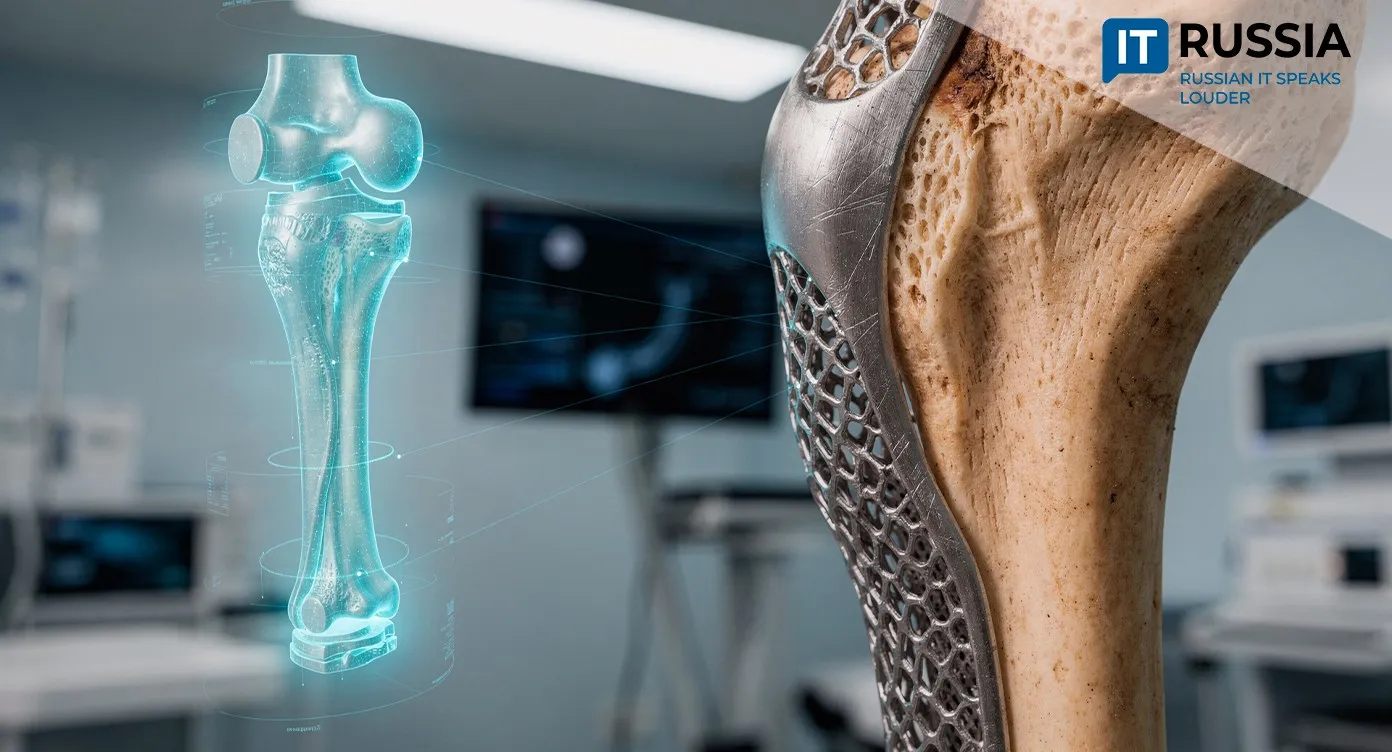
A unique procedure was performed at Trauma Department No. 4 of the Surgut hospital system. Surgeons implanted a 3D-printed tibial implant in a patient whose shinbone had been severely damaged. Using computed tomography data, specialists created an exact replica of the missing bone fragment. The woman had previously relied on a foreign-made prosthesis implanted abroad eight years earlier, but the device had worn out and triggered inflammation. Doctors removed the failed implant, carried out surgical debridement and then replaced the bone defect with a modern printed implant. The operation was successful, the patient has been discharged and is returning to an active lifestyle.
Why It Matters for Patients
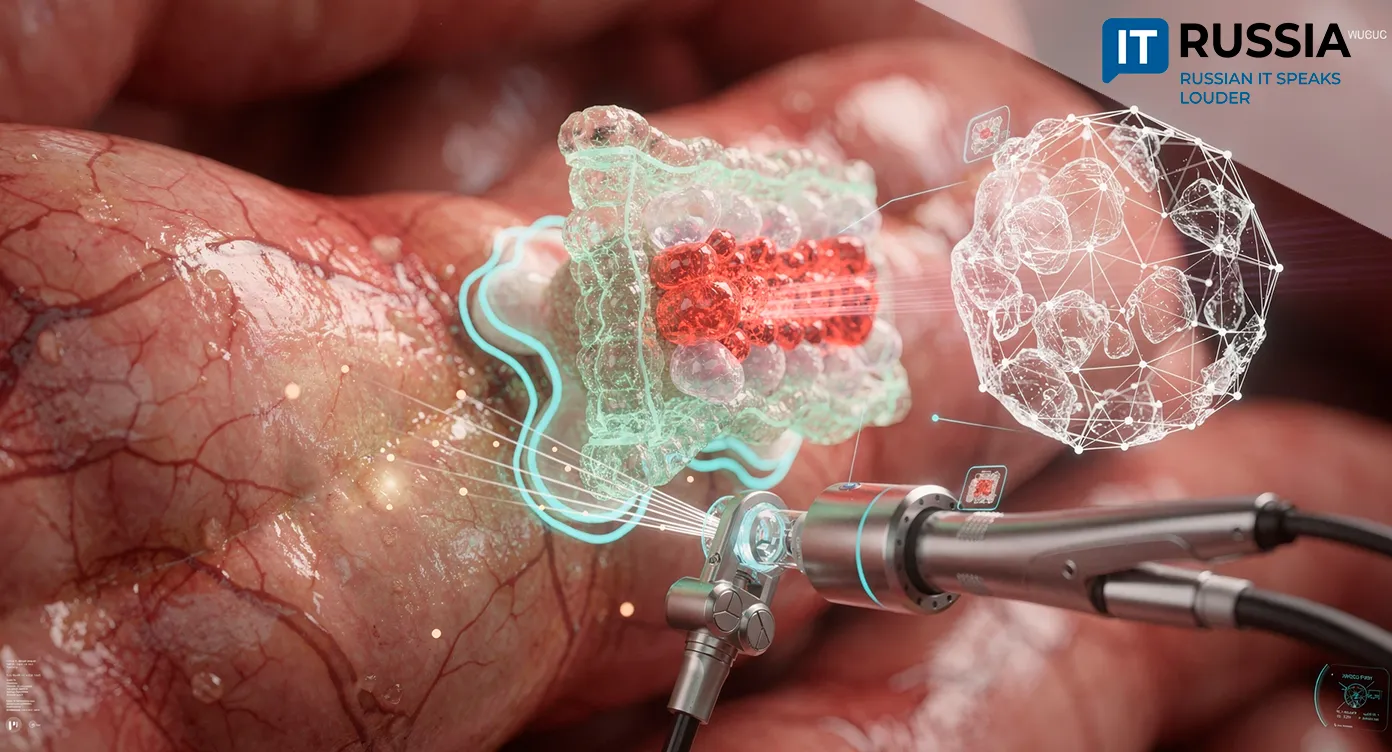
The key advantage of 3D printing is anatomical precision. Such implants replicate the shape and structure of an individual patient’s bone with high accuracy. For surgeons, that means greater predictability because they are no longer working with a compromise device that must be manually adjusted to avoid discomfort. Instead, they can implant a structure designed to fit the damaged area precisely. For patients, the result is lower procedural risk, faster recovery and a greater chance of returning to normal life without additional surgeries.
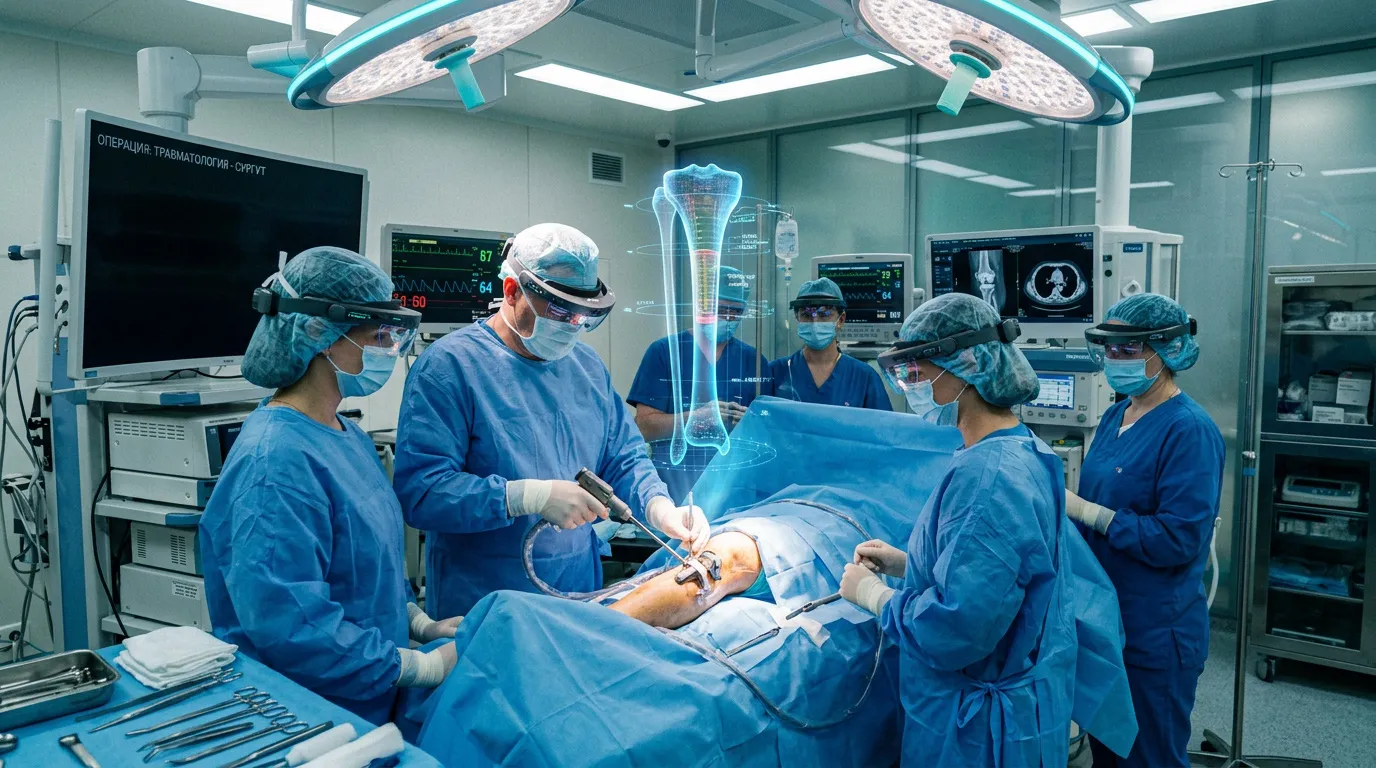
No Longer an Isolated Case
The Surgut operation is important primarily as a successful regional example. For Russia overall, however, it is far from the first or only case.
Back in 2023, physicians in the Tyumen region implanted a custom 3D implant in a patient who had lost the ability to walk because standard prosthetic devices were unsuitable. In September of that same year, a clinic in Tyumen implanted a joint printed on a 3D printer in Moscow into another patient.
In 2024, surgeons in Surgut used a printed pelvic implant for the first time. Specialists created an exact replica of the damaged fragment using CT imaging, while the implant itself was manufactured by experts in Novosibirsk.
In 2025, Russian clinicians introduced a method for implanting titanium 3D implants in patients with complex pelvic fractures. The Russian Children’s Clinical Hospital also reported introducing 3D printing technologies into neurosurgery. For pediatric patients, healthtech engineers now create precise models of defects in advance and prepare titanium implants before surgery begins.
Researchers at Tomsk Polytechnic University have gone even further by developing bioresorbable 3D implants designed to be gradually replaced by the patient’s own tissue over time. The approach is being used for defects in tubular and flat bones, as well as for reconstruction of jaw and skeletal deformities.

Benefits for Russia and Global Healthcare
For Russia, these developments mean reduced dependence on foreign medical supplies in critical areas such as traumatology and orthopedics. Customized implants no longer need to be imported from Europe or the United States because they can be produced domestically for a specific patient. That shortens preparation time before surgery and lowers logistics-related risks.
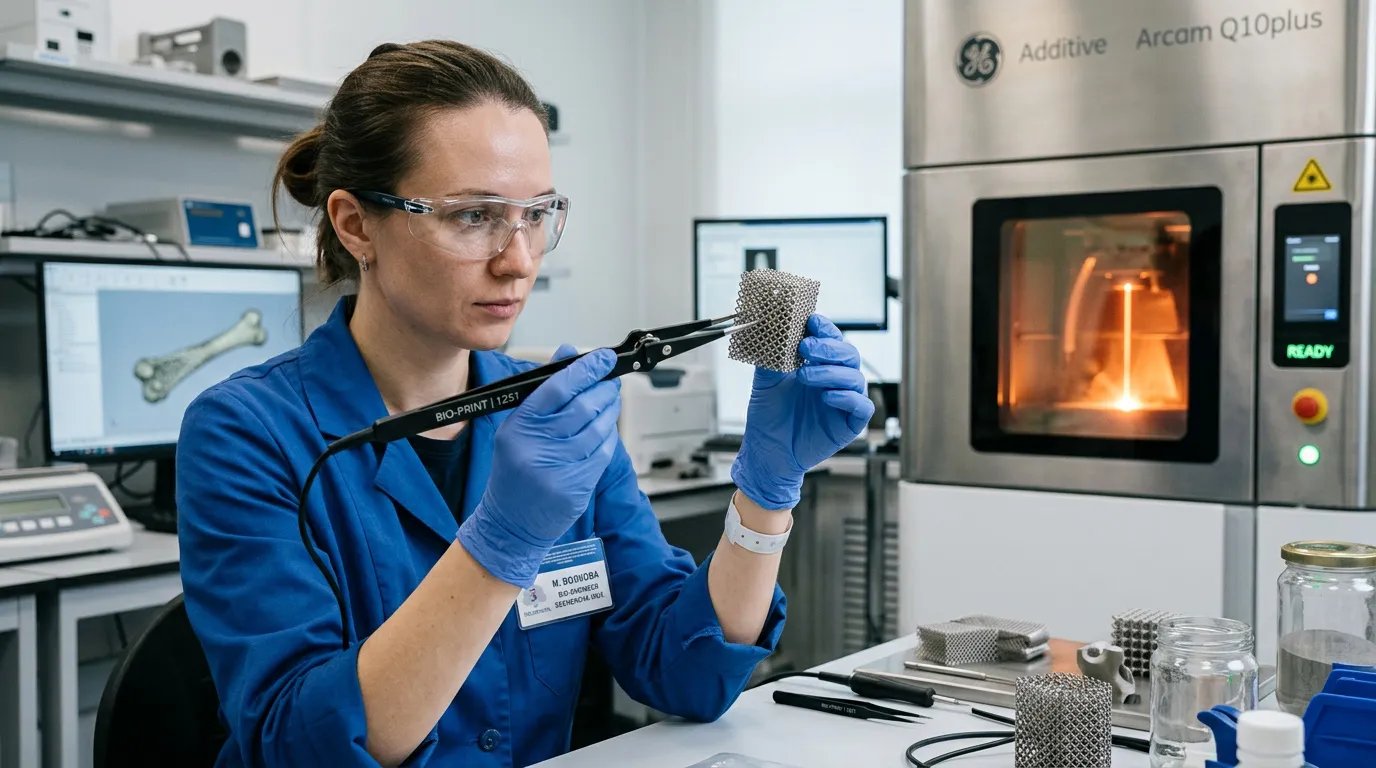
Export opportunities involve a different model. A 3D-printed implant cannot simply be packaged and shipped in bulk because every device is patient-specific. The export potential instead lies in the technology and clinical expertise itself. The ability to use CT data to build a digital model, print implants from biocompatible alloys, perform the surgery and support the patient through recovery is precisely the type of medical capability Russia could offer internationally.
What Comes Next
The Surgut operation demonstrates how 3D printing in Russian medicine is moving beyond experimental status and becoming a practical tool for regional surgery programs. Importantly, this is not about a futuristic bone that is simply removed from a printer and implanted into the body. It is a complex digital workflow that combines medicine, IT, engineering design and manufacturing technologies into a unified system. That integration is what produces successful outcomes and helps patients avoid disability.
The number of such operations in Russia is expected to increase over the coming years, particularly at major regional hospitals and federal medical centers. Meanwhile, 3D printing itself is likely to expand beyond implants into surgical templates, precise bone models and preoperative planning tools.