AI to Support Air Traffic Recovery After Disruptions
Almaz-Antey is developing a neural network-based system intended to help restore air traffic flows more quickly following large-scale disruptions.
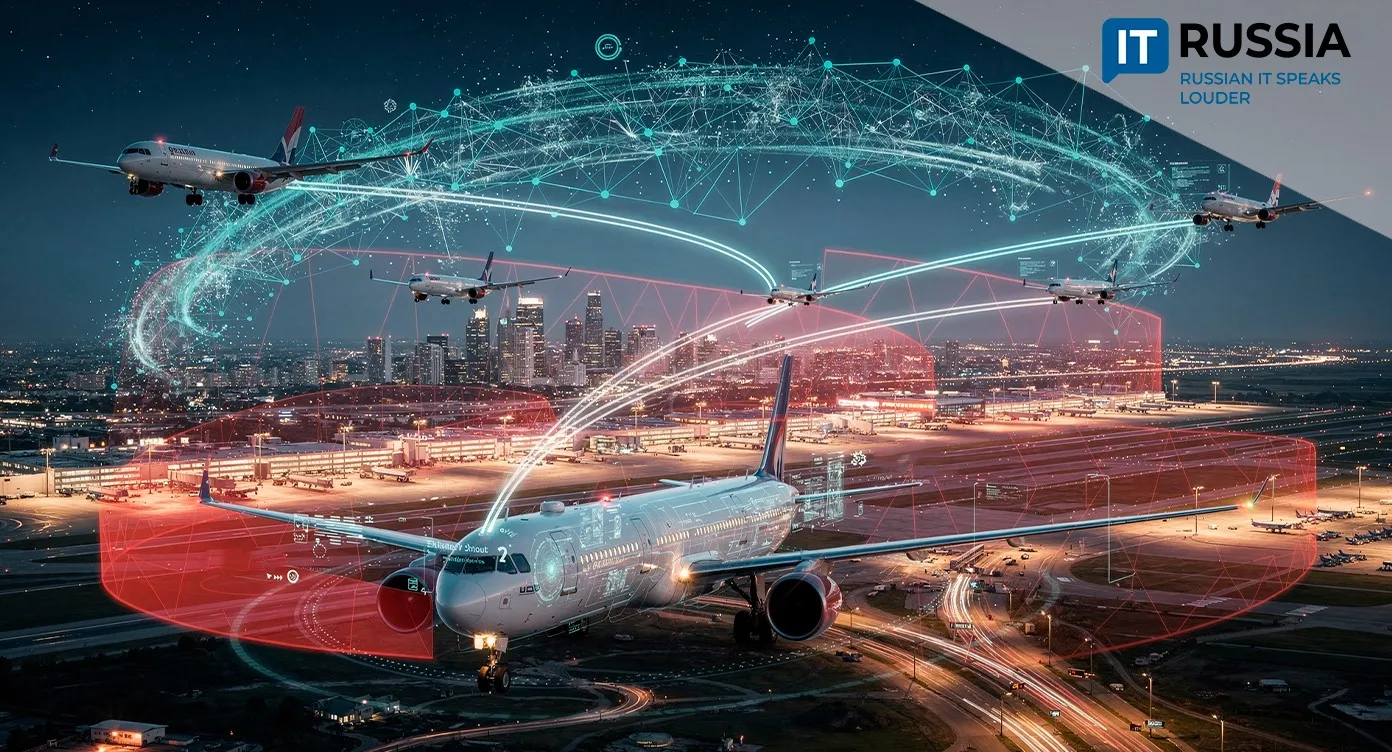
Almaz-Antey is testing the use of neural networks to support decision-making in air traffic flow management. The technology has already undergone trials using real-world traffic models in the Moscow zone of the Unified Air Traffic Management System, and the results confirmed its potential.
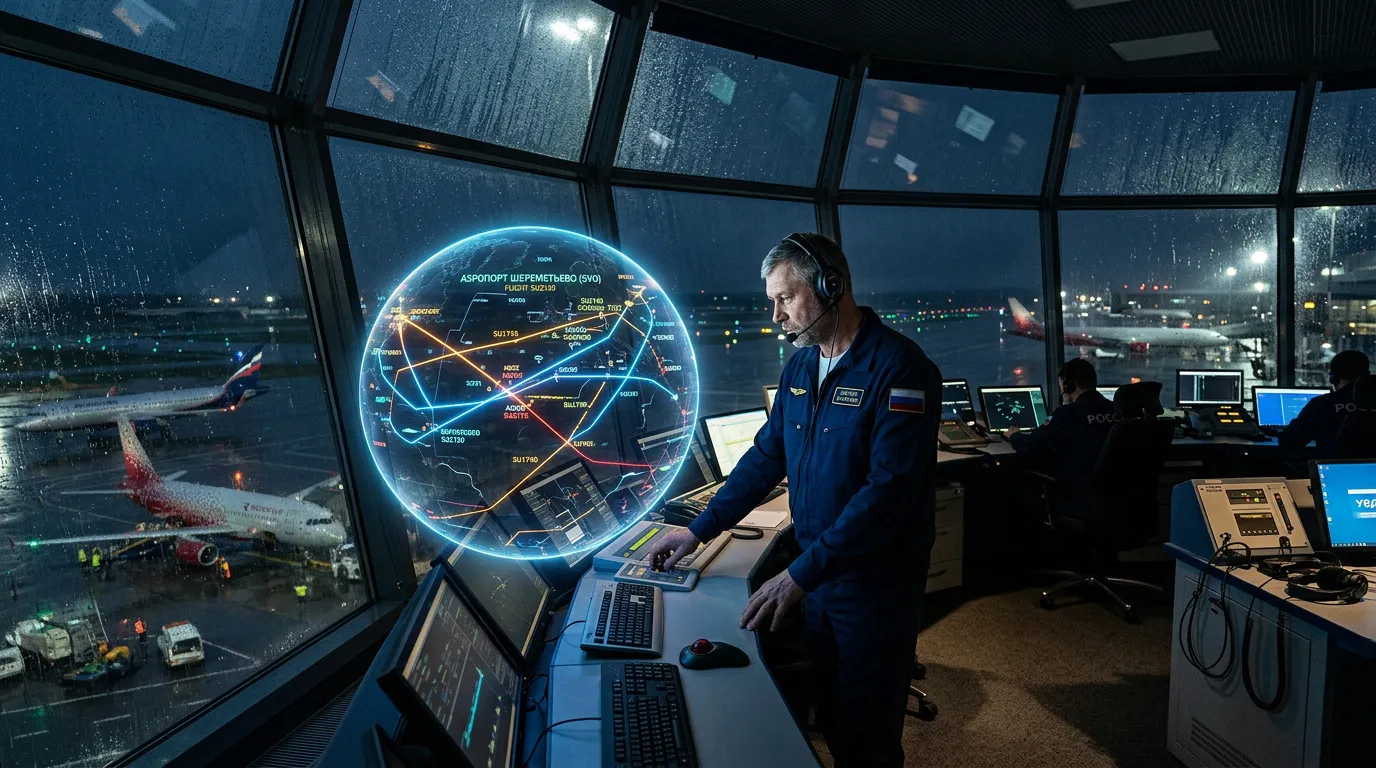
The system is designed to minimize cascading delays following airport closures by simultaneously analyzing multiple parameters, including sector capacity, airfield availability, weather conditions and restricted airspace. Based on those inputs, it can propose optimized recovery scenarios for controllers seeking to restore schedules.
The significance of the project lies in the fact that AI is being introduced not into a consumer-facing service, but into critical infrastructure. For civil aviation, the technology could improve resilience during crisis situations such as severe weather disruptions, UAV attacks and airport congestion. In the longer term, passengers could see fewer delays and more stable schedules.

From Simulation to Operational Use
During the initial phase, the technology will undergo trial operations at the country’s largest and busiest air traffic hubs. The next stage will involve integration with automated air traffic management systems and cyber-protection tools because infrastructure security cannot be ensured without both elements operating together.
Over the long term, the AI platform is expected to become an intelligent decision-support layer for controllers. It will propose options for restoring traffic flows, while final authority will remain with human operators. The development also aligns with Russia’s broader transport digitalization strategy. The Ministry of Transport is advancing its Tsifrovaya transformatsiya transportnogo kompleksa (Digital Transformation of the Transport Complex initiative) and maintains registries of AI technologies used across the transport sector.
Export prospects remain limited because of intense competition and sanctions pressure, but the system could still find opportunities as part of integrated air traffic management solutions in countries already operating Russian aviation infrastructure. Potential interest could come from Kazakhstan, Belarus, Egypt and several Asian and African states, particularly where affordability, operational autonomy and reduced dependence on Western suppliers are key priorities.
The Path Toward Intelligent Air Traffic Management
The current project is not a sudden initiative, but rather a continuation of Almaz-Antey’s long-term strategy aimed at introducing intelligent technologies into air traffic management systems. Back in 2021, the company announced plans to develop AI-based controller training simulators and automation tools for air traffic management systems.
Key milestones over recent years include completion in 2022 of a large-scale consolidation project involving Unified Air Traffic Management System centers, with the program valued at 100 billion rubles (approximately $1.3 billion). Other projects include creation in 2025 of a unified digital platform for unmanned aircraft management valued at 862 million rubles (about $11 million), major infrastructure procurement contracts for UAV systems and Unified Air Traffic Management System facilities in 2025 worth more than 10 billion rubles (roughly $127 million), development in 2026 of a multifunctional information security complex for the Unified Air Traffic Management System and deployment in April 2026 of swarm AI technologies in airport infrastructure, including autonomous baggage tractors at St Petersburg’s Pulkovo airport.
These steps created the foundation for the new AI system. Airspace management is becoming increasingly digital and data-intensive, while cybersecurity requirements are growing more critical.
The Future of AI in Air Traffic Management
Over the next several years, the technology is expected to evolve primarily as a decision-support tool rather than a fully autonomous management platform. That trajectory is unsurprising because certification requirements, algorithm explainability, data quality, integration with existing systems and controller trust all require careful development work.
If successfully deployed, Almaz-Antey’s project could become one of Russia’s most notable examples of AI adoption in critical transport infrastructure. Beyond demonstrating the country’s technological capabilities, the system addresses a practical aviation challenge: how to restore normal flight schedules quickly and safely after major disruptions.
The central challenge now is moving from research and pilot projects to full-scale operational deployment while preserving system reliability and safety. If that transition succeeds, Russian air traffic management could become significantly more intelligent and resilient.