

Russian AI Assistant for Doctors Cuts Hours Spent Searching Medical Documents
In Russia, programmers and physicians have joined forces to save doctors hours of work. The result is a tool that understands natural language, searches clinical-guideline databases on its own, and delivers structured answers. Here is how it works.

Programmers from the Faculty of Business Communications and Informatics at Irkutsk State University, together with clinicians from Irkutsk State Medical University, developed an intelligent service called Medikon. At its core is an agent-based RAG system. In practice, that means the AI does not generate answers from scratch. Instead, it searches verified databases for relevant fragments and assembles them into a coherent, structured response.
A Practical Clinical Tool
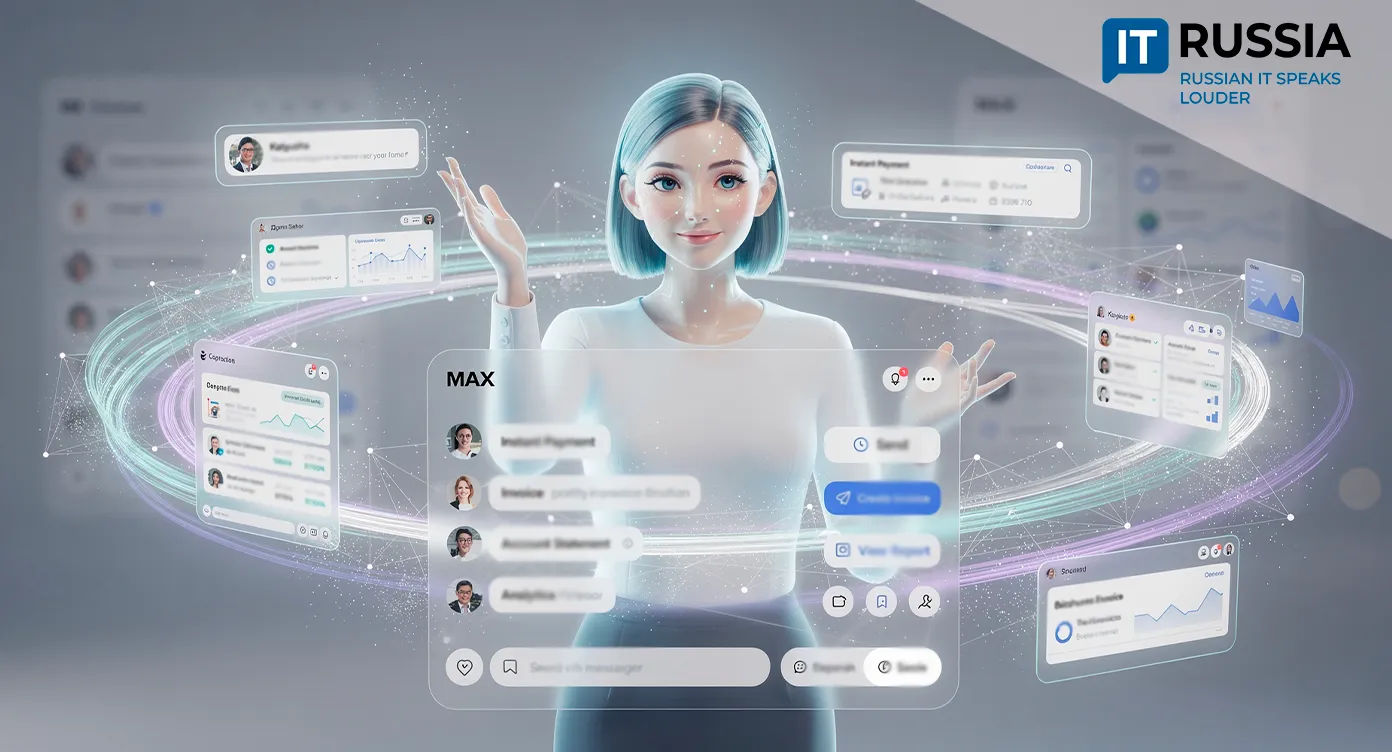
A physician submits a request in free-form language, much like using a standard chat interface. The system interprets the clinical context, identifies the relevant sections within current medical guidelines, and returns a curated set of data. In effect, Medikon takes over the routine search process, leaving doctors to focus on what matters most – analysis and decision-making.
The project has already moved beyond the laboratory prototype stage. It won first place at the nationwide young scientists conference Baikalskiye chteniya (“Baikal Readings”) and was presented at the international artificial intelligence mathematics conference MATHAI in Sirius. Interest from the professional community suggests the Russian-developed system addresses a major pain point in modern healthcare.

Benefits for Physicians and Patients
Every practicing physician faces an overwhelming flow of clinical information on a daily basis. Guidelines are constantly updated, the number of studies continues to grow, yet doctors do not gain more time to analyze them while patient volumes keep increasing. Medikon compresses hours of searching into minutes without sacrificing the depth or completeness of the response. The system focuses on the sections directly relevant to the query and filters out unnecessary information.
For patients, that translates into faster and more accurate clinical decisions. When physicians rely on up-to-date treatment protocols instead of spending time on technical routine, the quality of care improves. The risk of overlooking an important document or outdated recommendation also falls, especially in critical situations where time is limited.
For the healthcare system itself, Medikon functions as a smart support layer that can be integrated relatively easily into the everyday workflows of clinics and diagnostic centers.
Competing With Global Counterparts
Globally, the healthcare sector is now competing to define standards for AI adoption in medicine. Solutions capable of operating in Russian while relying on local clinical protocols remain relatively uncommon. Medikon occupies that niche. The platform demonstrates that Russian developers can build systems able to compete with global counterparts on equal footing and, in some cases, outperform them when national healthcare specifics are taken into account.
Presenting the project at MATHAI in Sirius already represents an important working connection with the international scientific community. Events like these help establish dialogue with developers from other countries, compare approaches, and potentially scale successful models across borders.
Export Opportunities
The potential reach of Medikon is broader than it may initially appear. Every national healthcare system faces the same challenge: physicians overloaded with information flows. As a result, any country implementing digital clinical guidelines will need tools that help clinicians work with them quickly and accurately.
The AI service developed in Irkutsk has an important advantage: it is not rigidly tied to a single knowledge base. Its architecture can be adapted to other protocols, languages, and regulatory frameworks – a direct path toward export potential.
The first step has already been taken through cooperation with regional medical organizations in Russia. The next stage could involve the Eurasian Economic Union, BRICS countries, and other states building or modernizing physician decision-support systems. Medikon has the potential to become part of the global clinical AI market, reaching millions of healthcare professionals and hundreds of millions of patients worldwide.

Where the Project Is Heading
At present, the team of young developers is focused on expanding data sources and improving the precision of the system’s responses. The next steps include integration with electronic health records, support for more complex multi-component queries, and deployment in the real clinical practice of multiple healthcare institutions.
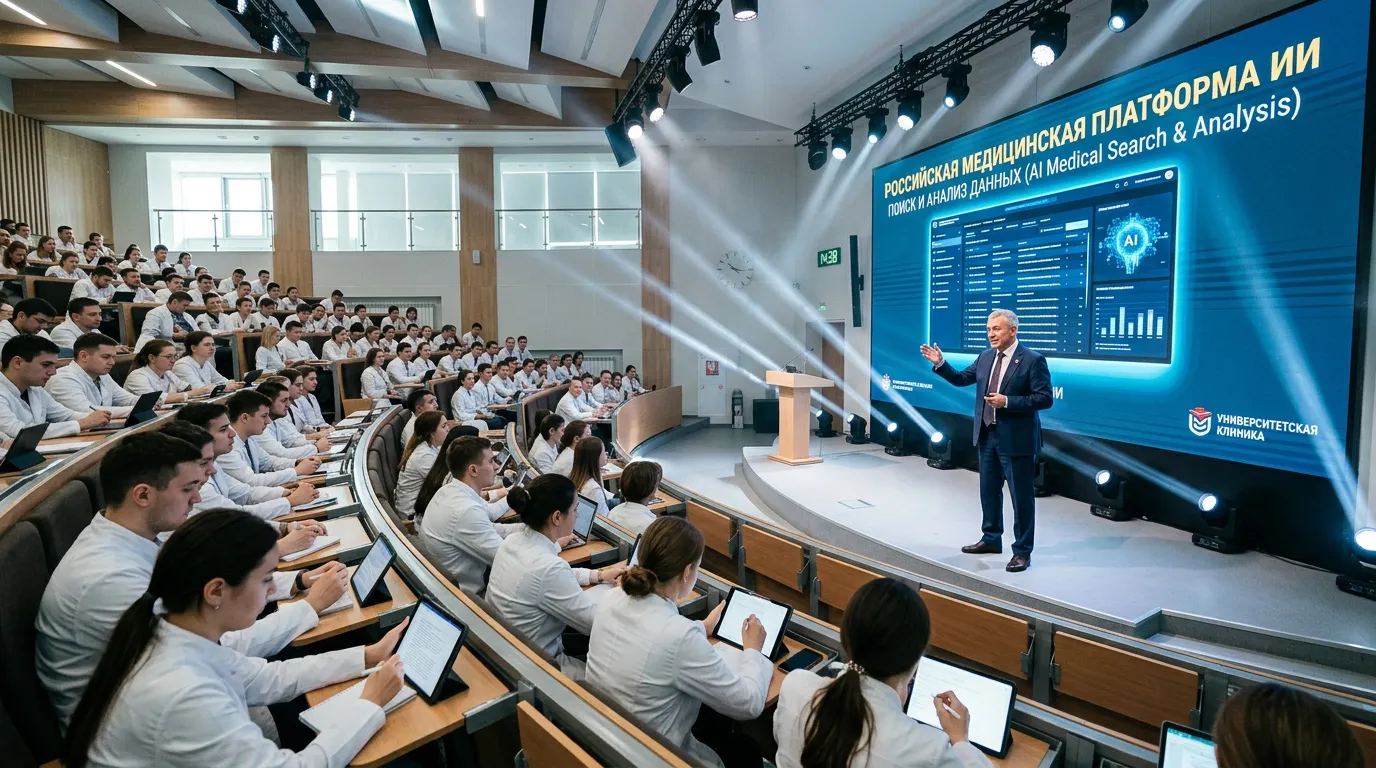
At the same time, programmers and physicians are building an educational ecosystem around the project. The platform is already being demonstrated to students and early-career specialists. Collaborations like the one between ISU and ISMU are increasingly becoming a model for other Russian regions.