AI Against Cancer: Russian Database Is Reshaping the Rules of Drug Development
Russian researchers have created a specialized database and machine learning models built on top of it that could streamline and accelerate the development of new anticancer drugs.
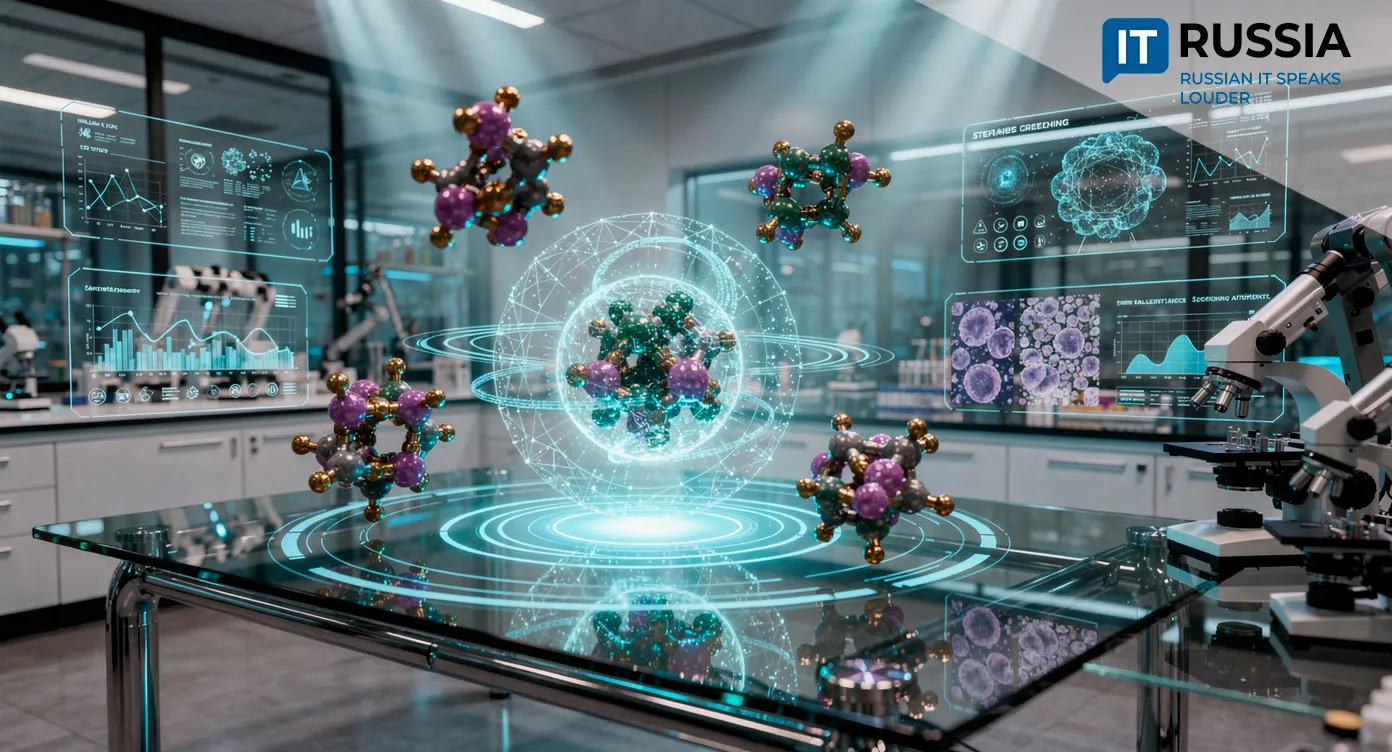
Researchers from the N.S. Kurnakov Institute of General and Inorganic Chemistry of the Russian Academy of Sciences and Lomonosov Moscow State University have developed a unique database called MetalCytoToxDB, which contains more than 26,500 IC₅₀ values measuring the anticancer activity of 7,050 complexes based on five transition metals. Antitumor agents built around ruthenium, iridium, rhodium, rhenium and osmium are already widely used in cancer treatment. Until now, however, researchers faced a major obstacle: despite the huge volume of accumulated experimental data, nobody had attempted to consolidate it into a unified database. Even widely used platforms such as ChEMBL contain very limited information of this type.
That became a significant bottleneck as machine learning methods and AI tools increasingly moved into pharmaceutical research. MetalCytoToxDB is designed to address that problem. The Moscow-based chemistry teams manually reviewed more than 1,900 peer-reviewed scientific papers and systematized the published data. In effect, machine learning models trained on MetalCytoToxDB data predicted the anticancer activity of new compounds twice as effectively as random screening approaches.
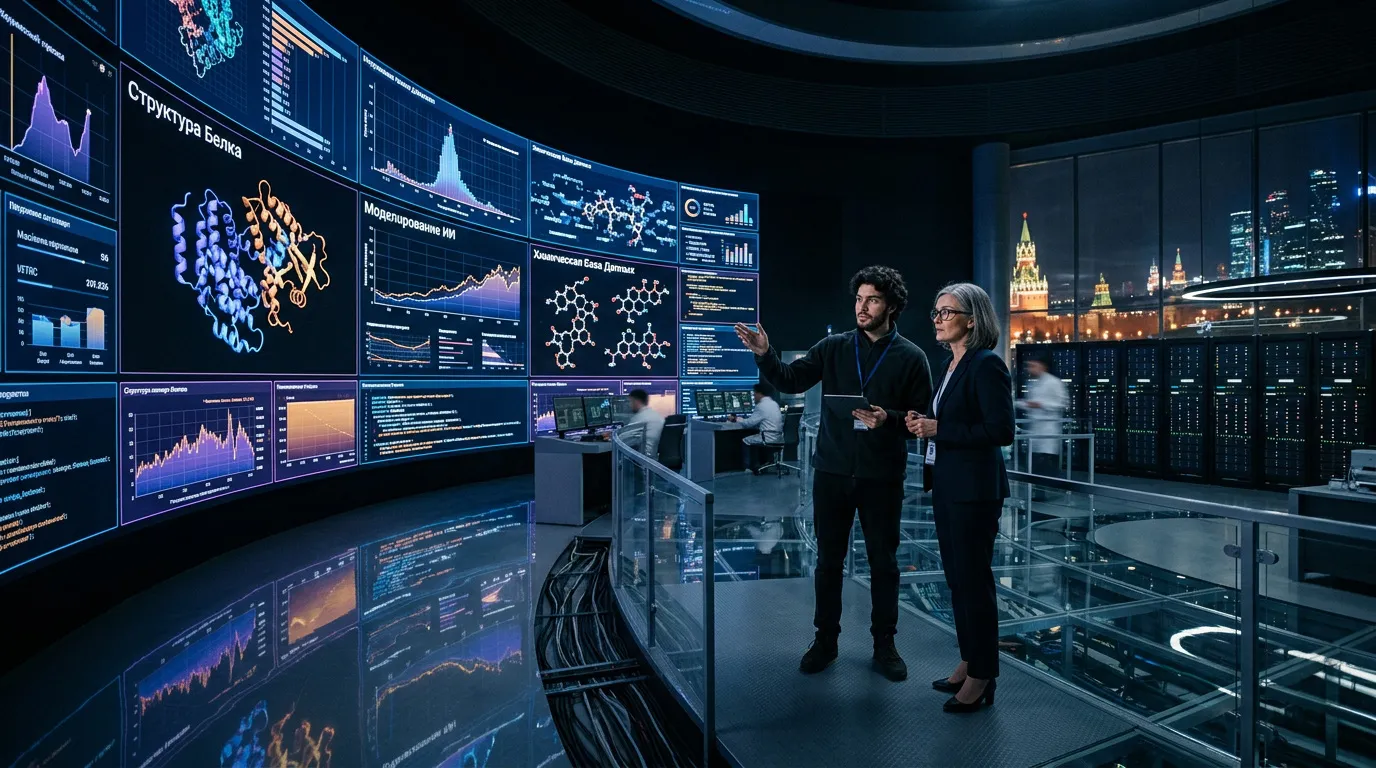
Virtual Screening and Faster Drug Discovery
According to the developers, the database and its models still have several limitations. Most notably, they cannot yet reliably predict the selectivity index - a parameter showing whether a compound is toxic specifically to cancer cells rather than healthy tissue. Researchers say solving that issue is now one of their immediate priorities.
Even so, the MetalCytoToxDB-based research approach already opens up major opportunities for drug discovery. Instead of synthesizing and testing hundreds or thousands of compounds almost blindly, laboratories can now conduct preliminary searches for the most promising candidates using machine analysis and AI tools.
The database could also be integrated into other Russian AI platforms already used by research laboratories and pharmaceutical companies. The work by the Moscow researchers is expected to strengthen Russia’s research infrastructure for oncology-focused pharmacology and drug development.
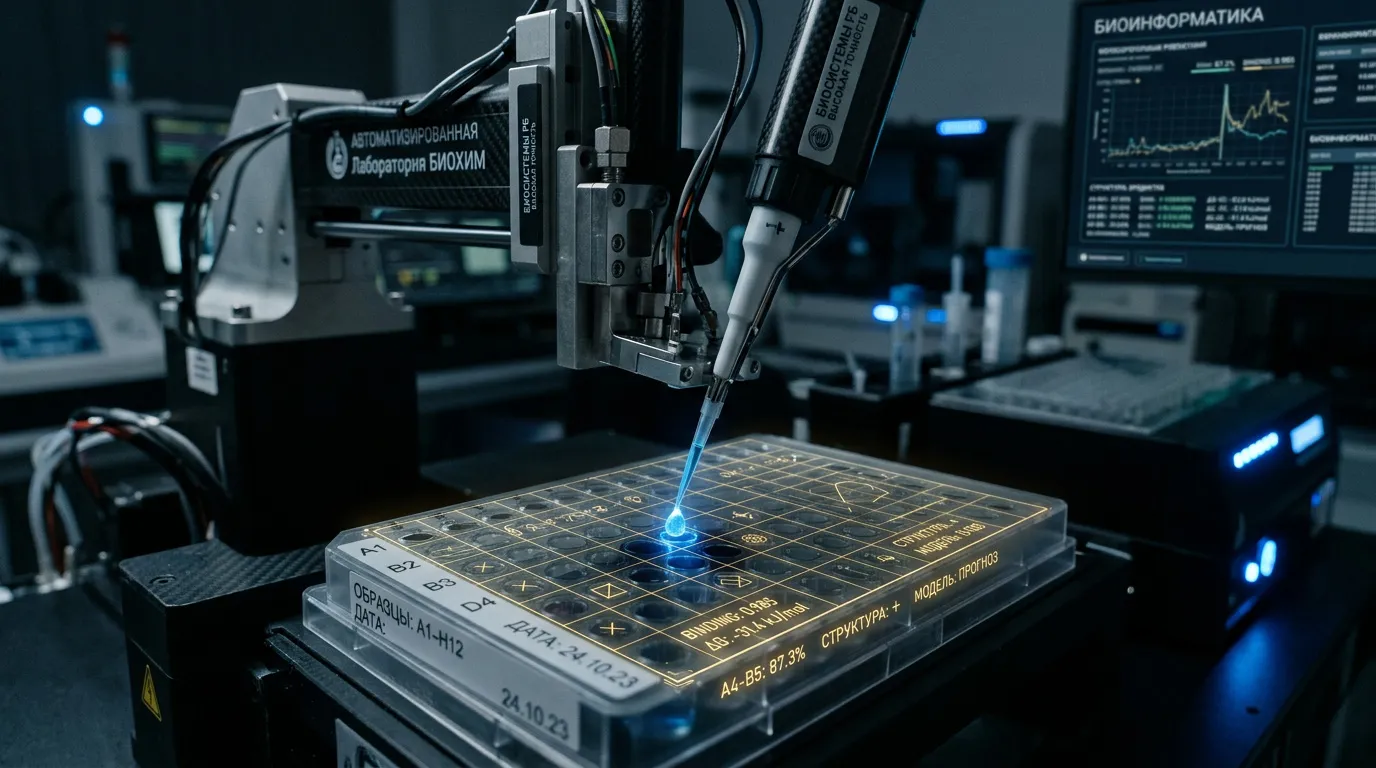
AI Is Already Reshaping Drug Development
The project closely follows a broader trend of applying machine learning and AI to anticancer drug discovery, including research into new rare-earth metal complexes used in oncology pharmacology.
In 2024, for example, a consortium that included R-Pharm, Sber and AIRI used AI algorithms while developing one of its cancer treatment candidates. According to the developers, the approach reduced the time needed for preliminary research from three years to one.
In 2025, experts from Innopolis University and the Dukhov All-Russian Research Institute of Automatics announced the creation of Russia’s first full-cycle AI platform for generating new drug compounds and optimizing the characteristics of existing pharmaceuticals.
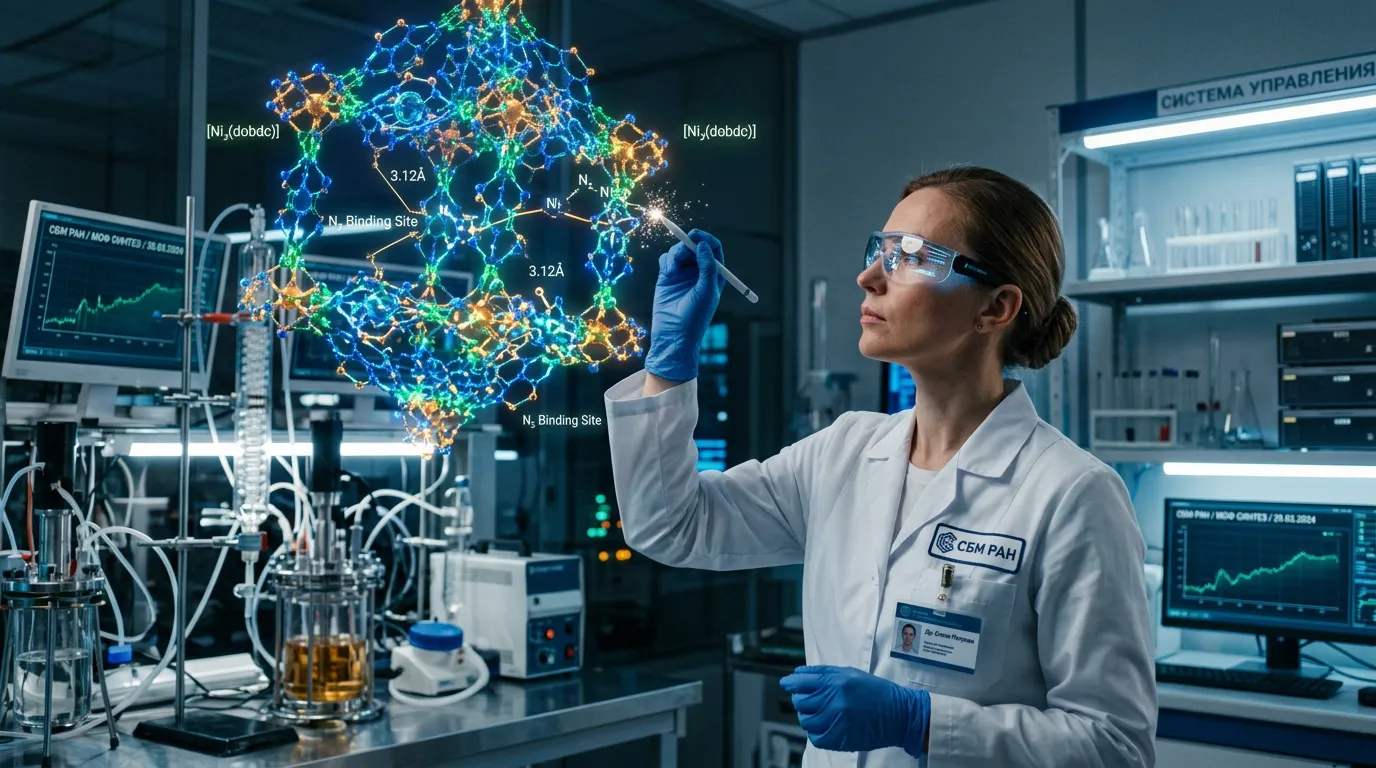
An Infrastructure Breakthrough Without Grandiose Promises
MetalCytoToxDB is not being presented as a miracle technology capable of curing cancer. Instead, it is positioned as an infrastructure platform that could support the creation of more effective drugs in the future. The project’s main achievement is bringing fragmented datasets together into a single AI-optimized database.
Over the next several years, the developers are expected not only to refine the database and address its current limitations, but also to continue expanding it with new data. After that, MetalCytoToxDB could become a standard tool for other research laboratories working on anticancer therapies.