AI in Utilities: Naberezhnye Chelny Is Changing the Game
Property management companies in Naberezhnye Chelny have begun widely deploying neural network technologies to communicate with residents. The mandatory use of the MAX messenger has encouraged utility providers to adopt chatbots and voice robots.
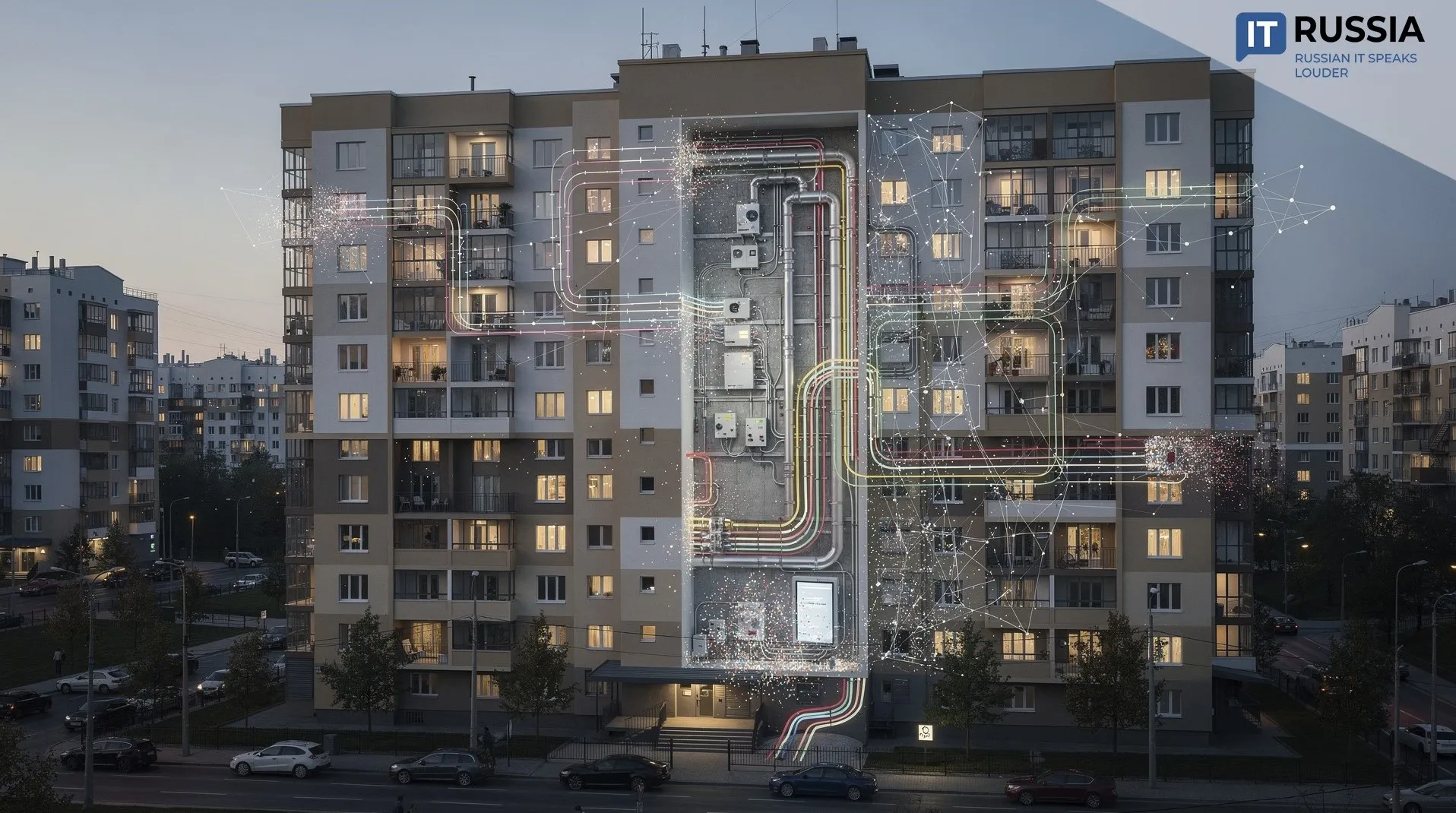
After house chats in the MAX messenger began to be used for communicating with residents, property management companies in Naberezhnye Chelny also began accepting service requests through the platform. However, utility providers soon faced a huge volume of messages on unrelated topics, and it was very difficult for live dispatchers to handle the flow. One of the first to use a chatbot to filter requests was DOMiKO, which automatically answers the most common questions, leaving operators to handle the most complex cases.
Stroim budushcheye company began using an AI voice assistant that recognizes speech and understands natural language at the start of 2026. The system is still being trained and is expected to reach its full form by summer 2027. It is designed to independently take meter readings and handles questions about scheduled outages and emergency situations. The experience of Russian companies in the housing and utilities sector shows that neural networks used in call centers can handle up to 90% of calls without operator involvement, while about 80% of customers remain satisfied with the answers.
The AI Market for Utilities Keeps Growing
According to representatives of Naberezhnye Chelny's property management companies, over the next two to three years they plan to make broader use of AI technologies to receive and process service requests handled by emergency dispatch teams. That is expected to improve service quality while also addressing staffing issues by reducing the need for operators.
In Russia’s housing and utilities sector, experts expect the next few years to bring a shift from conventional chatbots and voice assistants to comprehensive intelligent platforms. These systems will bring together residents’ requests, meter data, and information on outages and repairs. Applying predictive analytics to all this data will make it possible to move from reactive to proactive building maintenance.
All these steps will also drive the development of specialized IT companies, which will offer new tools to the housing and utilities sector. Large digital companies could also enter international markets with platform-based solutions that have been tested under demanding conditions in Russia.
From Chatbots to a Smart City
Moscow was an early leader in deploying intelligent voice assistants. In 2014, the city's unified contact center launched its first robot to advise residents on housing and utility issues. Then, in 2025, the Moscow Region completed the integration of the Zhenya voice assistant into its system for processing housing and utility service requests.
Meanwhile, efforts to digitize urban services were also being pursued at the federal level. In 2018, the Ministry of Construction launched the Ministry of Construction’s Umny gorod (Smart City) program. Starting in 2022, the program saw the active deployment of digital platforms for infrastructure management and the creation of feedback channels for residents, primarily using AI technologies.
Neural network-based chatbots and voice assistants for the housing and utilities sector have been rapidly deployed across many Russian regions in recent years. In Tatarstan, the Gosuslugi Respubliki Tatarstan (State Services of the Republic of Tatarstan) bot was launched in the MAX messenger in 2025, with some of its functions related to housing and utility services. The use of chatbots by Naberezhnye Chelny's property management companies is a direct result of the nationwide digitalization of the sector.
Balancing Efficiency and the Human Factor
The introduction of artificial intelligence technologies into Naberezhnye Chelny's utility sector is a clear sign of a broader shift in the industry. Digitalization is no longer limited to electronic payments or online service requests submitted through property management company websites or apps. Systems capable of conducting conversations with people on their own are becoming increasingly common. They remove emotional factors from interactions, make it possible to clearly record every stage of communication, and allow the request-handling process to be monitored.
At the same time, a robot does not replace a person. Instead, it makes communication with residents more efficient by taking on the most routine and standardized tasks. Operators handle the more complex cases. Everyone benefits from this combination, including both property management companies and their customers.