Tourist Assistant: Your Personal Travel Agent, Available 24/7
Neural networks are reshaping the travel industry. In Adygea, Kabardino-Balkaria, Karachay-Cherkessia, and Stavropol Territory, digital Tourist Assistants are already being used to help plan trips. These AI-powered guides identify travelers’ preferences and build personalized itineraries around them, including excursions, restaurant visits, and other activities.
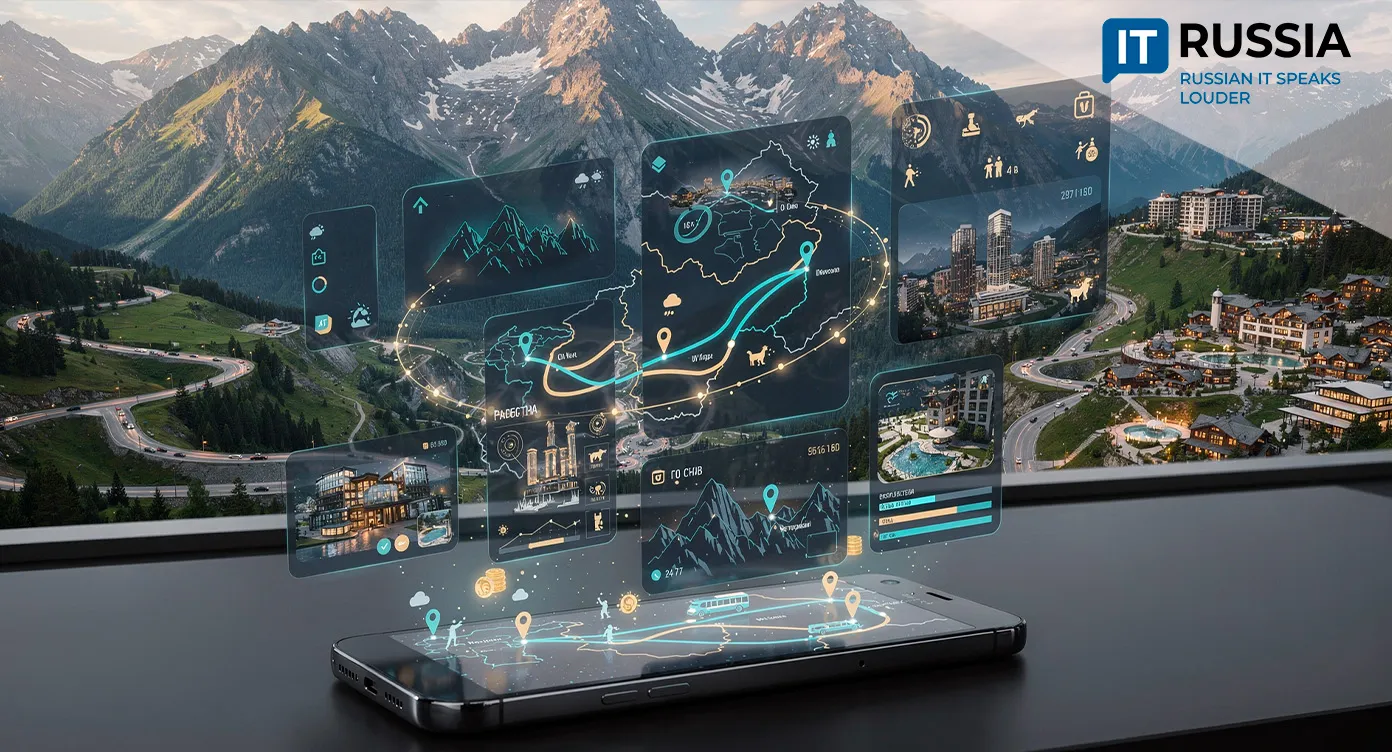
A year ago, Sber launched the conversational AI assistant Pomoshchnik turista (Tourist Assistant). Travelers no longer need to search separately across multiple platforms for routes, hotels, cafes, and attractions. The assistant handles those tasks automatically. Powered by the GigaChat neural network model, the tool is now used by travelers across Russia.
Over the past year, the service has become a popular travel-planning tool and demonstrated its practical value. Viktoria Garkina, Director of AI Transformation and Client Technology Development at Sber’s South-West Bank, noted that the service is especially popular among visitors to Adygea, Kabardino-Balkaria, Karachay-Cherkessia, and Stavropolsky Kray.
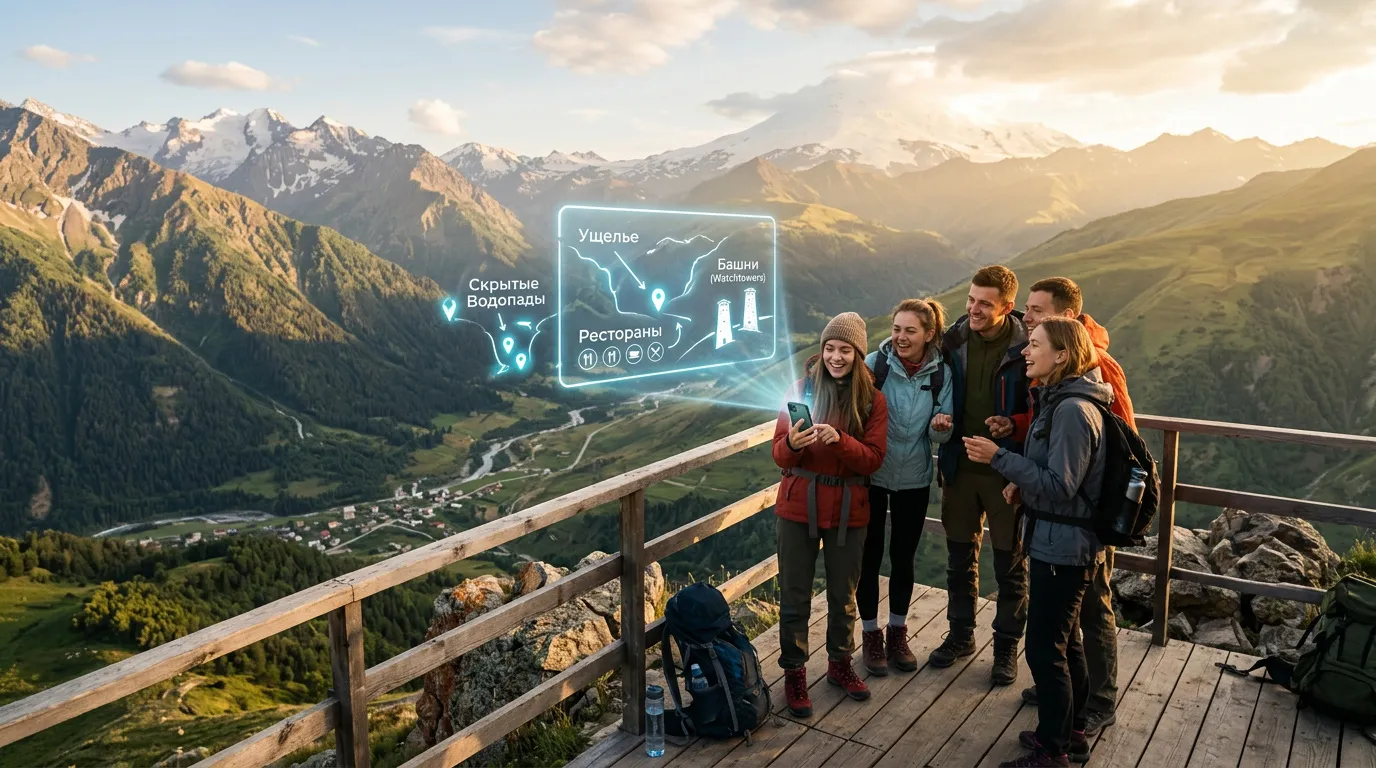
Why Does a Tourist Need a Neural Network?
Artificial intelligence can help select hotels, routes, and entertainment options, recommend places for dinner, suggest interesting locations on a map, and find excursions. The service is available directly through the GigaChat portal. If the AI assistant cannot solve a problem on its own, it can recommend where to seek further assistance.
Of course, travelers can do all of this themselves. The difference is time. A person may spend hours reviewing available options, while a machine can process vast amounts of information in minutes and deliver recommendations tailored specifically to the user rather than presenting an endless list of possibilities.
The algorithms analyze information about flights, hotels, attractions, weather conditions, and even user reviews, producing complete recommendations instead of collections of links. The AI assistant turns fragmented information into a coherent itinerary while accounting for logistics, scheduling constraints, and budget considerations.
Modern neural networks are capable of generating detailed plans for multi-day trips. The system considers distances between destinations, museum and restaurant opening hours, transportation schedules, and other variables to create an itinerary optimized for both time and cost.
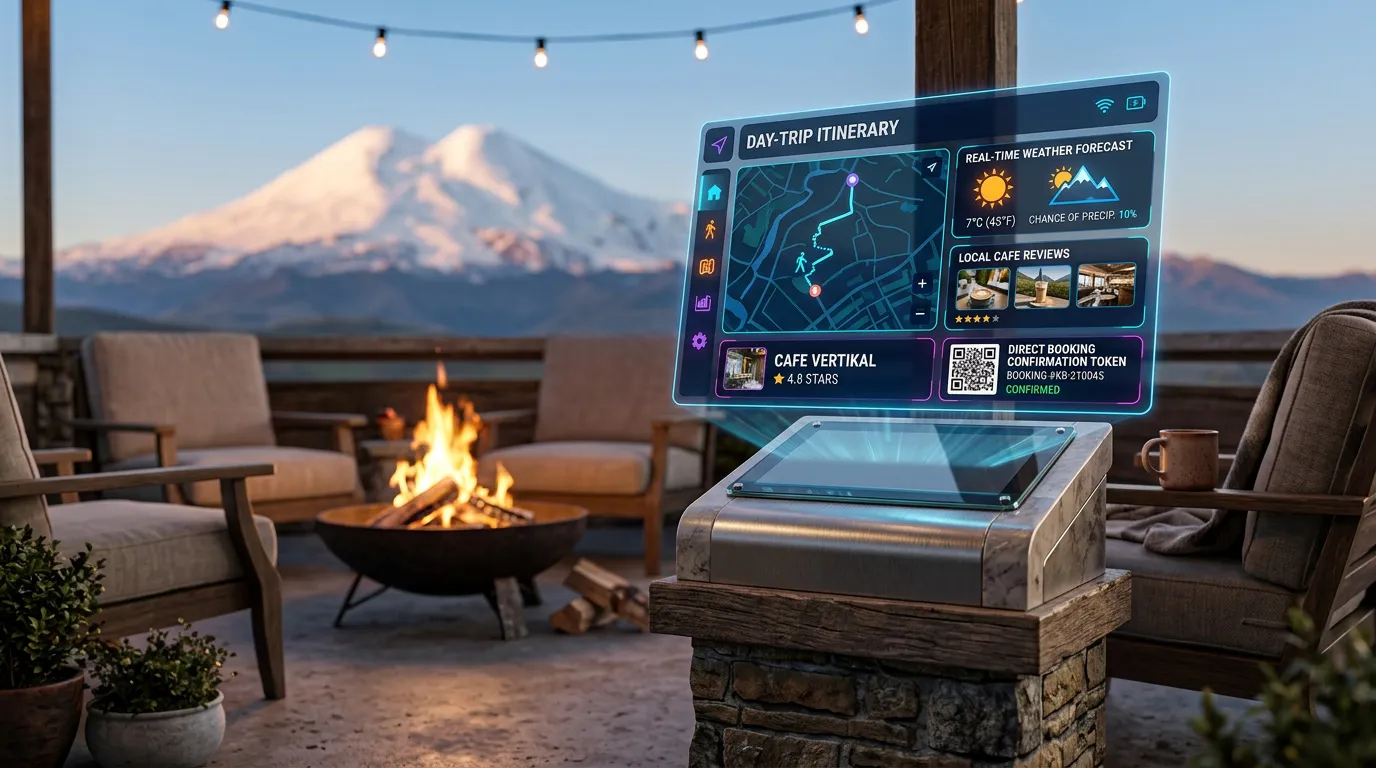
How Do You Get the Best Results?
Like any neural network, the system performs best when it has context.
“When you give AI context, you give it something to stand on. The more points of reference it has, the better the result will be,” says Kseniya Baranova, founder of the School of Neural Networks and SMM.
Artificial intelligence can be highly effective in building travel itineraries, but success depends on how precisely the request is formulated. For example, users should specify travel dates and the season so the algorithm can account for timing and weather conditions. It is also important to indicate who is traveling, how many people are involved, and whether children or elderly travelers are part of the group. If a traveler mentions bringing a pet, the neural network can identify pet-friendly accommodations. In other words, the AI assistant can account for every fact, circumstance, and preference that users provide.
Experts recommend sharing more information about personal interests and travel preferences so the assistant can build an accurate profile and avoid suggesting irrelevant options.
The AI remembers a user’s interests, preferred activity level during trips, and cultural preferences. After the first interaction with Pomoshchnik turista, future planning becomes even easier. The algorithm analyzes previous journeys and recommends experiences that align with the individual traveler’s interests rather than simply promoting what is most popular.
140 Million Tourist Trips a Year
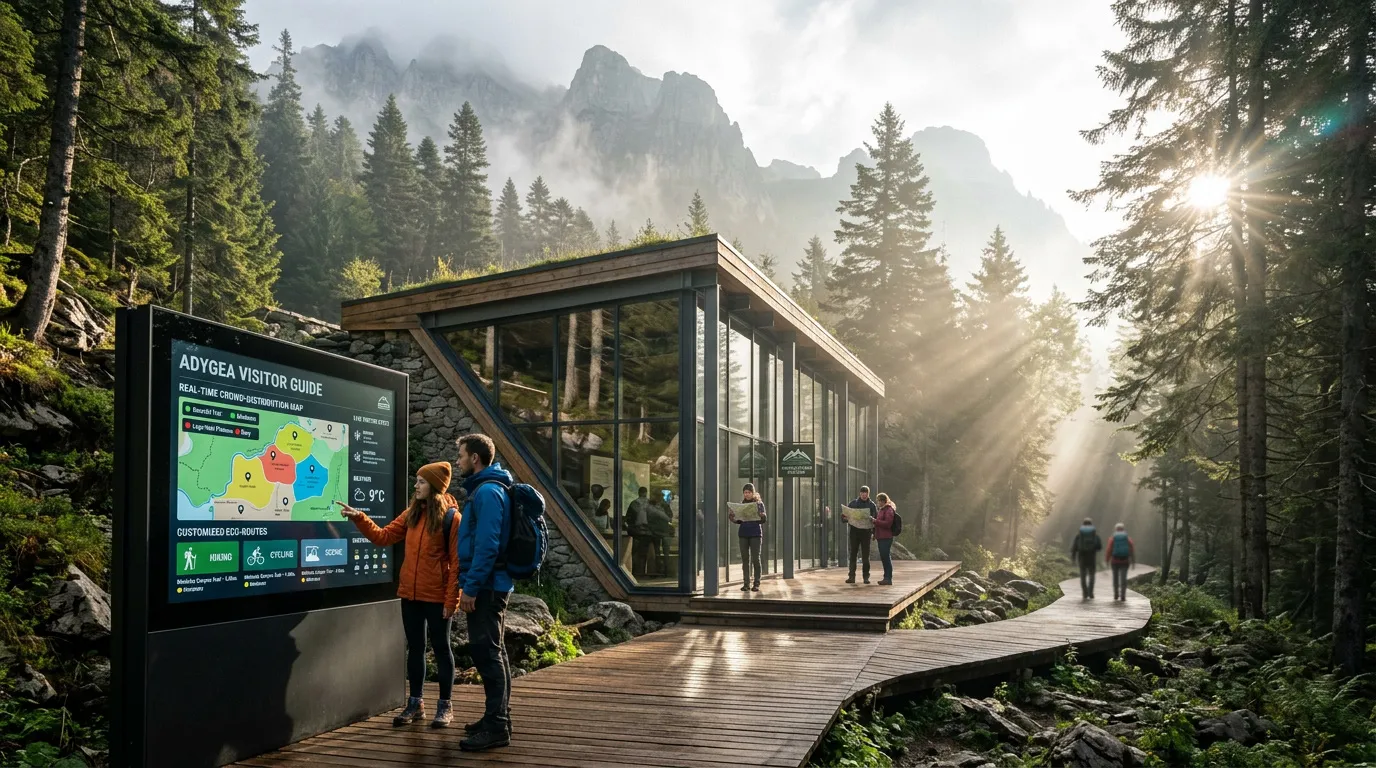
Under Russia’s national Tourism and Hospitality project, the country aims to increase the number of tourist trips to 140 million annually by 2030. Part of that growth is expected to come from the development of digital tourism services and the ability to plan travel using AI assistants.
The Pomoshchnik turista service has become an important milestone in the digitalization of Russia’s tourism sector. For regional destinations, it provides a tool for promoting tourism services, highlighting lesser-known locations, and supporting local businesses.
Digital travel assistants appear particularly promising for the North Caucasus, where visitor numbers continue to rise each year. According to the regional development institution Kavkaz.RF, the North Caucasus Federal District welcomed 3.6 million tourists in 2025, an increase of 8.5% year over year, while tourist traffic across Russia as a whole grew by 2.2%.
Russia’s IT sector is seeing growing opportunities in the practical deployment of generative AI and digital assistants tailored to specific industries. Demand is emerging not only for office productivity tools but also for solutions serving creative sectors and consumer services. Artificial intelligence is becoming part of tourism infrastructure and contributing to regional economic development.