

Rostec Develops Smart Agricultural Machinery
Russia’s largest industrial corporation is offering farmers AI-powered agricultural drones, seeders with remote motor control, tractor autopilots and grain analyzers.
Russian defense-industry manufacturers have traditionally been known for the performance and reliability of their equipment, backed by stringent quality standards. Their civilian products therefore tend to see strong consumer demand. Technology transfer, meanwhile, creates new opportunities for the development of Russian industry as a whole.
At the Tsifrovaya industriya promyshlennoy Rossii (Digital Industry of Industrial Russia, CIPR) exhibition in Nizhny Novgorod, Rostec presented farmers with a range of technologies for more efficient crop production: agricultural drones equipped with artificial intelligence, new seeders, tractor autopilots and laboratory analyzers for grain crops.
Fresh Ideas for Agriculture
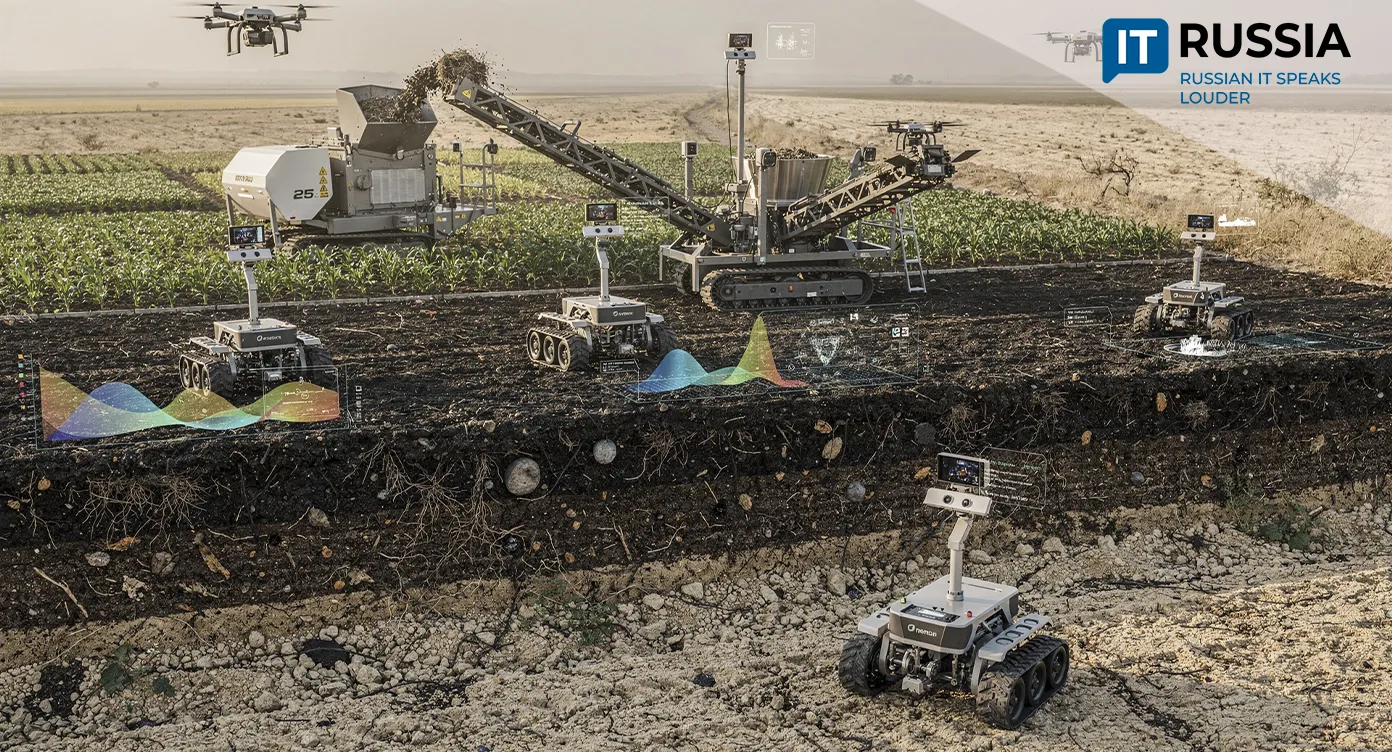
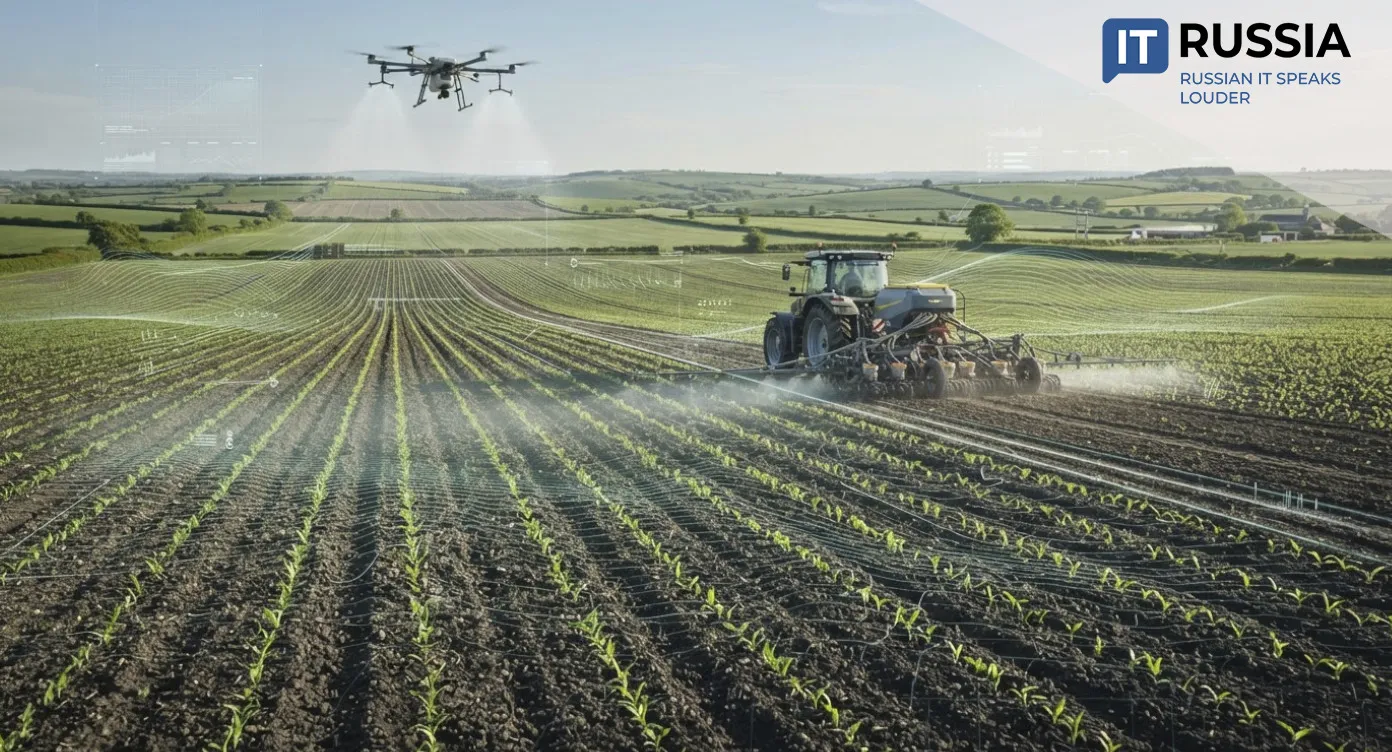
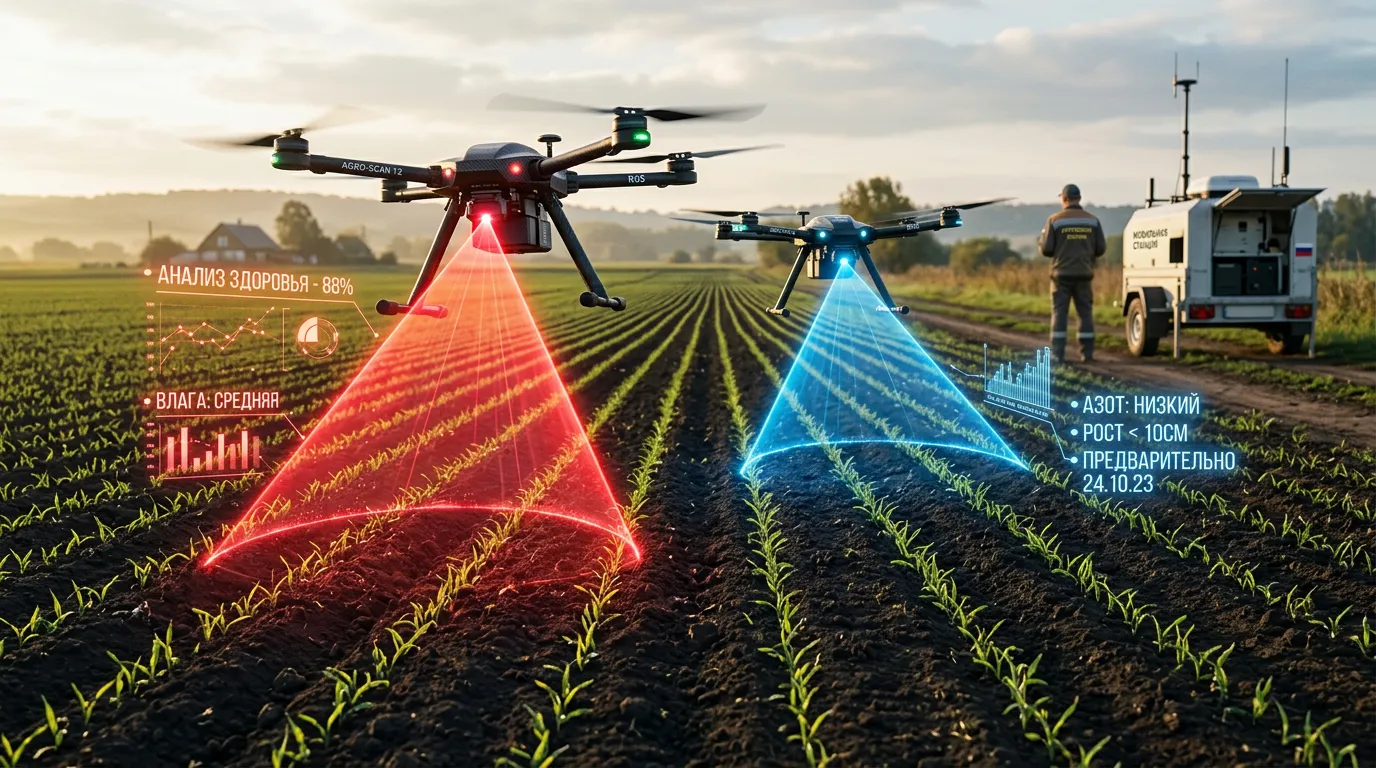
Two new Russian agricultural drones – Feniks-E (Phoenix-E) and Drofa-S (Bustard-S) – were developed by national vendor Rosel, part of Rostec and an organization that brings together some of the country’s largest radio-electronics companies. Feniks-E is a fixed-wing drone designed to survey and monitor fields and transmit information in real time. Drofa-S is a multirotor aircraft designed to treat fields with liquid and granular substances. The drone can simultaneously monitor an area and spray agrochemicals.
Both aircraft operate automatically, although an operator can take control when needed. Their communication channels are protected against interference, helping maintain stable control. A key feature of the UAVs is their integrated artificial intelligence and machine-vision systems. These technologies make it possible not only to analyze crop conditions but also to remotely determine soil moisture and identify problem areas.
Notably, the agricultural drones have been certified by Rosaviatsiya (Federal Air Transport Agency) and included in the Russian industrial products registry, giving farmers access to special government support programs and incentives.
Remote Operation and Control
Rosel offers farmers the Bystritsa line of planting equipment. The pneumatic seeders come in different sizes and apply fertilizer while sowing, while a built-in harrow levels the soil, including wet ground. According to industry professionals, the seeders can increase yields by about 15%. Another feature is remote control of the electric motor.
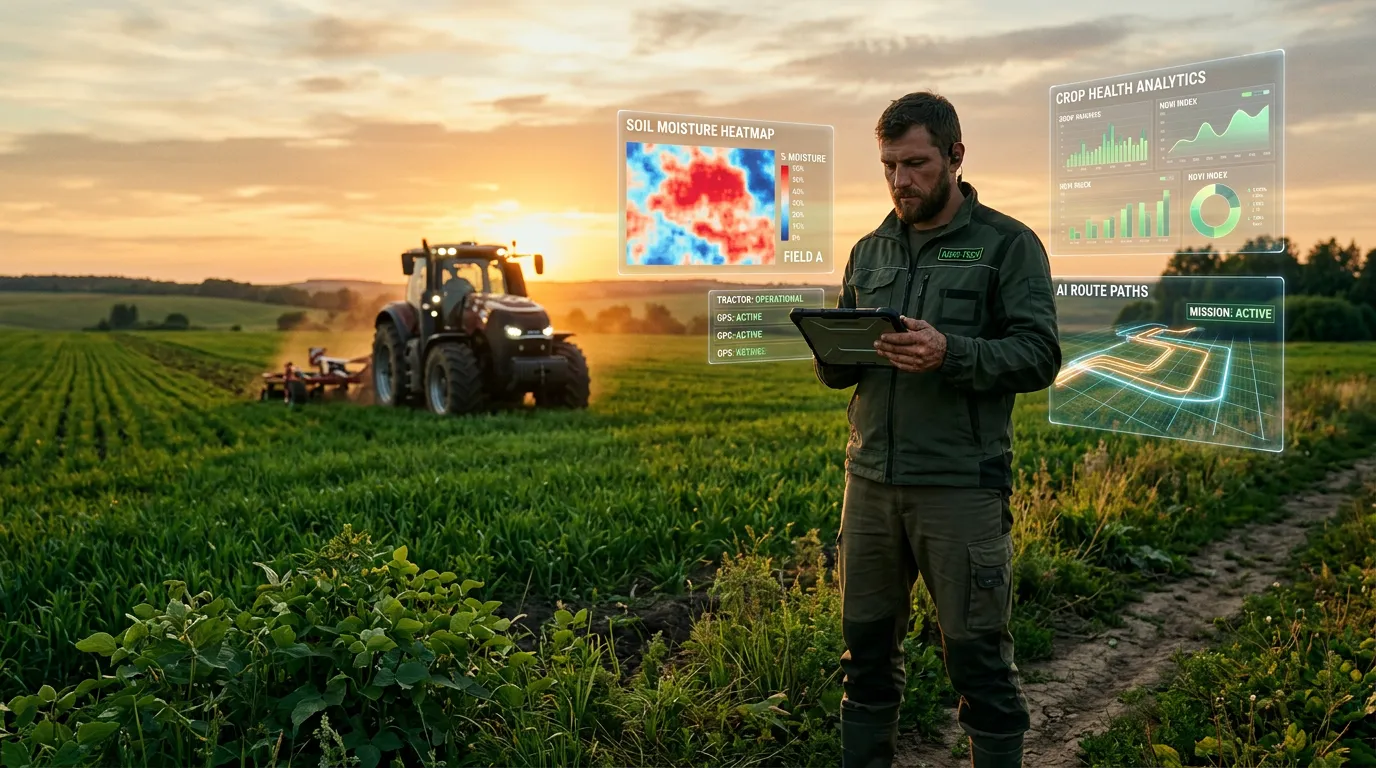
“The remote-control system for the metering unit’s electric motor makes the machine operator’s job easier and significantly speeds up fieldwork... We plan to integrate the technology with a geolocation system, which will make it possible to carry out automated variable-rate seeding across different areas of a field and thereby implement the concept of ‘smart farming.’ Demand for our product has already been confirmed by a number of agricultural holdings in more than 50 Russian regions,” said Oleg Ratnikov, CEO of Radioworks, part of Rosel.
For tractors, combines and other agricultural machinery, Rostec presented the Meshchera automation system. The autopilot is based on technologies developed by VNII Signal. It uses the Prometey (Prometheus) software and hardware platform and the Filin (Owl) positioning and leveling system as its technological foundation. The autopilot determines the machine’s location and direction of travel and plots a precise trajectory. It allows farmers to operate a tractor or combine in automatic mode. Meshchera is compatible with virtually all types of agricultural machinery.
Finally, Rostec’s Shvabe holding manufactures the KFK photometer, which analyzes the quality of water, animal feed and soil. Another product, the Protein-1M grain analyzer, can measure gluten and protein content as well as grain vitreousness directly in the field in three minutes.
A Precision Farming Ecosystem
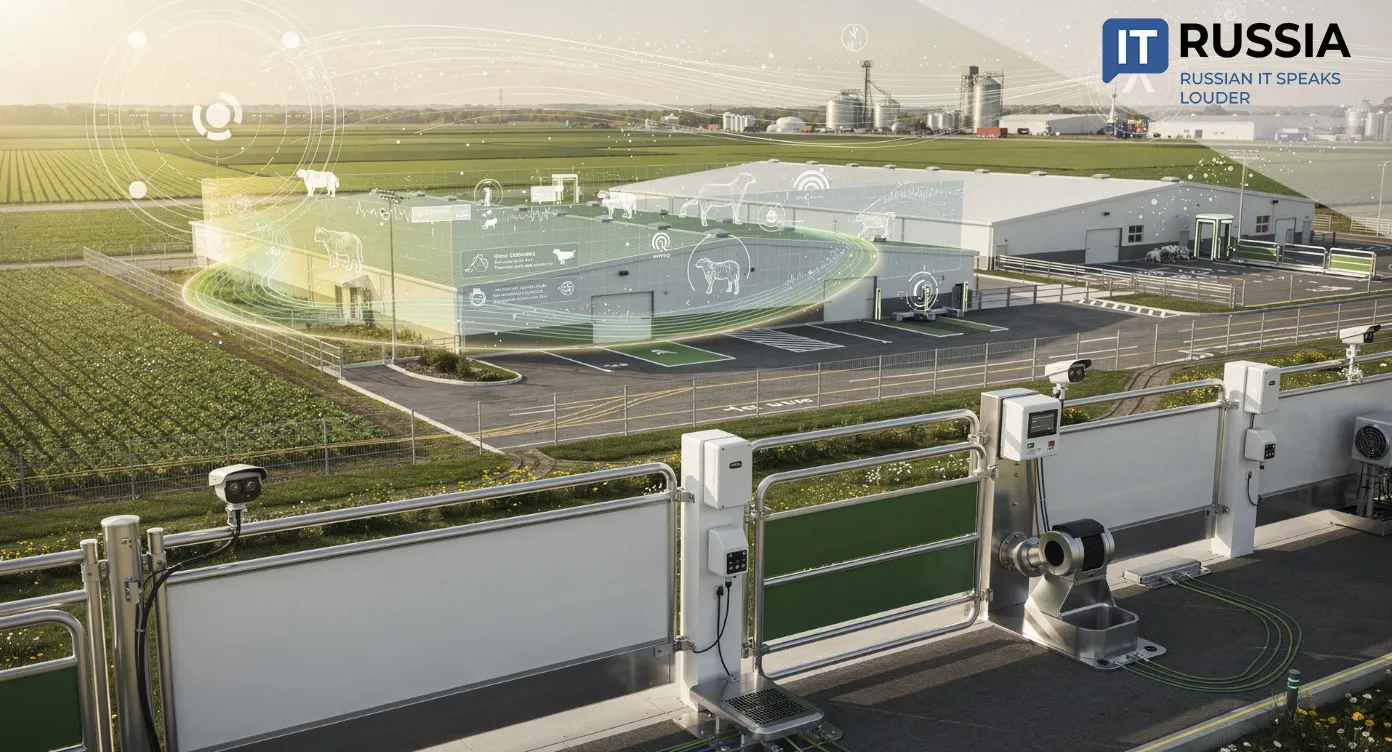
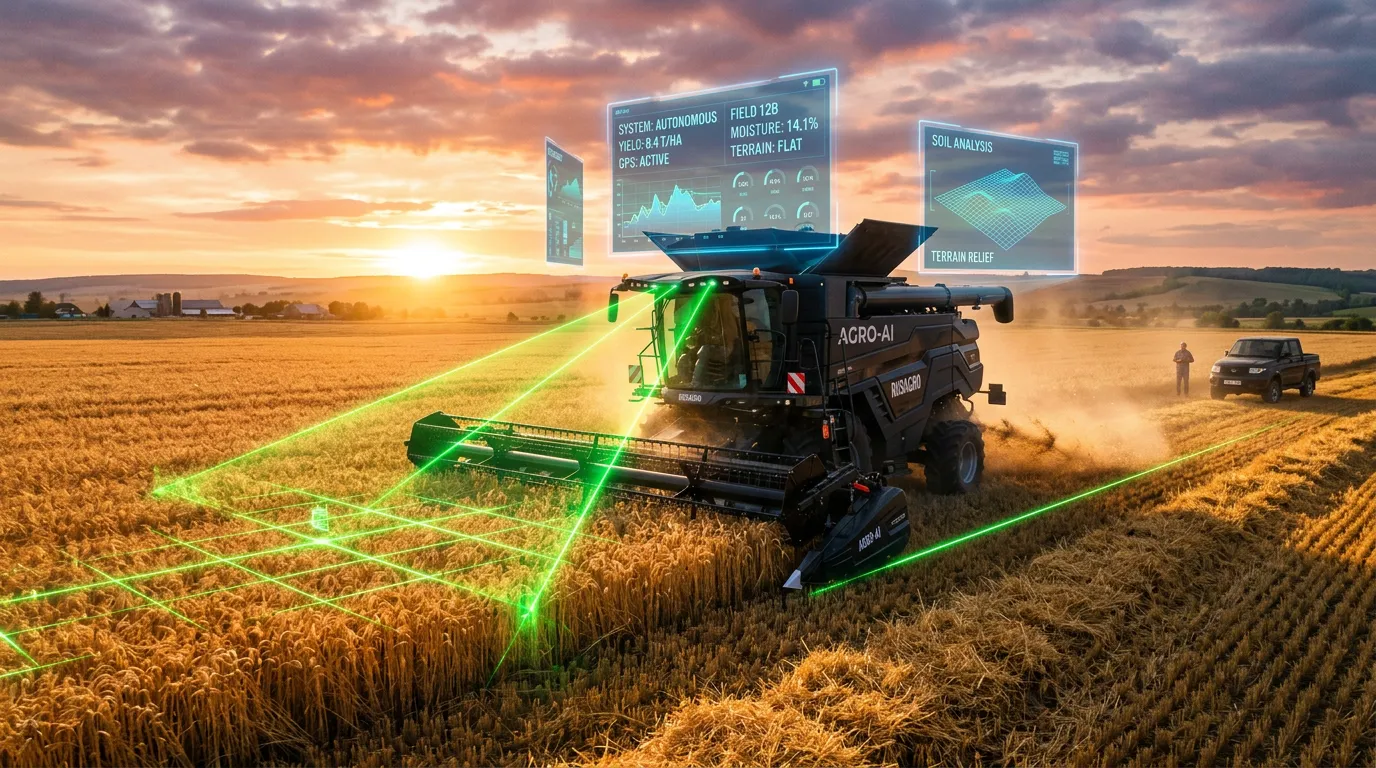
Taken together, the technologies presented by Rostec effectively form a single technological chain for digital farming. They include aerial field-monitoring systems, soil-condition analysis, autopilots for agricultural machinery, equipment for sowing and fertilizer application, and platforms for digitally monitoring the quality of finished products.
Integrating these technologies into a single system and connecting them to Russian ERP platforms makes it possible to build comprehensive smart-farming systems. As these IT ecosystems evolve, crop production can become progressively more autonomous and efficient while requiring less manual labor.
Once proven in Russia, such systems could find demand in CIS countries and across the Global South, where producers need to increase production automation and improve crop yields.