AI Simulation Takes on Waterflooding
Gazprom Neft has developed the first digital simulator in Russia’s oil and gas industry specifically designed to optimize waterflooding. Until now, the geological characteristics of reservoir rock have made the procedure inherently risky in oil production.
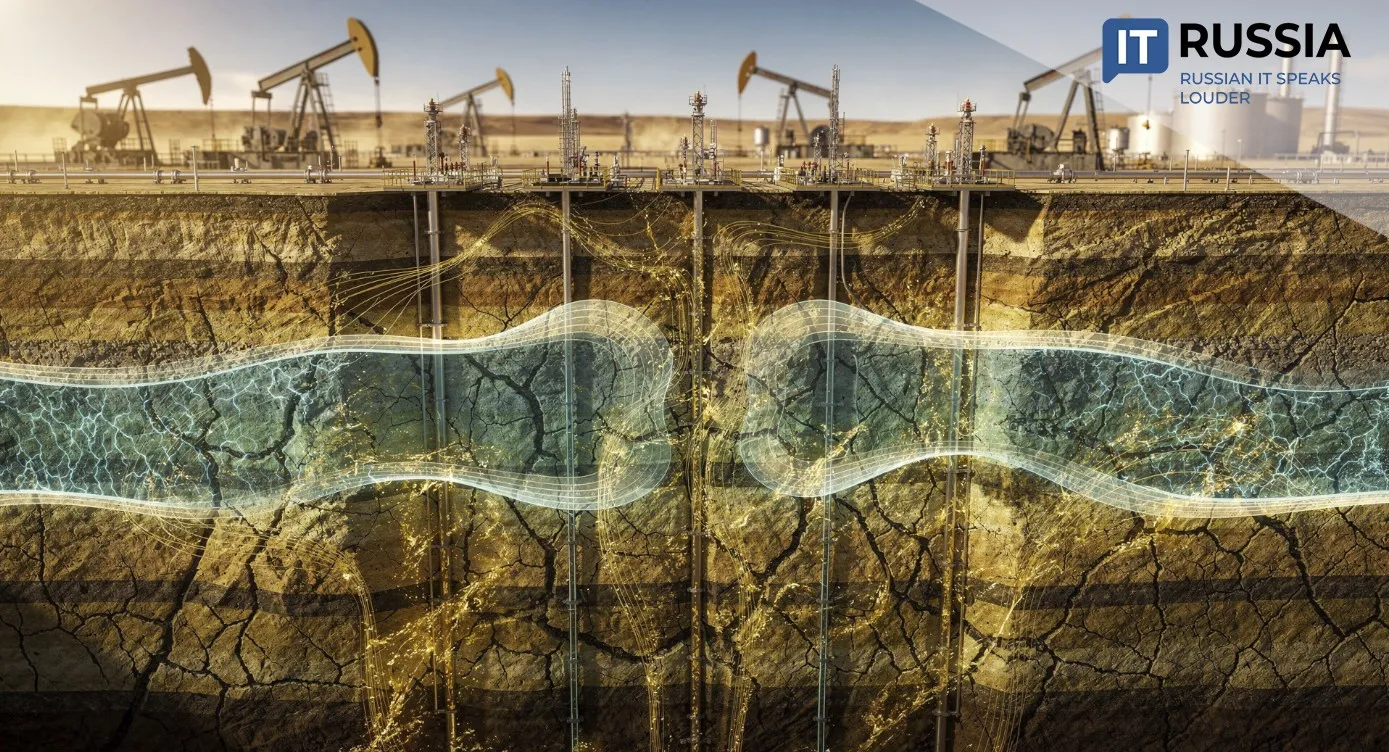
Waterflooding is a widely used method in which fluid is injected into a reservoir to displace oil toward producing wells and maintain reservoir pressure. One side effect is the unpredictable formation of induced fractures. When that happens, water reaches producing wells more quickly, water cut increases, and some of the oil remains trapped in the reservoir. The new simulator helps remove that uncertainty by using data on the geological structure of the reservoir.
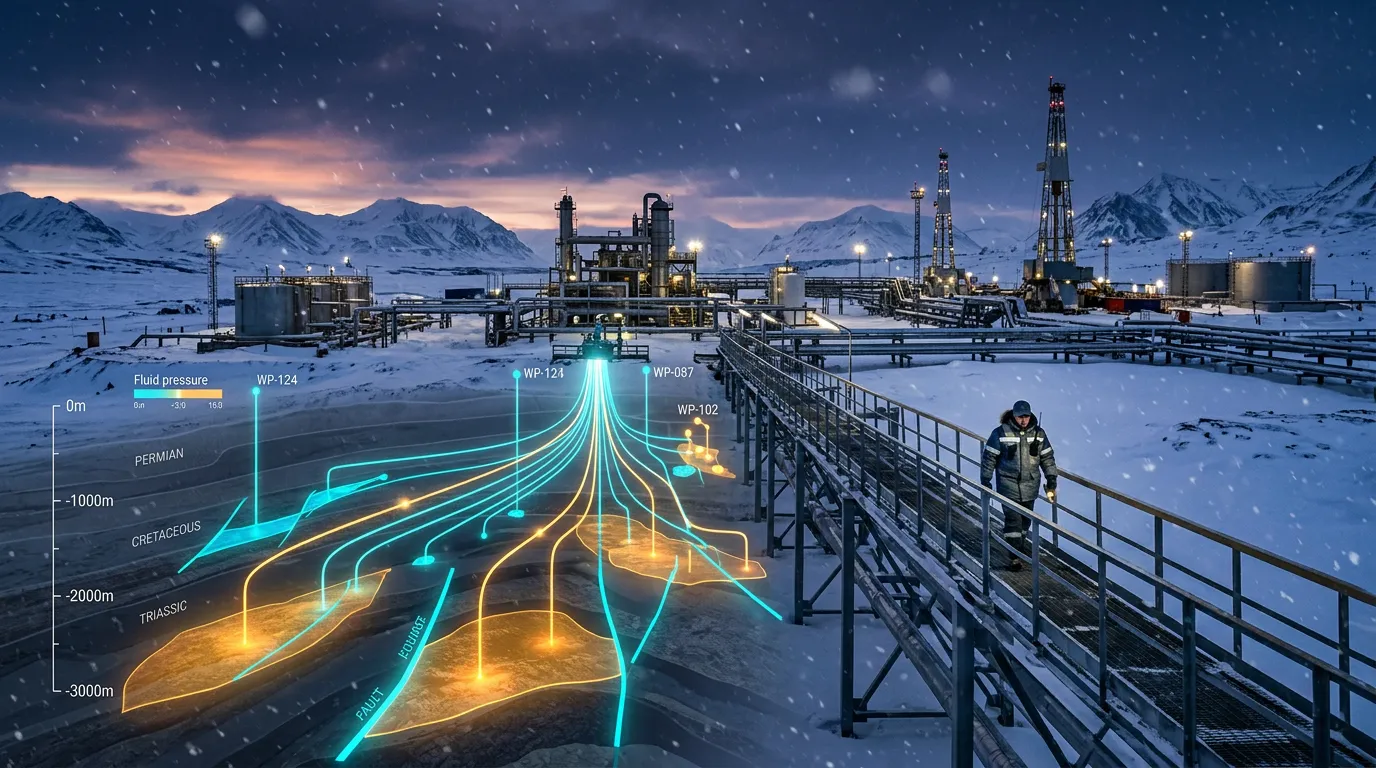
The tool models physical processes within the reservoir and predicts the likelihood of fracture formation. It also helps determine optimal parameters, including fluid injection rates, wellhead and reservoir pressure levels, and the configuration of injection and production wells. According to the company, deploying the system could improve production efficiency by about 7% at fields where waterflooding is used. The simulator can also increase the oil recovery factor and reduce potential hydrocarbon losses.
A Breakthrough in Modeling
For years, accurately describing the behavior of induced fractures during waterflooding was considered virtually impossible. Even so, the Gazprom Neft team developed a physical and mathematical model of fracture growth, validated it against real-world data and turned it into a working tool.
The simulator has already completed pilot-scale industrial testing. It was tested at assets in the Khanty-Mansi Autonomous Area – Yugra, including the Achimov formations at the Karamovskoye field, where the team was able to manage fracture development, as well as in Yamal. The technology is already being rolled out and is being used to calculate optimal operating parameters for more than 20 injection wells. The company plans to deploy the tool further across its assets.
Today, a significant share of Gazprom Neft’s production comes from mature fields, and developing its own digital technologies helps the company select optimal approaches and extend the productive life of these assets.

How Other Companies Are Approaching the Challenge
Other Russian companies are developing their own technologies as well. Rosneft is cementing its position as a leader in developing proprietary digital technologies for the oil and gas industry. Overall, the company’s products do more than compete with foreign alternatives – they outperform them on technical specifications while costing less.
In early 2023, Sibneftegaz, part of Rosneft’s gas production business, developed and deployed an analytical digital twin covering all of the company’s fields. It incorporates operating data from more than 150 wells. The system automatically loads field-report data, visualizes parameter trends in charts and refines telemetry data, significantly simplifying monitoring.
The system forecasts natural gas production over short- and medium-term horizons, ranging from one month to one year. When field operating parameters change, the software quickly calculates the optimal production level and can deliver an increase of up to 600,000 cubic meters of gas per month. Its speed is particularly notable: the system can generate a forecast for every well in a field in just one minute. The project was presented by young geologists at the final round of Rosneft’s Scientific and Technical Conference and was recommended for further deployment across the company.
MUZA for Subsurface Production
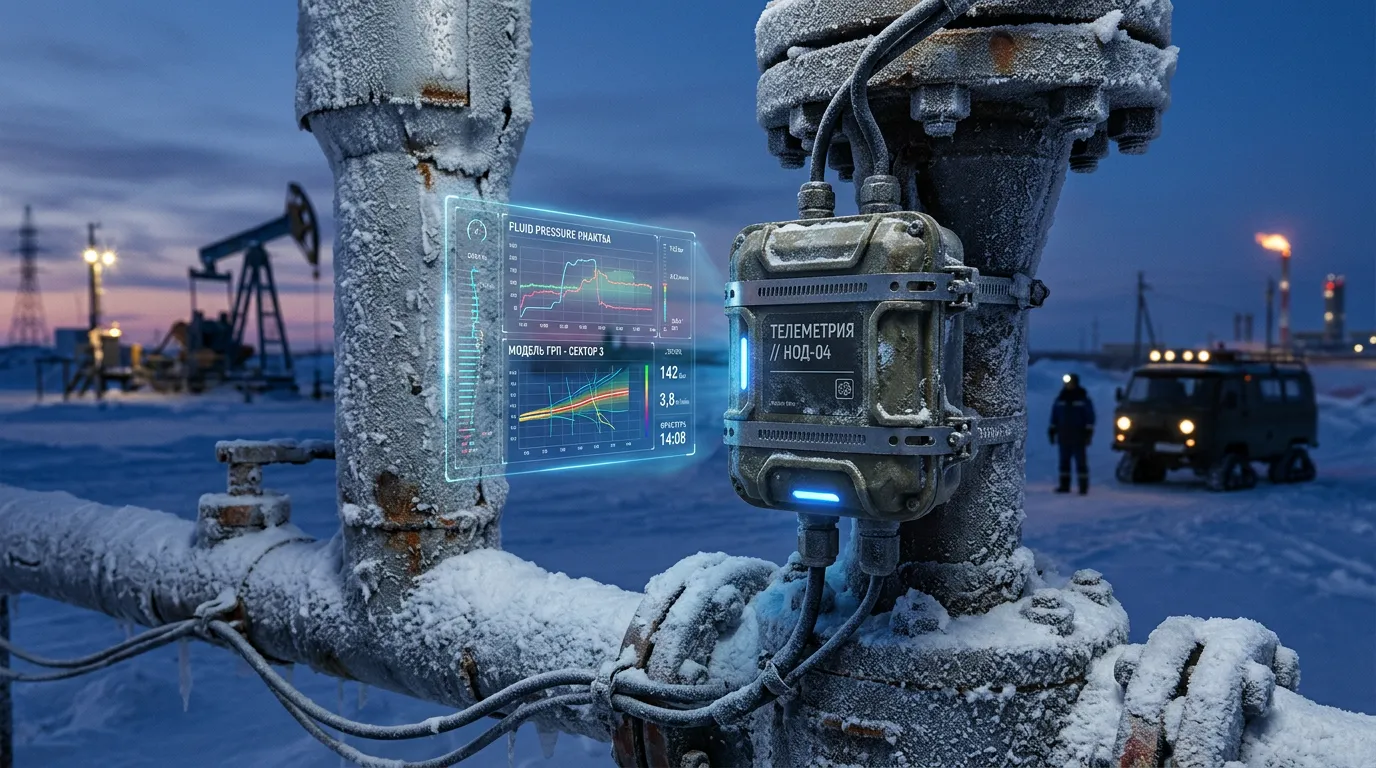
Another Rosneft tool for managing waterflooding is the MUZA (Modul Upravleniya Zakachivayemym Agentom, or Injected Agent Management Module) software. The program analyzes reservoir pressure, injected and produced fluid volumes, identifies problem areas, prioritizes recommendations and indicates where adjustments need to be made and what should be changed.
Beyond improving oil recovery, the software can deliver tangible savings by reducing water-treatment and electricity costs. The case of the unique Prirazlomnoye field, the largest in Western Siberia, is particularly illustrative. More than 1,000 injection wells are currently operating there, with annual injection volumes reaching 25 million cubic meters of water. MUZA redirected significant volumes of injected water, substantially expanding the potential for geological and engineering interventions. The software is being integrated into the company’s broader suite of IT products as part of a full-cycle digital modeling workflow.
Against this backdrop, Gazprom Neft’s approach stands out for the way it tackles the problem – by creating a digital guide through complex reservoir behavior. In this way, advanced analytics and mathematical modeling can help solve practical production challenges in the difficult subsurface environment.